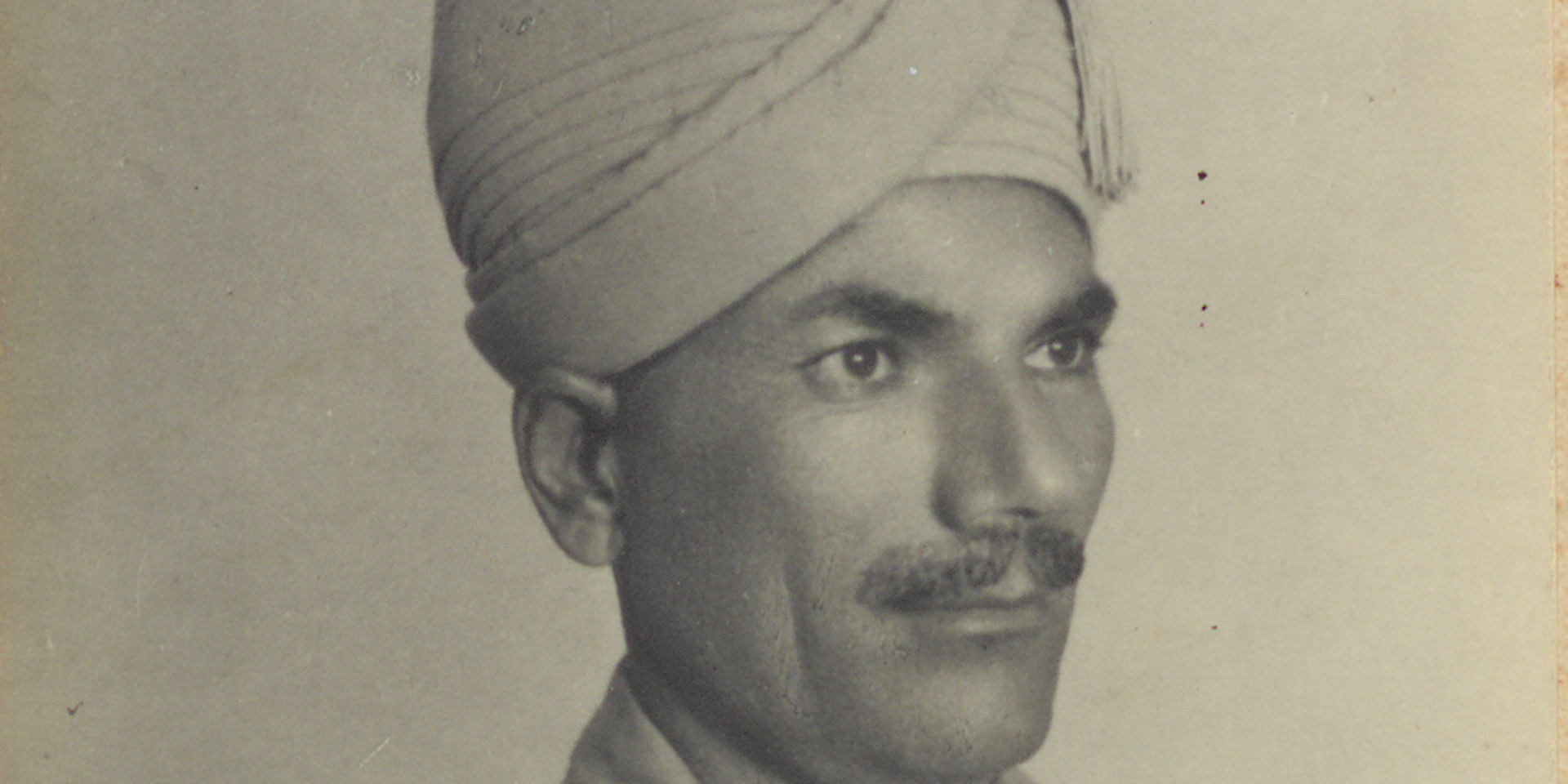
Makhmad Anwar was captured by the Japanese following the Fall of Singapore in 1942. His story highlights the distinct treatment of Indian prisoners during the Second World War.
On 15 August 1945, the British government broadcast news of Japan’s unconditional surrender. This date was declared Victory over Japan Day (VJ Day) and people from all walks of life celebrated the official end of the Second World War.
Ted Senior was captured by the Japanese during the Second World War and forced to work on the Thai-Burma ‘Death Railway'. The diary he kept reveals the horrific conditions that he and his fellow prisoners endured.
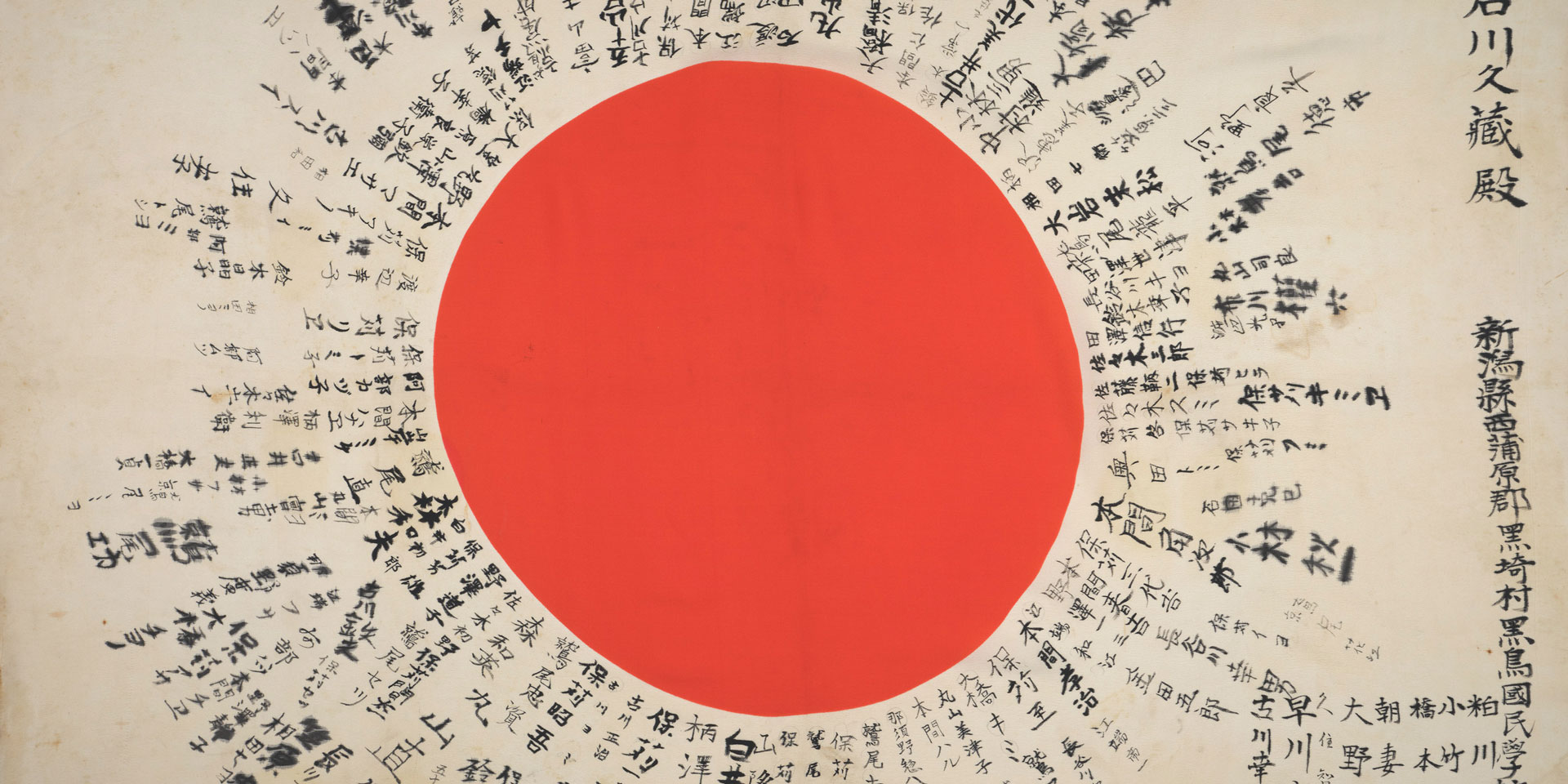
A collection of flags captured during the Second World War sheds light on the tough close-quarter combat of the Burma campaign and provides some rare insights about soldiers of the Imperial Japanese Army.
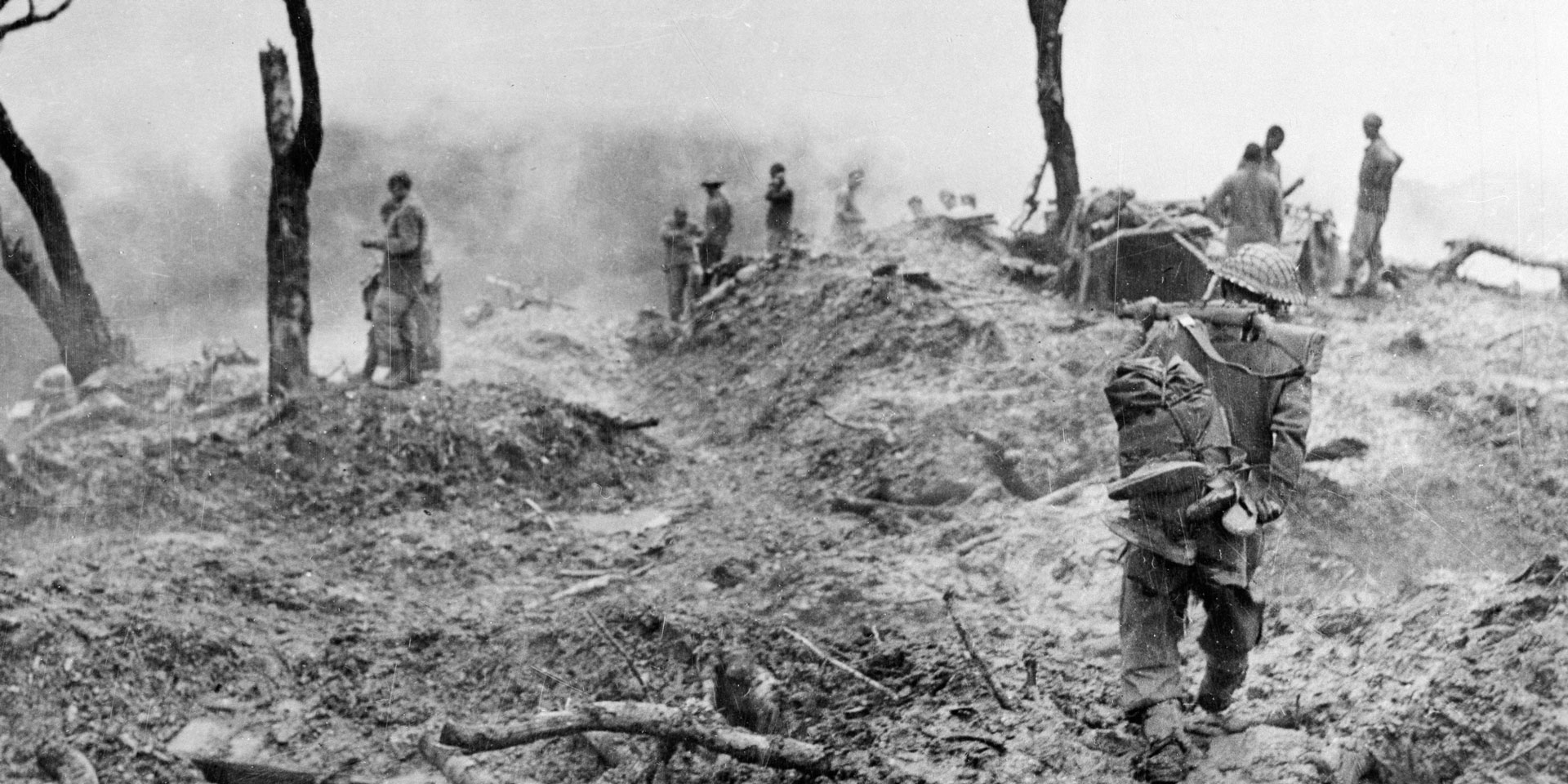
These battles formed the turning point of one of the most gruelling campaigns of the Second World War. The Japanese defeat in north-east India in 1944 became the springboard for the subsequent re-conquest of Burma.
After initial successes in North Africa during the Second World War, Field Marshal Sir Claude Auchinleck transferred to India as Commander-in-Chief. His unstinting logistical support there was vital to the Allied re-conquest of Burma.
Between December 1941 and August 1945, British Commonwealth troops and their allies fought a bitter war across the vast expanses of Asia and the Pacific Ocean against a tenacious and often brutal enemy.
Field Marshal William Slim led the Fourteenth Army in Burma during the Second World War. Despite inheriting a disastrous situation, he restored his men's morale and led them to victory against the Japanese.