The context
By the mid-18th century, the Mughal Empire, which had once controlled most of the Indian subcontinent, was in a state of collapse as native Indian and European states attempted to carve out their own political and economic power bases.
The East India Company was one of these competing powers. While battling the French for trading supremacy, it simultaneously began to involve itself in local politics, especially in Bengal, India’s richest province.
The Bengali ruler Siraj-ud-Daulah had been in dispute with the Company for some time. A year before the Battle of Plassey, when the Company refused to halt military preparations against the French following the outbreak of the Seven Years War (1756-63), he had attacked and captured its stronghold of Fort William in Calcutta (Kolkata).
Black Hole
Shortly after Fort William's surrender, Siraj confined a number of prisoners in a small dungeon. One British survivor’s account states that 123 of the 146 prisoners died in the crush.
The ‘Black Hole of Calcutta’ subsequently proved to be a useful justification for British revenge and conquest. It has been the subject of much controversy ever since.
By February 1757 the Company and the British Army had won Calcutta back. The following month Robert Clive seized the French fort of Chandernagore.
In the spring of 1757 the opposing armies skirmished and squared off in a series of minor engagements.
Regime change
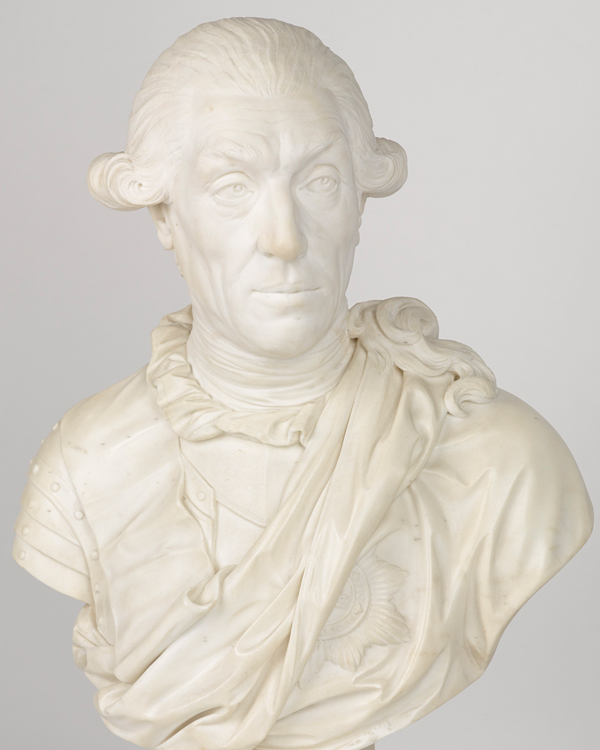
On learning that Siraj was negotiating with the French, the Company decided a change of regime was needed to achieve its political and financial goals. It was not alone in wanting Siraj gone. Mahtab Rai, head of the Jagat Seth Bengal banking family, was concerned that the Nawab would seize the Seth's huge wealth for his own ends.
The Jagat Seths and Clive therefore secretly offered to make one of Siraj’s army commanders, Mir Jafar, the new nawab of Bengal, if Siraj was defeated in battle. On 23 June 1757 Mir Jafar got his chance at Plassey.
The armies
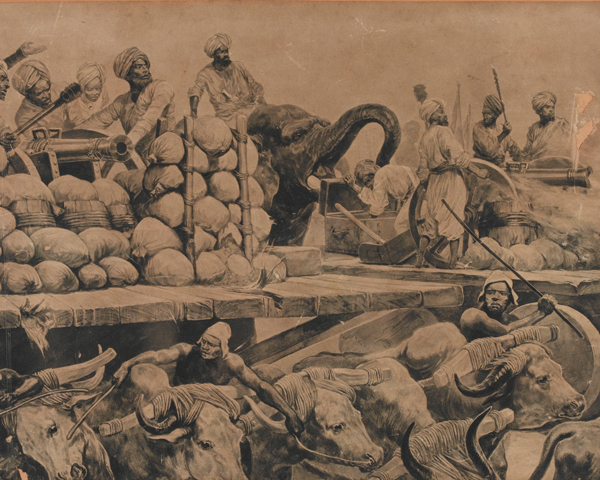
Siraj-ud-Daulah (1733-57) commanded around 50,000 men, including 16,000 cavalry. He also had 50 field guns, a combination of 32-, 24- and 18-pounders. Officers on loan from the French commanded this artillery.
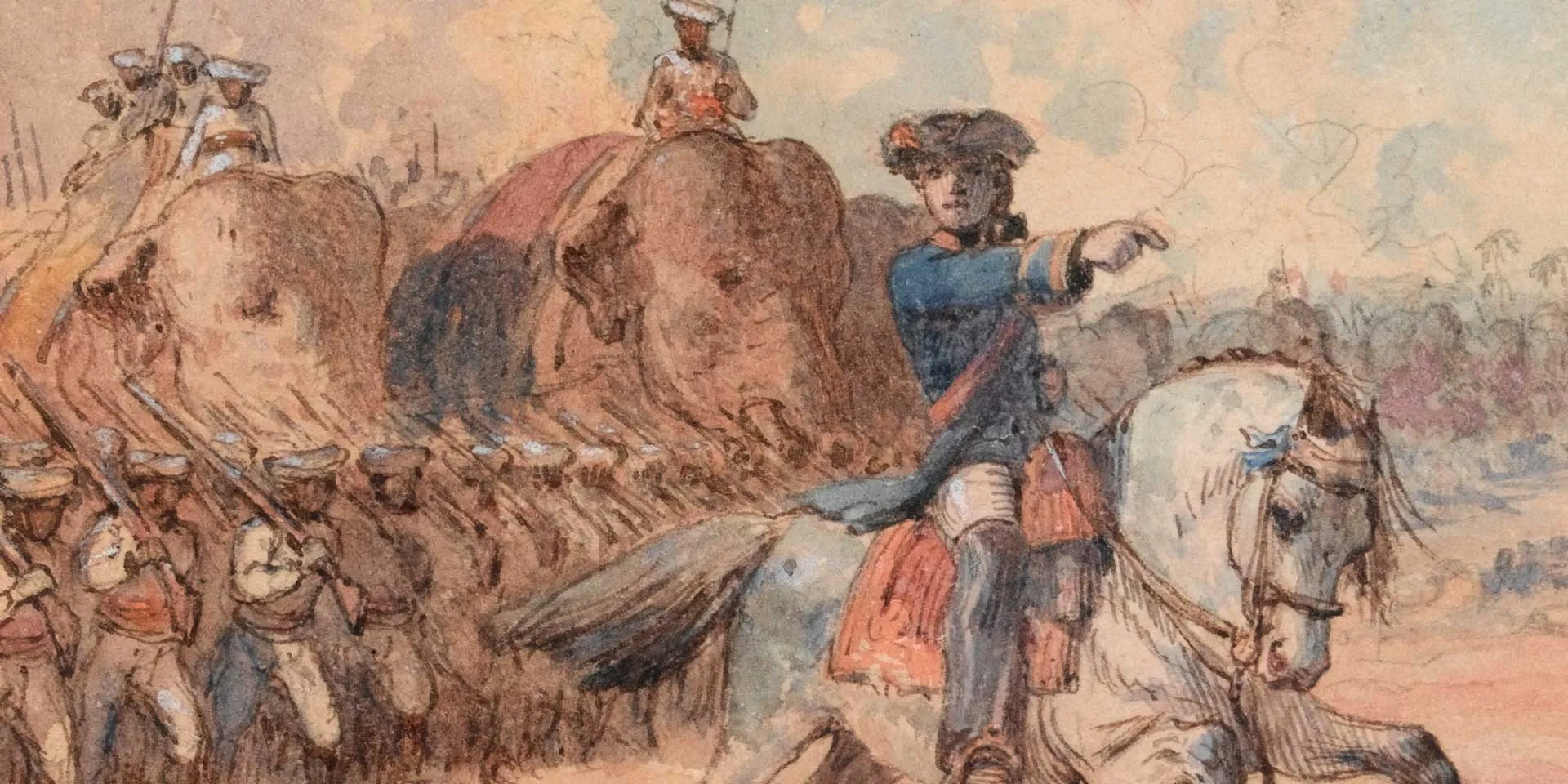
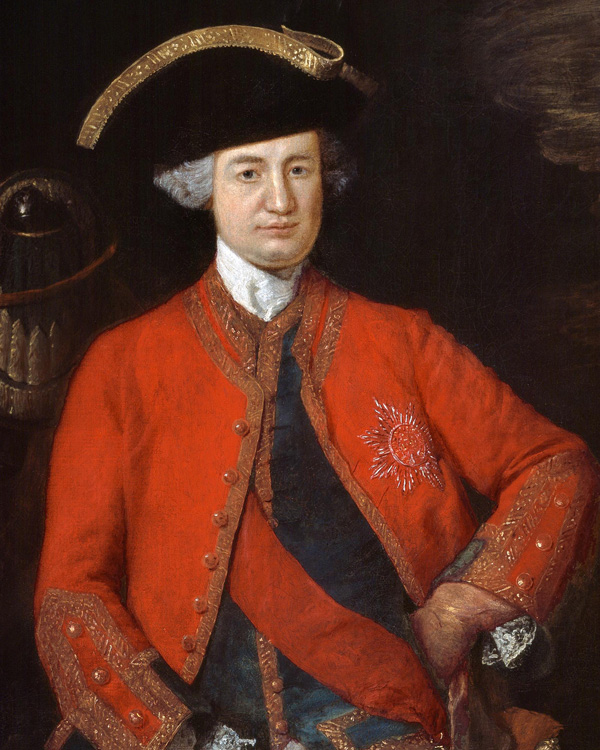
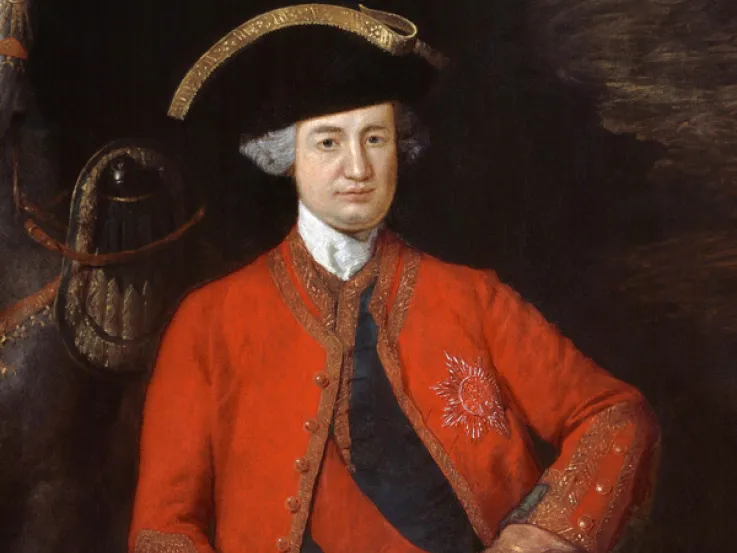
Lieutenant-Colonel Robert Clive (1725-74) commanded the British force. Formerly a writer (clerk), Clive had switched to the Company’s military service and his tactical flair and personal bravery had earned him rapid promotion and a great personal fortune.
His army was about 3,000-strong, including 2,100 Indian sepoys (infantry) and about 800 Europeans. The latter included the 1st Madras European Regiment and 600 Crown troops from the 39th Regiment. Clive had only ten field guns and two small howitzers.

'The fire of battle and slaughter, that had been hitherto kept alive under a heap of embers, now blazed out into flames. But as the nation of hat-wearers have no equals in the art of firing their artillery and musketry with both order and rapidity, there commenced such an incessant rain of balls and bullets, and such a hot endless firing, that the spectators themselves were amazed and confounded; and those in the battle had their hearing deafened by the continual thunder, and their eye-sight dimmed by the endless flashing of the execution'.Bengali writer Ğulām Ḥusayn Ḫān describing the battle — 1781
The battle
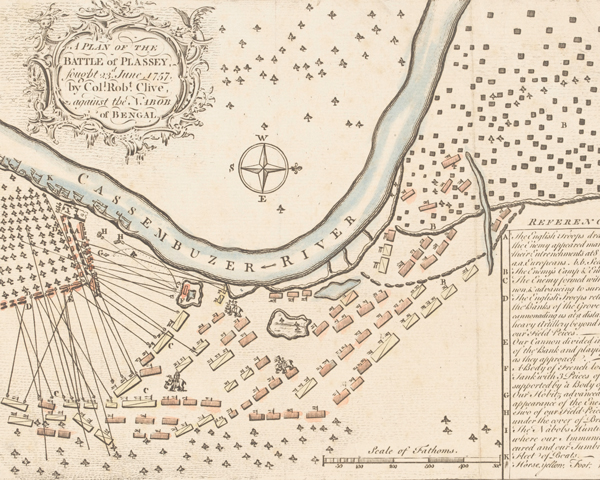
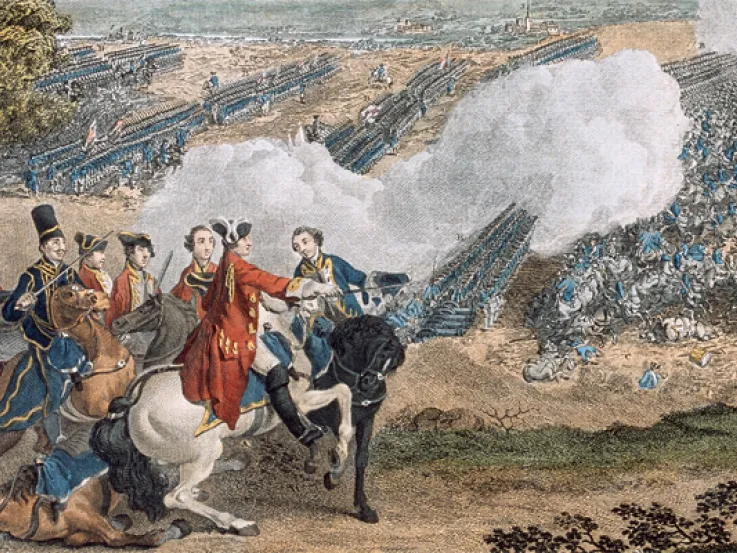
The armies met on the banks of the Bhagirathi-Hooghly River, near the small village of Plassey (Palashi) about 100 miles (160km) north of Calcutta (Kolkata). The Nawab’s opening cannonade was out of range, while various skirmishes were inconclusive.
A heavy downpour of rain then interrupted proceedings. The British artillerymen quickly covered their cannon and ammunition with tarpaulins. The enemy failed to do the same and their artillery was put out of action.
Storm of fire
The Nawab’s men moved forward, assuming that Clive’s cannon were also inoperable. They were met by a storm of fire and soon withdrew in disarray. At this point, Mir Jafar, commanding the Nawab’s cavalry, refused to take part.
By the end of the day Clive was in a position to rout the Nawab’s disheartened forces, inflicting over 500 casualties for the loss of only 22 men killed and 50 wounded.
Mir Jafar later killed Siraj and was appointed nawab in his place. But he became little more than a puppet ruler, forced to cede control of Bengal through the treaties he signed with the British. Siraj’s defeat also meant that the French were no longer a force in Bengal.
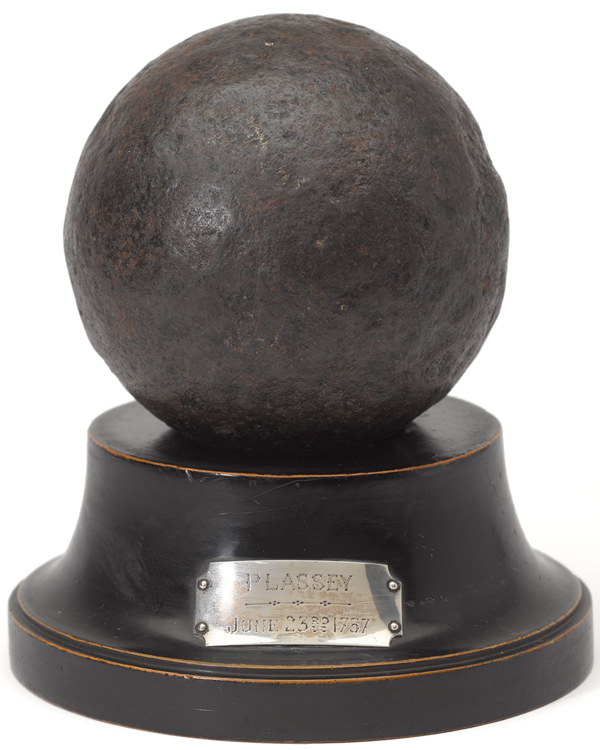
Imperial power
After his victory at Plassey, Clive was appointed Governor of Bengal. In 1765 he secured the ‘diwani’, the right to collect the tax and customs revenue of Bengal, from Emperor Shah Alam II for the Company. This confirmed British military supremacy in the region and gave the Company a political stake in India.
Indian tax revenues were now used to buy Indian goods for export to Britain. The Company created a huge civil and military administration to collect the taxes and police its territories. No longer purely a commercial organisation, it had become an imperial power.
As part of this process Clive served as Commander-in-Chief Bengal, with the local rank of major-general. He did much to organise and train the Company’s army on European lines, turning it into a formidable force.
In the years that followed, the British used their newly acquired revenues and military might to eject their European colonial rivals, the French and the Dutch, from the rest of India. The victory at Plassey started a process that eventually resulted in British rule over the subcontinent.
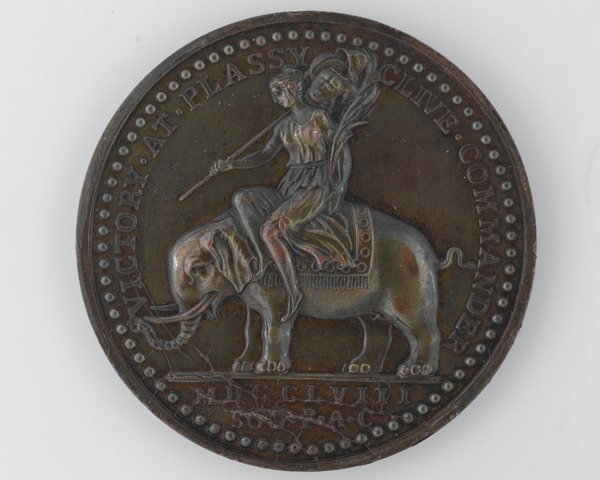
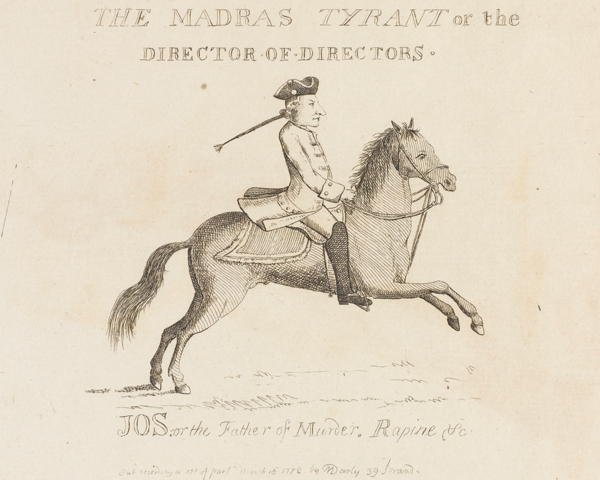
The legacy
For a later generation of Britons, the victory at Plassey marked the birth of their Indian Empire. Until Indian independence in 1947 almost every schoolchild would have heard of the battle and known of ‘Clive of India’.
This was despite the fact that during his lifetime Clive had divided public opinion. Many people had denounced him as a corrupt and greedy ‘nabob’ who used his political and military influence to amass a fortune.
Explore further
Seven Years War