Galleries
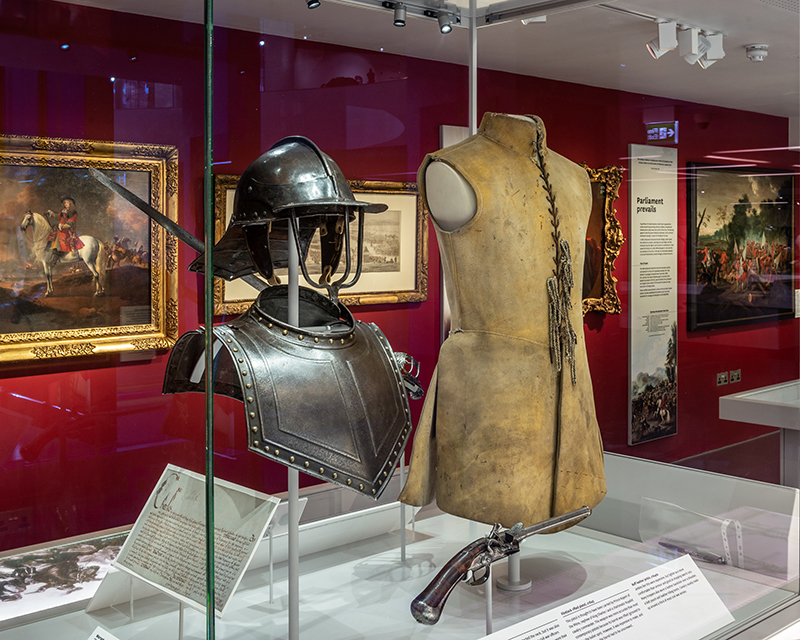
Formation
This gallery brings to life the origins, organisation and traditions of Britain’s army. It introduces its evolving role on the home, European and world stage, and explores the values that have motivated its soldiers during more than 350 years of unbroken service.
Soldier
This gallery reveals what it's really like to serve as a soldier. From joining up as a new recruit to coming home, it examines a wide range of soldiers' experiences through their own words and often surprisingly personal possessions.
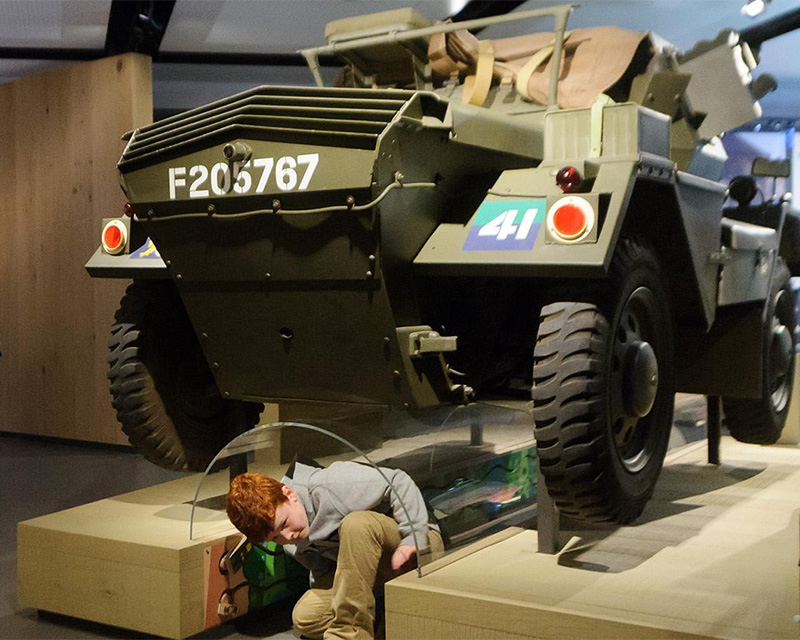
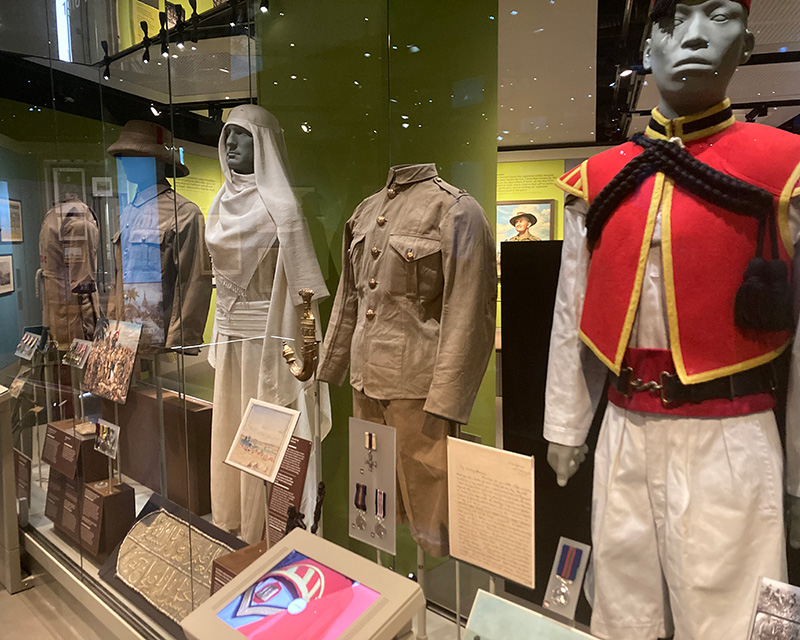
Global Role
This gallery looks at the deployment of Britain’s armies around the world, from the age of empire to the modern day. Many of the objects on display were collected by soldiers and reflect their interactions with different cultures and customs.
Conflict in Europe
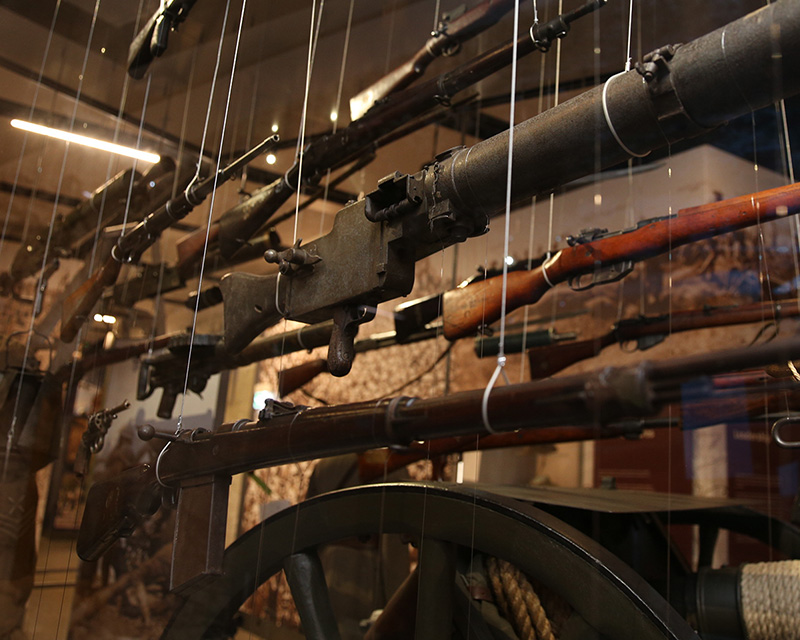
This gallery explores the Army’s role in maintaining stability in Europe from the 1700s to the present day. It charts the ebb and flow of power and influence, and also demonstrates how fighting on the Continent has impacted the fate of the British Isles.
Army at Home
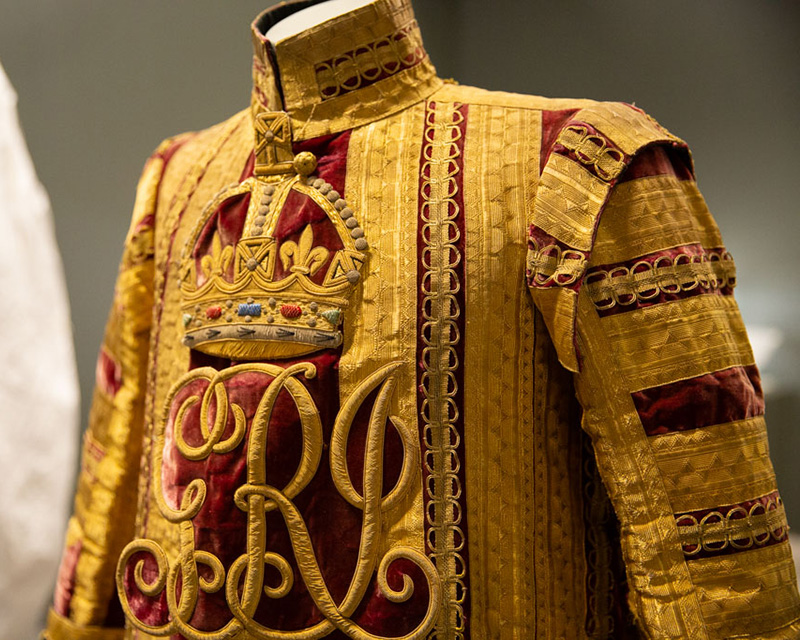
This gallery outlines the Army's home service since the 1600s. It shows the different ways that soldiers have protected the people of Britain during national crises, and examines the Army's role in shaping identities, communities and landscapes.