Explore more from Regiments and Corps
5th Dragoon Guards (Princess Charlotte of Wales’s)
3 minute read

Origins
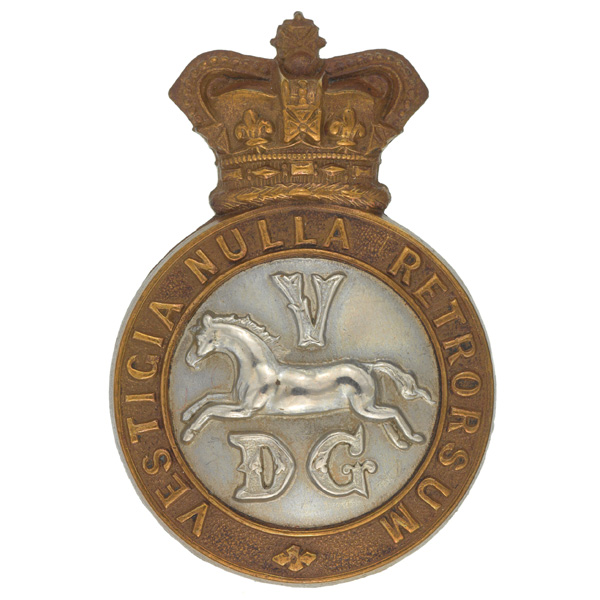
In 1685, various troops of horse were raised to defend King James II against the Duke of Monmouth's rebellion. Later that year, several of these were merged to form a single cavalry regiment, ranked as the 7th Horse.
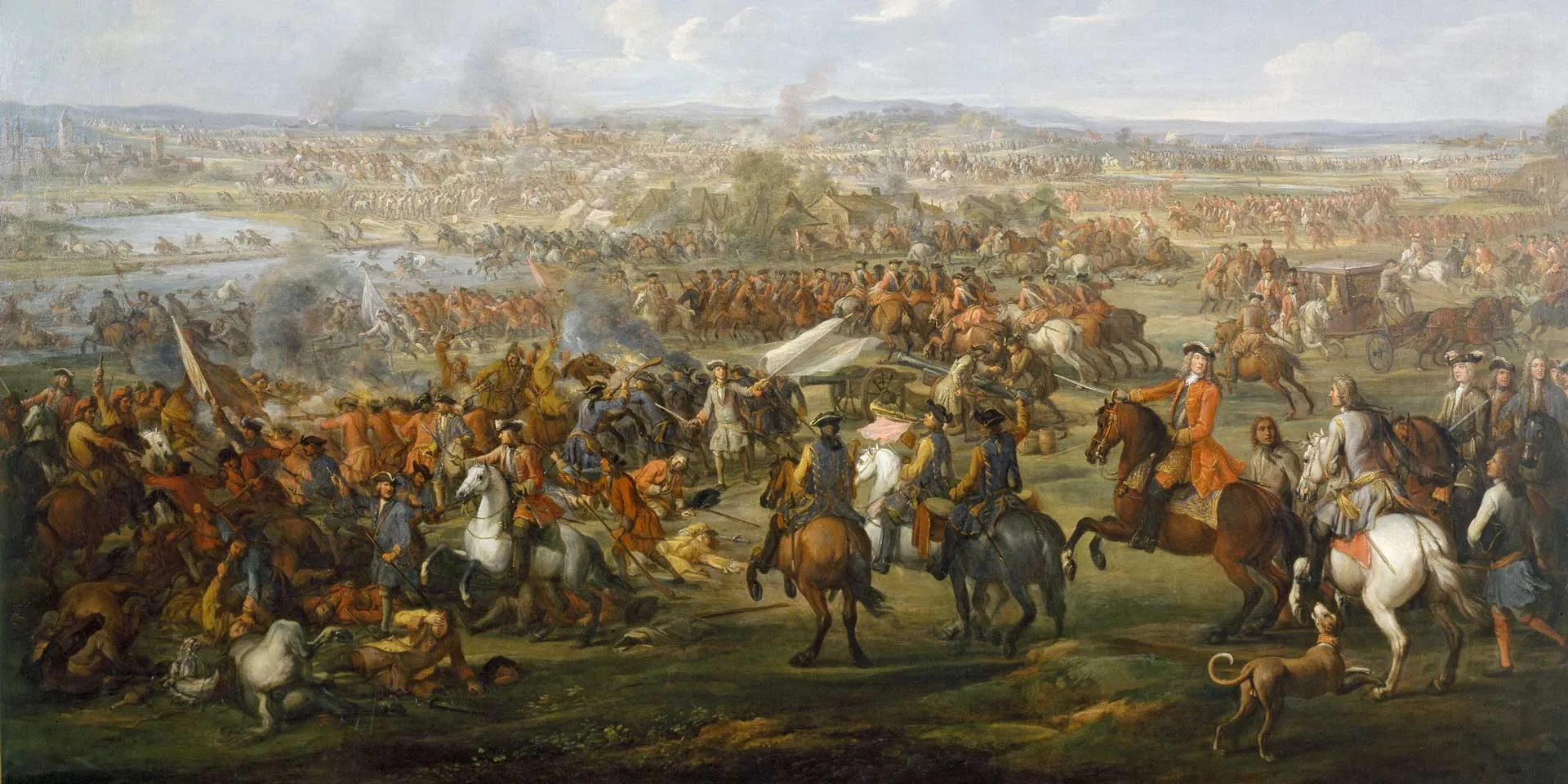
Its ranking rose to the 6th Horse in 1690, a year which also saw it fighting against the now-deposed James II at the Boyne. It returned to Ireland in 1698 and 1715, fighting in Europe in the interim during the War of the Spanish Succession (1702-13) at Blenheim, Ramillies and Malplaquet.
It went to Ireland yet again in 1746 after being shifted to the Irish establishment, this time for over 40 years.
Quiz
Which of the following was a nickname of the 5th Dragoon Guards?
The regiment was nicknamed the 'Old Farmers' as they spent so long in Ireland between 1698 and 1715 that some of its soldiers bought land and began to farm it.
Flanders and Ireland
The regiment returned to the British establishment in 1788 and was re-titled the 5th Regiment of Dragoon Guards. Five years later, it deployed to the Low Countries and Germany on the outbreak of the French Revolutionary Wars (1793-1802), fighting at Beaumont in 1794.
Soon after, it helped suppress the Irish Rebellion of 1798, serving at Vinegar Hill and Ballinamuck.
19th century
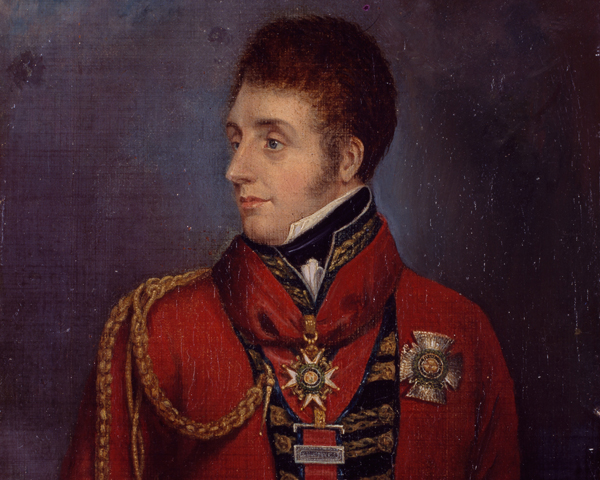
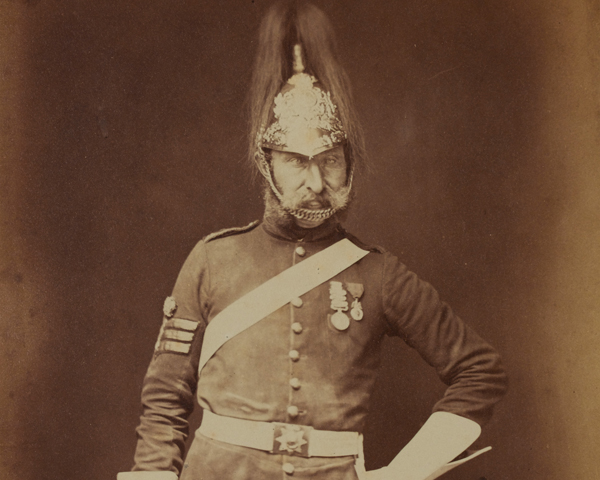
In 1804, the regiment took on the name of Princess Charlotte, the only child of the future King George IV. Then, in 1811, it deployed to the Peninsular War (1808-14), where it fought at Salamanca and Vittoria.
From 1814 to the 1890s, the regiment remained in England, with the sole exception of the service during the Crimean War (1854-56) where it took part in the Charge of the Heavy Brigade at Balaklava (1854).
Robert Baden-Powell, who went on to found the Scout Movement, took command of the regiment in India in 1897 during its first posting there. He remained its colonel until he was sent to South Africa in 1899.
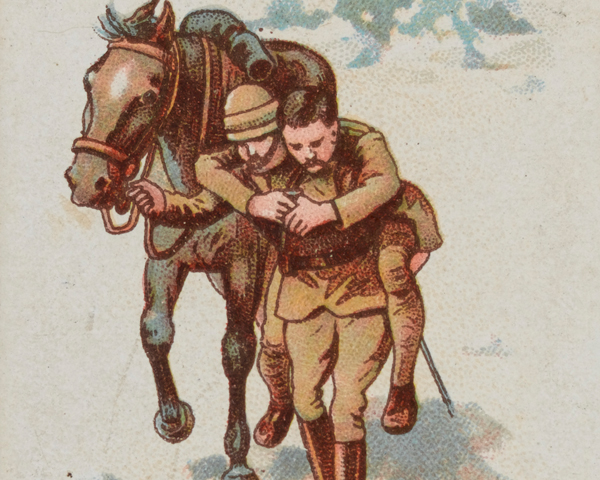
The training he gave the unit proved invaluable when it too was posted to the Boer War (1899-1902). It formed part of the force besieged in Ladysmith and went on to fight in several other engagements, including Elandslaagte (1899).
World War
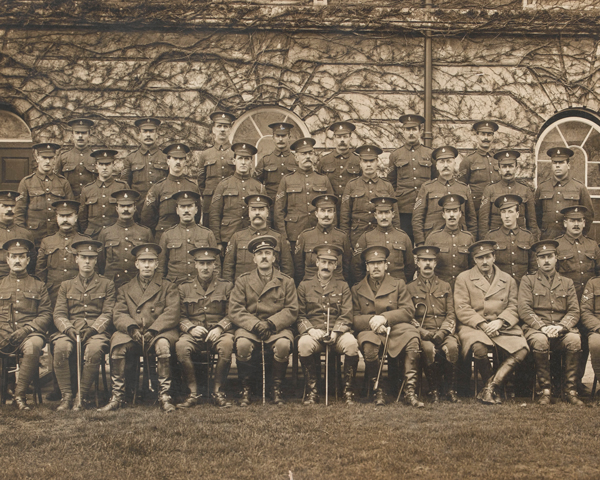
The regiment landed in France in August 1914 and remained on the Western Front throughout the First World War (1914-18). It served as dismounted troops for all but a few months at the start and end of the conflict.
The unit captured or killed over 700 Germans during an attack on soldiers disembarking from a troop train at Harbonniers in August 1918. It spent the immediate post-war period in Palestine.
Legacy
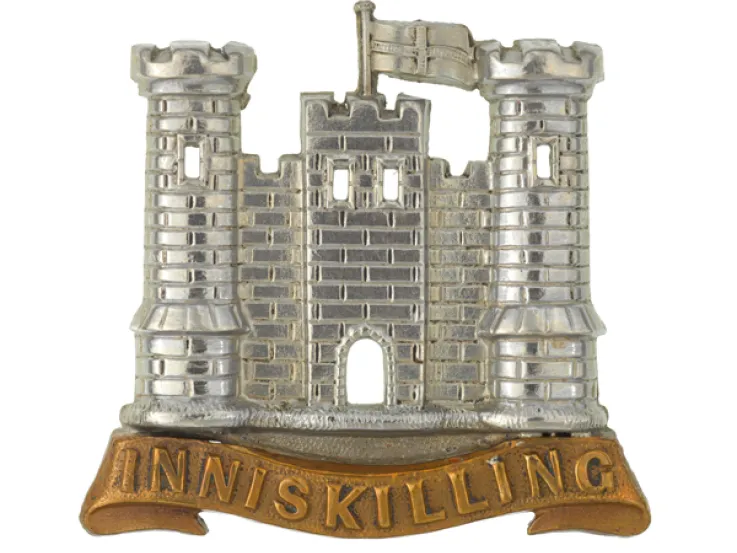
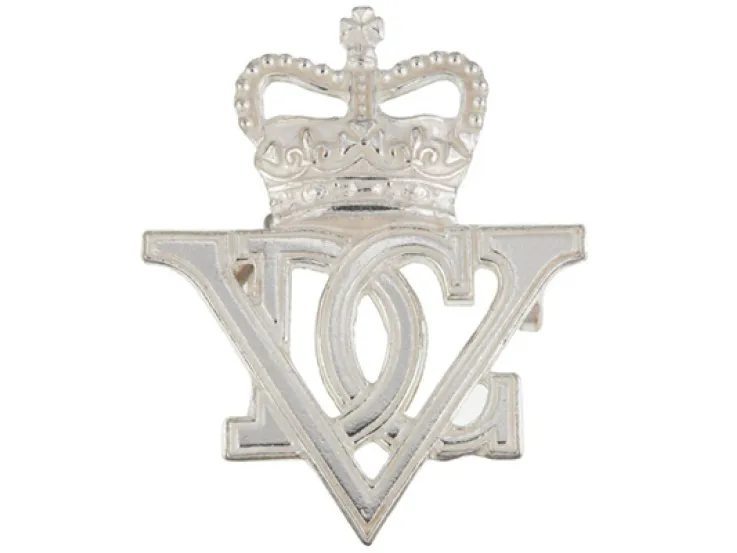
In 1922, the 5th Dragoon Guards merged with The Iniskillings (6th Dragoons) to form the 5th/6th Dragoons. In 1927, this became the 5th Inniskilling Dragoon Guards.
Regimental museums
The National Army Museum works with a network of Regimental and Corps Museums across the UK to help preserve and share the history and traditions of the Army and its soldiers.
Discover more about the 5th Dragoon Guards by visiting York Army Museum.