Origins
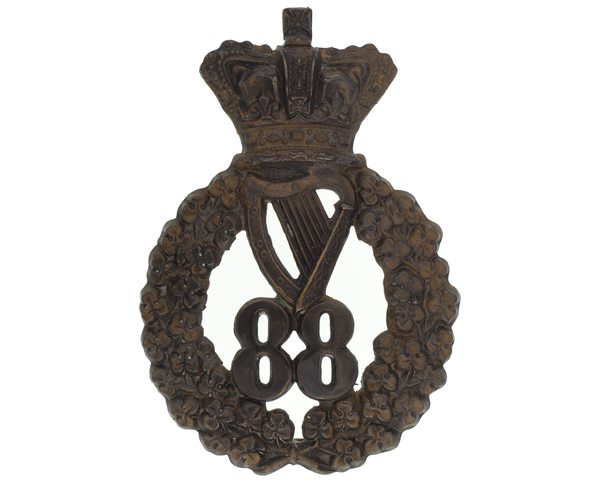
The 88th Regiment was raised in 1793 in the province of Connaught by an Irish nobleman, John de Burgh, 13th Earl of Clanricarde. The following year, it was shipped to the Low Countries during the French Revolutionary Wars (1793-1802).
In 1795, it was deployed to the West Indies, but only two companies arrived after the rest were lost in a storm. The regiment re-formed in Jersey in 1796 and, four years later, it moved to India and Ceylon (now Sri Lanka).
Next, it deployed to Egypt in 1801, where it spent two years. The regiment raised a 2nd Battalion in 1805.
Napoleonic Wars
In 1806, 1st Battalion was assigned to the Buenos Aires invasion force. It was stuck on board ship for months until its arrival in July 1807. Unprepared for the urban warfare it faced there, it had to surrender and only got back to England in November 1808.
The 1st Battalion was next deployed to the Peninsular War (1808-14) in 1809, where it was joined a year later by 2nd Battalion. Their engagements included Talavera (1809), Bussaco (1810), Sabugal (1811) and Fuentes de Oñoro (1811).
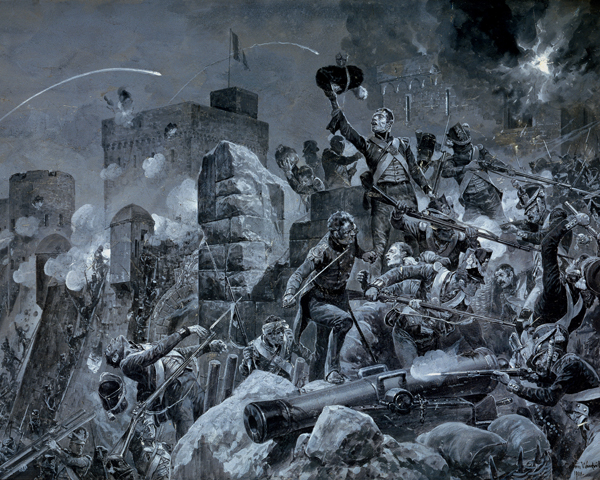
The heavy losses sustained by 2nd Battalion meant it had to return to Ireland in 1811 to re-recruit. It remained there until its disbandment in 1816. Meanwhile, 1st Battalion went on to fight at Ciudad Rodrigo (1812), Badajoz (1812), Salamanca (1812), Burgos (1812), Vitoria (1813), Nivelle (1813), Nive (1813) and Orthes (1814).
In 1814, 1st Battalion was sent to Upper Canada to defend the frontier against American invasion during the War of 1812 (1812-15). It was recalled to Europe after Napoleon’s escape from Elba, but arrived too late for Waterloo and spent 1815 serving as occupation troops in France.
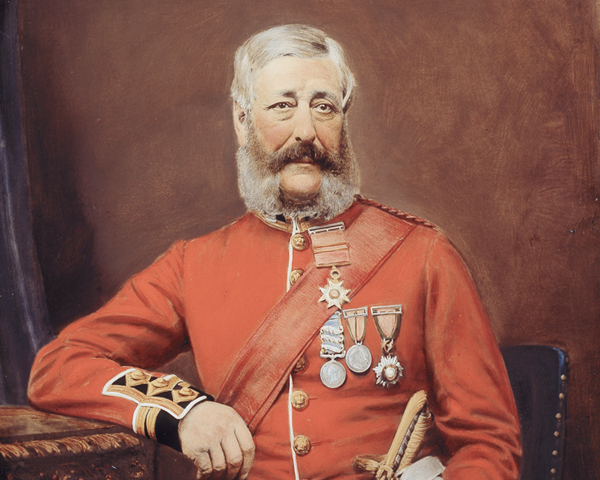
Victorian era
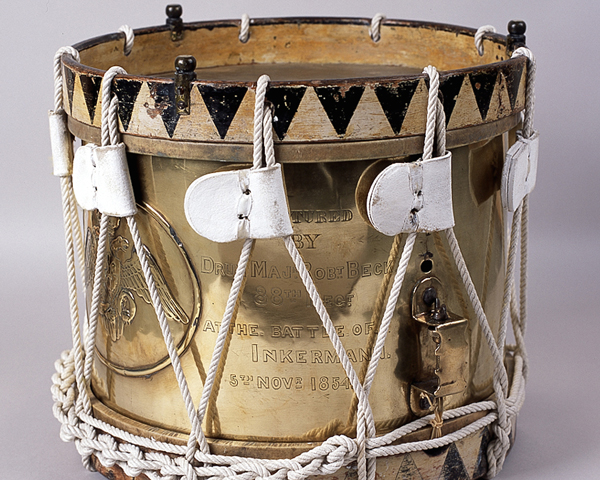
Four decades of garrison duties followed in Britain, Ireland, Malta, the Ionian Islands, the West Indies and Nova Scotia. It then deployed for the Crimean War (1854-56), seeing action at the Alma (1854), Inkerman (1854) and the Siege of Sevastopol (1854-55).
It also fought in the Central India campaign during the Indian Rebellion (1857-59), remaining on the subcontinent until 1870. After a period of home service, the regiment moved to South Africa to fight in the Ninth Xhosa War (1877-79) and then the Zulu War (1879).
Legacy
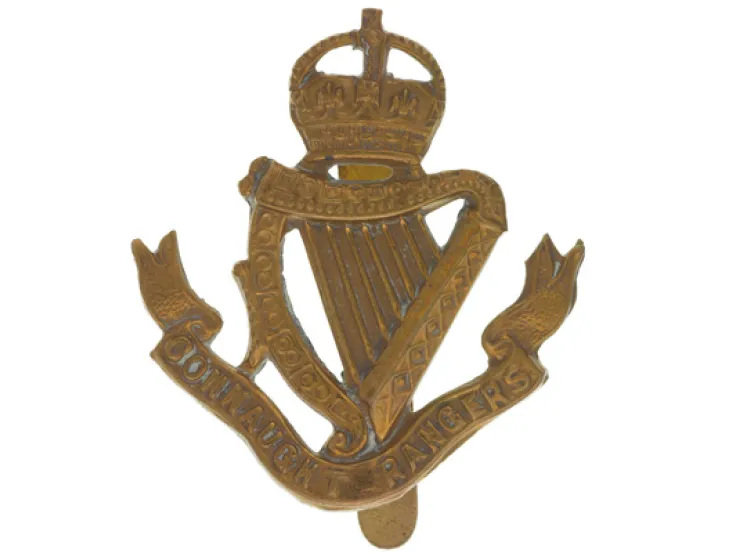
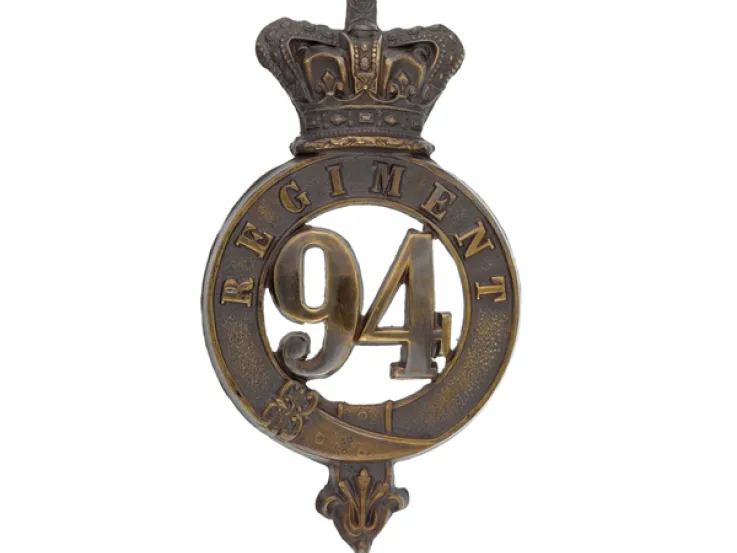
In 1881, it was merged with the 94th Regiment of Foot to form The Connaught Rangers, becoming the senior of the new unit’s two battalions.
Quiz
Which of the following was a nickname of the 88th Regiment?
The Connaught Footpads was a name given to the regiment by General Sir Thomas Picton for their alleged propensity for plundering during the Peninsular War. He also called them The Devil’s Own for their ferocity and bravery in battle.