Origins
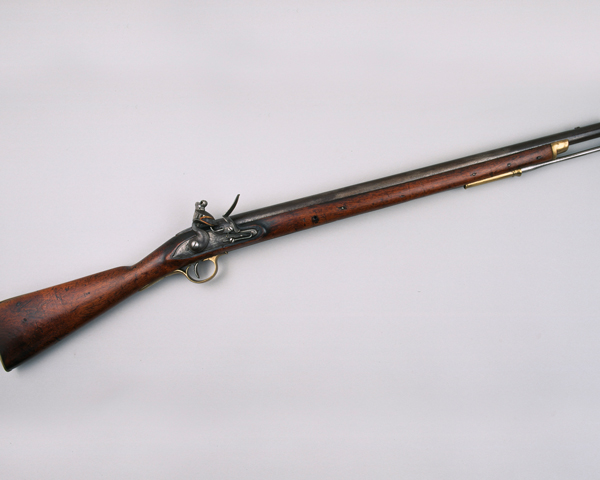
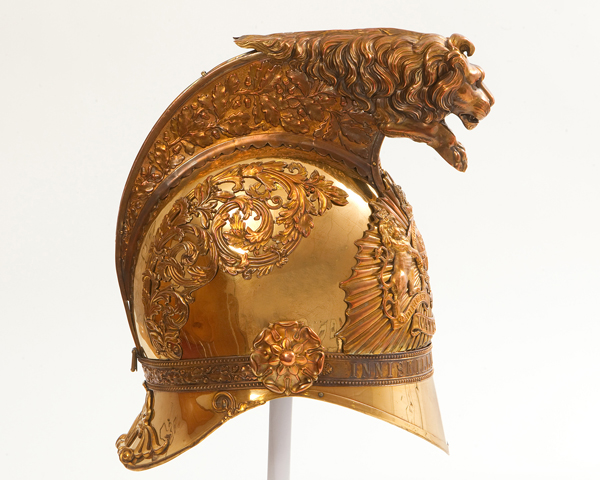
In 1688, William of Orange landed in Devon to seize the throne from his father-in-law, King James II. Protestants in the Irish town of Enniskillen formed several regiments of cavalry to support William's cause. These were merged into a single unit in June 1689, just three months after the newly deposed James had landed in Ireland to rally his mainly Catholic followers.
This new regiment was named Sir Albert Cunningham’s Regiment of Dragoons, after its first colonel. It immediately went to relieve Derry, before linking up with William’s invasion force under Marshal Schomberg, which had landed in August 1689. It served as William's bodyguard at the Battle of the Boyne (1690) and also fought at Aughrim (1691).
Deployments
Until 1742, the regiment generally stayed in Ireland. However, it deployed to Scotland in 1715 to help suppress the First Jacobite Rebellion, charging at Sherrifmuir.
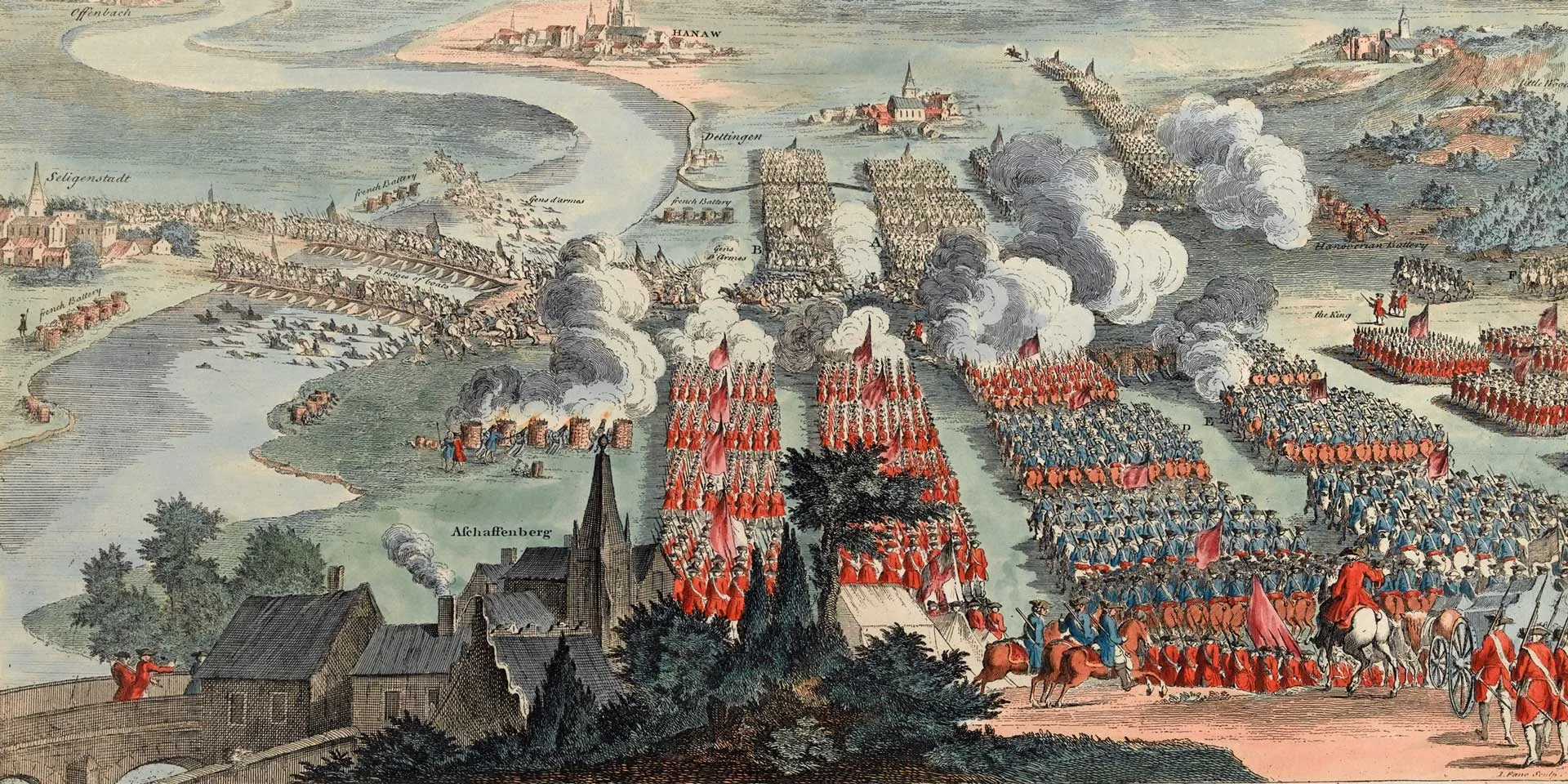
It was sent to Europe in 1742 for the War of the Austrian Succession (1740-48), fighting at Dettingen (1743) and Fontenoy (1745), and taking part in the decisive cavalry charges at Lauffeld (1747).
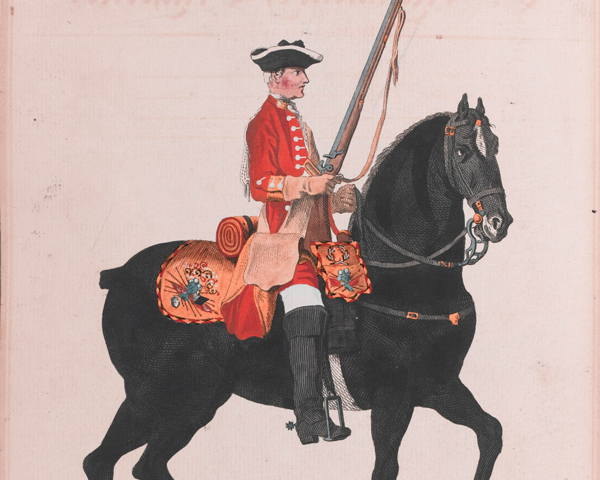
During the Seven Years War (1756-63), it fought at Minden (1759) and Warburg (1760), as well as joining several raids on the French coast. This period also saw it gain the designation 6th (Inniskilling) Dragoons in 1751.
Revolutionary and Napoleonic Wars
In 1763, the regiment began a 90-year period of garrison duties in the British Isles, frequently returning to Ireland from 1809 onwards. That period was only interrupted by two deployments to the Continent.
The first of these was a four-year spell in Flanders, the Netherlands and Germany from 1793, including service at Valenciennes (1793), Dunkirk (1793) and Willems (1794).
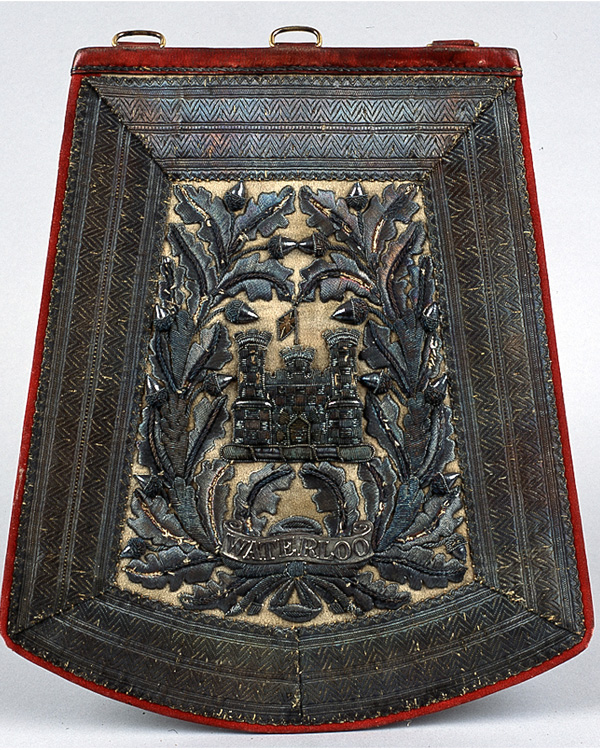
The second came in April 1815, when it was rapidly embarked for Belgium following Napoleon's escape from Elba. In June that year, it was part of the decisive heavy cavalry charge by the Union Brigade at Waterloo.
Quiz
Which famous polar explorer served with The Inniskillings?
Oates served with the regiment during the Boer War and was even recommended for the Victoria Cross. In 1910, he joined Scott's Terra Nova Expedition and died during the return from the South Pole in 1912. Aware that his ill health was compromising his three companions' chances of survival, he sacrificed himself, telling them: 'I am going out; I may be some time.'
Victorian wars
The unit’s long garrison service finally came to an end in 1854, when it was sent to the Crimean War (1854-56). It lost all its horses en route when a fire broke out on a troopship, but still managed to take part in the charge of the Heavy Brigade at Balaklava (1854).
Next, it took on peacekeeping roles in India in 1857 after the Mutiny (1857-59), and in South Africa in 1880 after the Zulu War (1879).
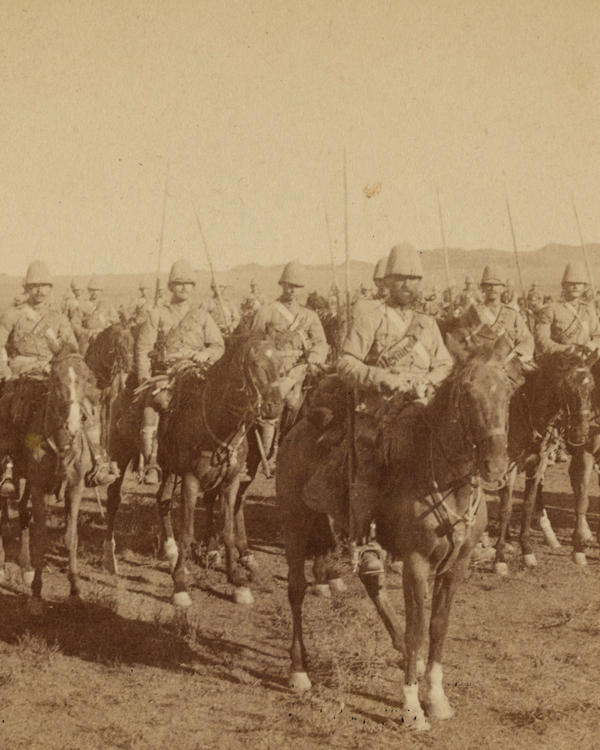
It fought as mounted infantry in the Boer War (1899-1902), taking part in the Relief of Kimberely (1900) and the anti-guerrilla operations at the end of the conflict.
Legacy
The regiment was based in Britain from 1919 until 1922, when it was amalgamated with the 5th Dragoon Guards (Princess Charlotte of Wales's) to form the 5th/6th Dragoons.
Regimental museums
The National Army Museum works with a network of Regimental and Corps Museums across the UK to help preserve and share the history and traditions of the Army and its soldiers.
Discover more about the 6th (Inniskilling) Dragoons by visiting the Inniskillings Museum at Enniskillen Castle.