Early career
Gerald Templer (1898-1979) joined the British Army in 1916. He served on the Western Front with the Royal Irish Fusiliers during the later stages of the First World War.
In the inter-war period, he served in Palestine during the Arab insurgency, and also found time to make the 1924 Olympic squad as a 120-yard hurdler.
Second World War
In 1940, Templer went to France as an intelligence officer on the staff of the British Expeditionary Force. After the Dunkirk evacuation, he oversaw the raising of the 9th Battalion of the Royal Sussex Regiment. He then commanded a brigade in a Home Service division.
In 1942, Templer was given command of the 47th Division as a major-general. Shortly after, he commanded II Corps as the Army's youngest lieutenant-general.
Italy and Germany
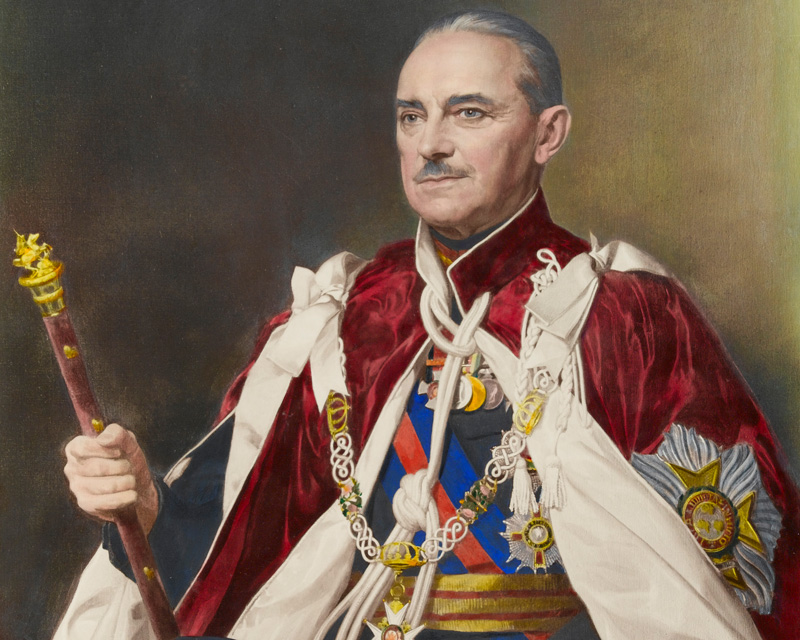
In 1943-44, Templer commanded the 56th Division in Italy, which saw severe fighting in operations around Anzio. He briefly commanded the 6th Armoured Division before being wounded by a land mine in mid-1944.
He spent the rest of the war on intelligence duties with 21st Army Group HQ as well as heading the German Directorate of the Special Operations Executive.
After the war, he served as Director of Military Government in occupied Germany before being appointed Director of Military Intelligence at the War Office in 1946.

Malaya
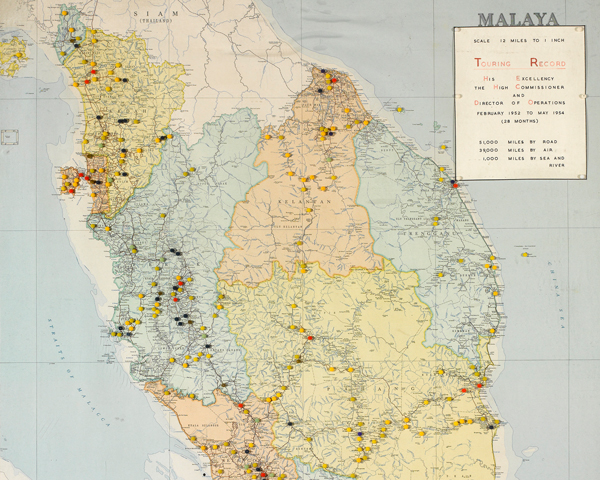
Templer’s most important achievements came towards the end of his military career. After a spell in charge of Eastern Command, he was sent to Malaya in February 1952 - following the assassination of the local High Commissioner - to assume control of both the civil government and military operations. He faced a communist insurgency led by the Malayan National Liberation Army.
Hearts and minds
Templer combined vigorous military operations against the insurgents’ jungle bases with political reforms designed to win the ‘hearts and minds’ of the racially divided Malayan community. Indeed, Templer is credited with coining this phrase.
He continued his predecessors’ policy of building new settlements for the marginalised Chinese population and promised independence once the guerrillas had been defeated. This won him the support of many nationalists.

‘The answer lies not in pouring more soldiers into the jungle, but in the hearts and minds of the Malayan people… The shooting side of this business is only 25 percent of the trouble and the other 75 lies in getting the people of this country behind us.’General Sir Gerald Templer — 1952
Local involvement
He also involved the local population in the fight against the guerrillas, increasing the number of Malay battalions and strengthening the Home Guard raised to defend the new villages. These measures helped unite the population against the insurrection.
Templer's progress led ‘Time’ magazine to dub him 'the smiling tiger' and to declare ‘the jungle has been stabilised’ by the end of 1952.
Victory
The campaign was a striking success. It is still studied today as a model of how such operations should be conducted.
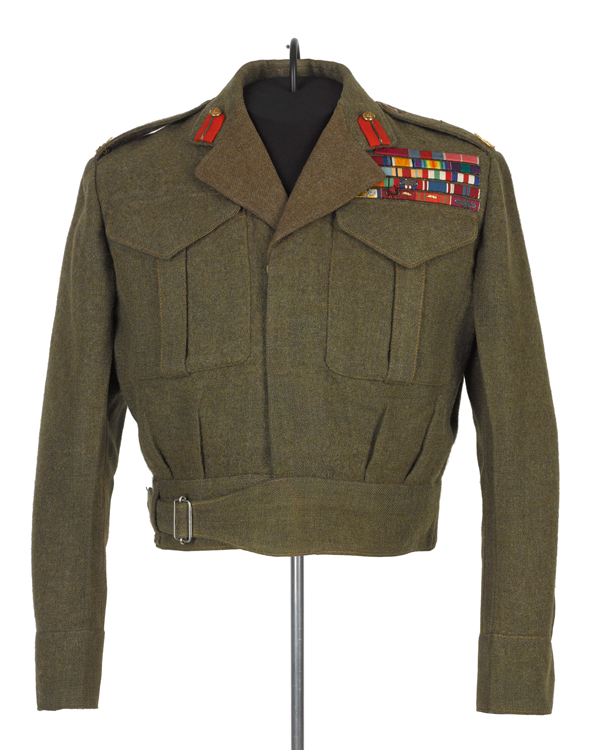
When Templer relinquished his post in October 1954, government control over most of the country had been re-established. He was appointed Chief of the Imperial General Staff in 1955, and created a field marshal in 1956.
Museum founder
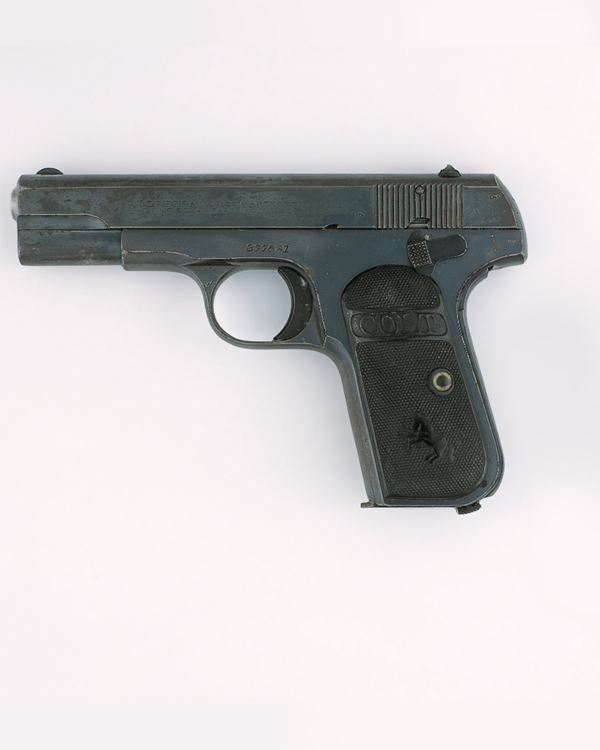
After retiring from active service in 1958, Templer threw his energies into the creation of the National Army Museum. Always passionately interested in the history and traditions of the British Army, it was largely through his efforts that the institution was originally founded and that most of the money for the museum’s main building in Chelsea was later raised.
The Templer Study Centre, the Museum's study and research space, is named in his honour.
Explore further
1918: Year of victory
Defeat in the West
Victory in Europe
Malayan Emergency