Background
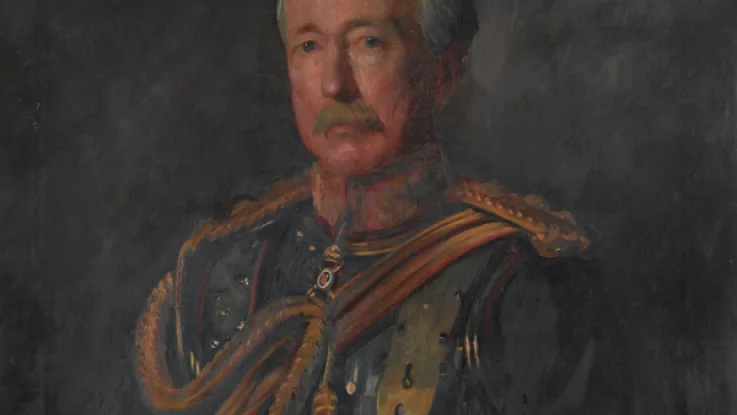
Following the Battle of the Alma in September 1854, British, French and Ottoman forces had begun to besiege the Russian naval base of Sevastopol. The siege lines, running back to their base at Balaklava harbour, went through two valleys and a ridge, and were vulnerable.
Seeking to take advantage of this, the Russians planned to break the British lines and then capture the base.

Battle commences
The Russian commander, General Pavel Liprandi, started the battle by launching an assault to the north-east of Balaklava.
His forces seized a series of Turkish positions on the heights overlooking the road between Balaklava and the Allied siege lines at Sevastopol. At the same time, they took several British naval guns positioned on the high ground.
In response, the British commander, Field Marshal Lord Raglan, ordered some of the troops attacking Sevastopol to leave their lines and support the outnumbered defenders.

The Thin Red Line
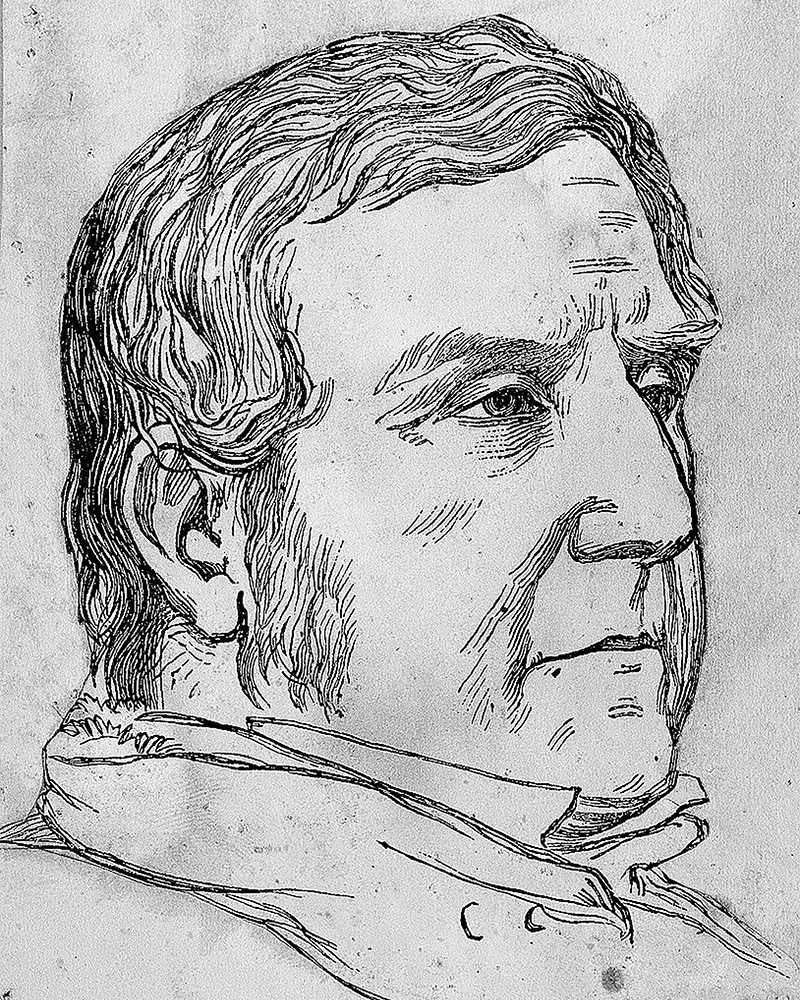
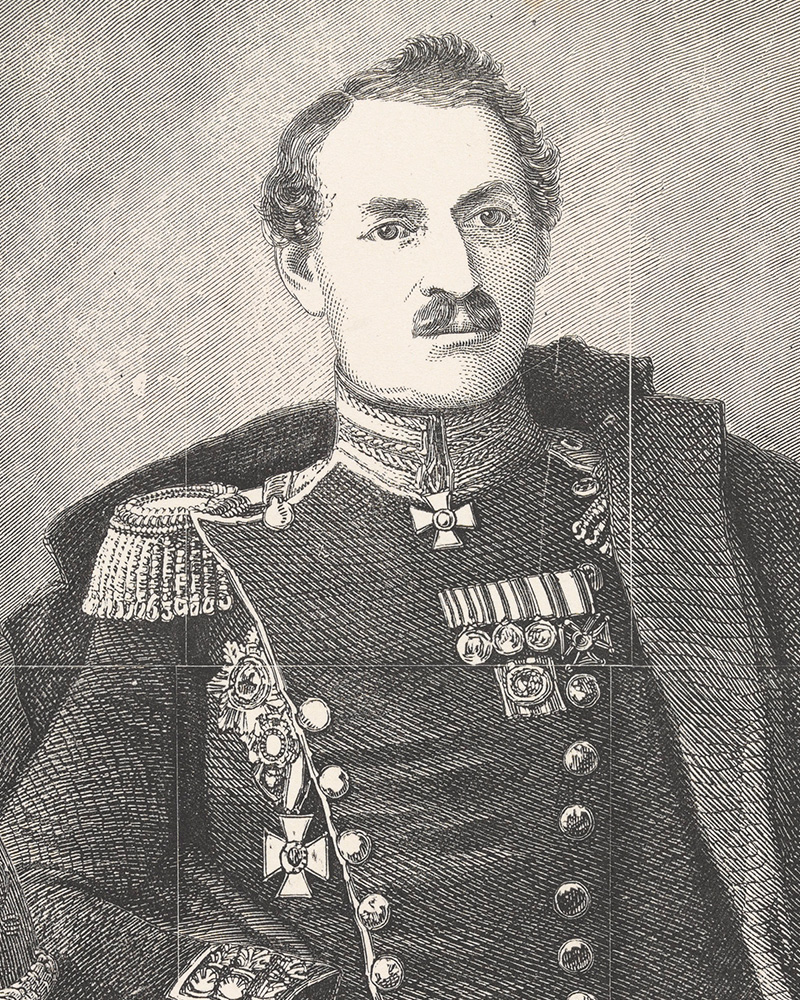
The Russian cavalry charged on Balaklava, but their route was blocked by the 93rd (Highland) Regiment of Foot. Traditionally, infantry facing a charge would form a square, four lines deep. But the Highlanders took an unconventional approach, making two lines instead.
In the face of the oncoming Russian horses, the Highlanders' commander, Major-General Sir Colin Campbell, told his troops: ‘There is no retreat from here, men. You must die where you stand.’ They fired two disciplined volleys at the advancing enemy, which turned the Russians back.

‘They dashed on towards that thin red streak tipped with steel.’Journalist William Howard Russell, watching the battle — 1854

Charge of the Heavy Brigade
The Heavy Brigade, moving up to support the Highlanders, then intercepted the retreating Russian cavalry.
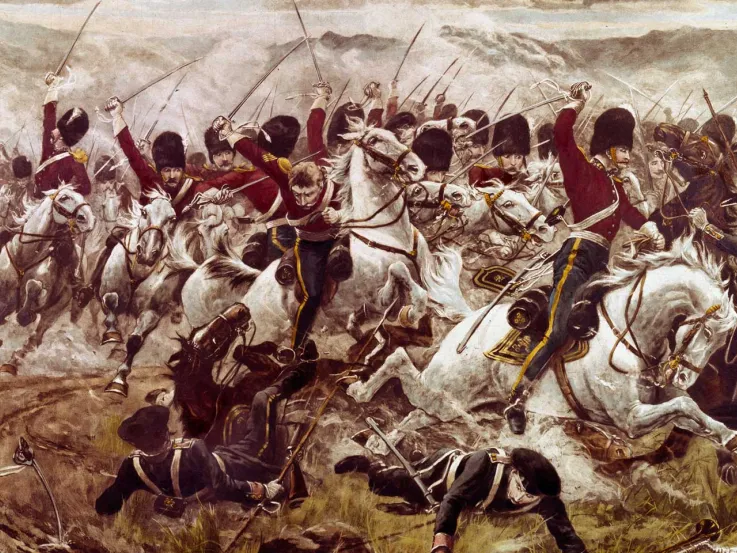
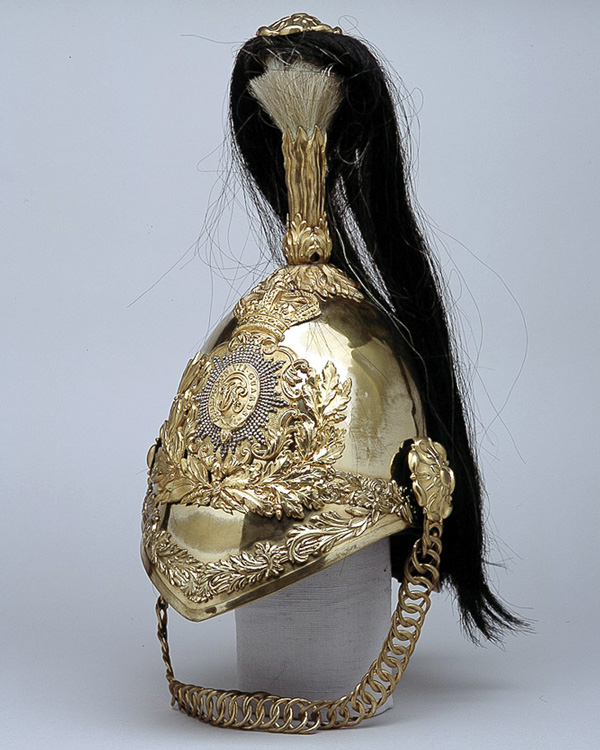
The 800 British horsemen were hugely outnumbered by the 3,000-strong Russian cavalry. But seeing their enemy halted and vulnerable to attack, they charged uphill all the same. Their advance was little faster than a trot and only lasted 10 minutes, but it sent the Russian horsemen into disorder.
‘I got a crack on the head in one charge but the brass pot stood well, and my head is only slightly bruised.’Major William Charles Forrest after the Charge of the Heavy Brigade — 1854
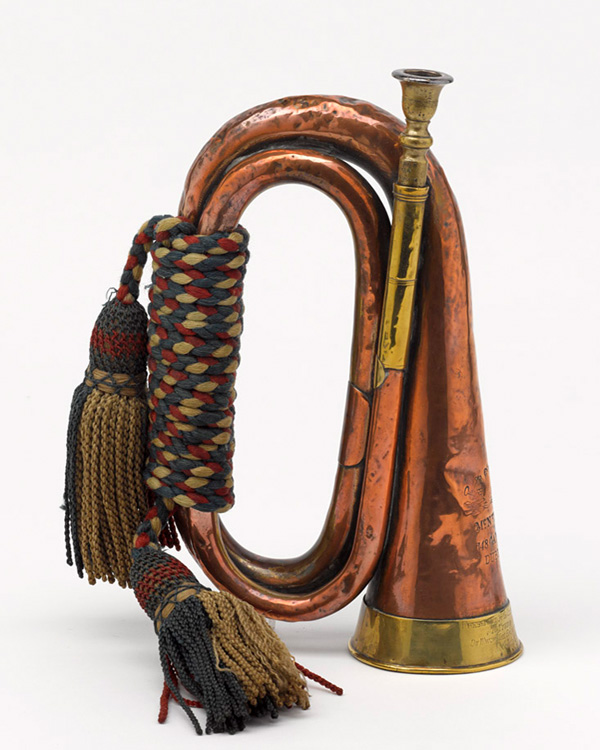
‘Cavalry to advance rapidly to the front’
To prevent the Russians moving the guns they had captured earlier, Lord Raglan issued an order to the Light Brigade to go and retrieve them. He was still waiting on reinforcements from Sevastopol to arrive, so the light horsemen were the only troops available to him.
But the cavalry commanders, who lacked Raglan’s view of the battlefield, were uncertain as to which guns his order referred to. What’s more, all they could see was a Russian artillery battery at the end of a heavily defended valley.
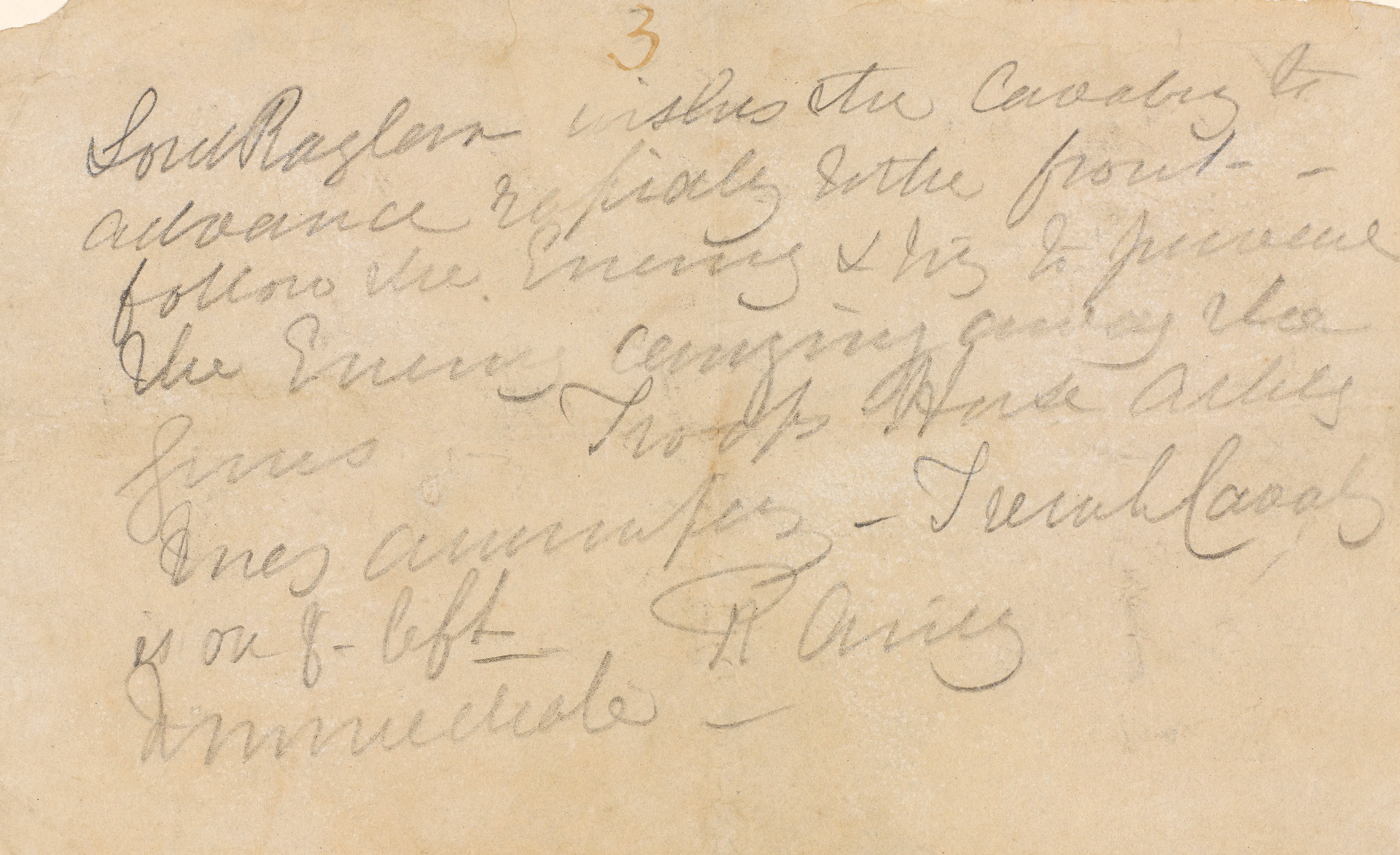
‘Lord Raglan wishes the cavalry to advance rapidly to the front, follow the enemy and try to prevent the enemy carrying away the guns. Troop Horse Artillery may accompany. French cavalry is on your left. Immediate. R. Airey’Order which launched the Charge of the Light Brigade — 1854

Charge of the Light Brigade
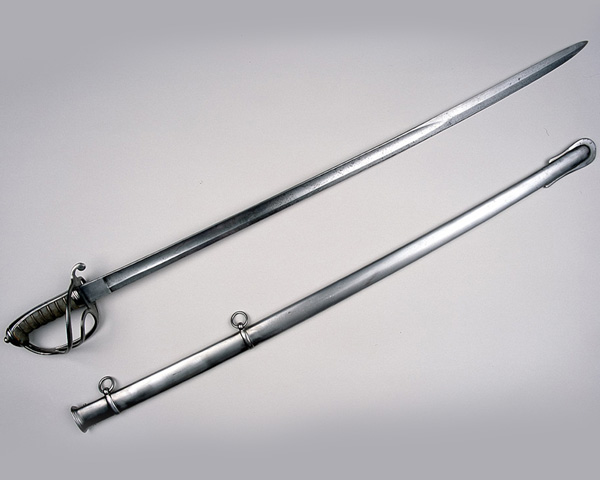
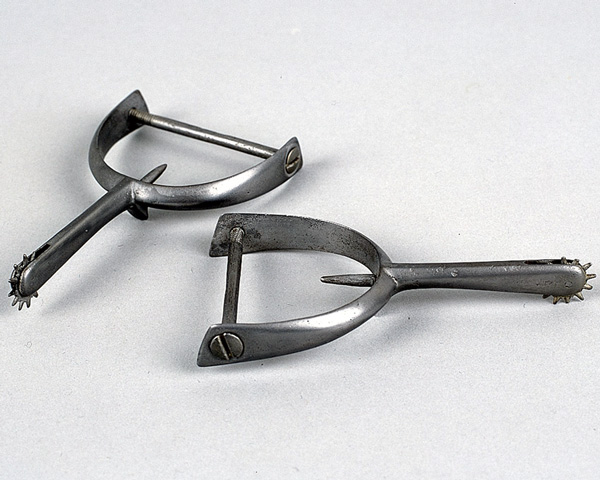
In response to their orders, the Light Brigade began their charge, but at the wrong gun batteries. They galloped through Russian artillery fire from three sides and on into the ‘Valley of Death’ suffering heavy losses in the process.
Some of the horsemen succeeded in reaching the Russian guns at the end of the valley, and even drove the men operating them into retreat before charging the Russian cavalry beyond.
‘We advanced down a gradual descent of more than three-quarters of a mile, with the batteries vomiting forth upon us shells and shot, round and grape, with one battery on our right flank and another on the left, and all the intermediate ground covered with the Russian riflemen.’Lord Cardigan, recounting the Charge of the Light Brigade to Parliament — 1855

Retreat
After intense fighting, the remnants of the Light Brigade were forced to retreat from the guns. They made their way back through the ‘Valley of Death’ before reaching safety. Fortunately, their return was ensured by the French cavalry, who cleared the Russians from the north side of the valley.
Although the reinforcements from Sevastopol had now deployed and were ready to begin an assault on the heights, no further action was taken.
The battle ended in strategic stalemate, with the Russians controlling the heights and the road, but Balaklava still in Allied hands. Unfortunately, Russian possession of the road made supplying the forces besieging Sevastopol during a terrible winter much harder.
‘Forward, the Light Brigade! / Charge for the guns!’ he said. / Into the valley of Death / Rode the six hundred.Alfred, Lord Tennyson, The Charge of the Light Brigade — 1854
Dawn
The battle begins
9.15am
The Thin Red Line
9.30am
Charge of the Heavy Brigade
10.45am
‘Cavalry to advance rapidly to the front’
11.10am
The Charge of the Light Brigade
Midday
Retreat
Key fact
Around 260 men of the Light Brigade’s 673 were killed or wounded, and 475 horses were lost. Total British casualties were around 615. Russian casualties were about the same.

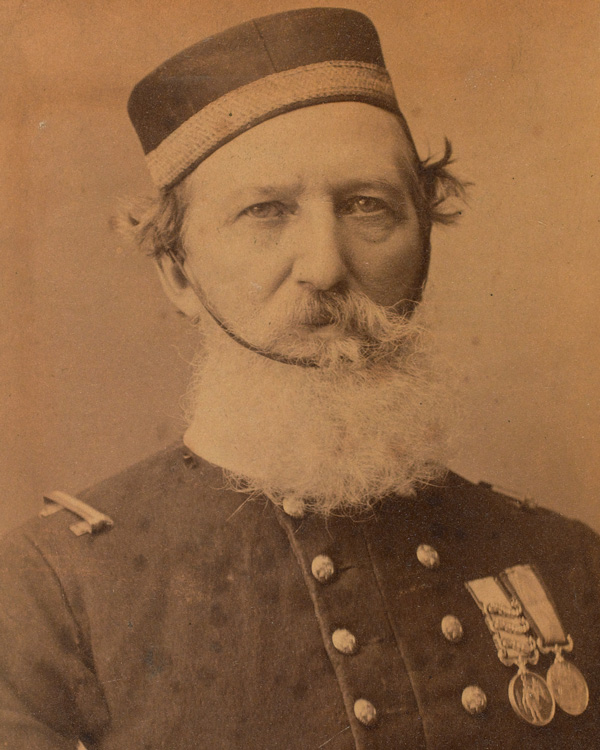
Survivor
Sergeant Frederick Peake (1828-1906) from Dublin was one of the survivors of the Light Brigade’s charge at Balaklava.
He was hit by cannon fire and suffered a broken arm during the battle. To treat the wound his coat had to be cut away. He treasured it for the rest of his life.
Like many Crimean veterans, Peake sought charitable support after the war.

Legacy
The loss of the Light Brigade was one of Britain’s most spectacular military disasters. It is remembered because of Alfred Lord Tennyson’s popular poem ‘The Charge of the Light Brigade’, written a few weeks after the battle.
Years later, Tennyson also wrote ‘The Charge of the Heavy Brigade’ to raise money for Crimean veterans, many of whom were living in poverty. For similar reasons Rudyard Kipling wrote ‘The Last of the Light Brigade’ in 1890 to raise awareness of the hardships faced by veterans.