Imperial trophies: Collecting on campaign during the reconquest of the Sudan

Join Nicholas Badcott as he shares his research into the trophies and souvenirs collected during the Sudan campaign of 1896-99.
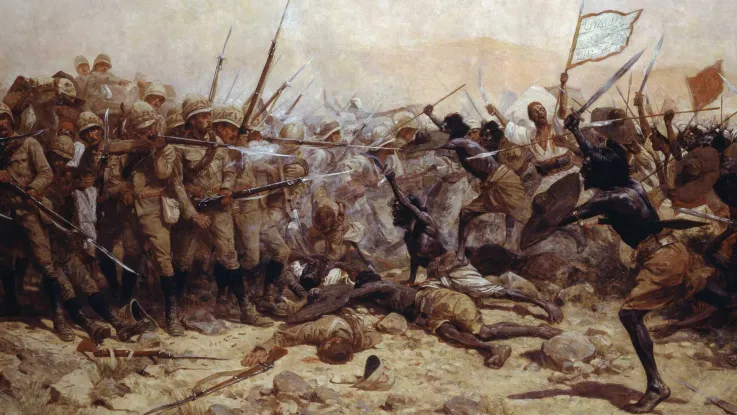
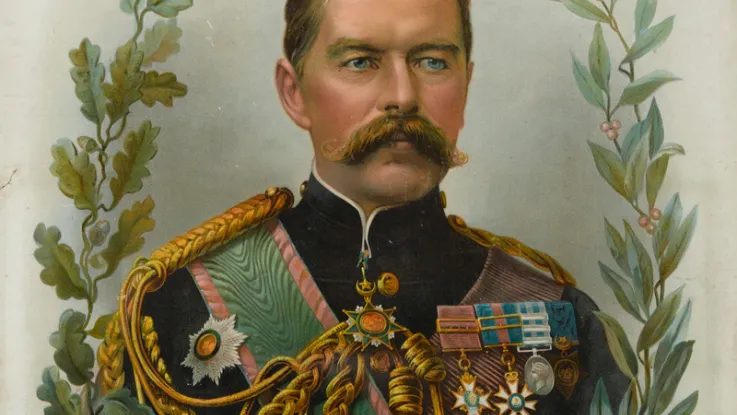
One hundred and twenty years ago, British and Egyptian forces united to wrestle back control of the Sudan from the followers of Mohammed Ahmed, the self-styled 'Mahdi' or 'guide'. Led by Major-General Herbert Kitchener, this Anglo-Egyptian army fought fierce battles at Atbara and Omdurman in 1898 that broke the power of the Mahdists.
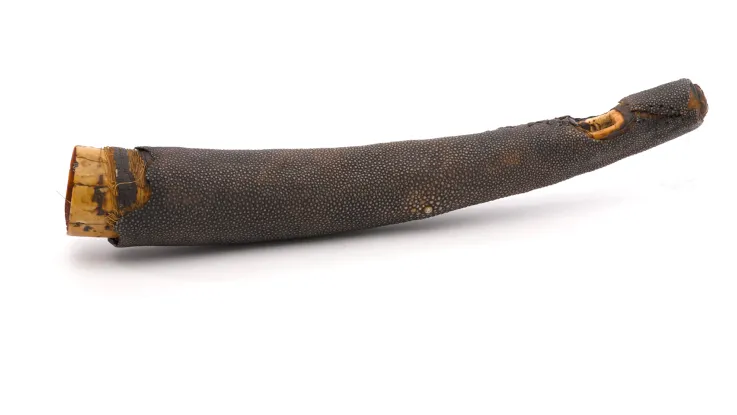
Thousands of objects were collected by the soldiers on campaign, from weapons, armour, banners, prayer beads and manuscripts to fragments of the Mahdi's tomb.
Letters, diaries and memoirs help to reveal the motivation for collecting these objects, as well as the challenges and difficult journeys faced as the objects travelled north to Egypt and onwards to Britain.