Last updated: 27 April 2012
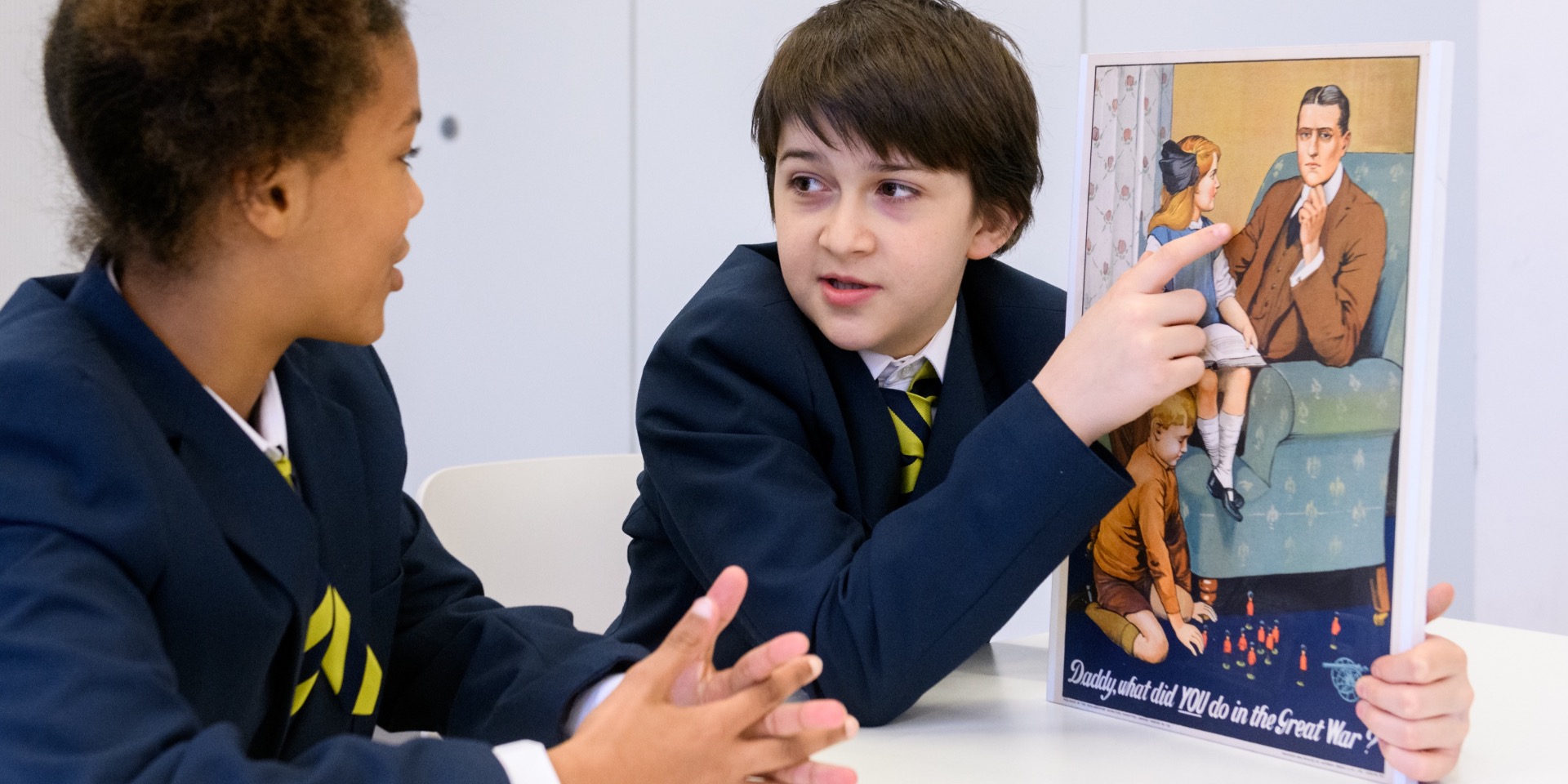
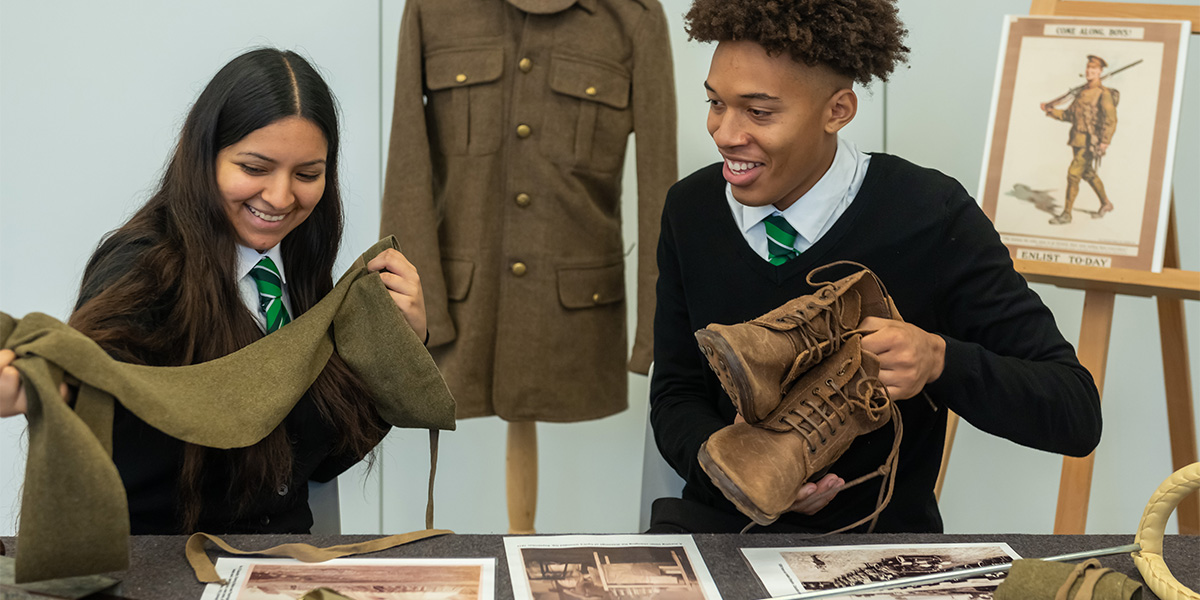
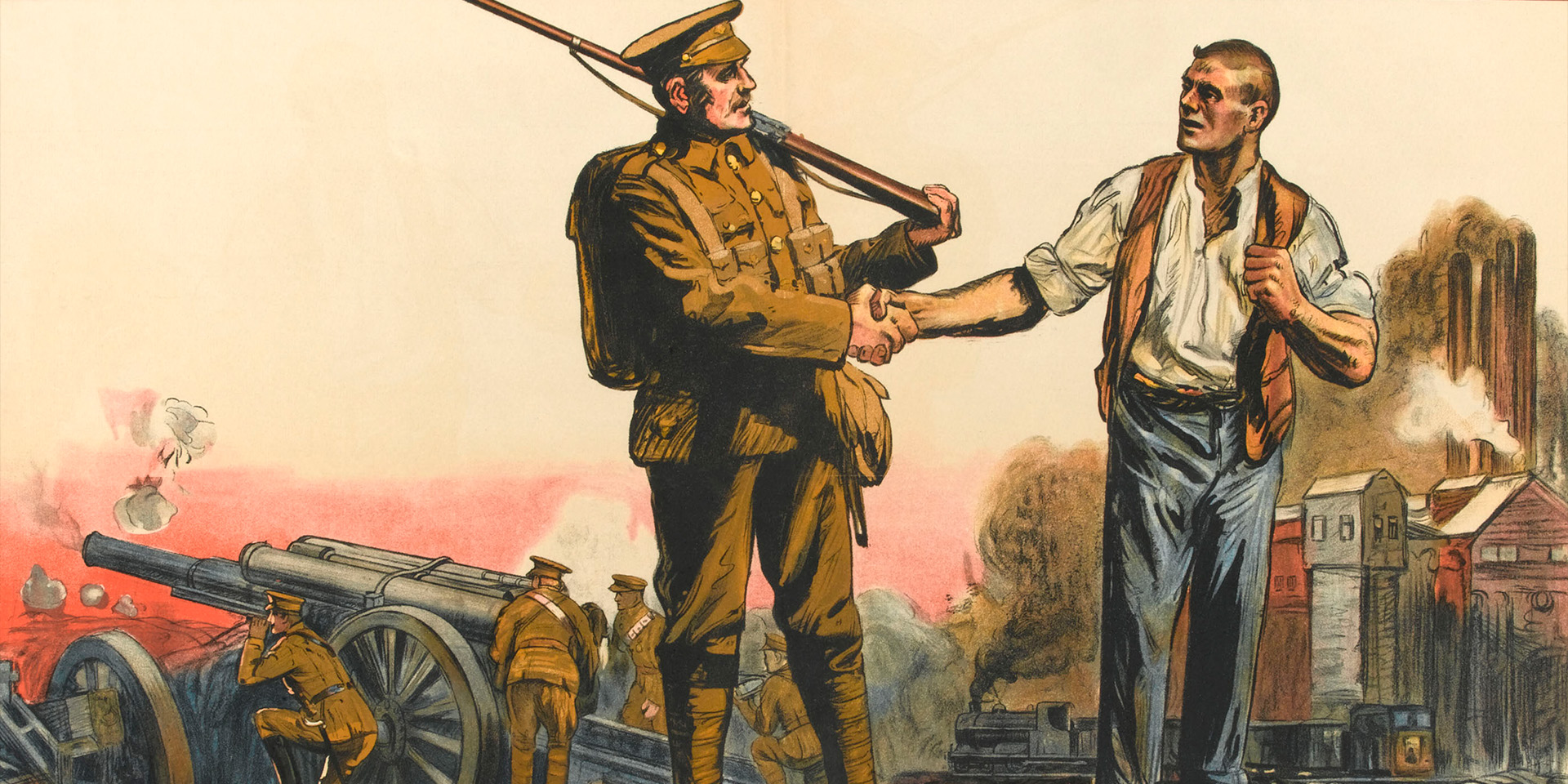
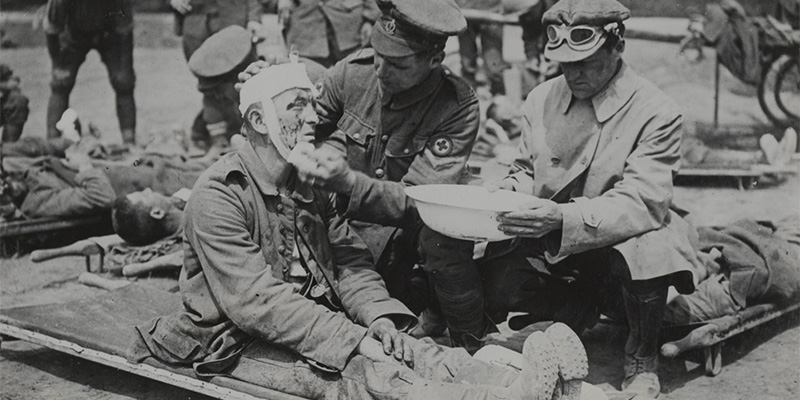
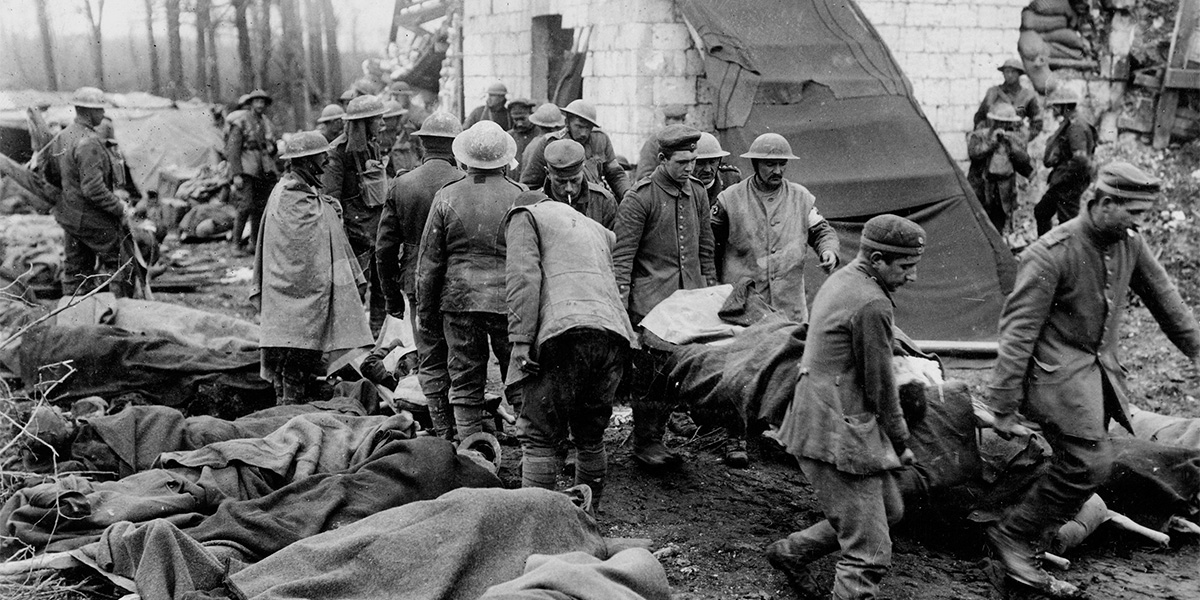
This gallery explores the role of the British Commonwealth's civilian armies and their defence of democracy during the First and Second World Wars, the era of 'Total War'.
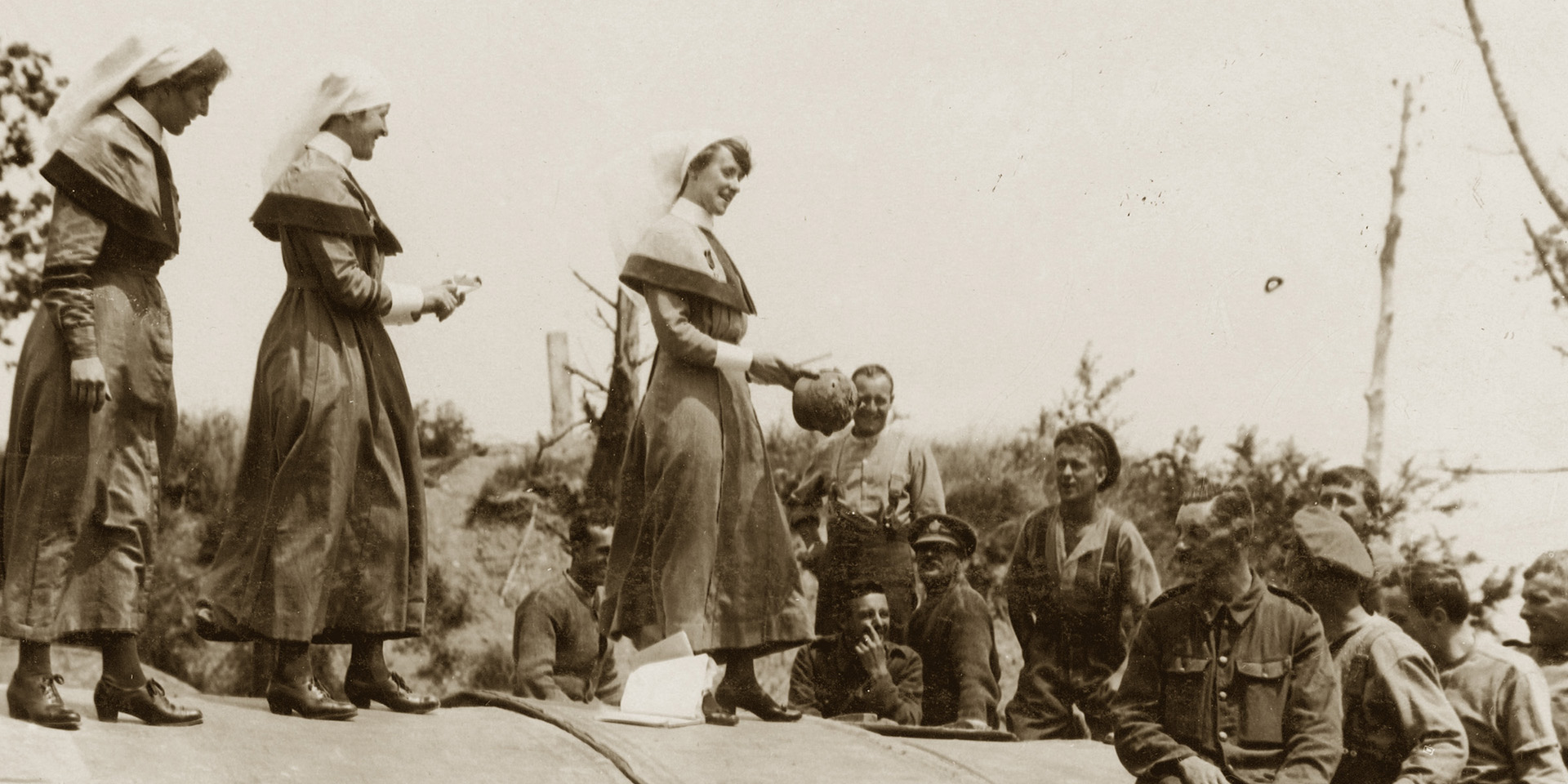
The two global conflicts of the 20th century witnessed attempts to harness the entire economic resources of modern industrial societies for war. Governments also mobilized citizenship and patriotism to a national war effort. Young men and women were conscripted into mass armies as part of their duty as citizens, but the remaining population was also expected to make personal sacrifices for the wars. They worked in industry or guarding the Home Front, thus blurring the distinction between civilian and soldier.
The two global wars offer a demonstration of the organization, strength, resilience and killing power of modern industrial states.
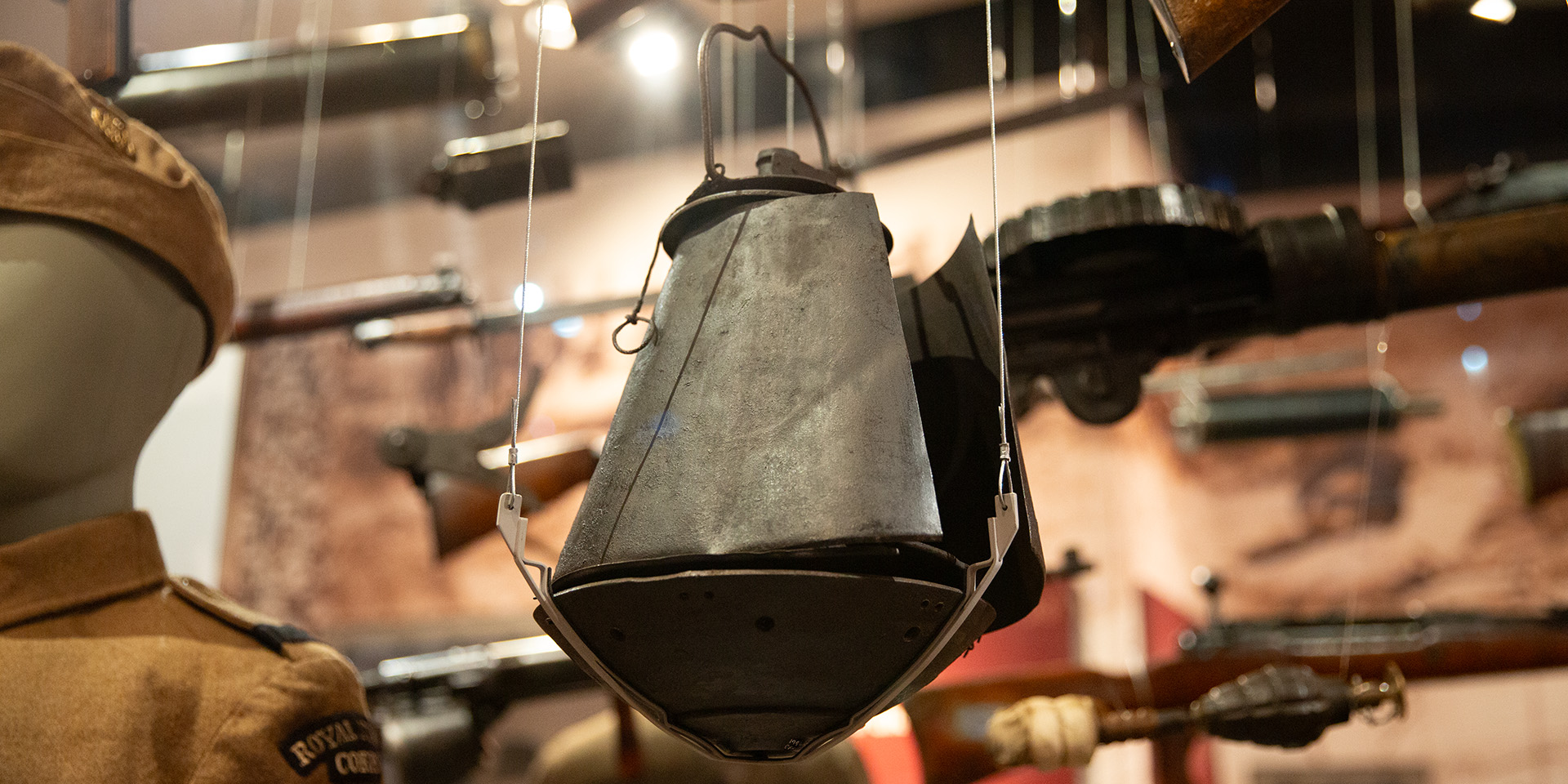
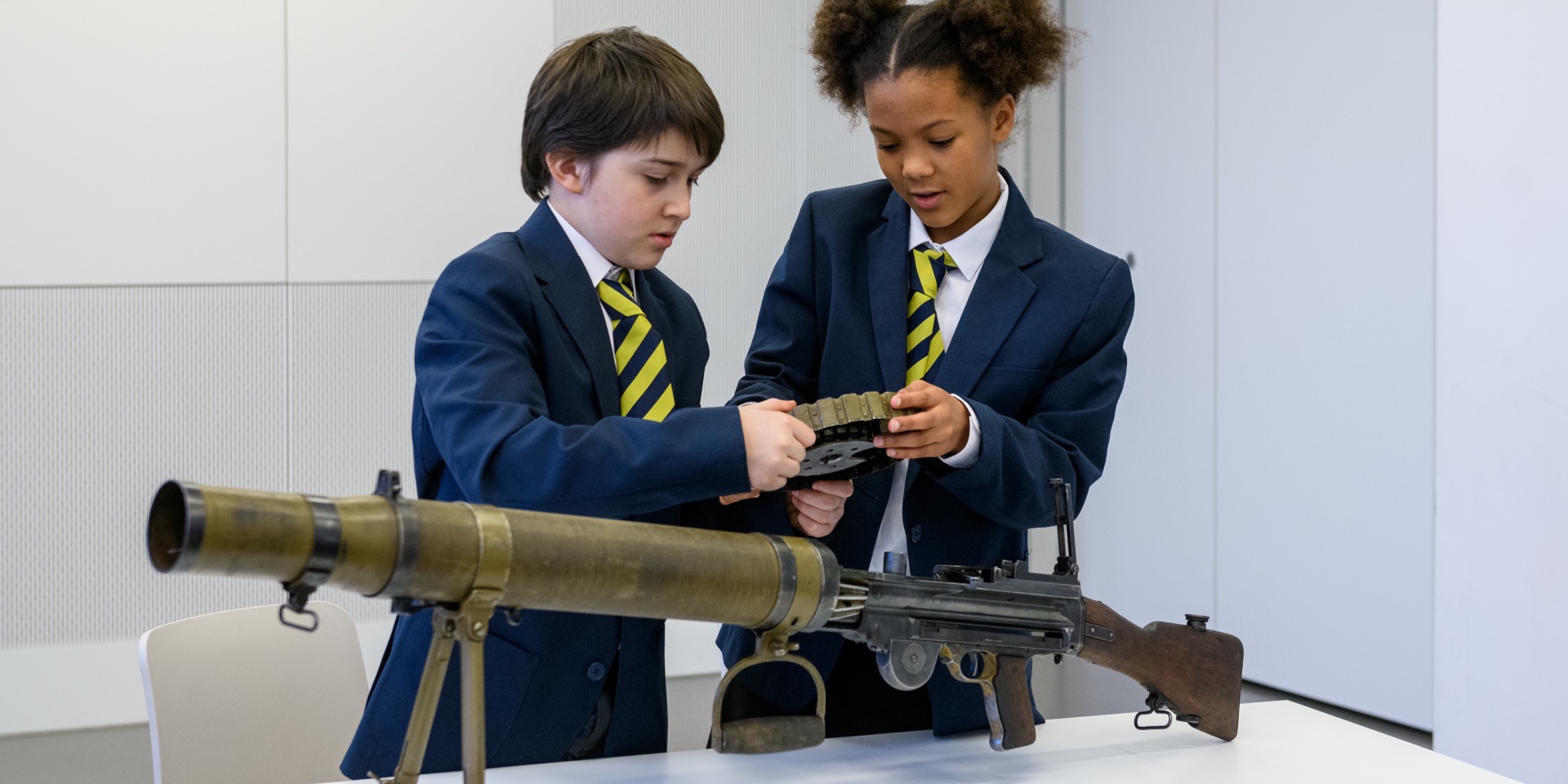
World War One (1914-18) installations include infantry soldiers from 1915 and 1917, a machine gun team, a trench periscope and reconstructed dug-out from 1917 and a full-scale replica of a tank.
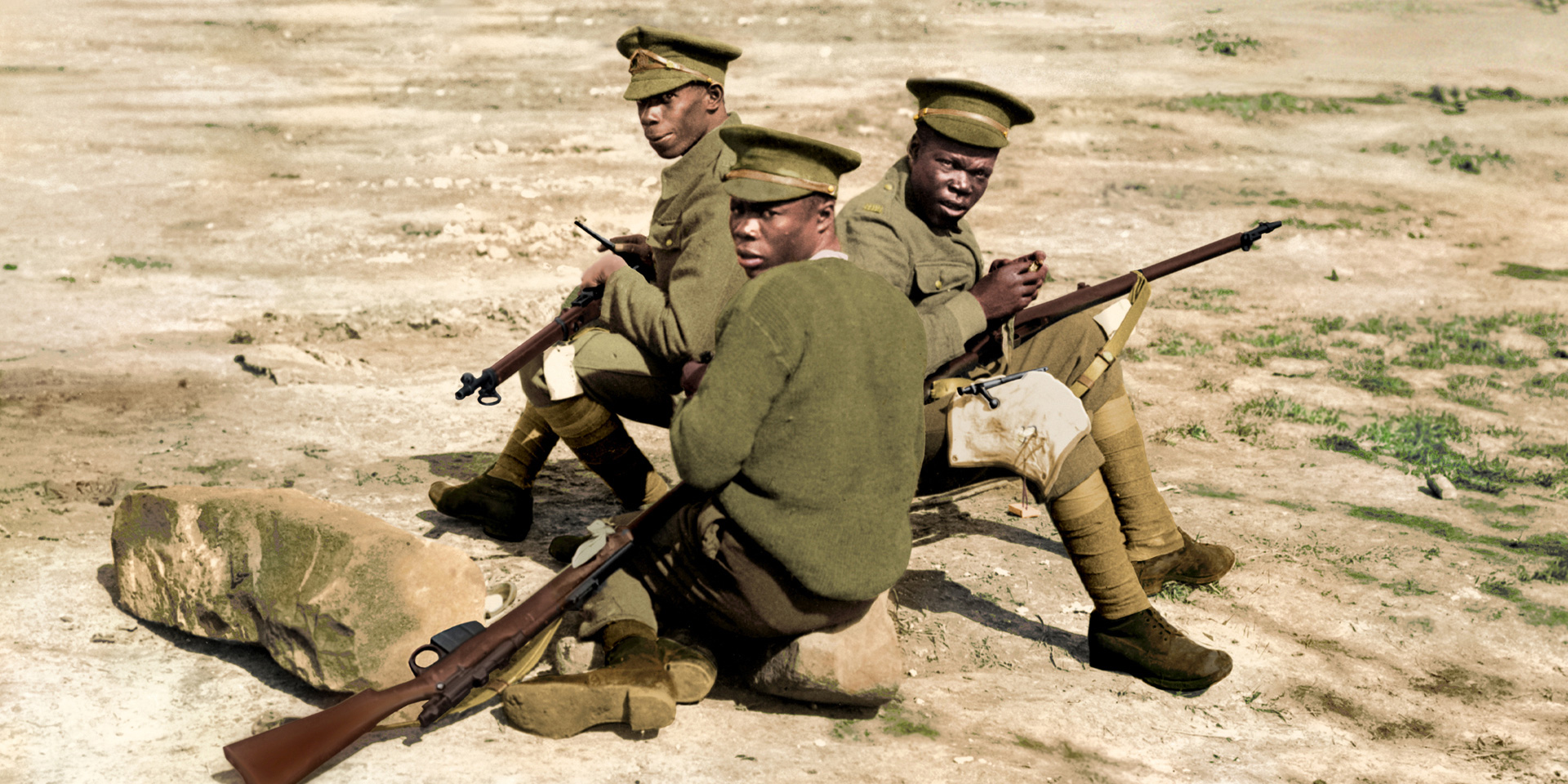
World War Two (1939-45) displays include a six-pounder anti-tank gun, a soldier of the 12th Nigerian Regiment manning a Vickers gun in Burma and a Universal Carrier being driven by a Sikh soldier.
The impact of war on the Home Front is also explored alongside technological developments and the contribution made by soldiers from across the Empire and Commonwealth. Both periods are brought to life with interactive audio-visual displays and archive film footage.
21 October 2011, 9.24pm
Am looking forward to
Am looking forward to visiting your web site in depth, as I'm unable to get to the museum due to disability.
Former Royal Marine but please hold that against me?
10 March 2012, 4.28pm
The website is very
The website is very interesting and we are looking forward to visiting the museum in the not too distant future.
Add your comment
Please note: By submitting a comment you are agreeing to the terms laid out in the National Army Museum's Rules for User Comments. Any views expressed in user comments do not necessarily reflect or represent the views of the National Army Museum or its staff.