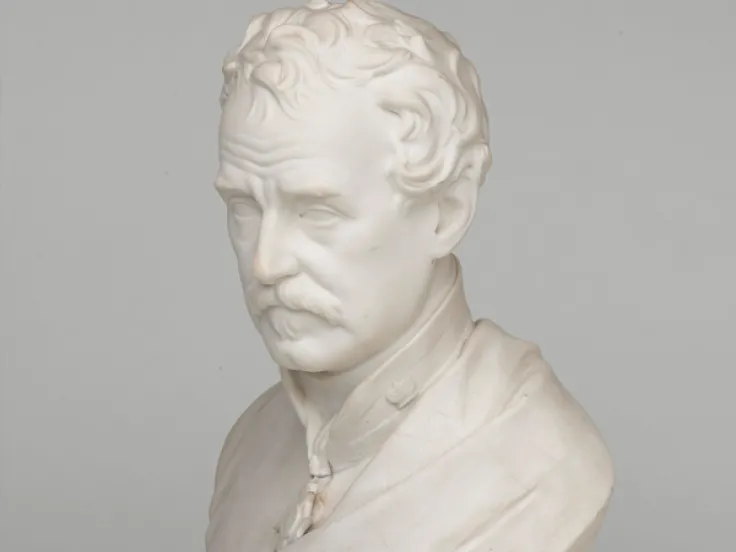
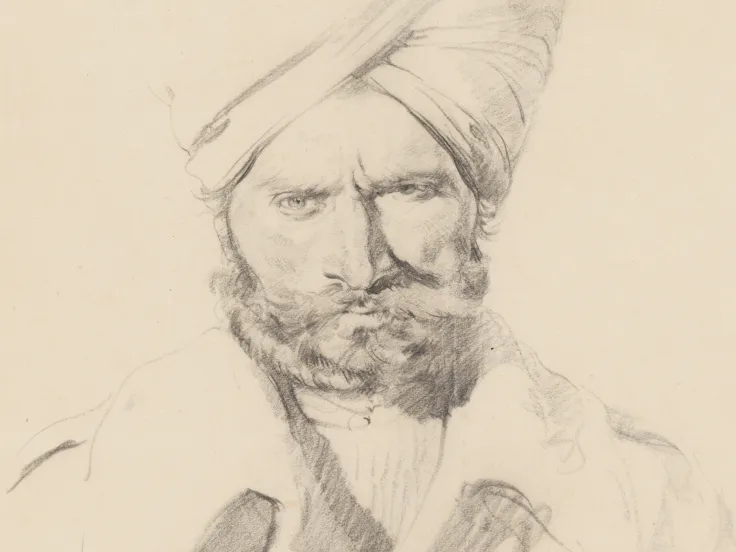
From humble beginnings, Field Marshal Sir Colin Campbell rose to lead the Highland Brigade in the Crimean War and was in command of the 'Thin Red Line' at Balaklava. He later led a relief army with great distinction during the Indian Mutiny of 1857.
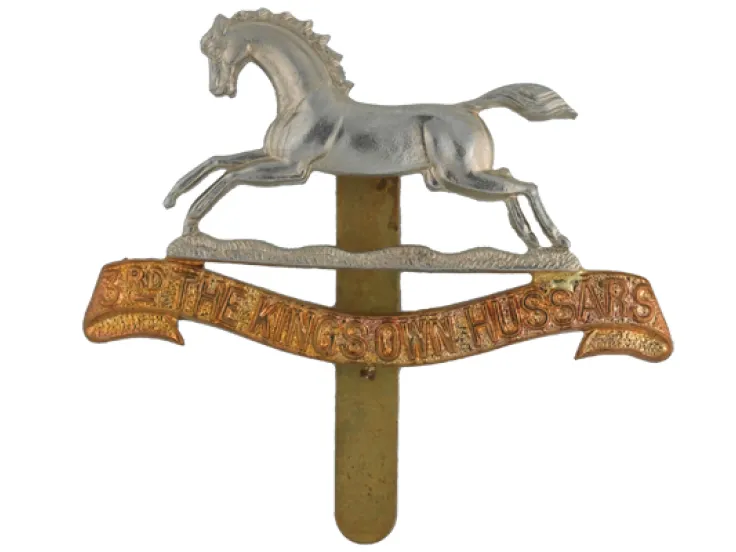
This cavalry regiment was formed in 1685. It went on to serve in many British Army campaigns until 1958, when it became part of The Queen’s Own Hussars.
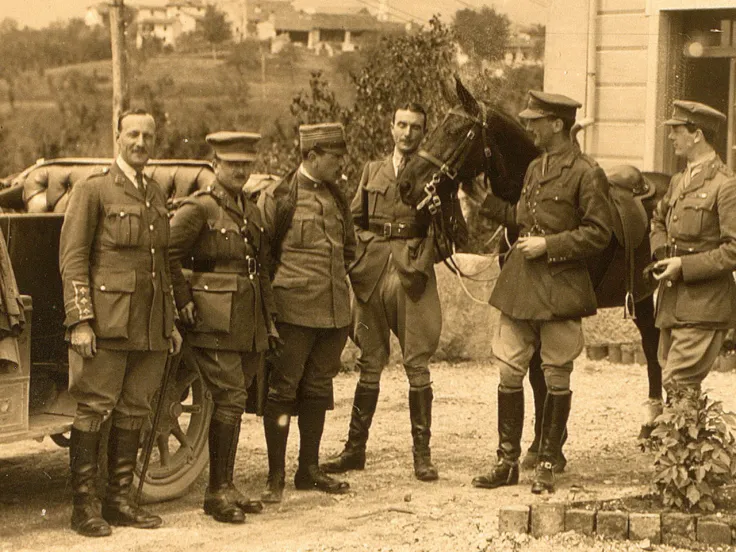
One hundred years ago in June 1918, Major John Carter was serving as an intelligence officer in Italy assisting in a top secret and pioneering mission to parachute agents behind enemy lines.
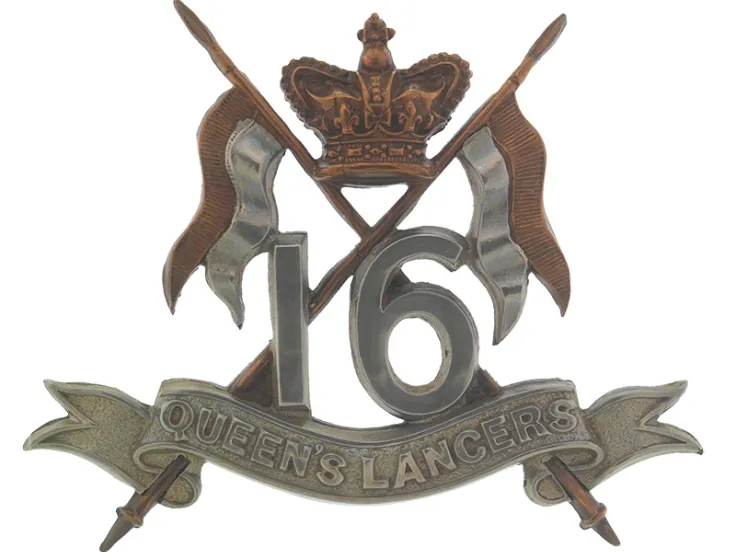
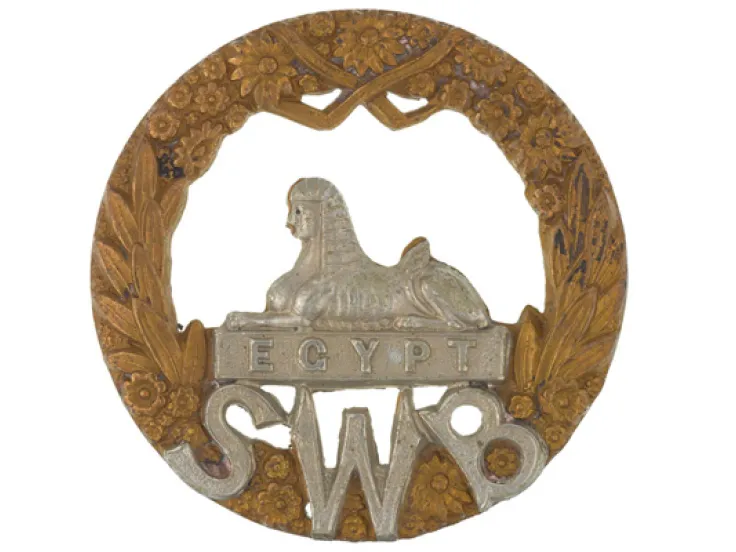
This cavalry regiment was raised in 1759. It served in many British Army campaigns around the world until 1922, when it was merged into the 16th/5th Lancers.
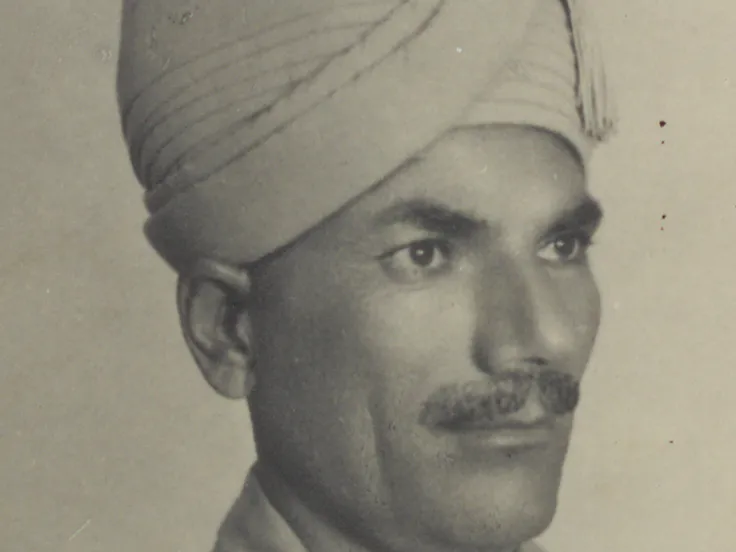
Makhmad Anwar was captured by the Japanese following the Fall of Singapore in 1942. His story highlights the distinct treatment of Indian prisoners during the Second World War.
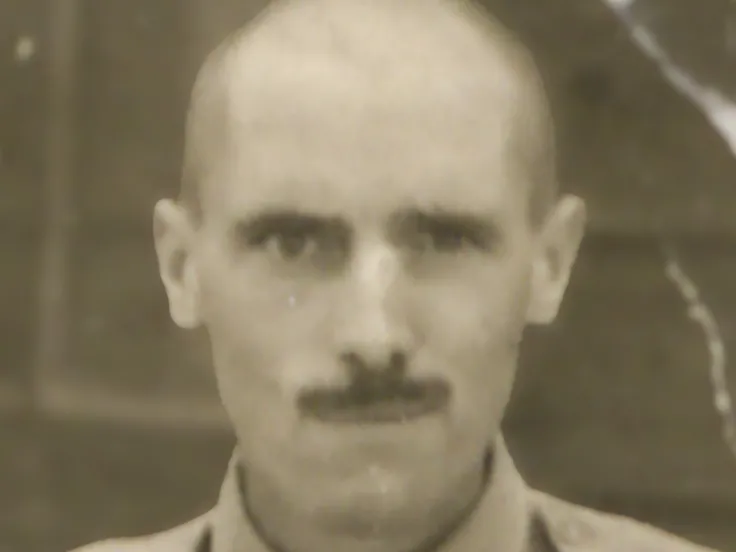
Ted Senior was captured by the Japanese during the Second World War and forced to work on the Thai-Burma ‘Death Railway'. The diary he kept reveals the horrific conditions that he and his fellow prisoners endured.
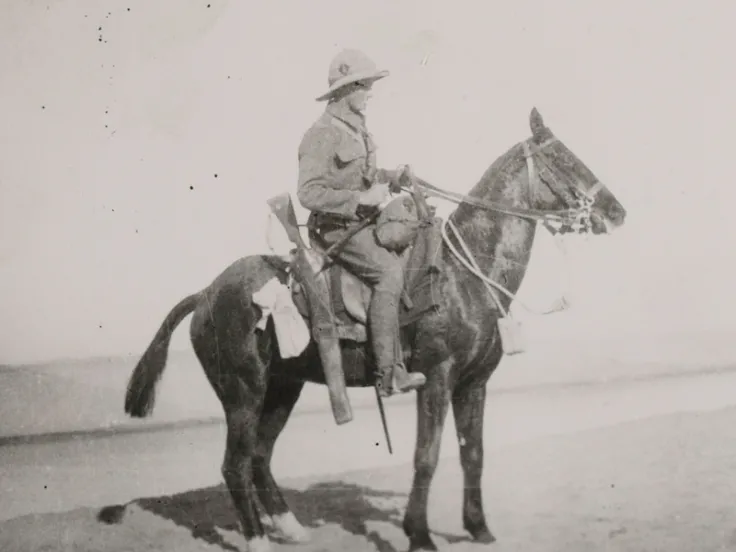
During the First World War, the British position in Egypt was threatened by rebellious Senussi tribesmen. The campaign against them took place in the unforgiving climate of the Western Desert.
This is the programme for the National Army Museum's two-day conference looking at alliances in the history of armed conflict from 1642 to the present day.
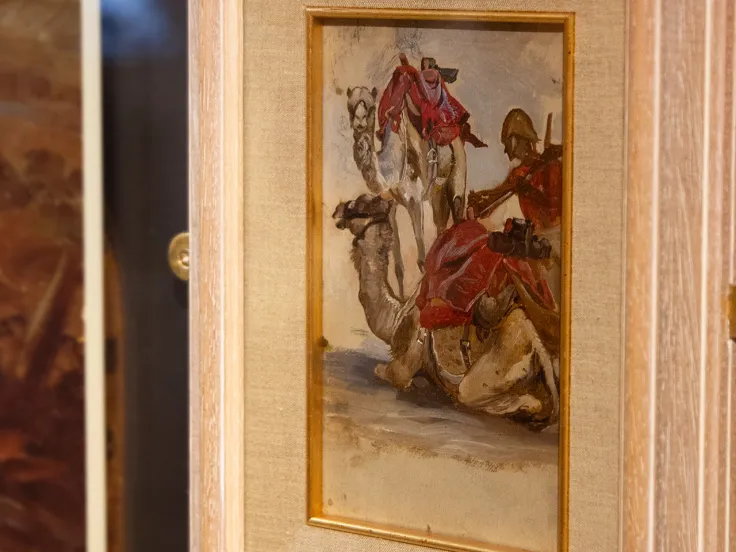
Working relationships between soldiers and animals form an important part of Army life. Here, we take a look at how camels have helped to defend and extend Britain's interests across Asia and northern Africa.
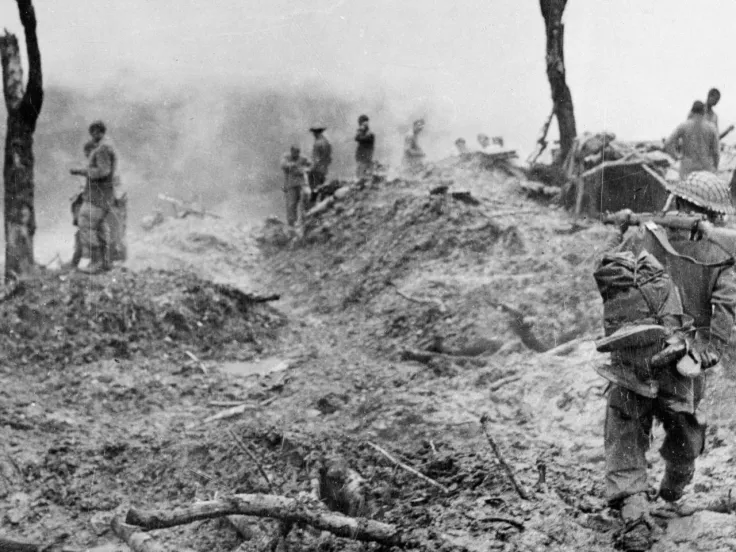
These battles formed the turning point of one of the most gruelling campaigns of the Second World War. The Japanese defeat in north-east India in 1944 became the springboard for the subsequent re-conquest of Burma.
Through a unique selection of intimate sketches, this exhibition offers a rare glimpse of everyday life for soldiers serving far from home during the First World War.