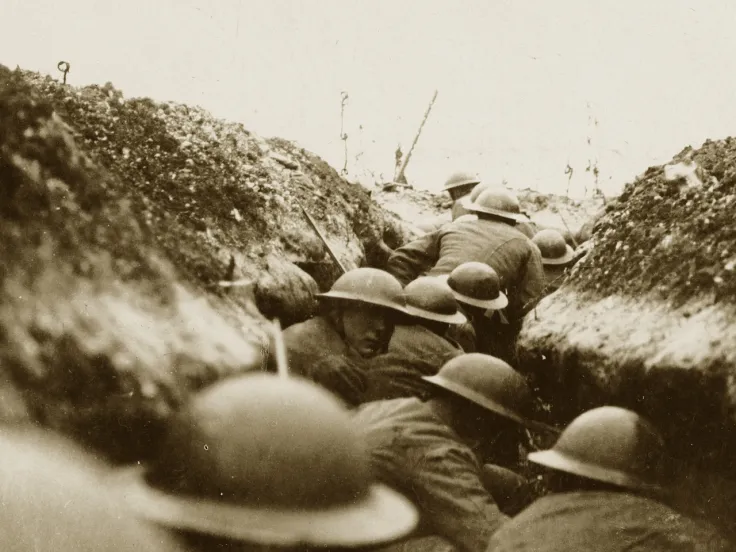
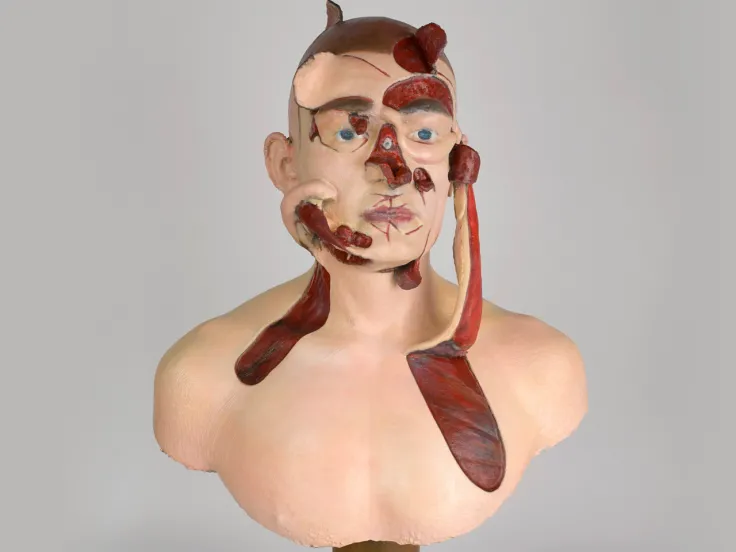
The First World War was the first truly global conflict. From 1914 to 1918, fighting took place across several continents, at sea and, for the first time, in the air.
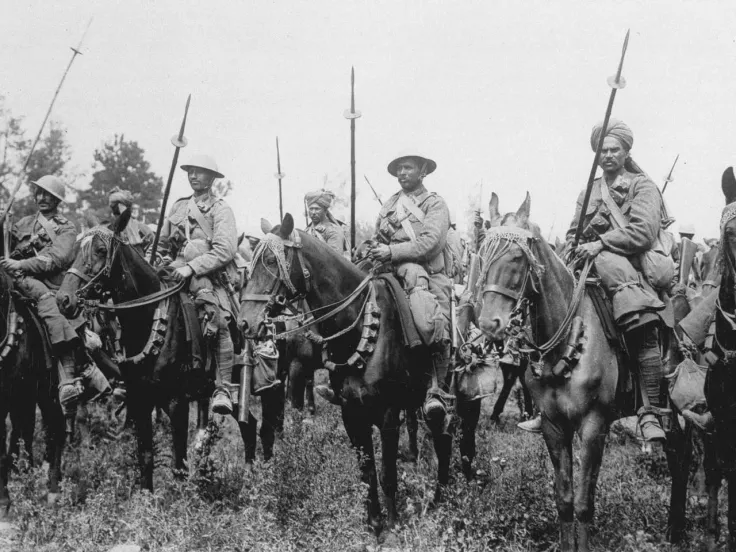
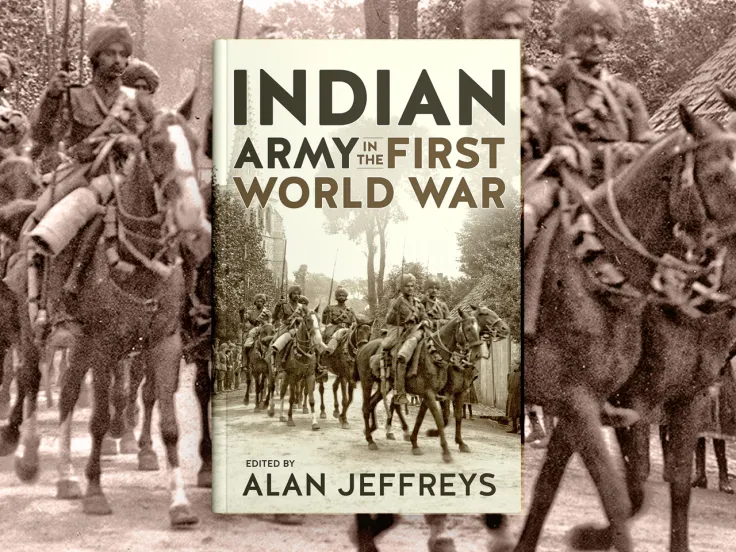
In 1914, Germany and its allies went to war not just with Britain, but with the entire British Empire. Over 3 million soldiers and labourers from across the Empire and Commonwealth served alongside the British Army in the First World War.
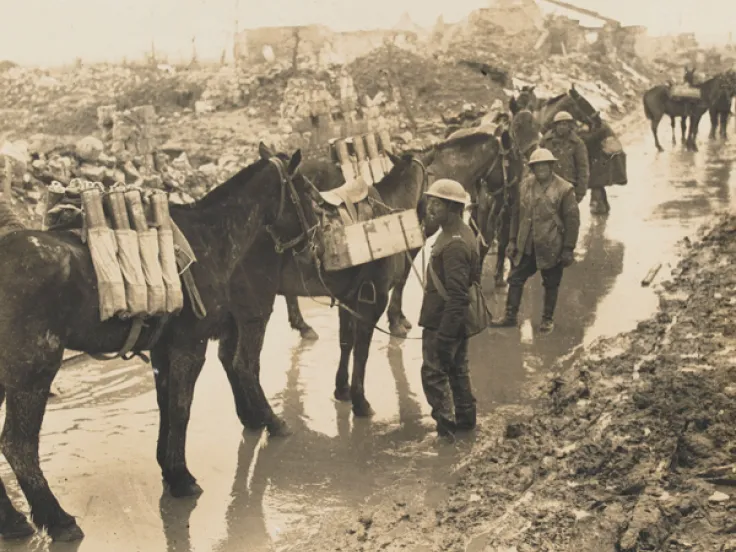
Without its hard-working horses, the Army could not have functioned during the First World War. Their contribution included carrying and pulling supplies, ammunition, artillery and even the wounded.
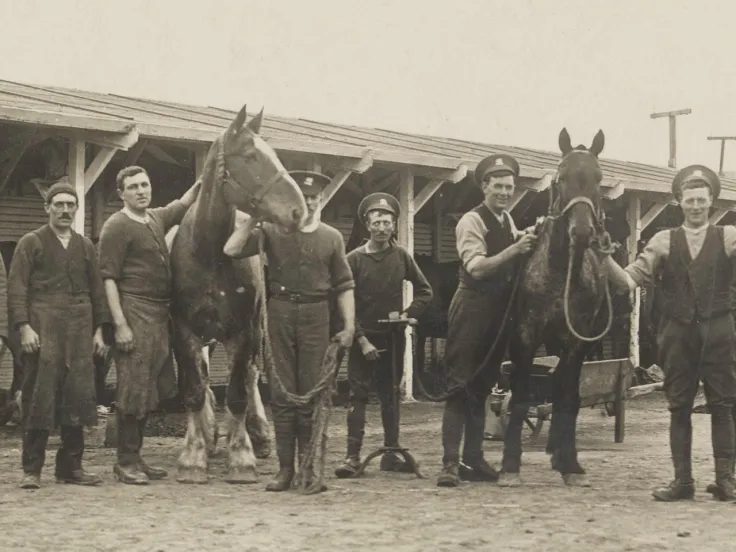
During the First World War, the Army relied on its horses to perform a wide range of jobs. The requisition, transportation and care of these animals was therefore of huge importance.
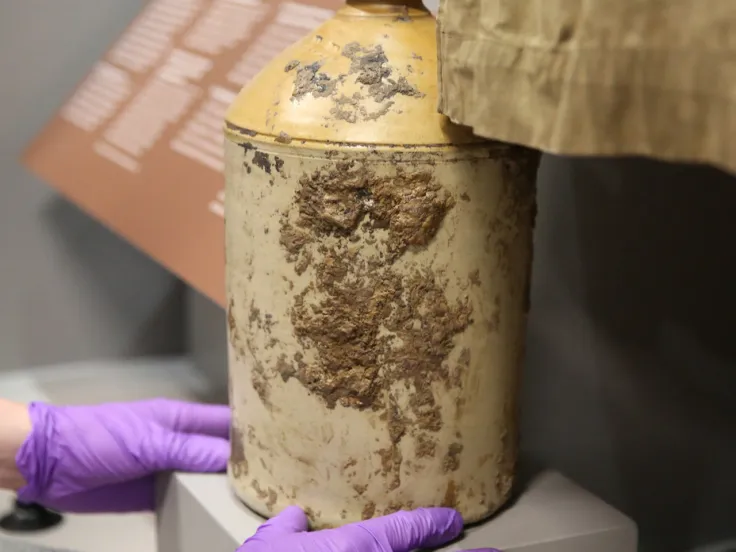
One of the items in our Conflict in Europe gallery is a rum jar unearthed from the trenches of the Western Front. Before going on display, it raised some interesting ethical questions on how to deal with dirt.
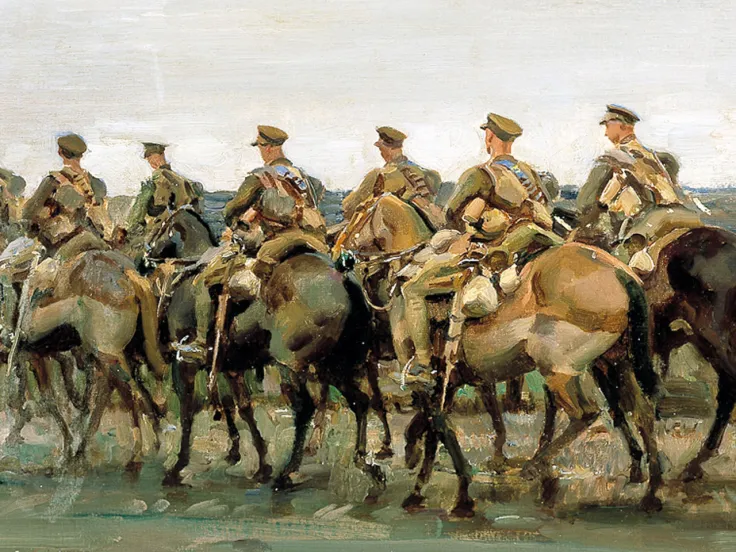
In 1918, the artist Alfred Munnings was tasked with recording the wartime contribution of the Canadian Cavalry Brigade and Forestry Corps. His paintings highlight the military role of horses, capturing their beauty in the war-affected landscapes of France.
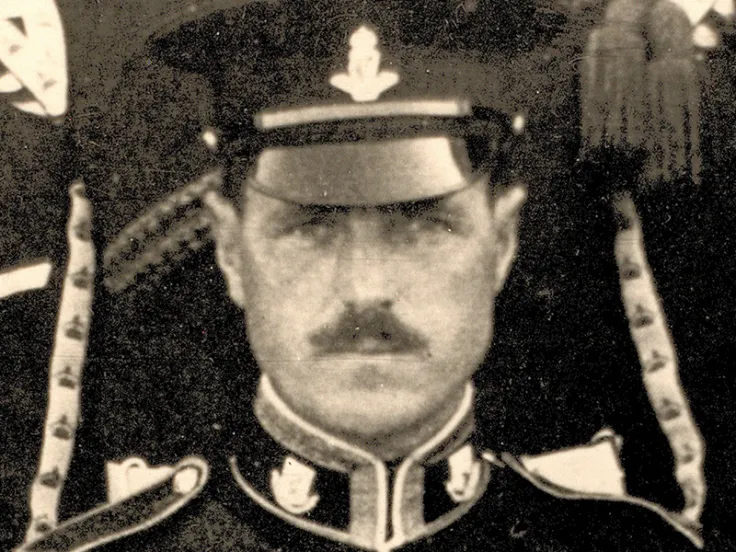
James Frederick Plunkett served on the Western Front throughout the First World War. His courage, leadership and devotion to duty enabled him to rise through the ranks and become one of the most highly decorated servicemen of the war.