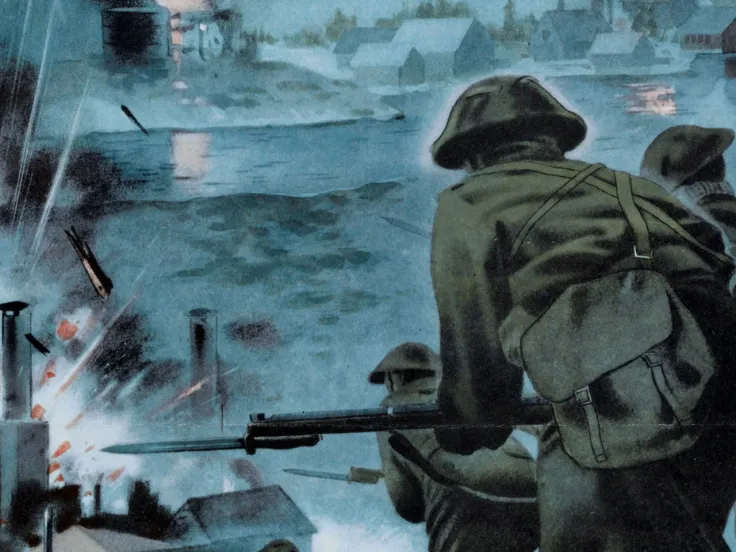
As the Second World War entered its final phase, the British Army and its allies were poised to make significant advances in Italy, Germany and Burma. Yet the complex challenges of the peace now came ever more sharply into focus.
In November 1945, British soldiers were still engaged in fierce fighting across parts of Asia. Meanwhile, the complex legacies of the Second World War came to the fore in two historic series of trials.
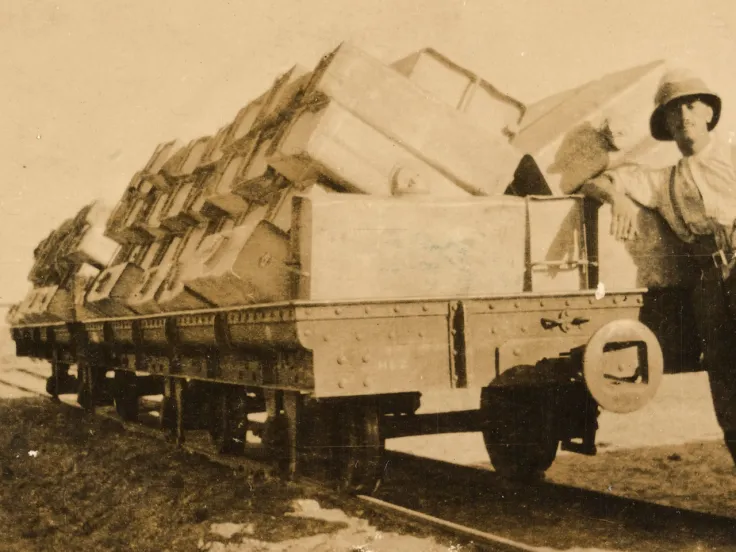
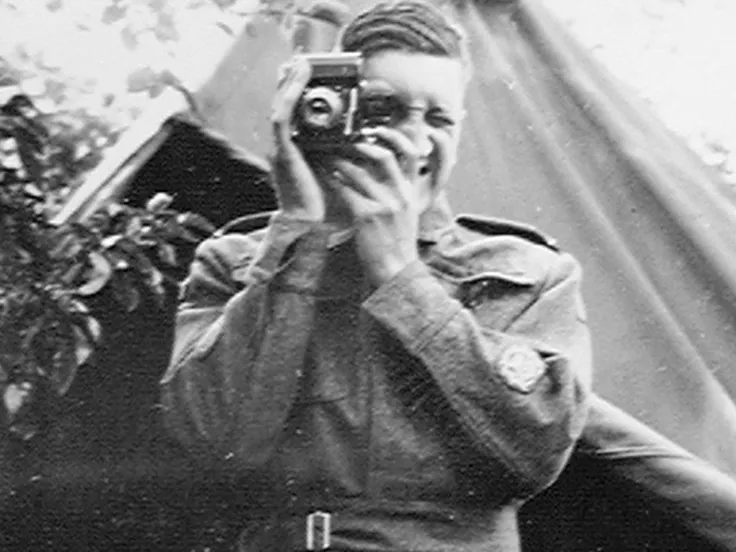
The previously unseen personal photographs of a Welsh soldier who served in Egypt during the First World War are being published online by the National Army Museum.
In the third instalment, we explore the exploits of the 3rd County of London Yeomanry in 1941 as they travel around Africa en route to the desert war in Egypt and Libya.
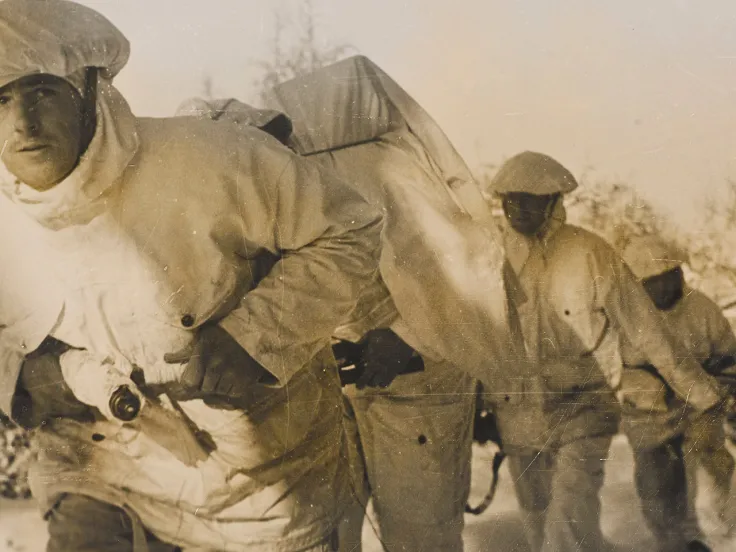
In 1940, the British established a new raiding and reconnaissance force. Well-trained and highly mobile, they were to carry on the war against the Axis after the evacuation from Dunkirk.
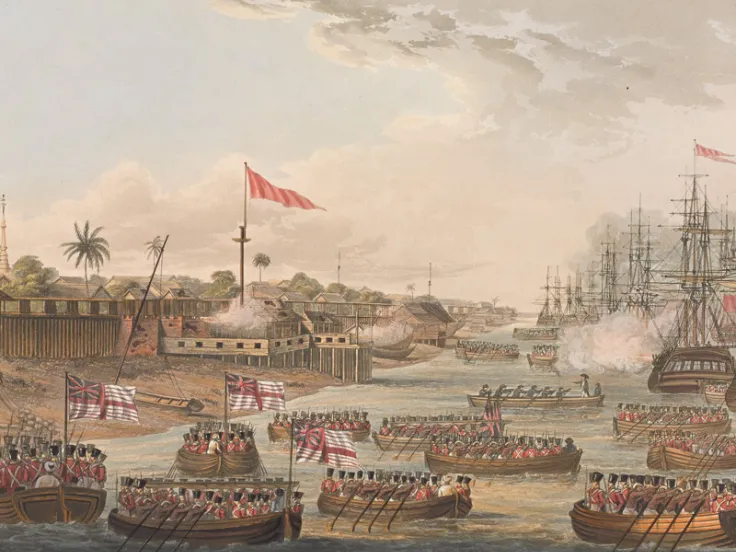
Frontier clashes between British India and the Burmese Empire escalated into a full-blown war that lasted from 1824 to 1826. This conflict resulted in parts of Burma coming under the control of the East India Company.
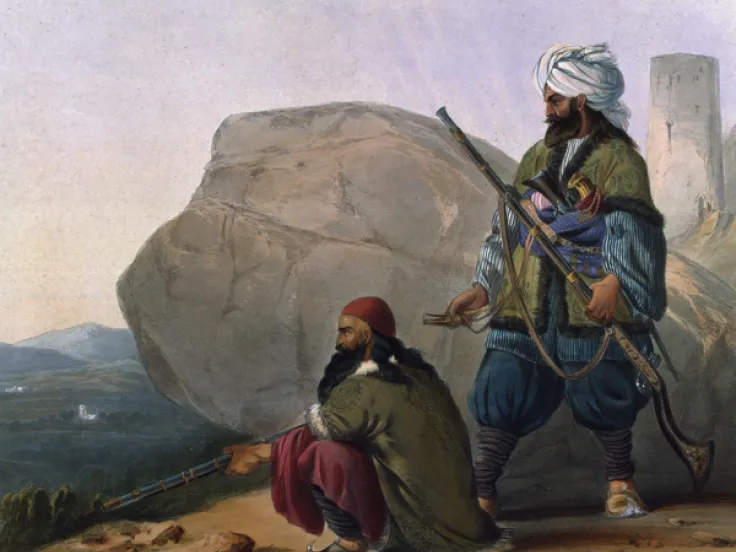
Between 1839 and 1842, British imperial forces fought a bitter war in Afghanistan. Initially successful, the British eventually withdrew having suffered one of the worst military disasters of the 19th century.
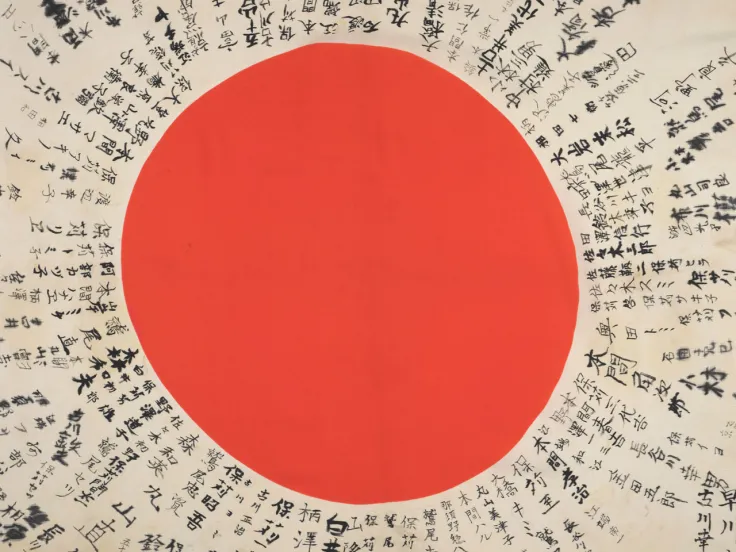
A collection of flags captured during the Second World War sheds light on the tough close-quarter combat of the Burma campaign and provides some rare insights about soldiers of the Imperial Japanese Army.
In the first instalment of this series, we learn about the origins of the 3rd County of London Yeomanry (Sharpshooters), its pre-war service and the outbreak of fighting in 1939.
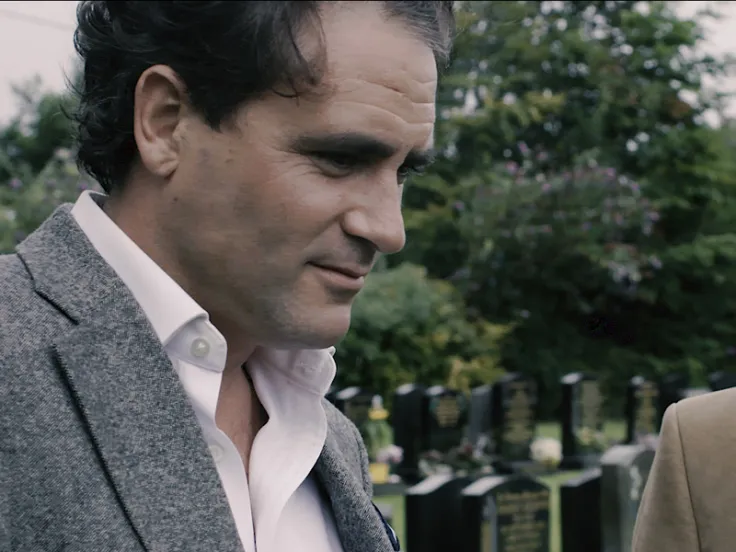
Author and explorer Levison Wood discovers the story of his grandfather's wartime service in Burma through family memorabilia and National Army Museum archives.