
The Sorrows of Liberation: The End of the Holocaust and Its Aftermath
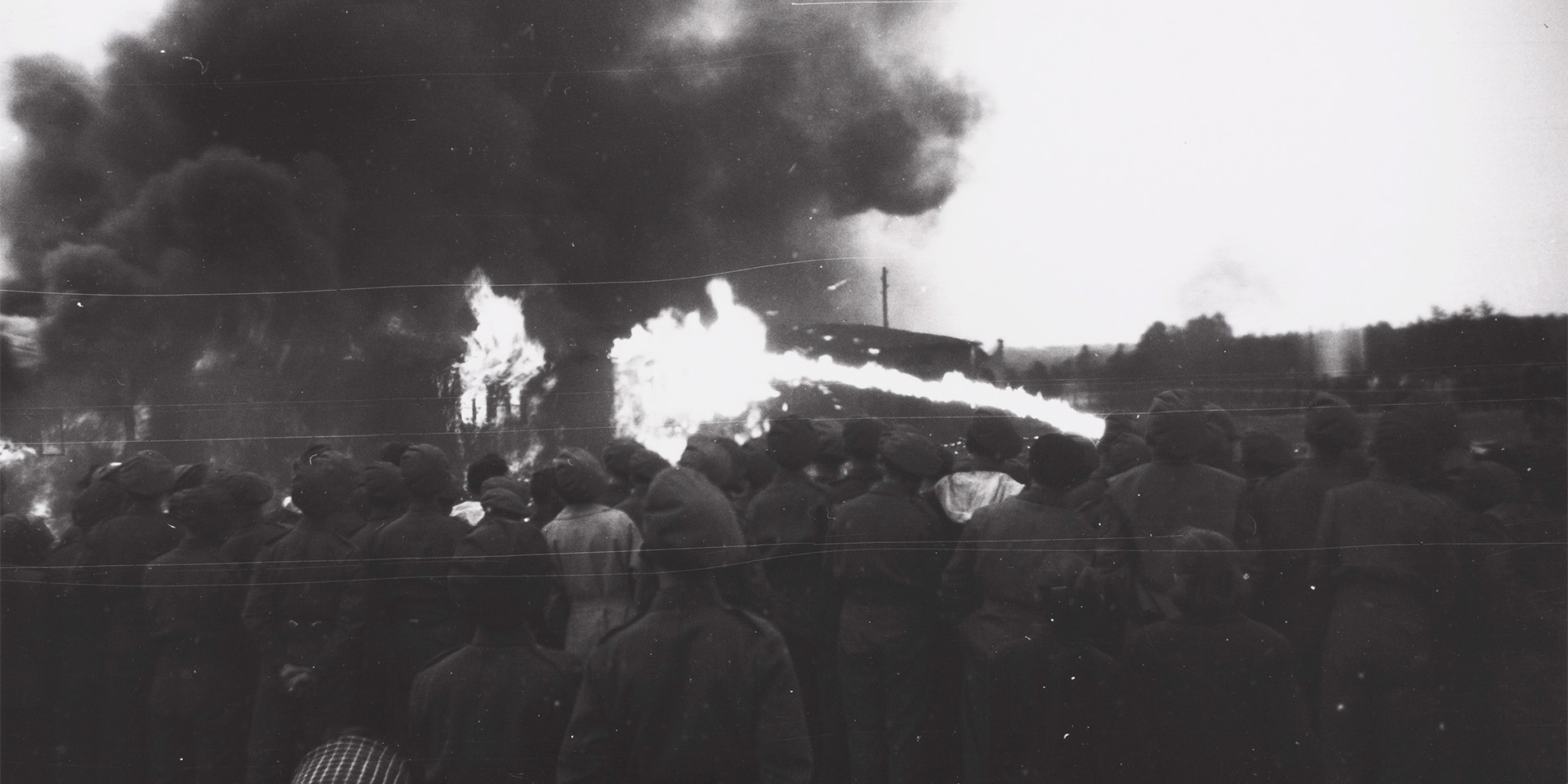
Historian Dan Stone explores the experiences of Holocaust survivors and the challenges they faced at the end of the Second World War.
When the inmates of Hitler's concentration and extermination camps were liberated in 1944 and 1945, the true extent of the atrocities they had faced became horrifyingly clear.
For those who survived, the experience of liberation marked the beginning of a slow and gruelling journey back to life. While some survivors cheered and celebrated with their liberators, many others were too ill to comprehend what was happening. ‘Liberation’ was a process, not a moment in time.
Most survivors faced physical and mental health issues, existential loneliness and a new set of challenges. They had to wait in displaced persons camps to emigrate, learn new languages, find employment and start new families in their adopted countries. Tragically, thousands died even after their liberation.
In this talk, Dan Stone will explore the experiences of the survivors through their own words during the days, months and years following the arrival of Allied forces at the Nazi camps. He will draw on archival sources and eyewitness testimonies to highlight the complex challenges faced by the liberated victims and the daunting tasks their military and aid organisation liberators undertook to help them reclaim their lives.
About the speaker
Dan Stone is Professor of Modern History and Director of the Holocaust Research Institute at Royal Holloway, University of London. He has published several books on the Holocaust and 20th-century European history, including 'The Holocaust: An Unfinished History', 'Fate Unknown: Tracing the Missing after World War II and the Holocaust' and 'The Liberation of the Camps: The End of the Holocaust and Its Aftermath'.