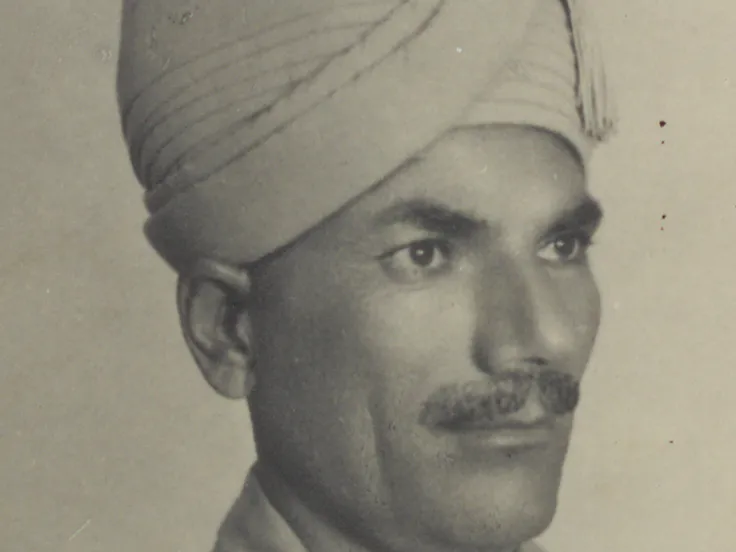
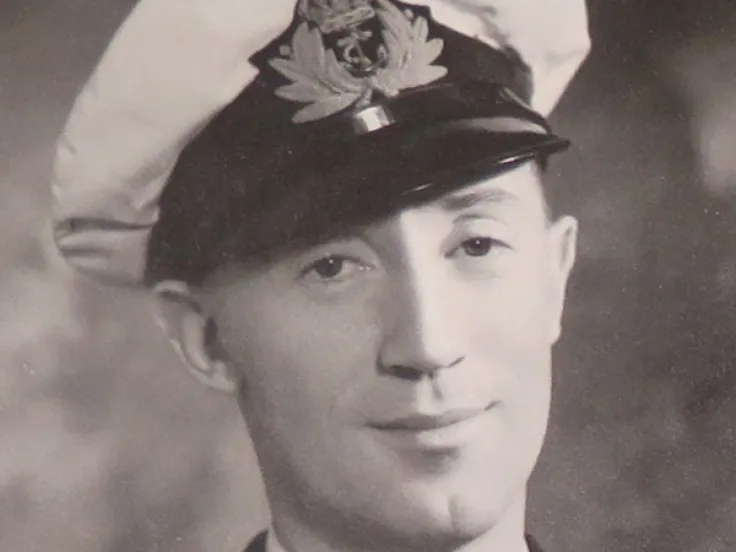
Makhmad Anwar was captured by the Japanese following the Fall of Singapore in 1942. His story highlights the distinct treatment of Indian prisoners during the Second World War.
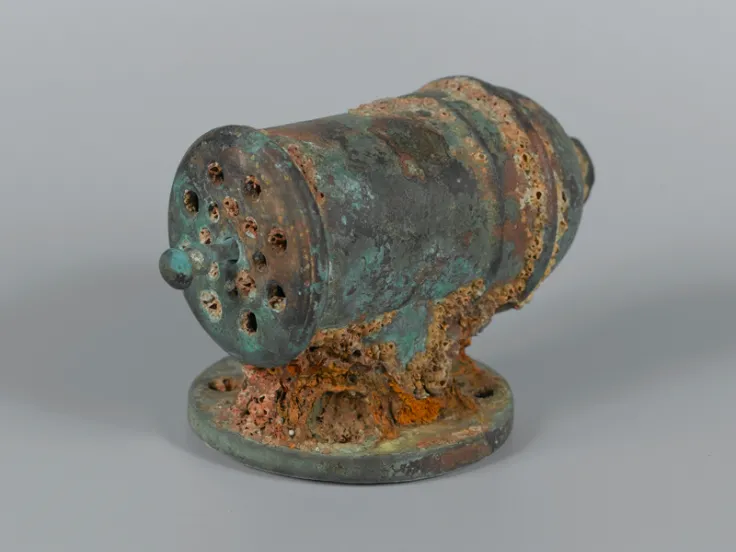
Several objects from our collection reveal a remarkable tale of self-sacrifice and steadfast military discipline during one of the 19th century’s most infamous maritime disasters.
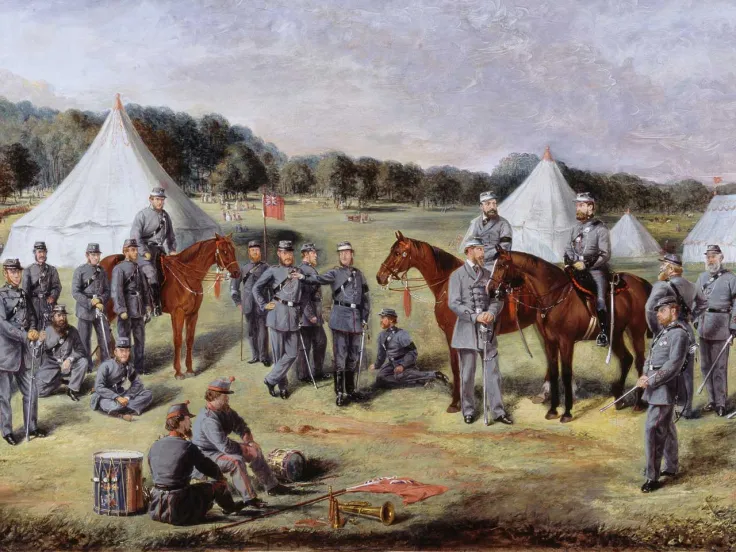
Throughout its long history, the British Army has relied on part-time soldiers to support its operations, guard Britain's shores and maintain law and order.
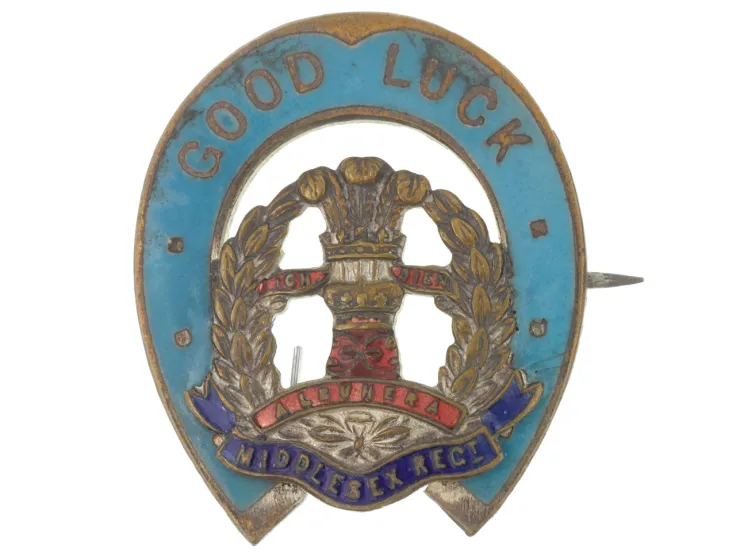
Chance plays a significant part in deciding a soldier’s fate on the battlefield. Here we look at examples of close shaves and extraordinary escapes, and examine some of the superstitions soldiers draw on for comfort and protection.
In 1775, Britain’s American colonies rebelled in a bid for independence. The British Army performed fairly well against the rebels, but it was unable to prevent the loss of territory following French and Spanish entry into the war.
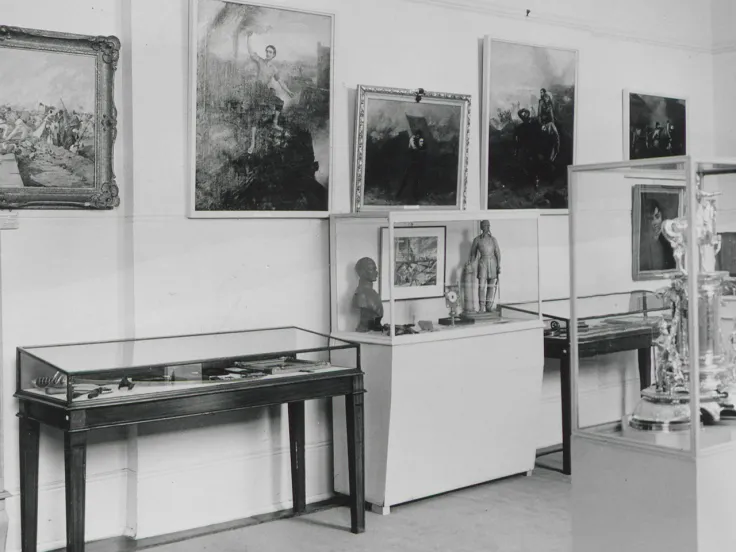
Since 1960, the National Army Museum has been exhibiting items that reveal the achievements, history and traditions of the Army. Here, we take a look at some stand-out displays from the past six decades.
During the Second World War, Nigel Clogstoun-Willmott founded the Combined Operations Pilotage Parties to undertake covert beach reconnaissance. This proved vital for the success of Allied seaborne invasions.
During the Second World War, Britain created a range of special units who undertook a variety of daring operations against the Axis Powers. The bravery and commitment of these forces has become the stuff of legend.
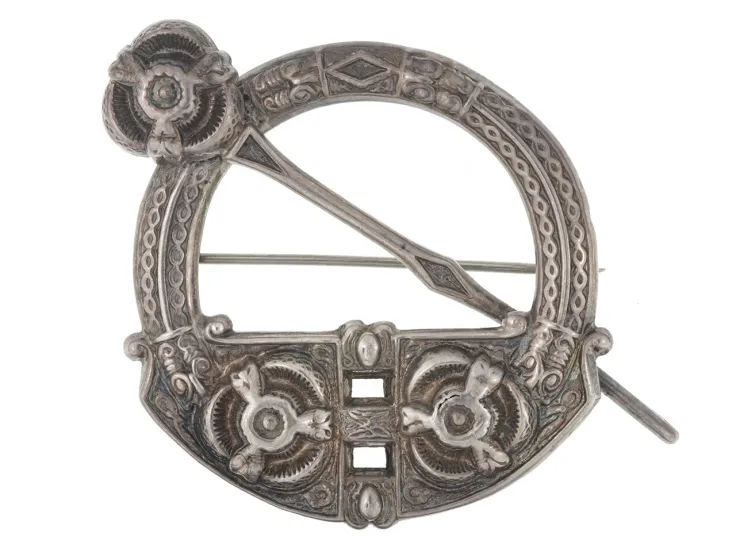
On Easter Monday 1916, Irish nationalists launched an armed revolt against British rule in Ireland. Although quickly suppressed by the British Army, the rising was a seminal moment in modern Irish history.
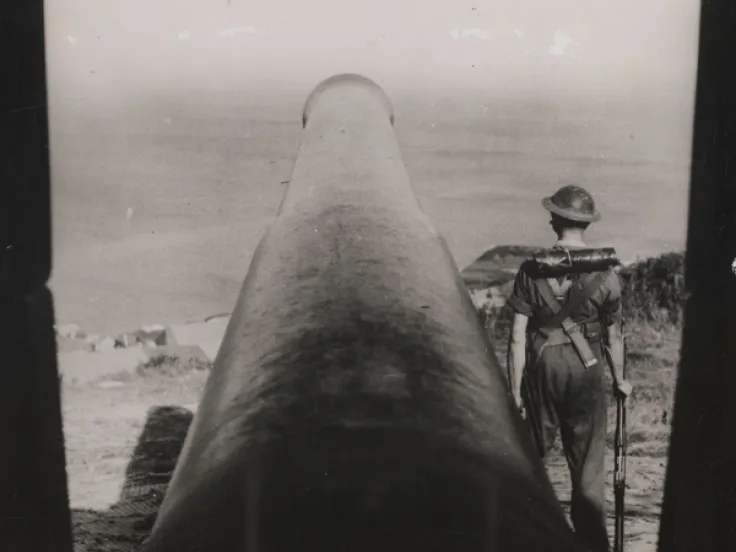
Following the fall of France in the summer of 1940, Britain was faced with the threat of invasion. Soldiers played a vital role in defending the shores and skies.
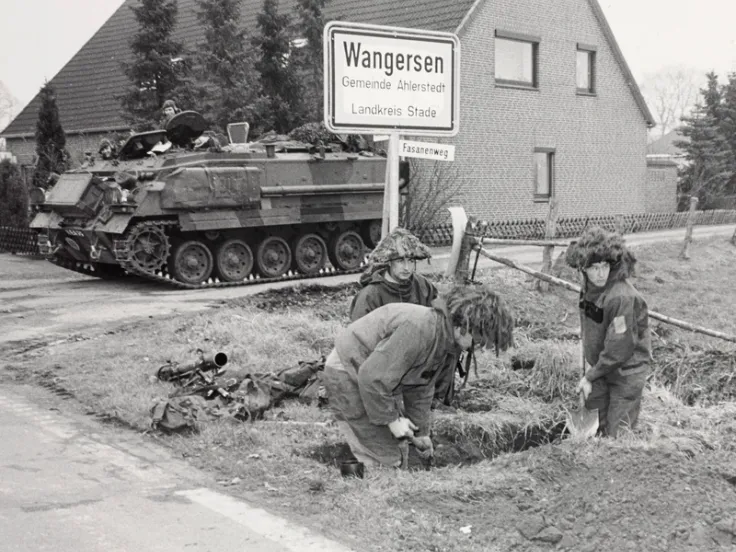
In 1945, British troops occupied Germany alongside their wartime Soviet allies. But growing East-West tensions soon evolved into the Cold War. For the next four decades, soldiers in Germany prepared to face an attack by the Warsaw Pact.
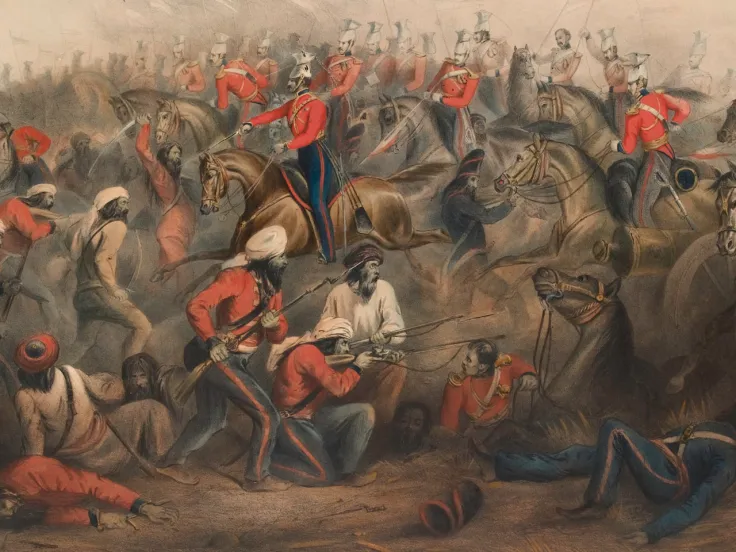
This battle was fought on 28 January 1846 during the First Sikh War. A British-Indian force took on the Sikh army of the Punjab. It ended in a decisive British victory and is seen by some as a ‘near perfect battle’.