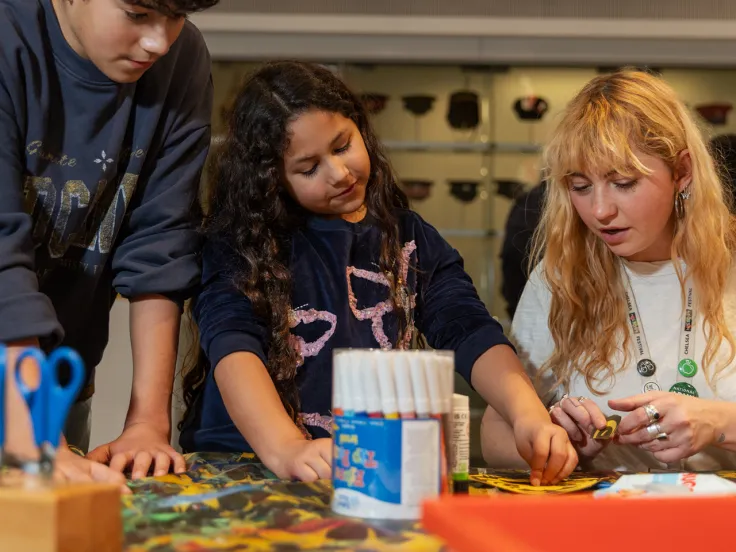
Take inspiration from the French artist Paul Sarrut this October half-term. Make your very own sketchbook, perfect for drafting some mini masterpieces.
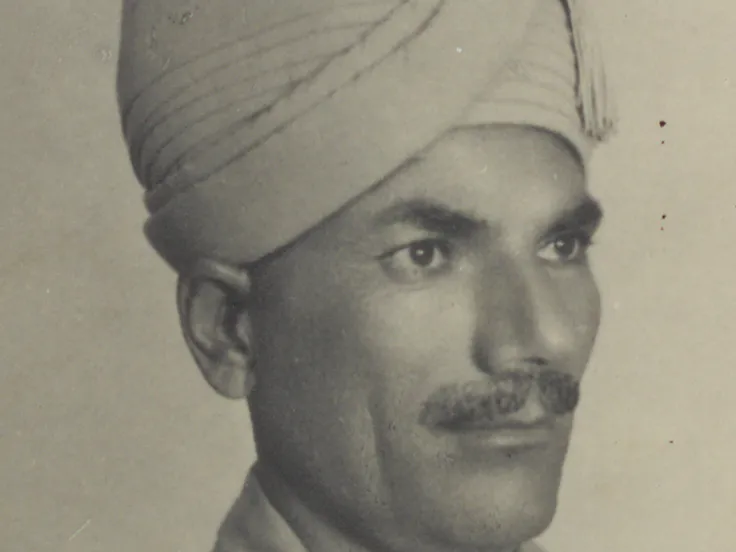
Makhmad Anwar was captured by the Japanese following the Fall of Singapore in 1942. His story highlights the distinct treatment of Indian prisoners during the Second World War.
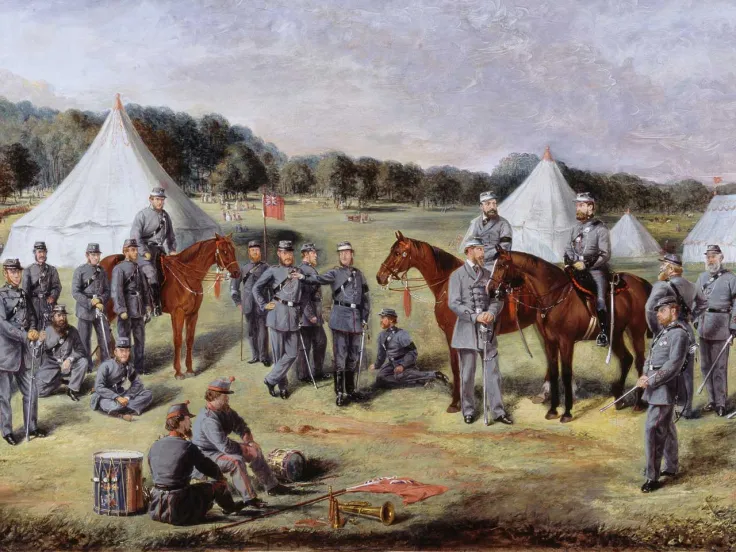
Throughout its long history, the British Army has relied on part-time soldiers to support its operations, guard Britain's shores and maintain law and order.
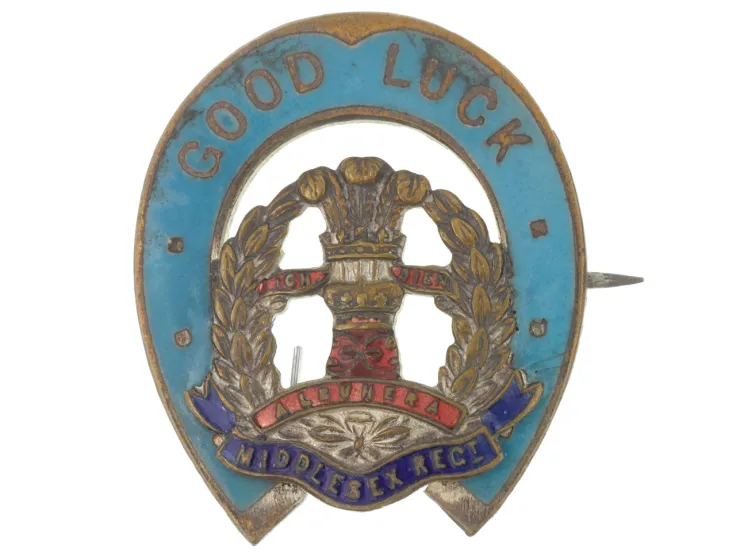
Chance plays a significant part in deciding a soldier’s fate on the battlefield. Here we look at examples of close shaves and extraordinary escapes, and examine some of the superstitions soldiers draw on for comfort and protection.
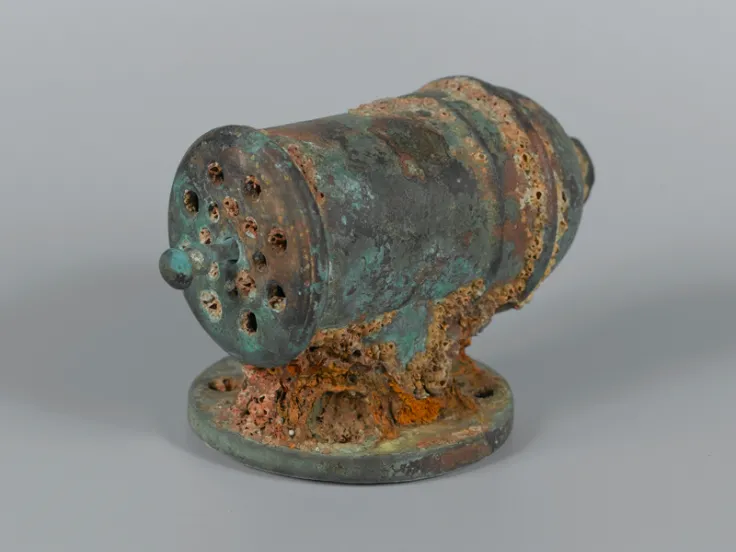
Several objects from our collection reveal a remarkable tale of self-sacrifice and steadfast military discipline during one of the 19th century’s most infamous maritime disasters.
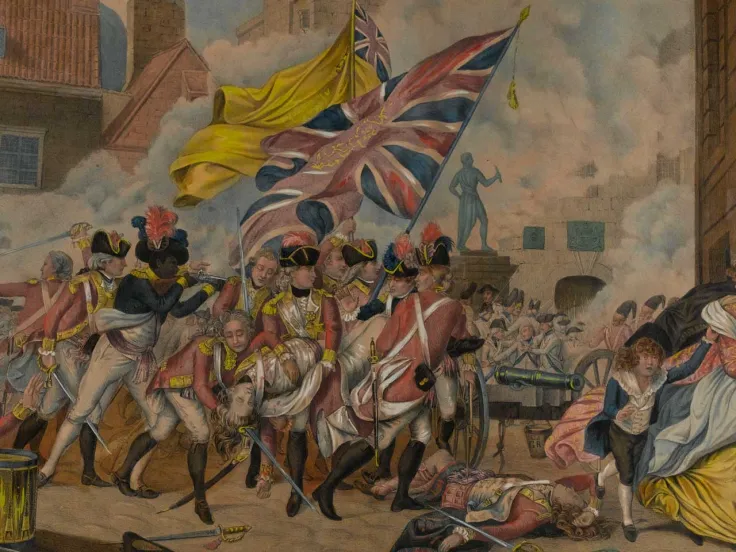
In 1775, Britain’s American colonies rebelled in a bid for independence. The British Army performed fairly well against the rebels, but it was unable to prevent the loss of territory following French and Spanish entry into the war.
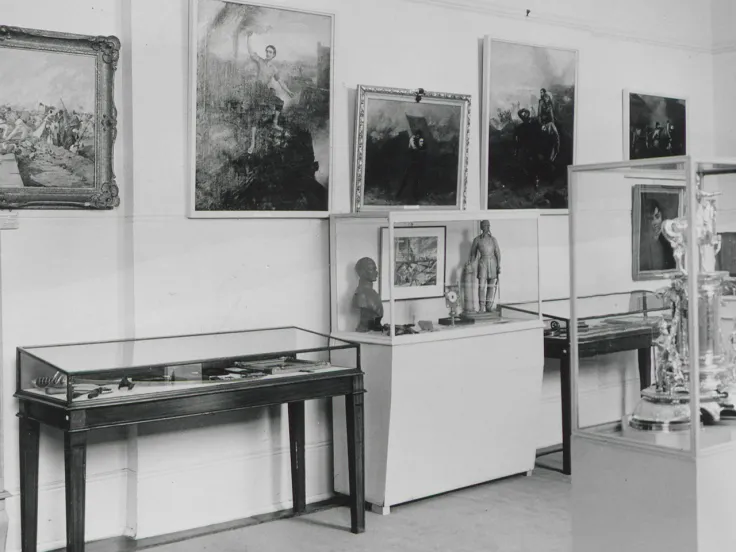
Since 1960, the National Army Museum has been exhibiting items that reveal the achievements, history and traditions of the Army. Here, we take a look at some stand-out displays from the past six decades.
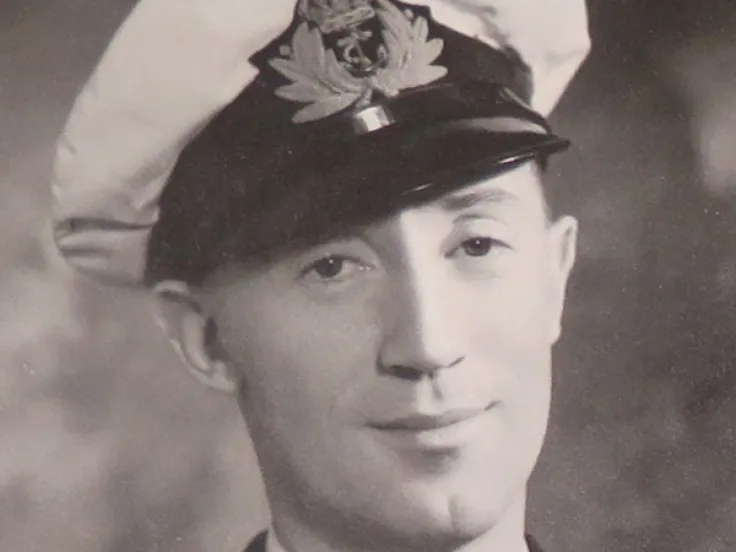
During the Second World War, Nigel Clogstoun-Willmott founded the Combined Operations Pilotage Parties to undertake covert beach reconnaissance. This proved vital for the success of Allied seaborne invasions.
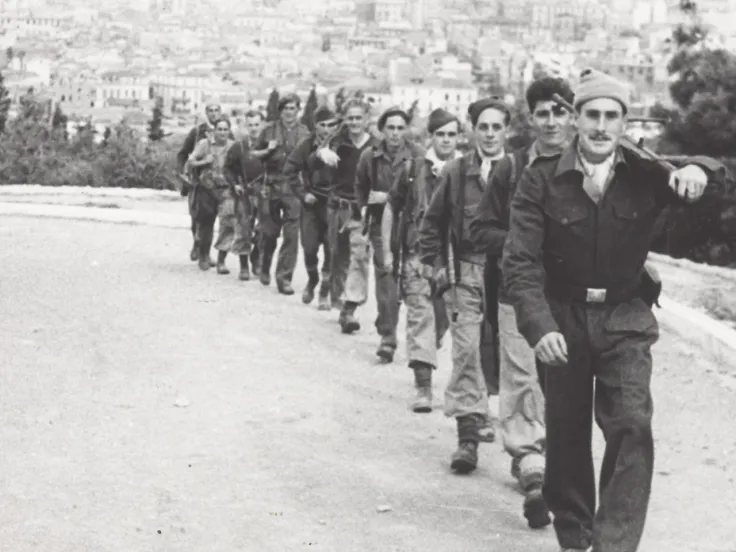
During the Second World War, Britain created a range of special units who undertook a variety of daring operations against the Axis Powers. The bravery and commitment of these forces has become the stuff of legend.
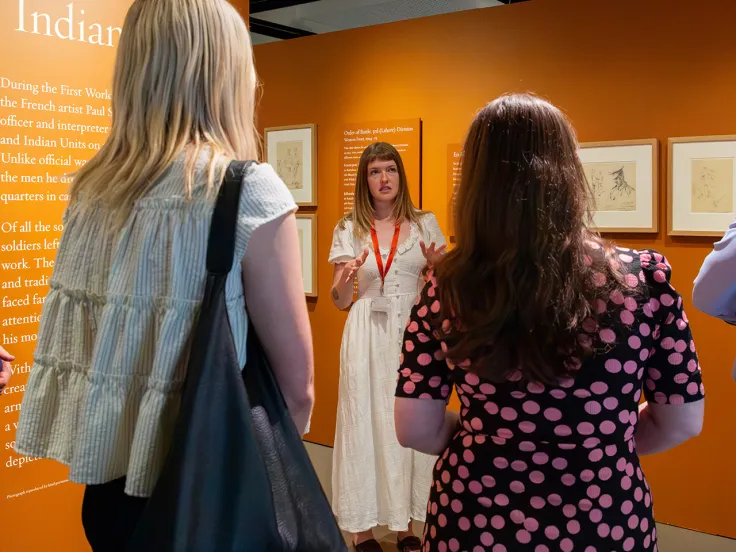
Join us for a curator-led tour of our latest exhibition, 'Drawn on the Western Front', designed for blind and visually impaired visitors and their companions.
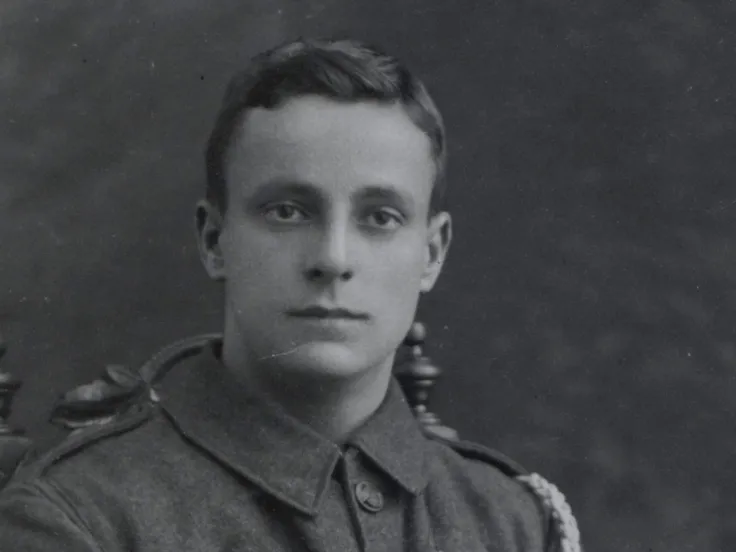
The personal diary of Sergeant James Littler is being published online 100 years after he survived the fierce fighting at the Battle of the Somme on the National Army Museum's commemorative website First World War in Focus.
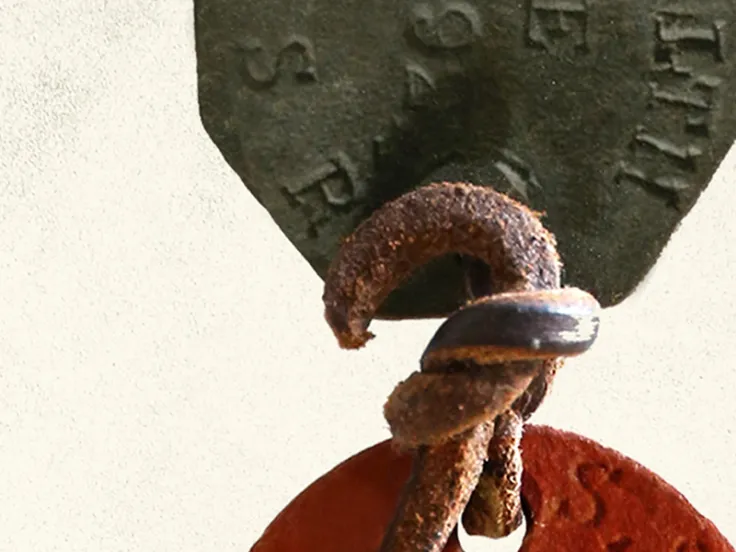
Buy a copy of Robert Sackville-West’s book which tells the story of Britain’s century-long search to recover, identify and honour the missing soldiers of the First World War.