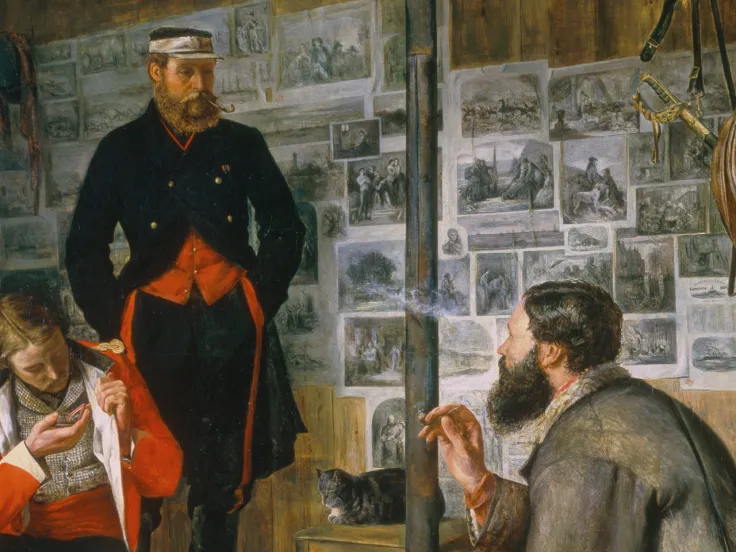
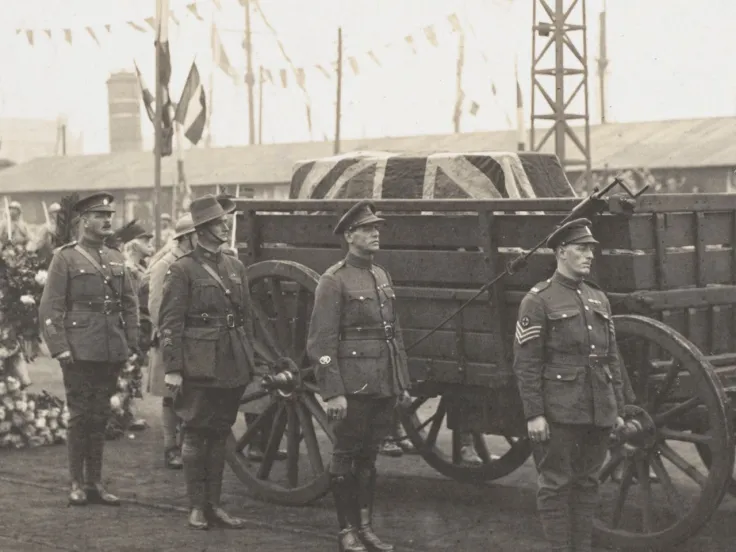
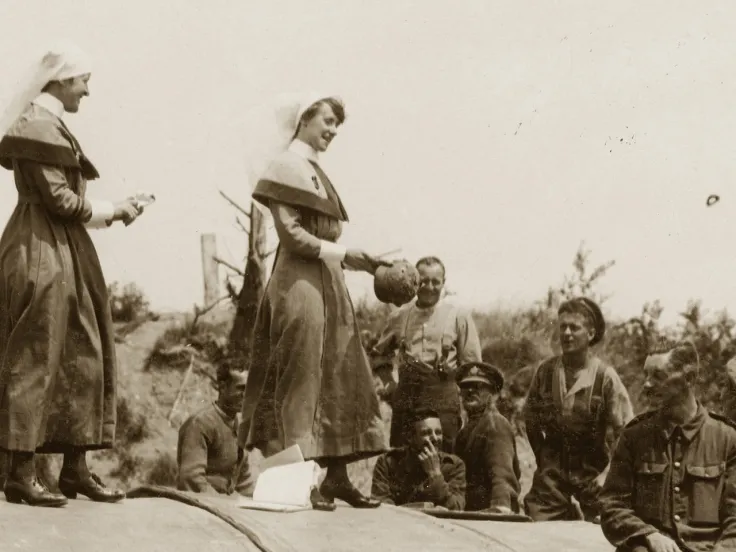
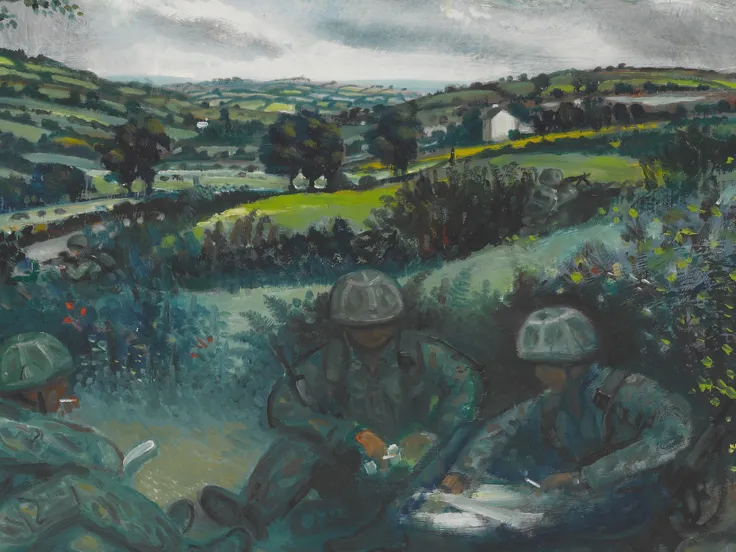
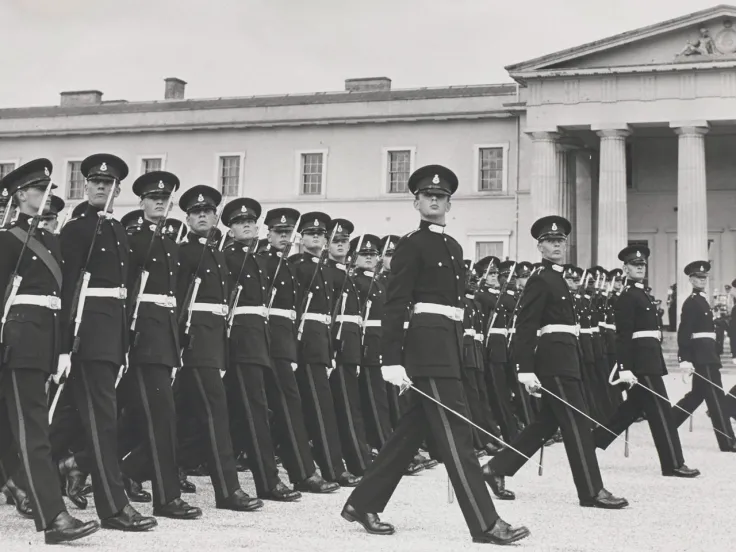
To satisfy the Victorian public’s growing desire for authentic images of war, newspapers began sending artists to accompany British troops on campaign. Their pictures formed the substance of much war reporting.
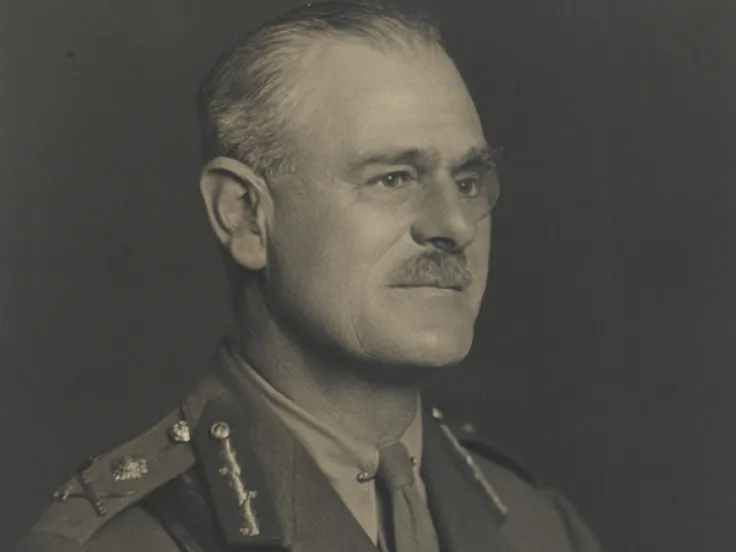
Field Marshal Sir Archibald Wavell led an imaginative and flexible campaign against the Italians in North Africa. His triumph over their vastly superior forces was Britain’s first success of the war and paved the way for later victories.
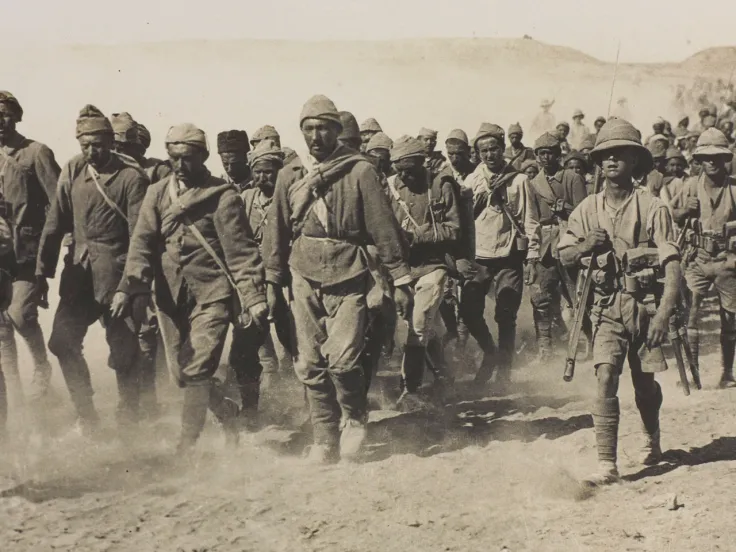
During the First World War, Britain's troops fought the Ottomans in Mesopotamia (now Iraq). Despite many setbacks, they finally took Baghdad in March 1917. This marked the high point of a long and tragic campaign fought in a harsh climate.
The British Army has played a central role in the long history of conflict and co-operation between Britain and Ireland. Here we explore some of the key moments in this difficult but fascinating story.
The Royal Military Academy Sandhurst has trained the Army’s officers since 1802. For generations, its officer cadets have endeavoured to live up to the academy’s motto: ‘Serve to Lead’.
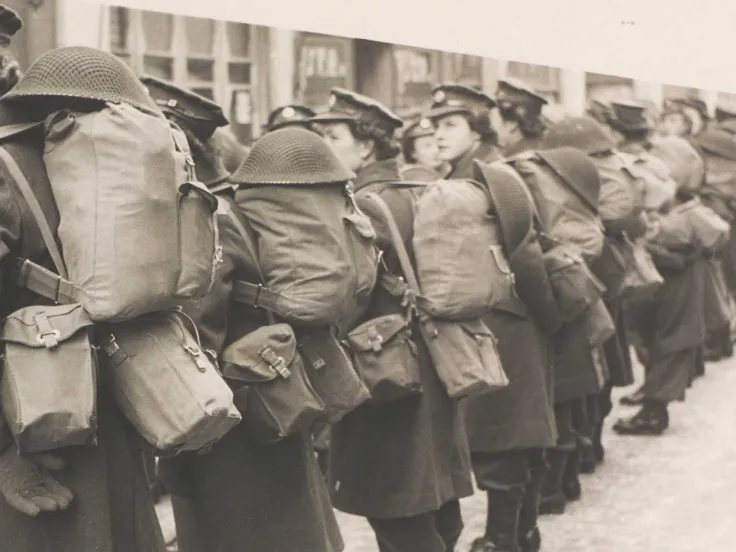
During the Second World War, the women of the Auxiliary Territorial Service took on increasingly diverse roles. But, like their First World War predecessors, they were still prevented from fighting.
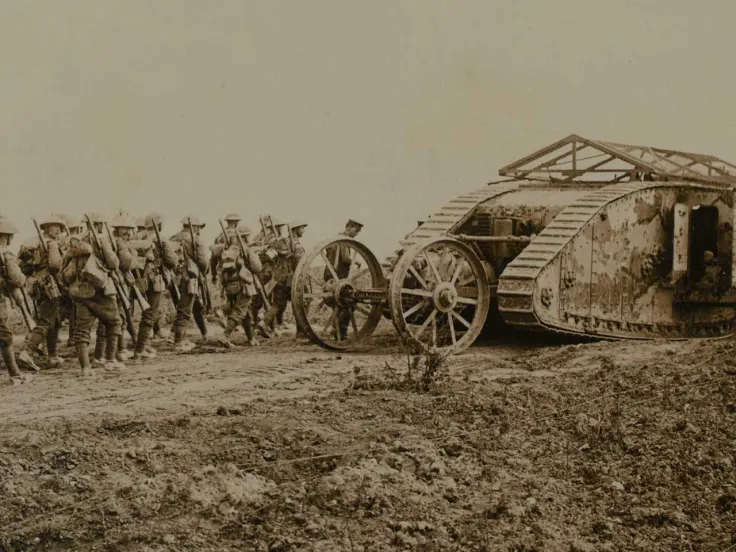
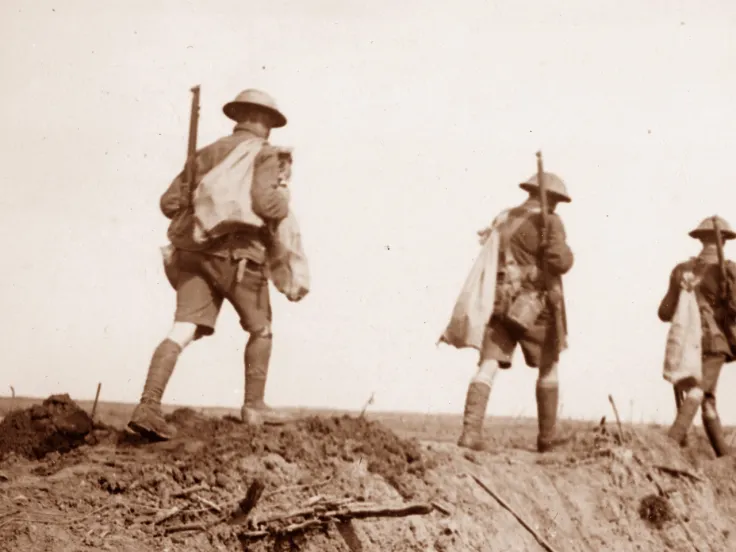
In July 1917, the British and French launched a massive offensive near the Belgian city of Ypres. The bitter struggle that followed came to symbolize the horrors of trench warfare.