Explore

Delve deeper into stories of the Army and its soldiers, exploring events across the globe and down the centuries.

Explore by theme
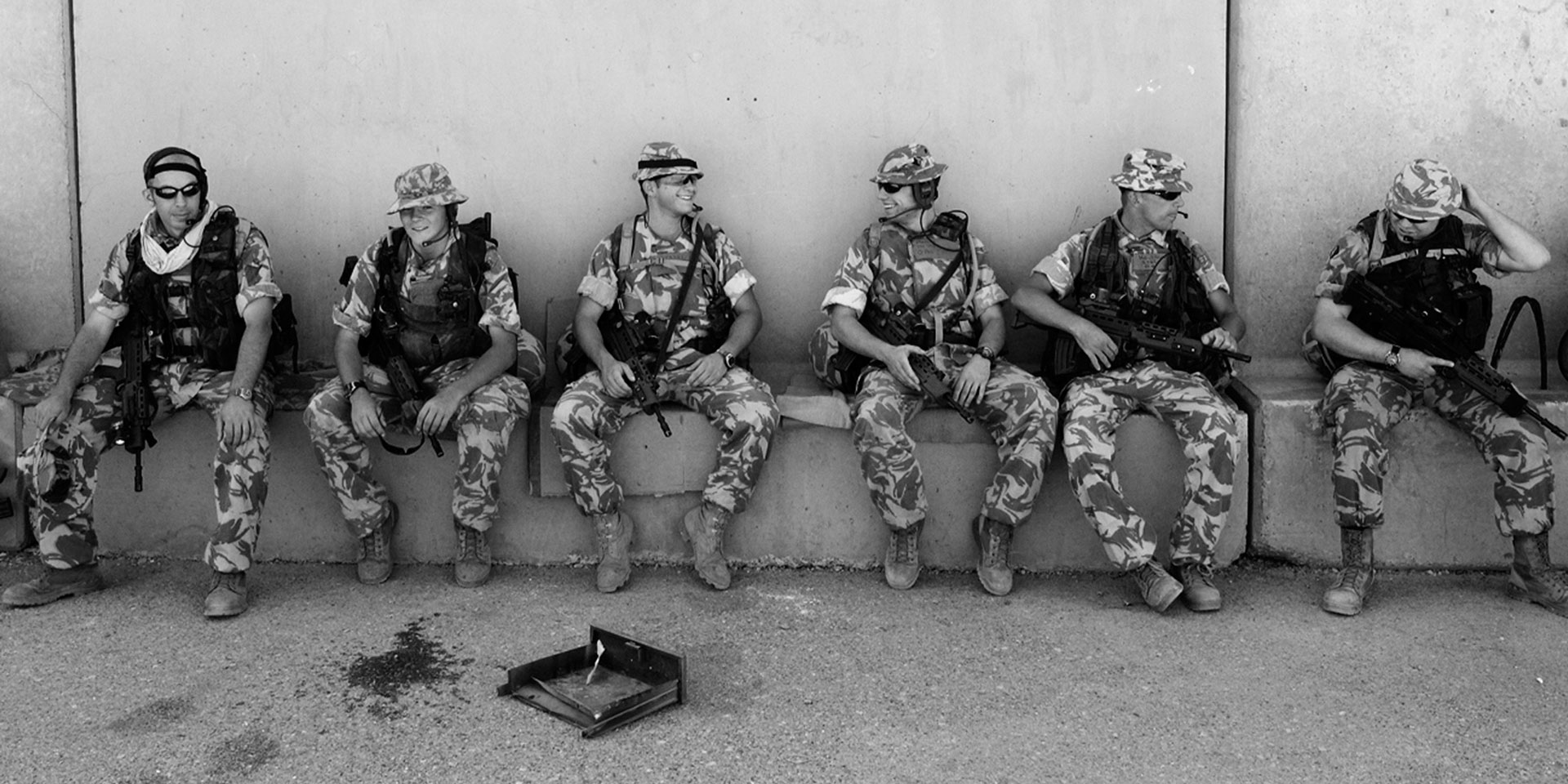
Soldiers of 2nd Battalion, The Royal Highland Fusiliers, Helmand, 2011

A timeline of women in the Army

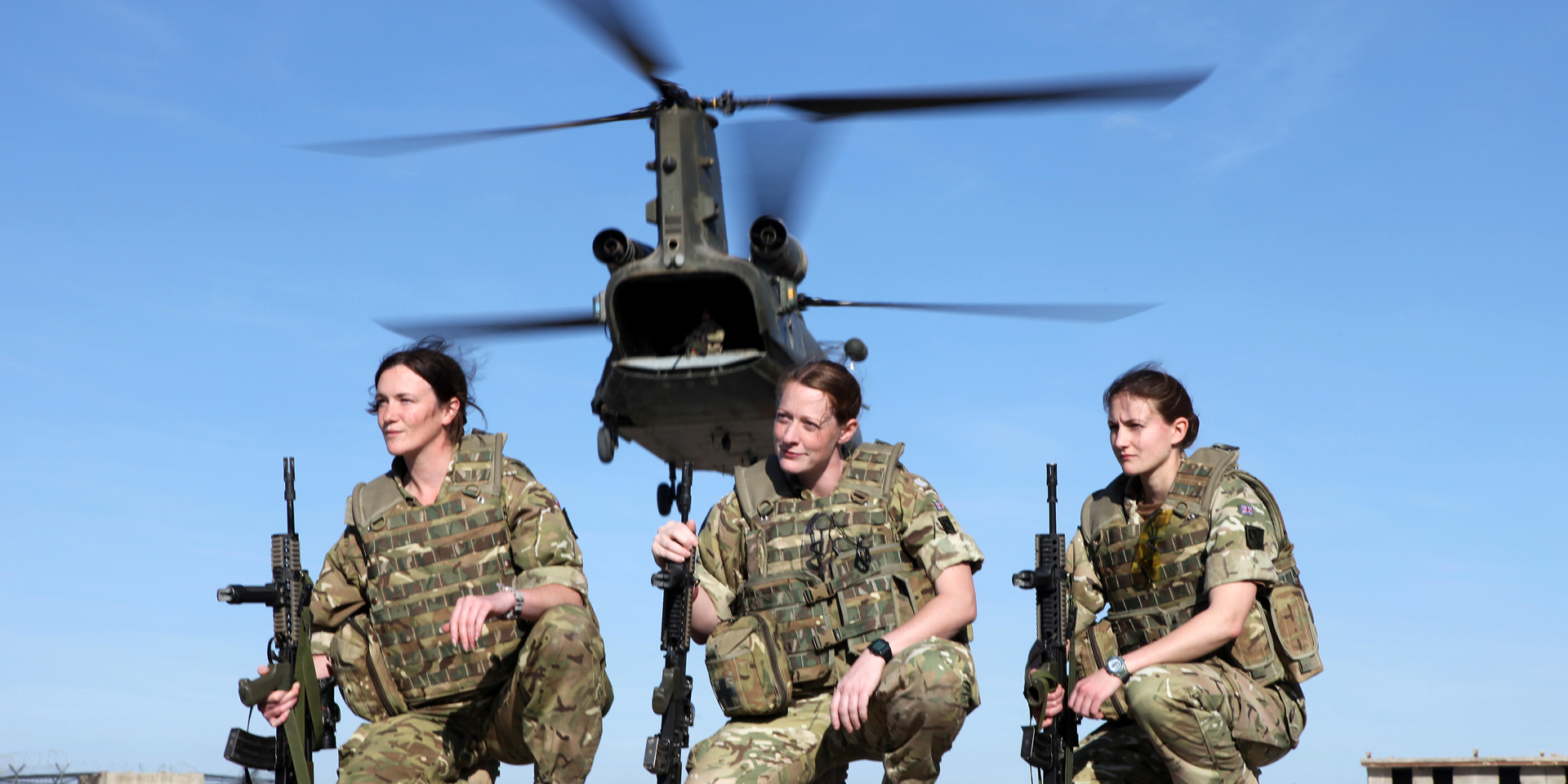
Since 2018, all British Army combat roles have been open to female soldiers. However, the history of women's service in the Army stretches much further back in time.

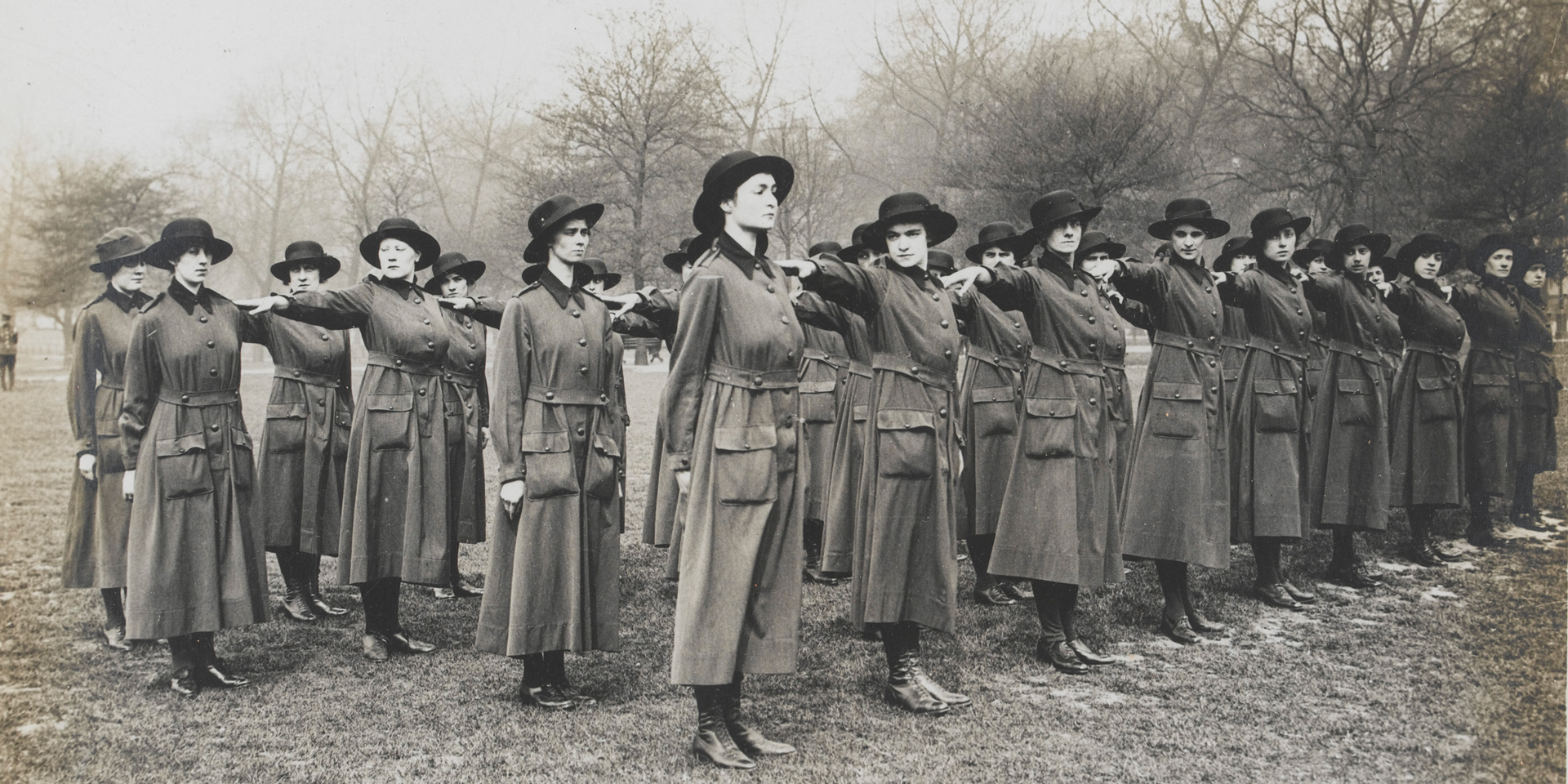
WAACs on parade, c1917

Stepping into line

As the entire nation mobilised for the First World War, women took up new challenges. Many of these opportunities had previously been off limits, including military service.

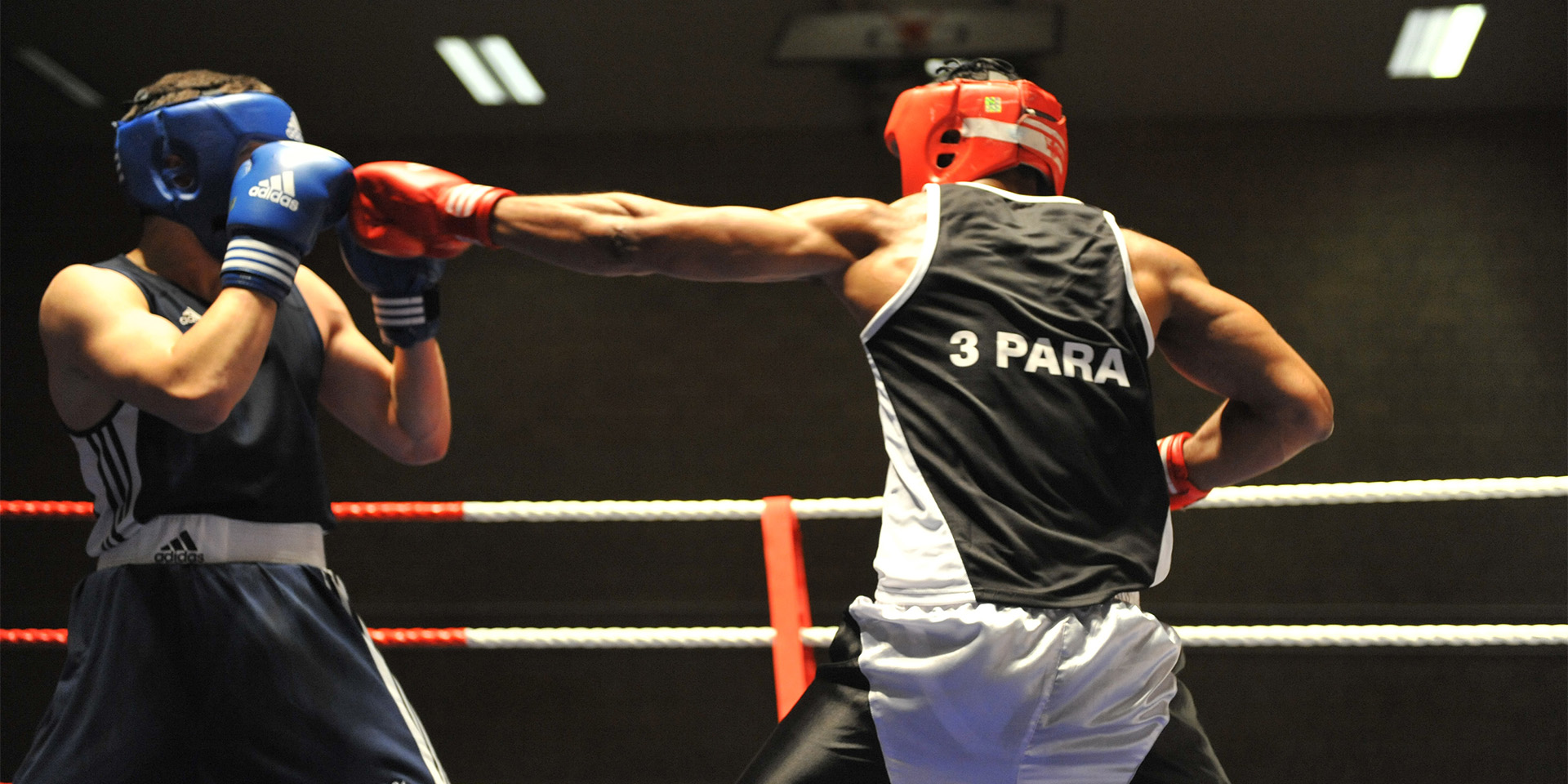
A soldier from 3rd Battalion The Parachute Regiment fights a boxer from Oxford University, 2009

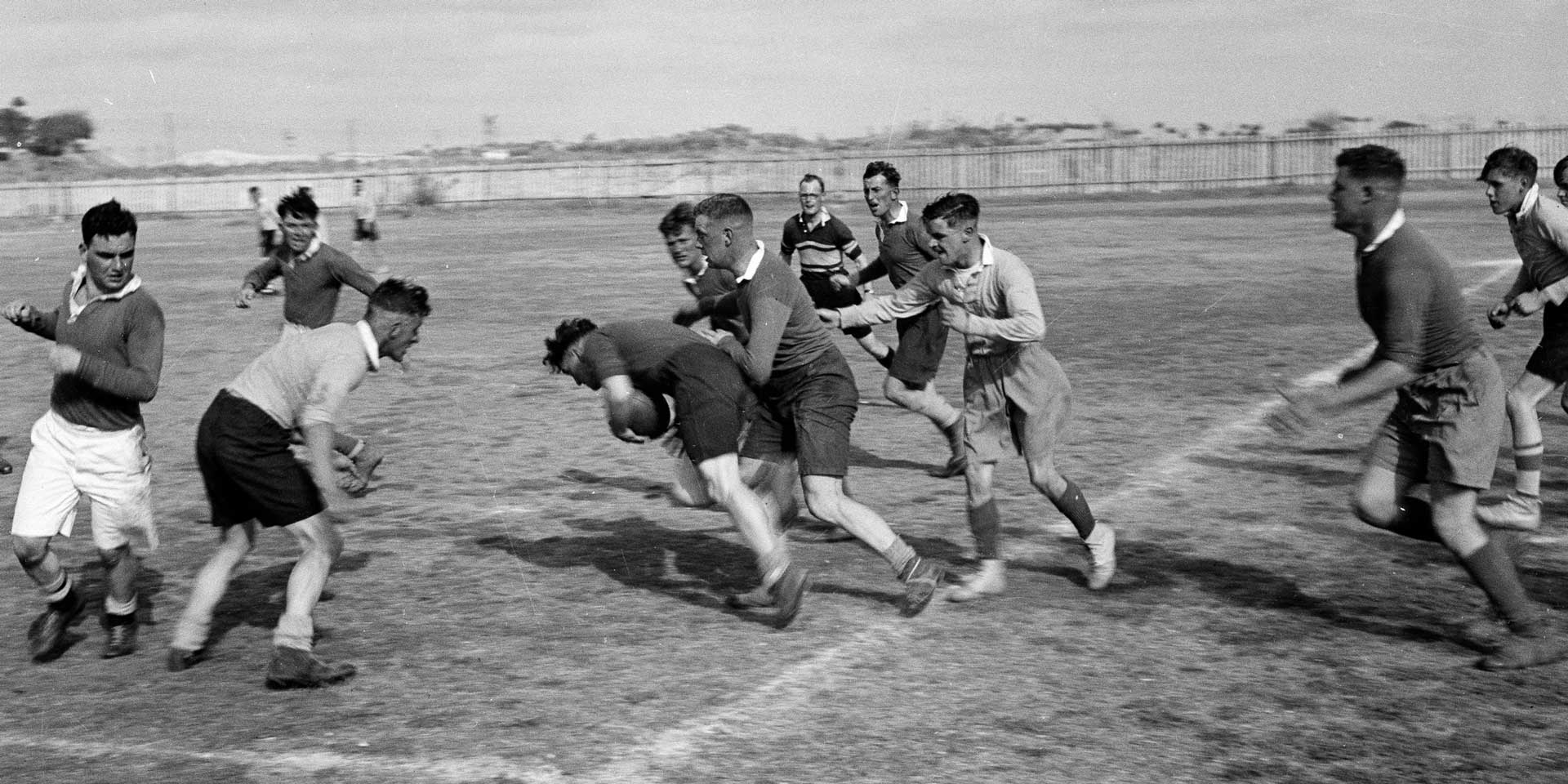
Sport and preparing troops for war

The Army has long believed that sport prepares men and women for combat by increasing fitness, channelling aggression and instilling discipline.

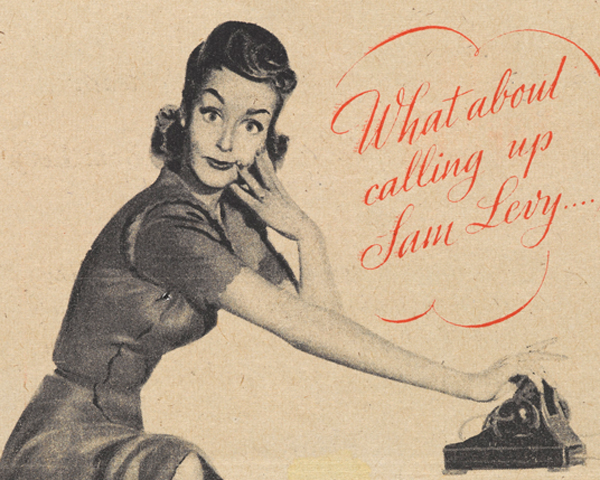
German propaganda leaflet, 1943

Absence makes the heart grow fonder?

Separation from loved ones is among the hardest things a soldier has to deal with. Lengthy campaigns have kept husbands from their wives and parents from their children.

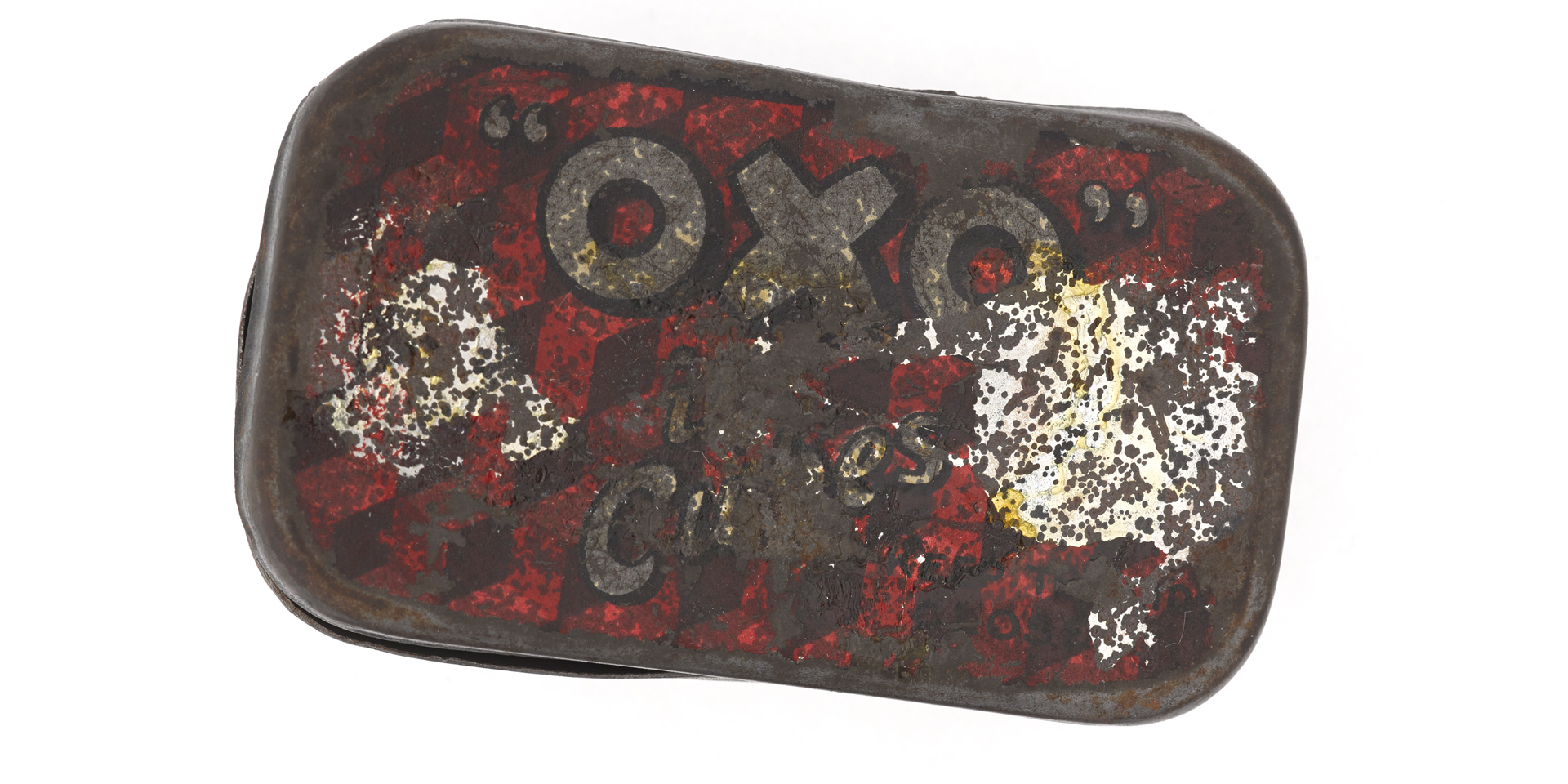
Oxo tin, 1915

The original bulletproof vest?

During the First World War, Private Stephen Palmer was sent an Oxo tin that ended up saving his life. Here, we delve deeper into his story and explore some other soldiers' unconventional life-saving possessions.

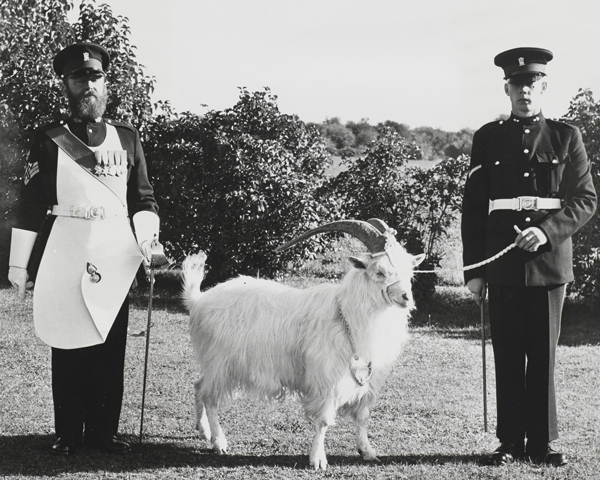
Goat mascot of the Royal Welsh Fusiliers, 1950s

Army mascots

Since the 18th century, regiments have kept animals as mascots to work alongside them, bring them luck and strengthen morale.

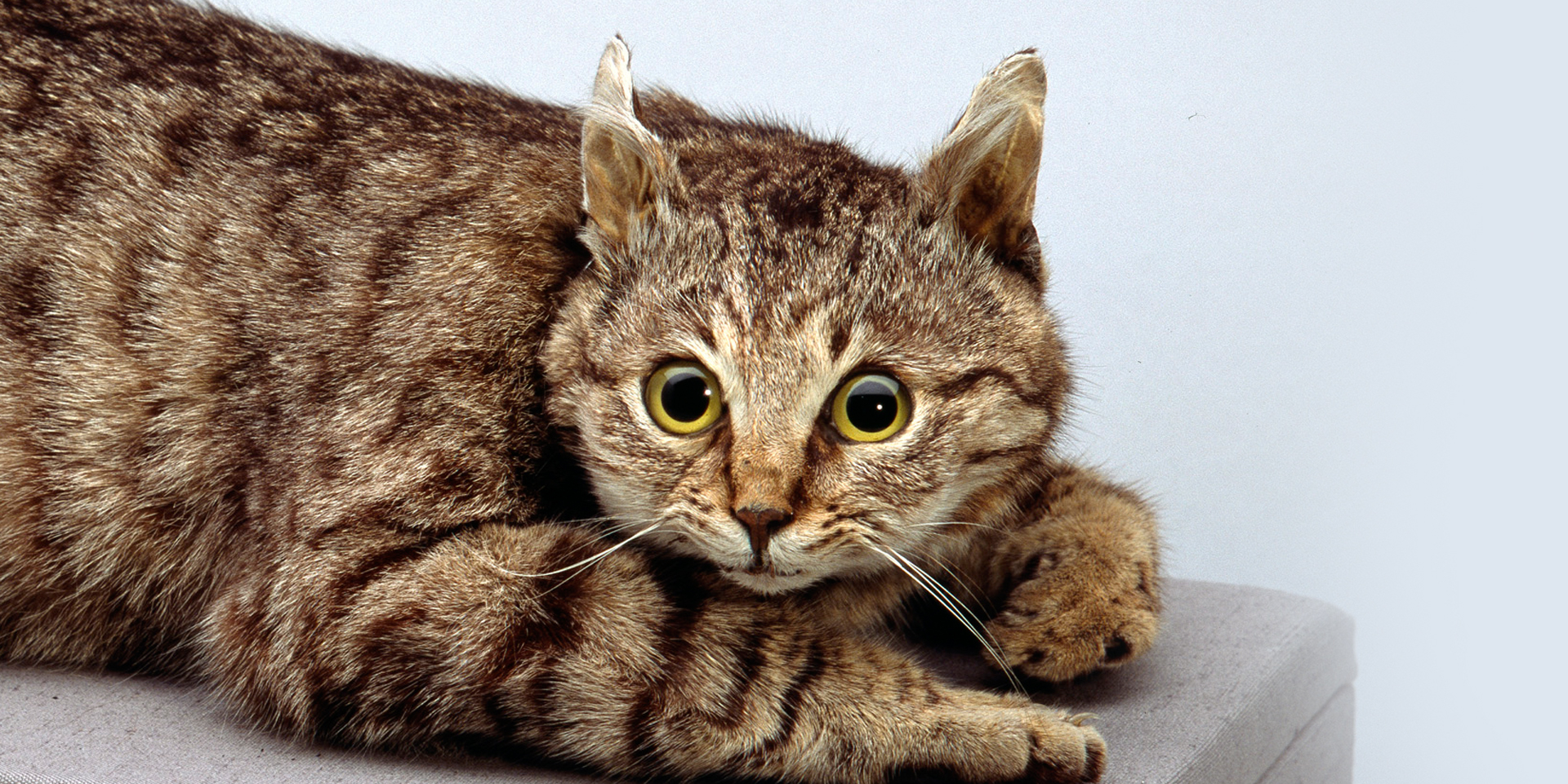
Crimean Tom, 1850s

Perfect pals and pets for soldiers

Animals have always provided companionship to soldiers on the front line, either serving as a distraction from the trials of war or sharing the hardship and danger of combat.

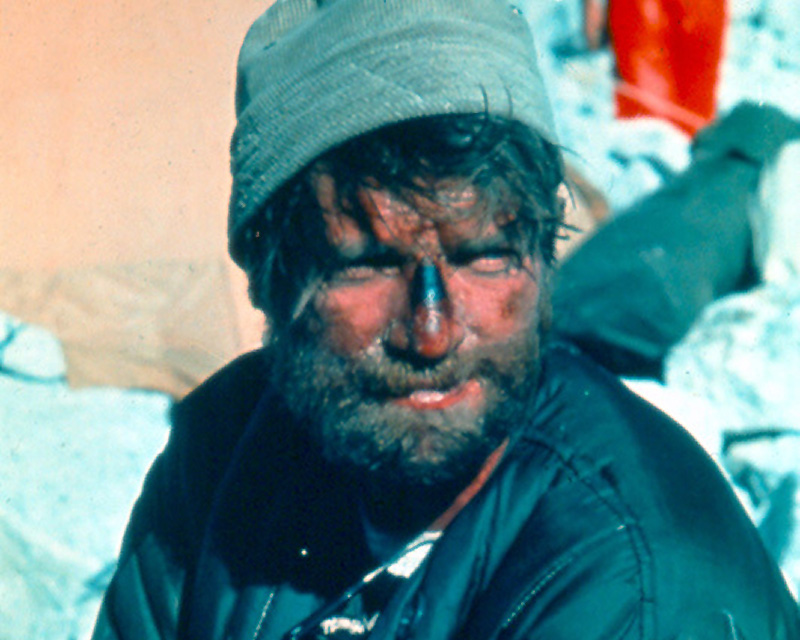
Major Bronco Lane, 1970s

‘Bronco’ Lane: Everest adventurer

Adventure training is an important part of life in the modern British Army, but it comes with its own risks. Major 'Bronco' Lane lost more than he bargained for on an expedition to Mount Everest in 1976.

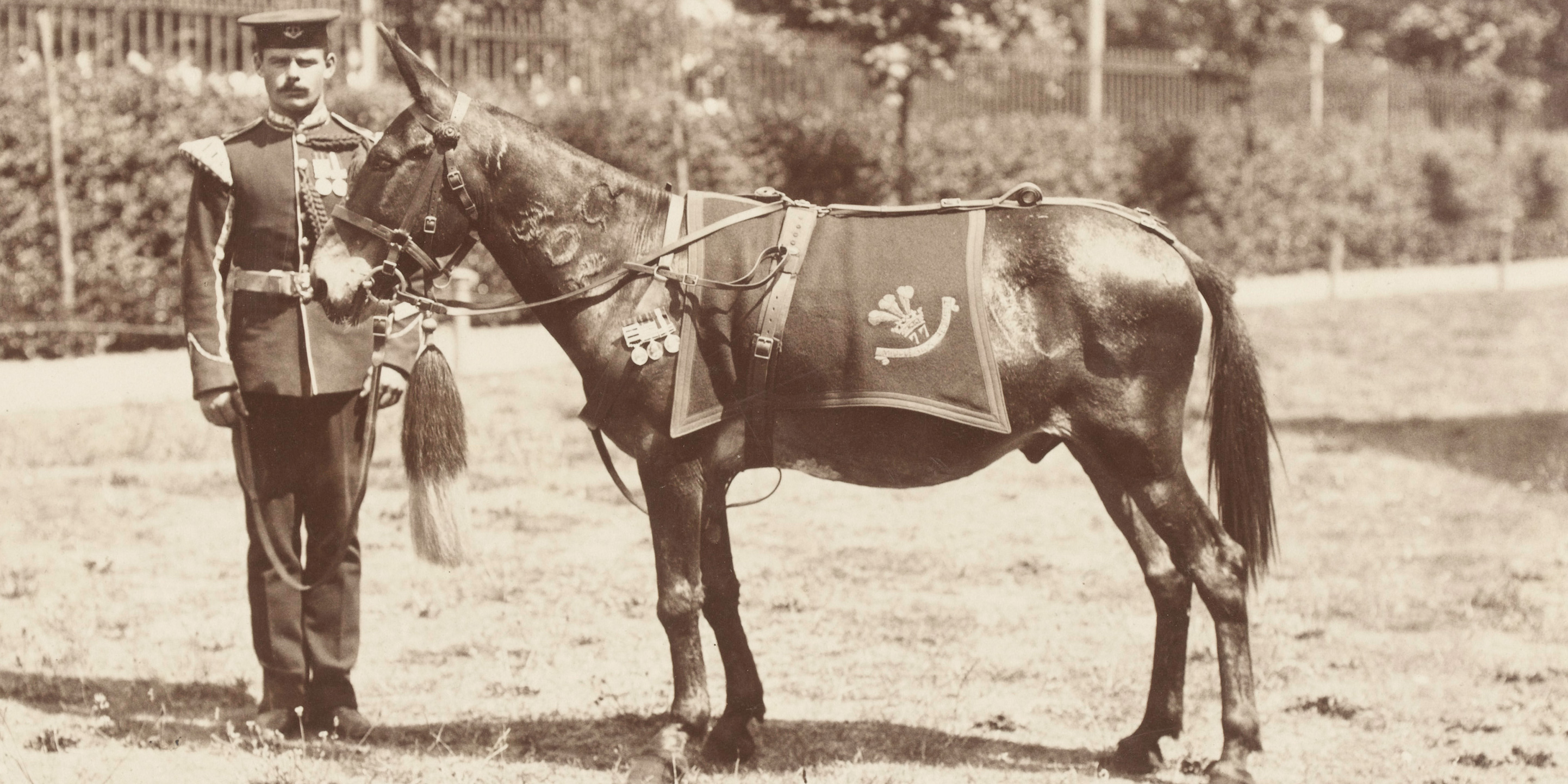
Jimson the mule

Britain’s most highly decorated mule

Jimson was the beloved mascot of 2nd Battalion, The Middlesex Regiment. He was 'awarded' medals for service in India and the Boer War.

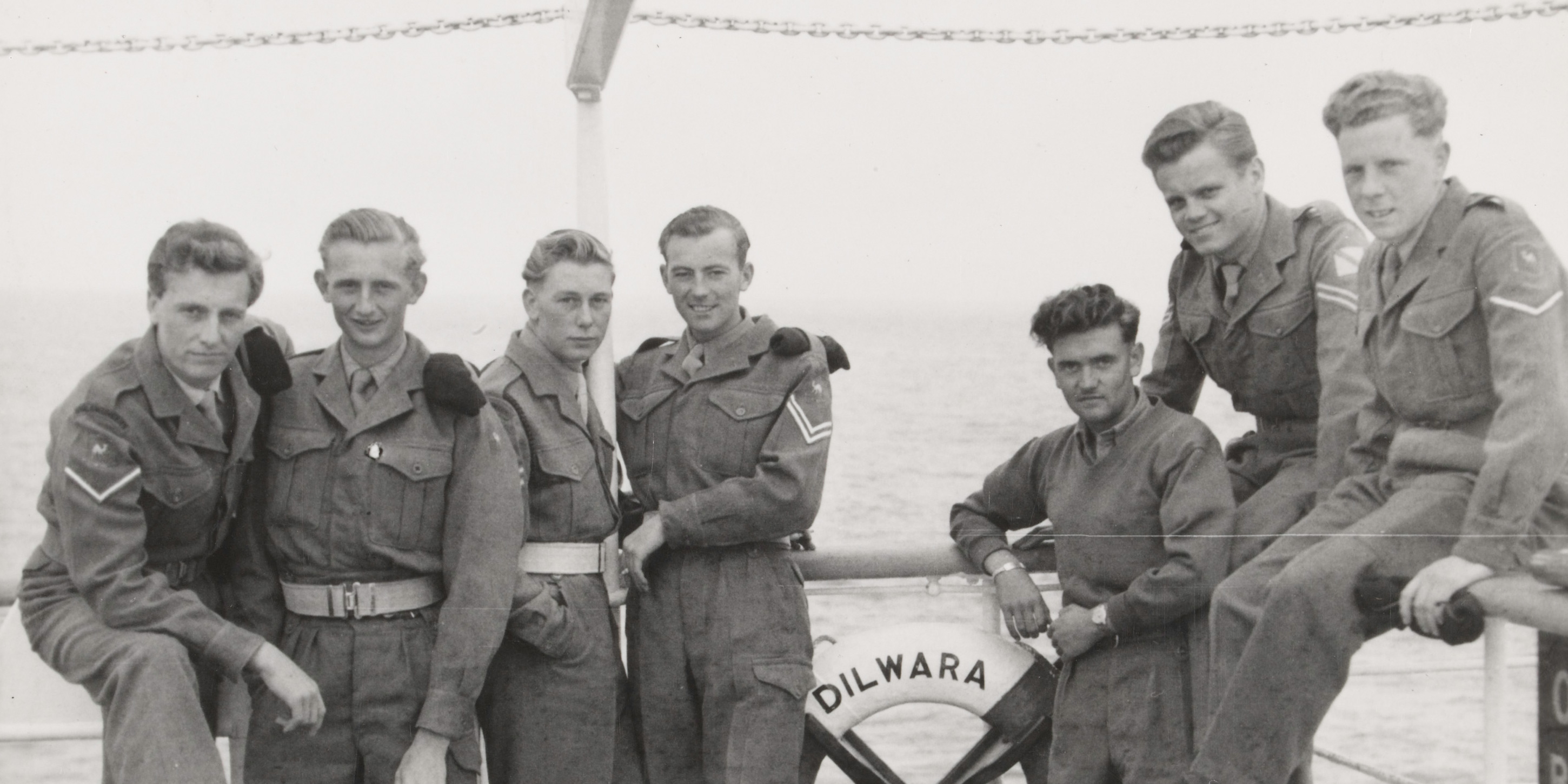
National Servicemen, 1954

The National Service experience

For some, National Service was a horrible experience. For others, it was a time of great adventure and camaraderie.

Boarding the troopship ‘Nevasa’ on route to Malaya, 1957

What was National Service?

National Service, a standardised form of peacetime conscription, came into force in 1949 for all able-bodied men between the ages of 17 and 21.

Sir William Inglis, 1820

William Inglis: The original die-hard

Major-General Sir William Inglis had a long and successful career. But it was his actions in the Peninsular War, when he showed enormous personal courage and leadership under fire, that earned him national fame.

Stories of remembrance

story

Peace and commemoration

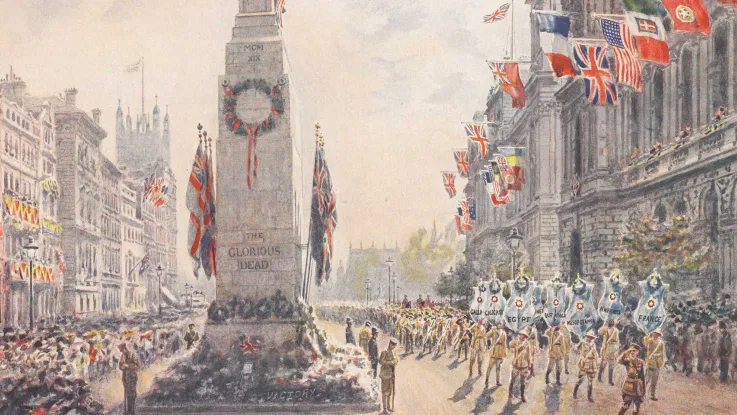
After the Armistice in November 1918, millions of soldiers hoped they would soon go home. But demobilising so many troops was a huge task. How best to mark the Allied victory also became a subject for debate.

Story

Honouring the fallen

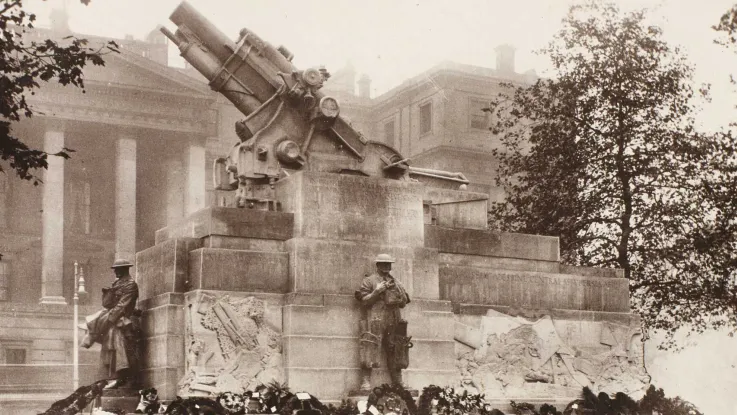
After the First World War, British society had to come to terms with the loss of huge numbers of its service personnel. Across the country, people found ways to commemorate the fallen at a local and national level.

Story

The Unknown Warrior

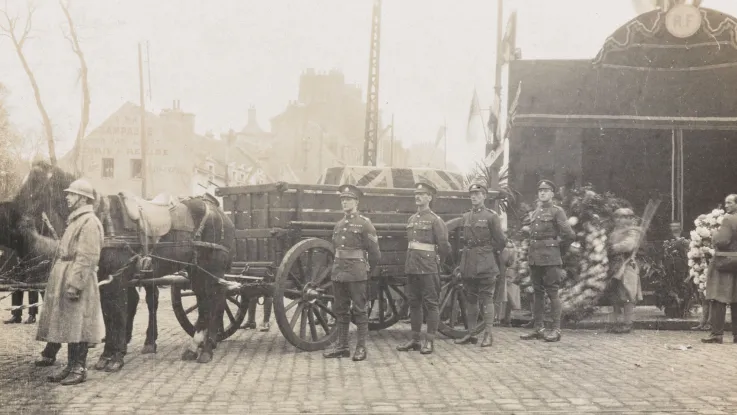
The grave of the Unknown Warrior contains the remains of an unidentified British serviceman, interred in 1920 to honour the fallen of the First World War. The secretive selection process remains shrouded in mystery.