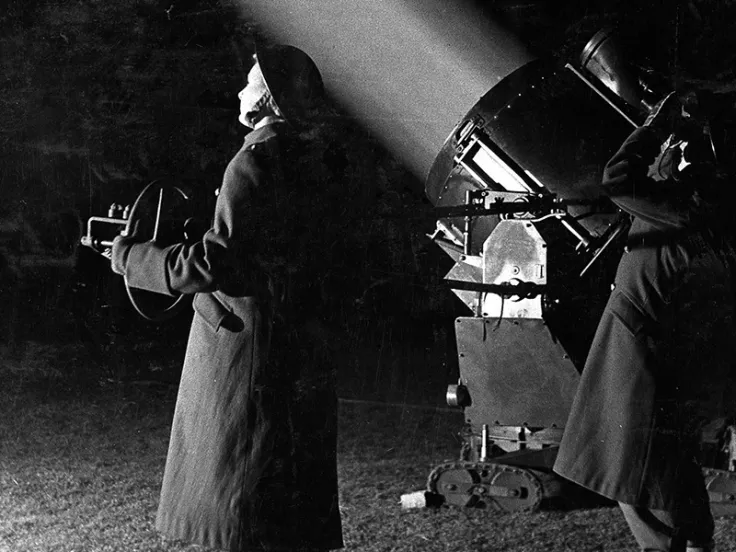
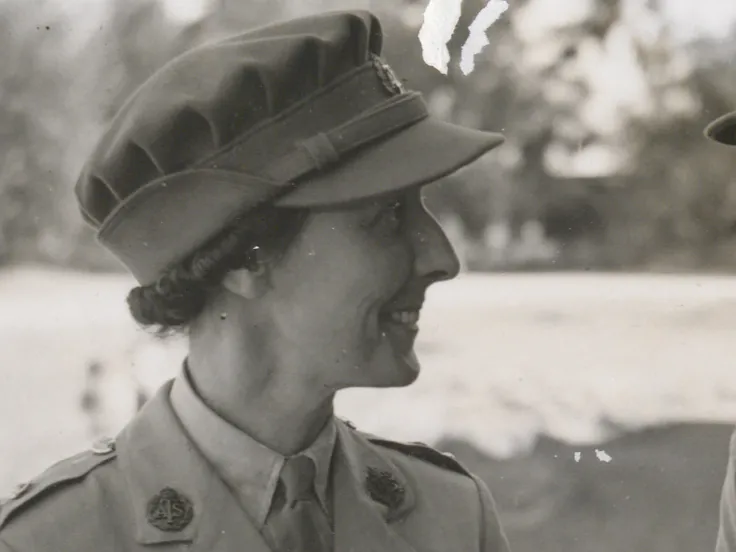
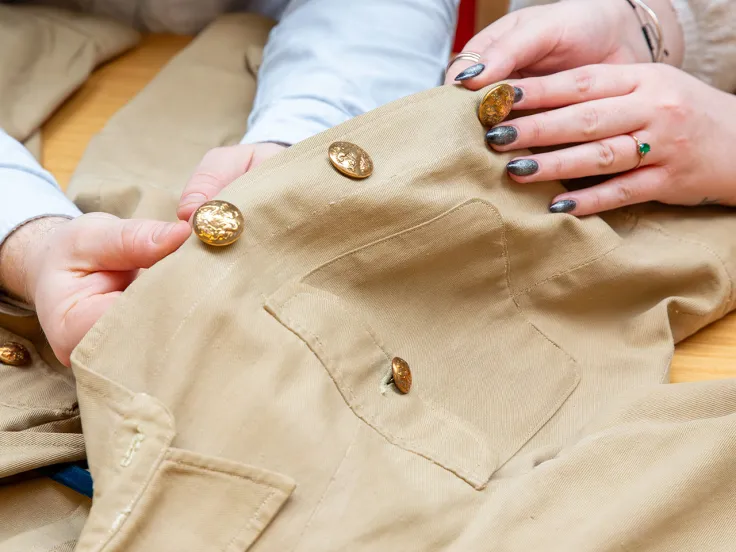
Audrey Chitty was one of many women who stepped up to meet the challenges of the Second World War. She played a key role in establishing the Auxiliary Territorial Service in the Middle East.
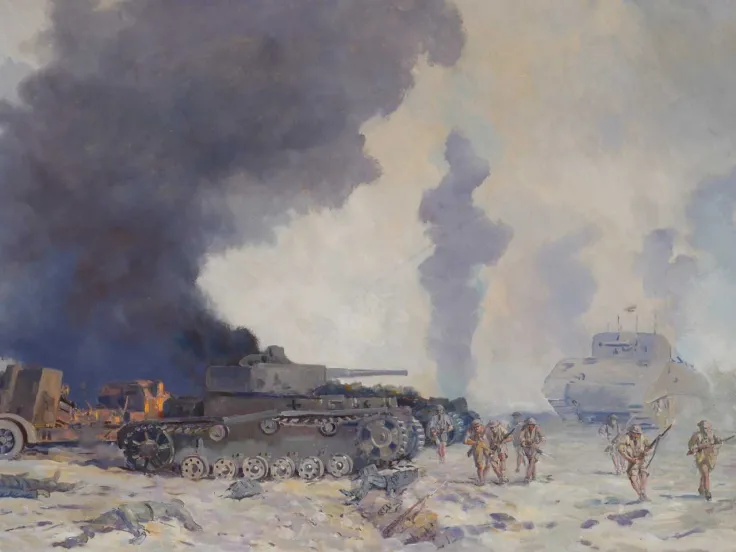
Fought in October-November 1942, this was the climax and turning point of the North African campaign of the Second World War. The armies of Italy and Germany suffered a decisive defeat by the British Eighth Army.
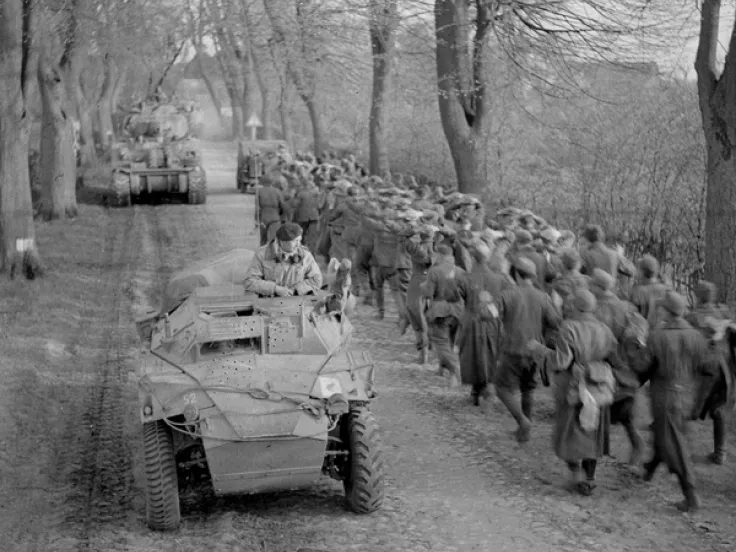
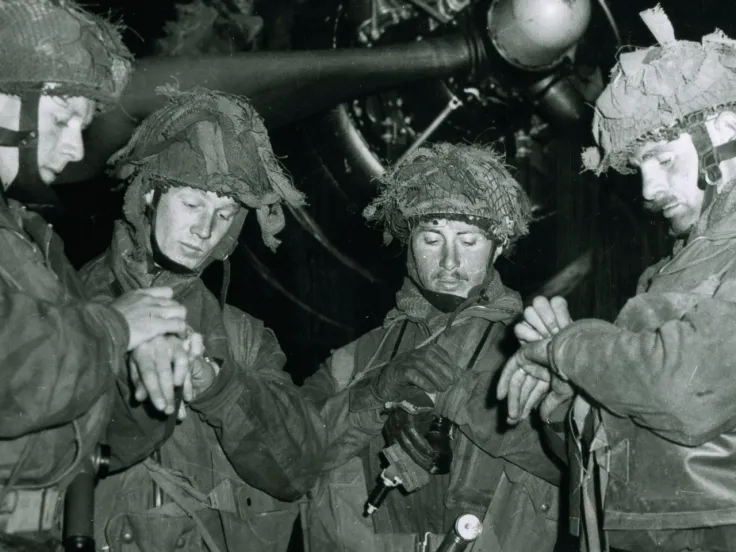
In the spring of 1945, Allied armies began their final advance into the heart of Nazi Germany. After weeks of intense fighting, they secured victory, ending the most destructive war in Europe's history.
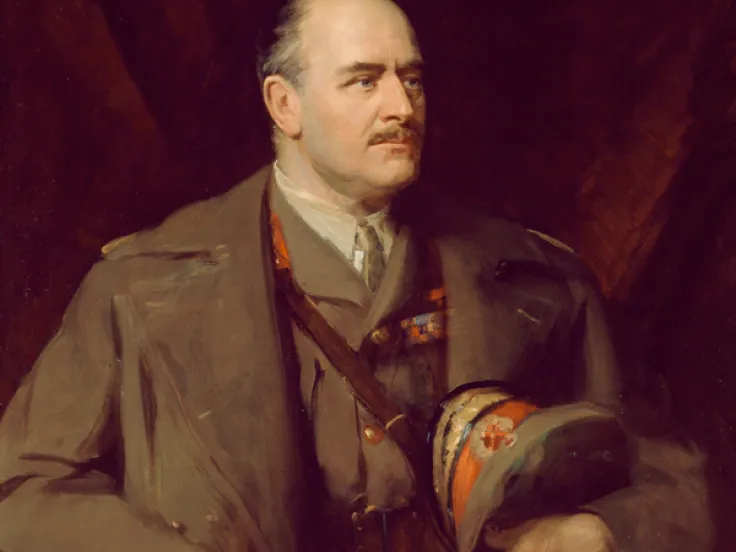
General Sir Edmund Allenby led the British Empire to victory in the Middle East in 1918. He successfully pioneered the combined use of infantry, cavalry and aeroplanes at the Battle of Megiddo.
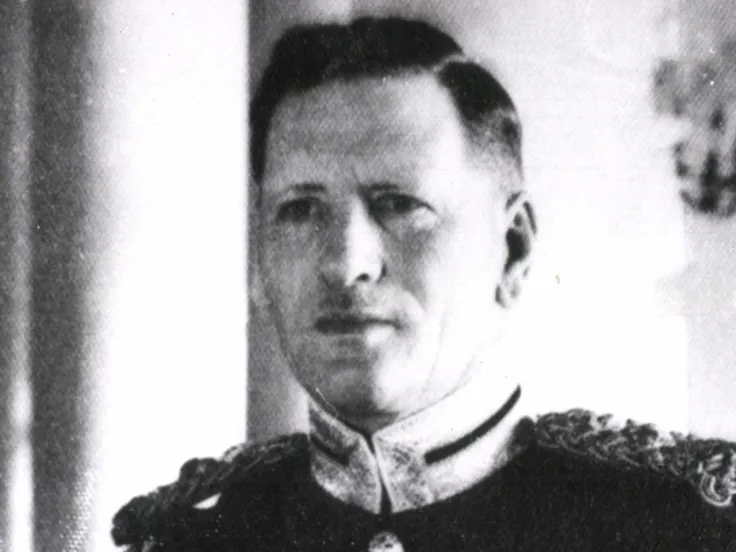
After initial successes in North Africa during the Second World War, Field Marshal Sir Claude Auchinleck transferred to India as Commander-in-Chief. His unstinting logistical support there was vital to the Allied re-conquest of Burma.
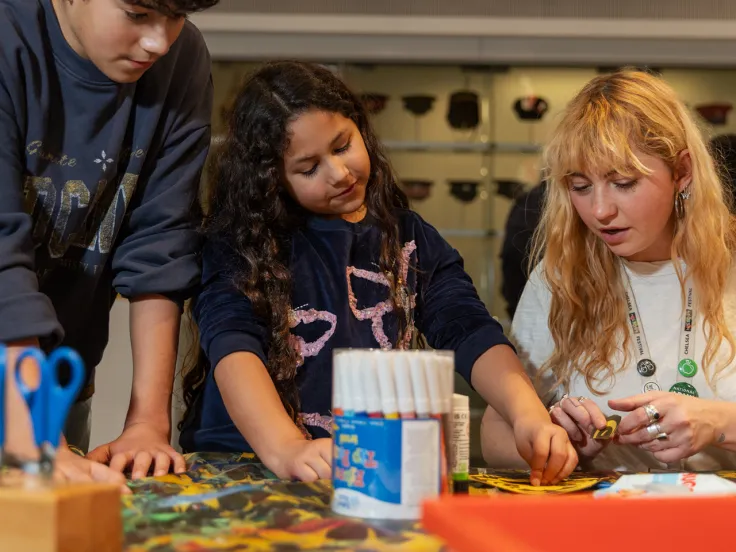
Take inspiration from the French artist Paul Sarrut this October half-term. Make your very own sketchbook, perfect for drafting some mini masterpieces.