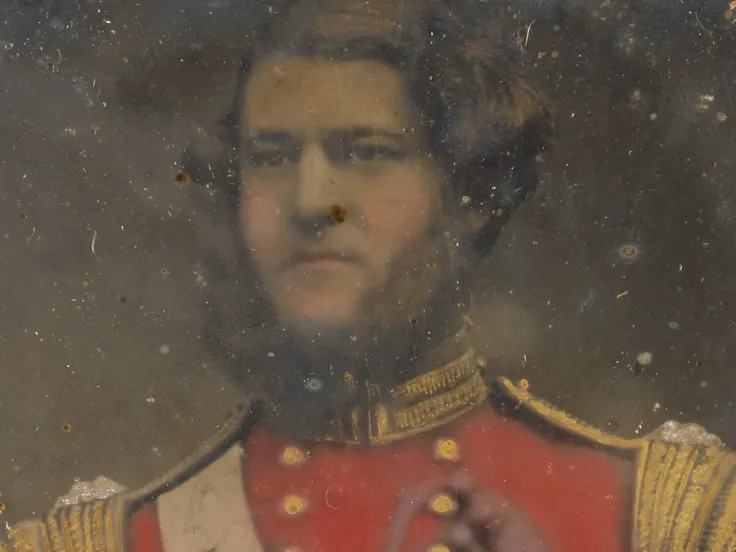
Queen Victoria’s reign coincided with the rapid development of photography. This new medium helped shape attitudes towards military heroism, imperial power and the British soldier.
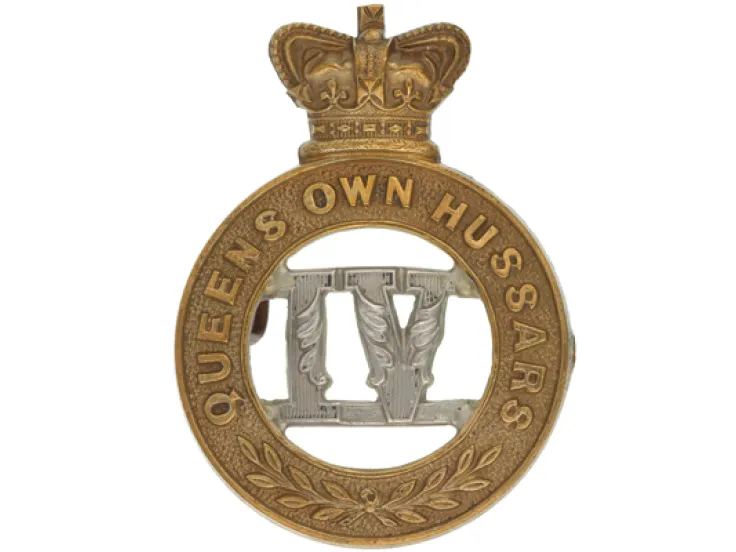
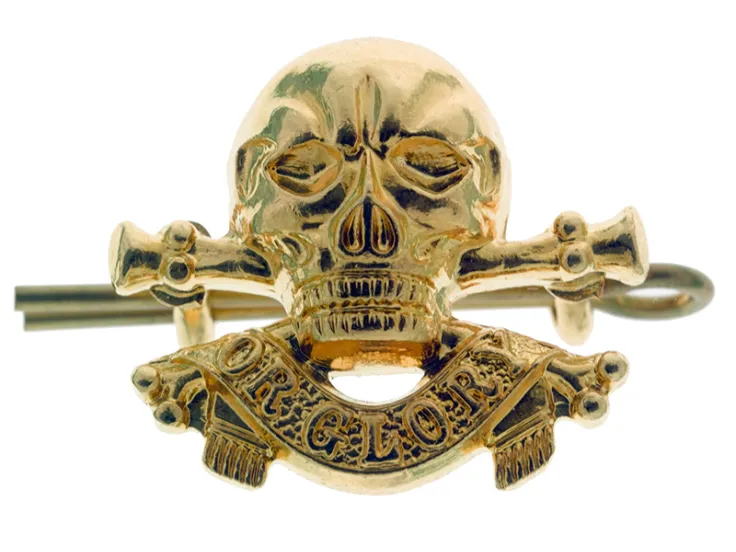
This British Army cavalry regiment was formed in 1685. It served in many campaigns until 1958, when it was merged into The Queen’s Royal Irish Hussars.
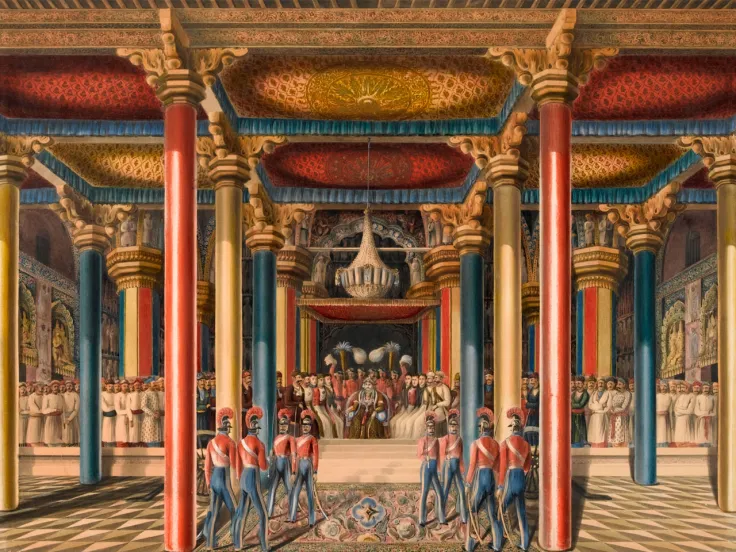
Artworks created by Indian artists for the British soldiers serving on the subcontinent provide a fascinating insight into early Anglo-Indian relations.
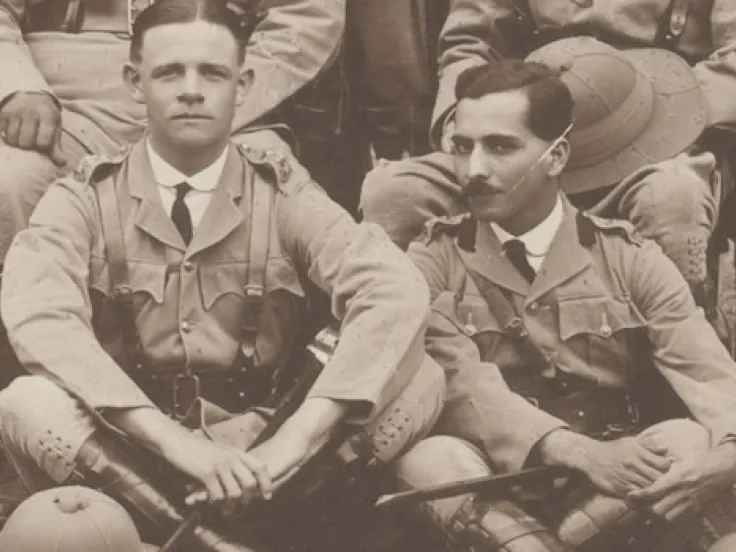
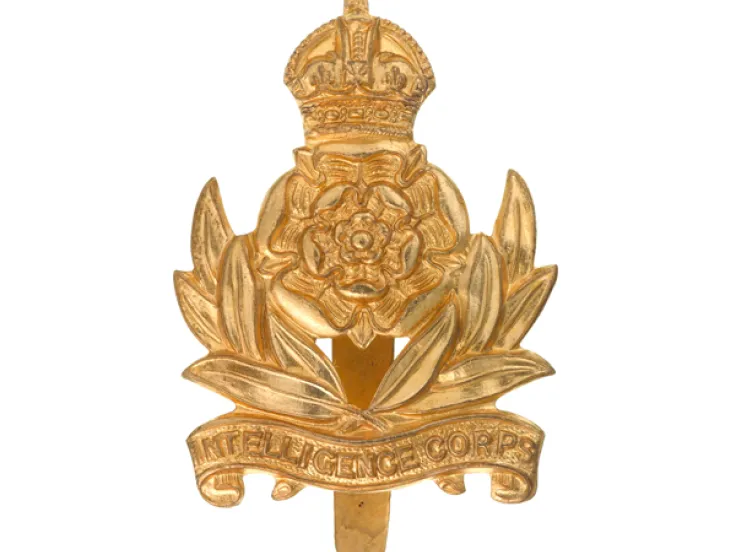
This British Army unit was originally formed in 1914. It is responsible for collecting, analysing and disseminating military intelligence and also for counter-intelligence and security.
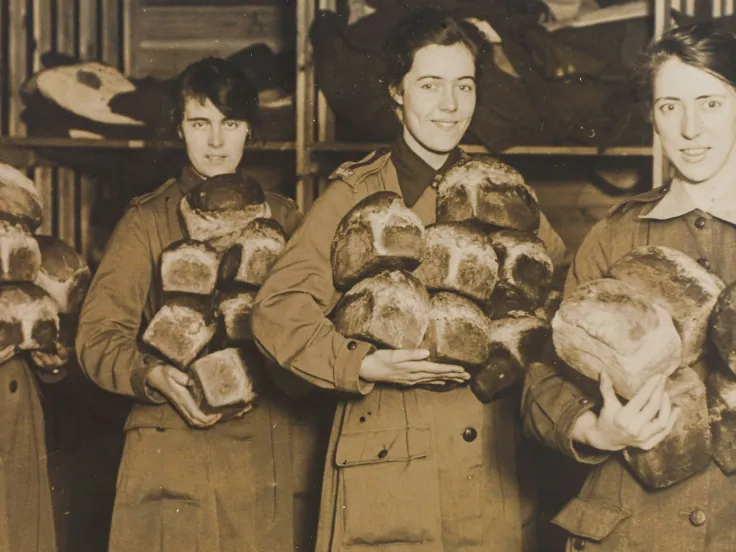
To be effective, an army relies on good and plentiful food, especially on campaign. British Army food has evolved through the ages, ranging from bully beef and biscuits to veggie curries.
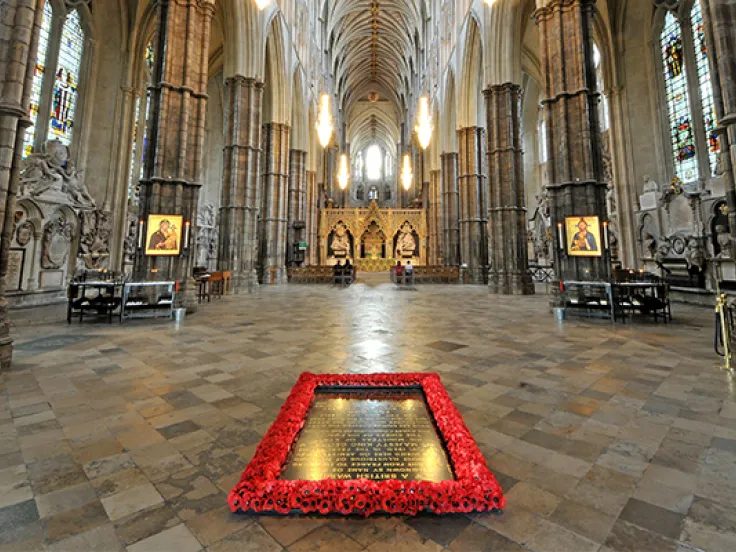
7 October 2020: To mark the centenary of the Unknown Warrior being laid to rest in Westminster Abbey, the National Army Museum presents a new exhibition telling the story of this symbolic memorial.
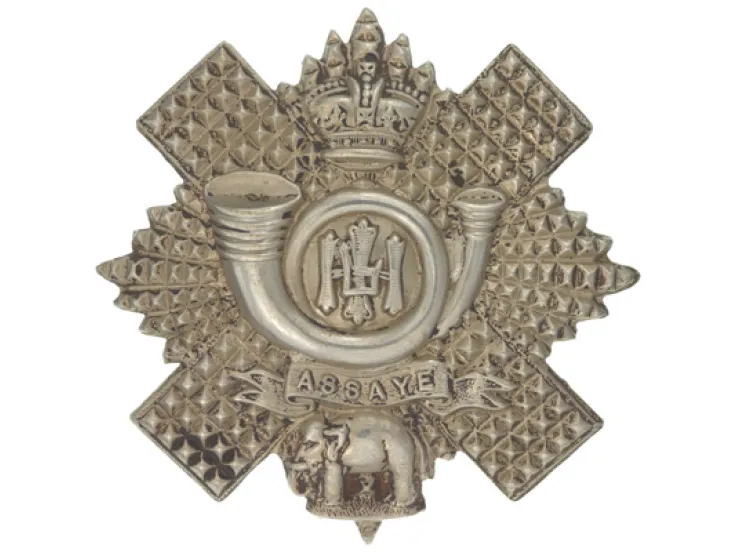
This infantry regiment was formed in 1881 and drew its recruits mainly from Glasgow and the Scottish Lowlands. It merged with The Royal Scots Fusiliers in 1959 to become The Royal Highland Fusiliers.
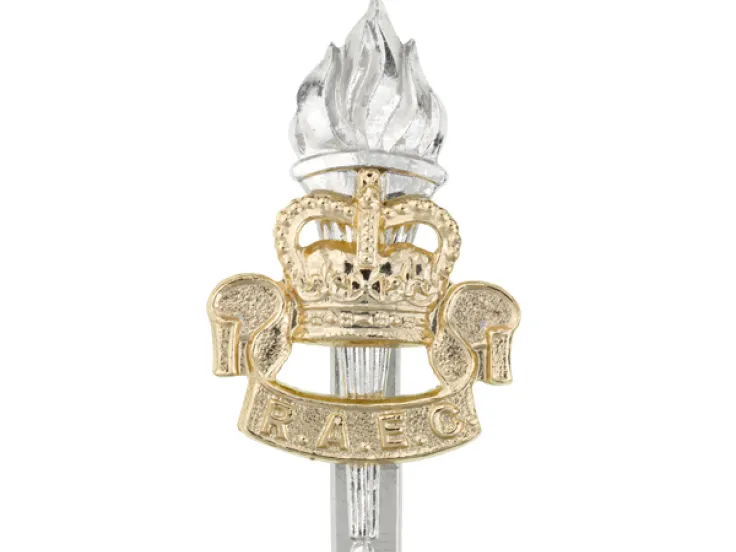
This British Army unit was responsible for educating and instructing soldiers in a range of subjects and skills. In 1992, it became a branch of the newly formed Adjutant General’s Corps.
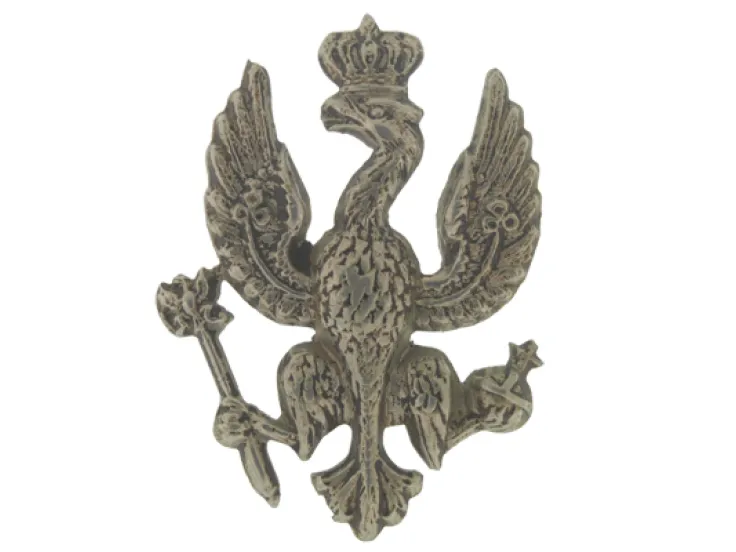
This British Army cavalry regiment was raised in 1715. It continued in service until 1922, when it amalgamated with the 20th Hussars to form the 14th/20th Hussars.