The National Army Museum's Archive and Library are full of personal stories. Captured in letters, diaries, memoirs and oral histories, these narratives provide valuable insights into the experiences of soldiers and the history of the Army.
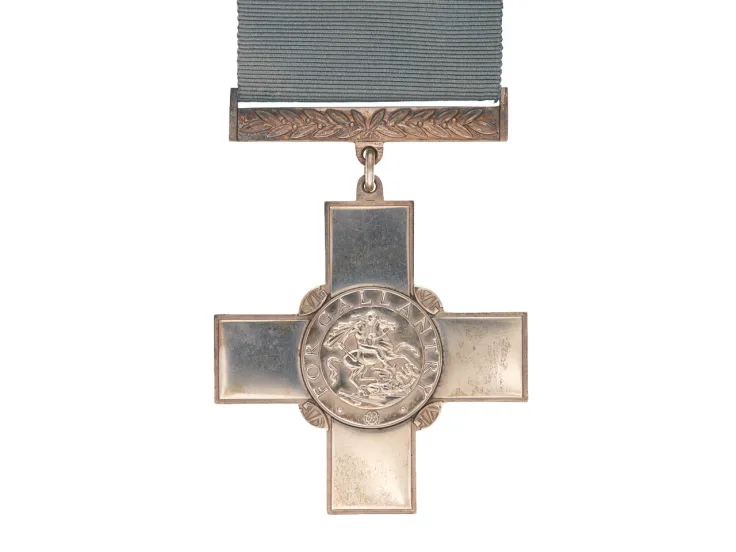
Alongside the Victoria Cross, the George Cross is Britain’s highest award for gallantry. It recognises acts of extraordinary courage by civilians and members of the armed forces, often where individuals risk their own lives to save others.
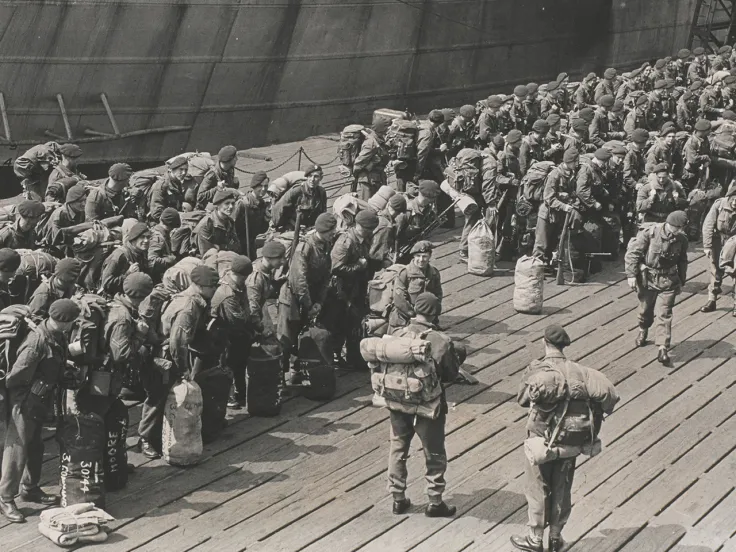
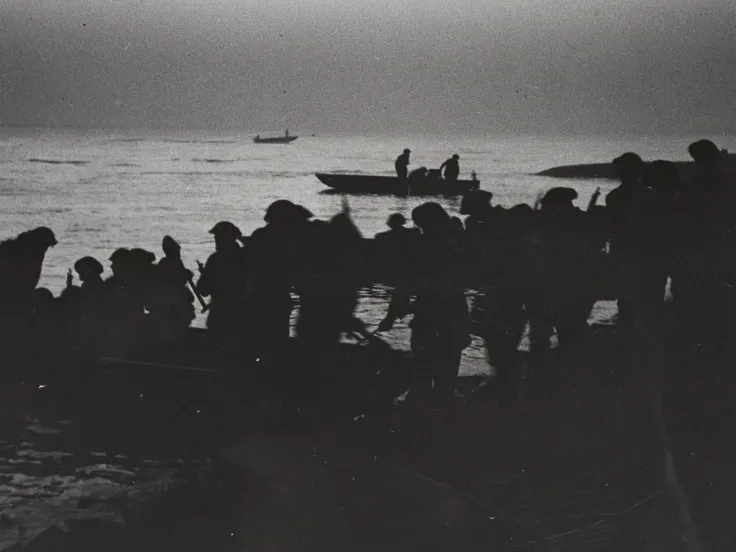
In June 1945, the British Army reached its wartime peak of 3.1 million soldiers. Troops were deployed all over the world on military, peacekeeping, administrative and occupational missions.
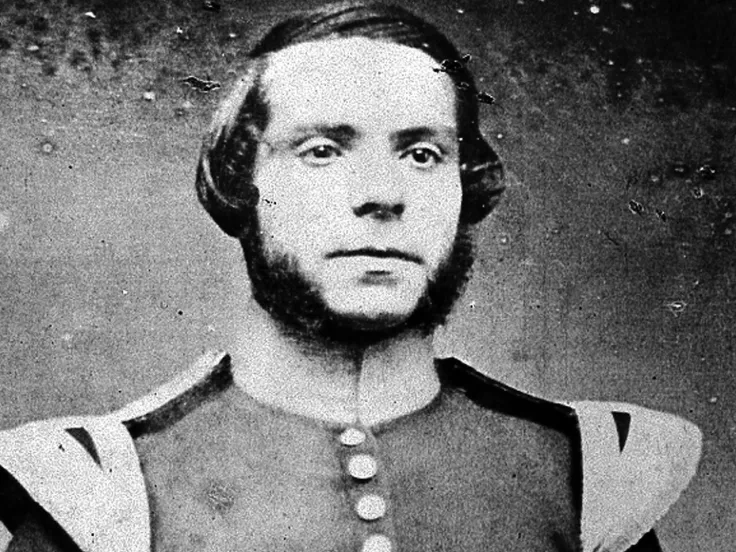
Frederick Newman served with the 97th Foot in the 1840s and '50s. Like many Victorian soldiers, he spent most of his military career abroad, enduring various hardships. He met his fate during the first cruel winter of the Crimean War.
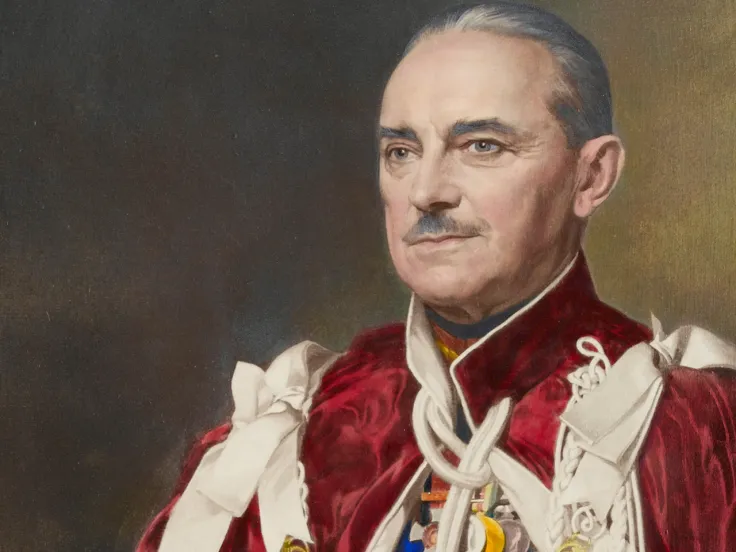
Field Marshal Sir Gerald Templer commanded infantry and armoured divisions during the Second World War. He later went on to lead a successful counter-insurgency operation in Malaya.
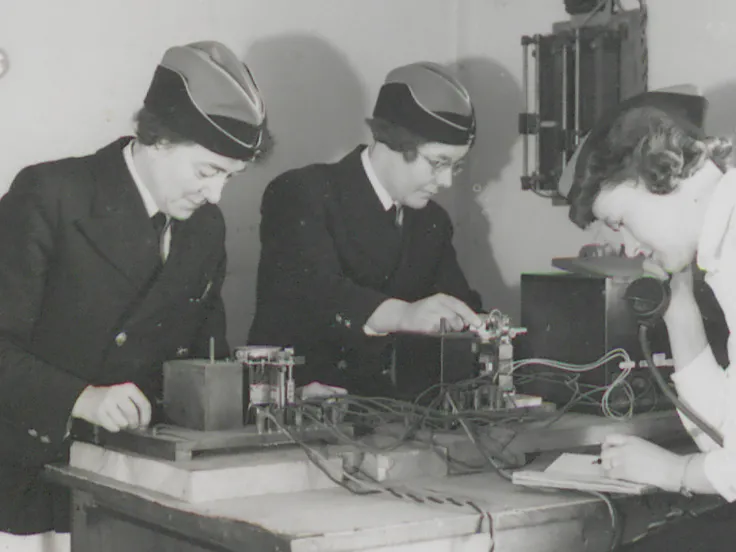
The voice of Mary Coomer, who served in the ATS during the Second World War, was recently discovered in the National Army Museum's collection of oral history interviews. This is her story, in her own words.
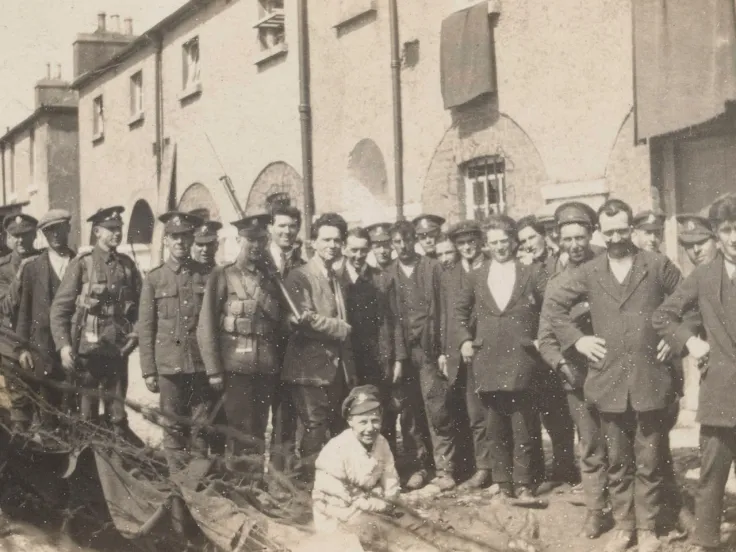
Fought between 1919 and 1921, this was a guerrilla and sectarian conflict involving Irish republicans, Ulster loyalists and British government forces. It brought about the creation of Northern Ireland and the Irish Free State.
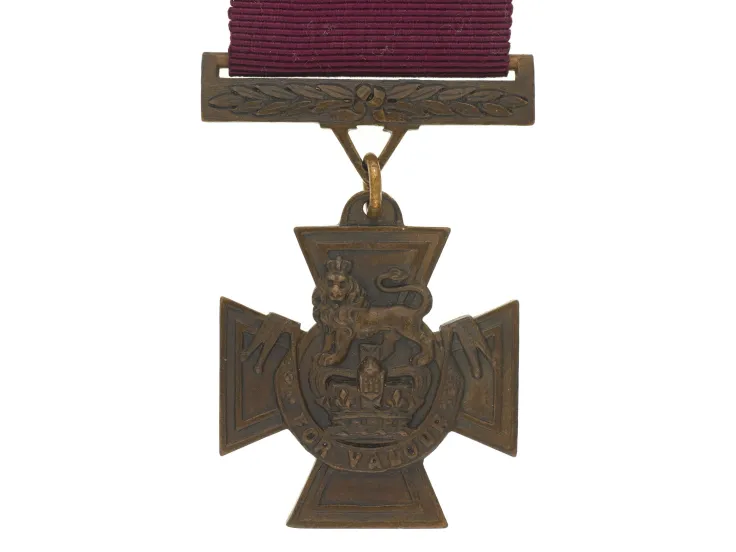
The Victoria Cross is Britain’s joint-highest award for gallantry. Granted for acts of extreme bravery in the presence of the enemy, it has achieved almost mythical status, with each award accompanied by an inspiring story of courage.
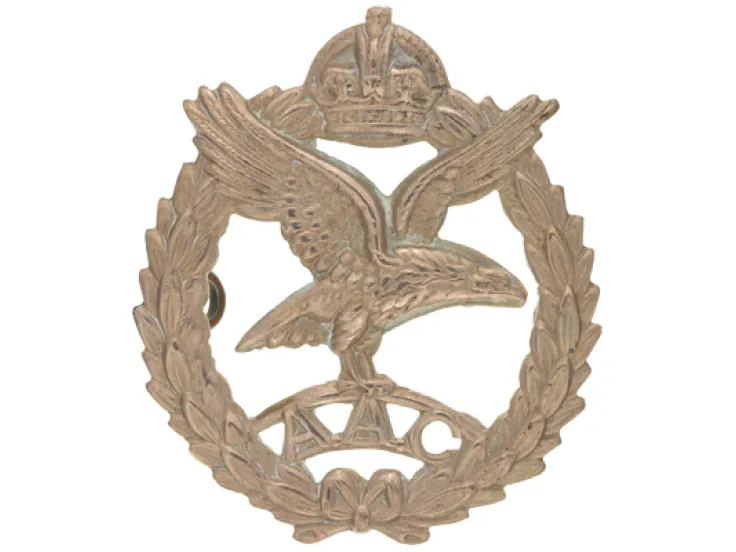
The Army Air Corps is the aviation combat and reconnaissance arm of the British Army. Its has origins dating back to the Second World War, but it was reformed in 1957.
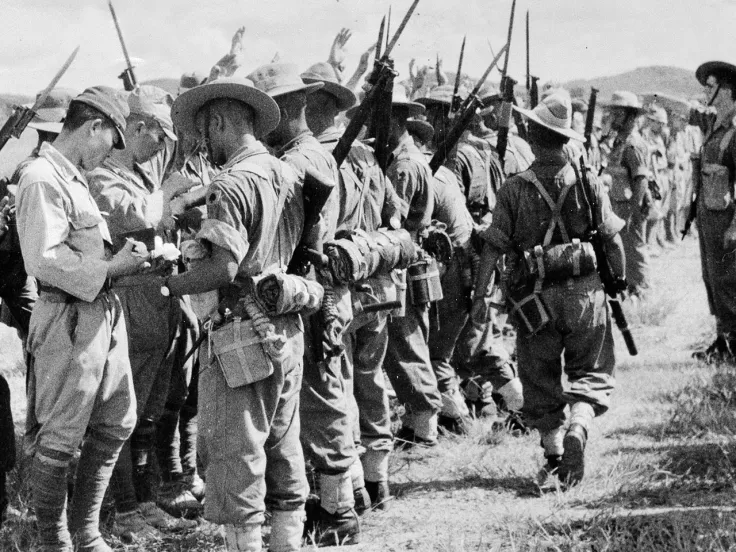
In August 1945, Britain celebrated Victory over Japan. Yet, with local conflicts erupting across Asia and tremendous problems to tackle in Europe, the Army’s work was far from done.
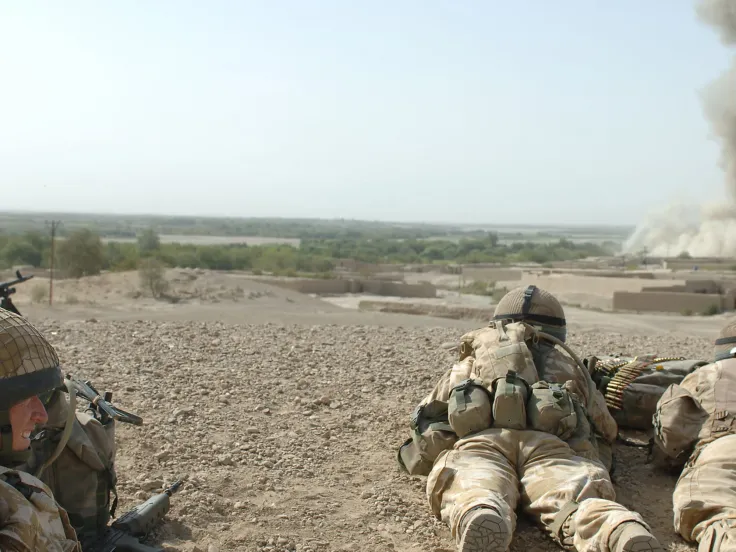
Britain's most recent war in Afghanistan began in the wake of the '9/11' terrorist attacks on the United States. It continued for 13 years with the last combat troops leaving the country on 26 October 2014.