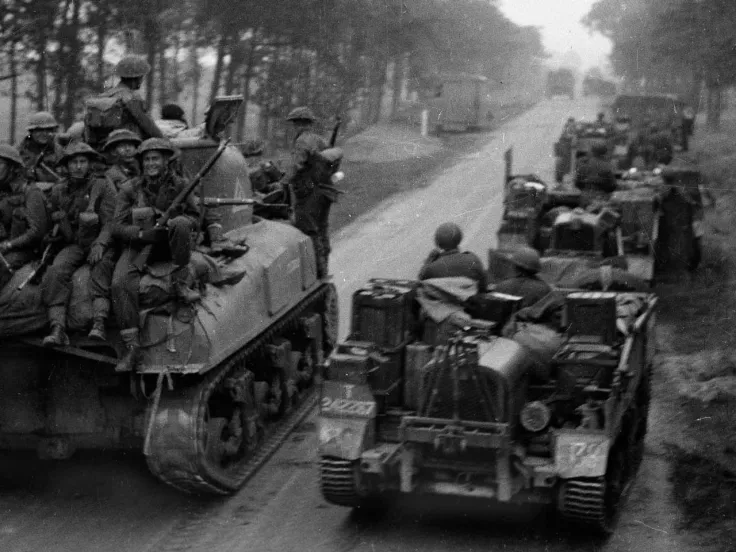
During 1944-45, the Allies endured months of fighting against a determined enemy. This bloody struggle eventually ended in the final defeat of Nazi Germany.
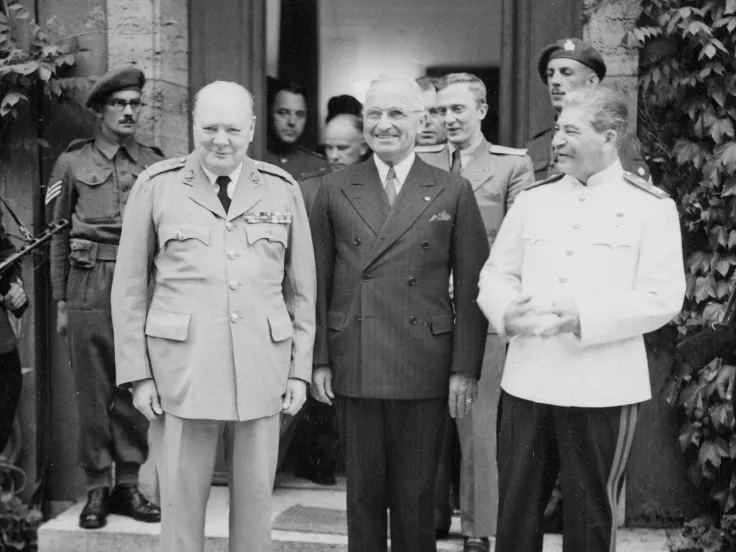
In July 1945, Allied leaders assembled at Potsdam to finalise their plans for postwar Europe. The discussions were held as news emerged that the United States had successfully tested a new superweapon.
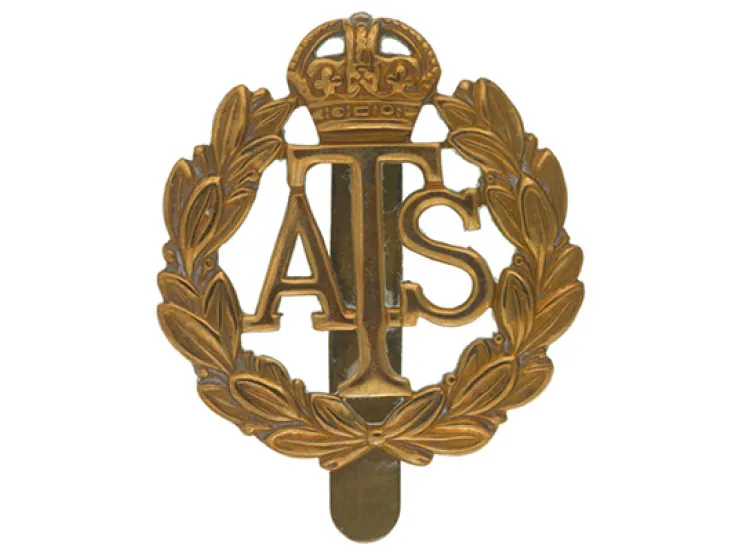
Formed in 1938, the Auxiliary Territorial Service tasked women with a range of vital roles during the Second World War. In 1949, its remaining troops transferred to the newly formed Women’s Royal Army Corps.
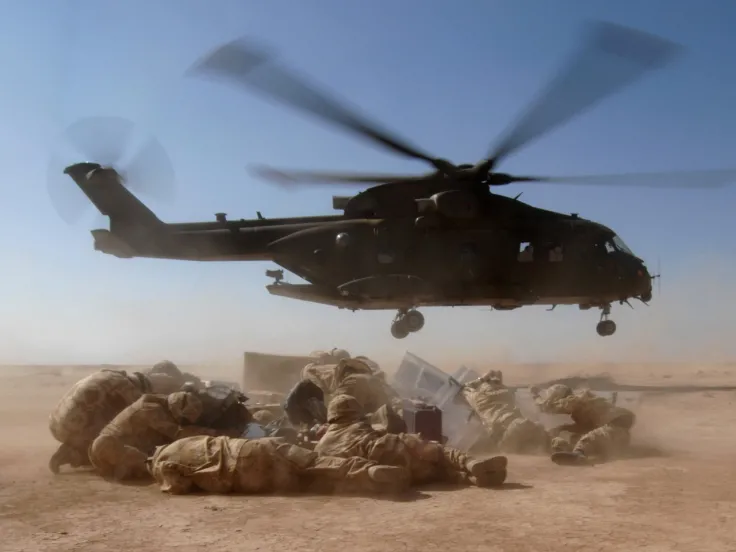
Between 2003 and 2009, British troops in Iraq were engaged in a counter-insurgency war. They also helped train local security units, assisted with reconstruction and provided humanitarian aid.
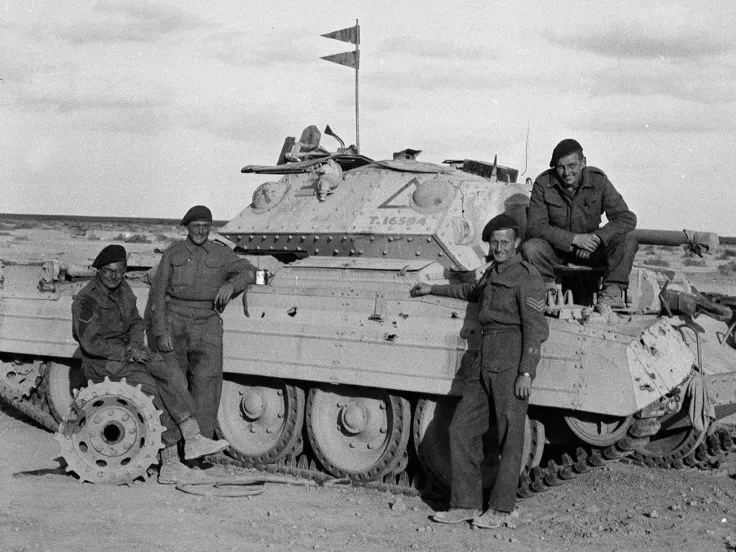
In the fourth instalment, we explore the wartime exploits of the 3rd County of London Yeomanry in 1941. During this time, the men of the unit underwent a baptism of fire in the Libyan desert.
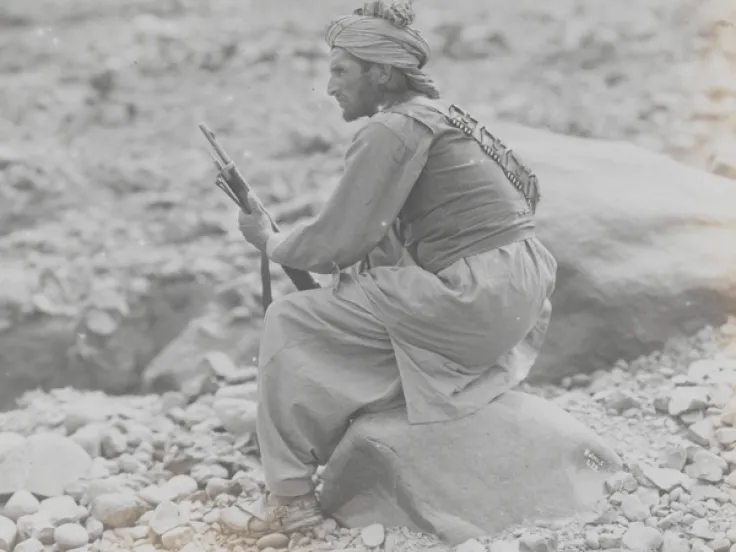
In May 1919, conflict broke out between British India and Afghanistan. Although peace was quickly agreed, the violence spread to the North West Frontier, challenging British control of that region.
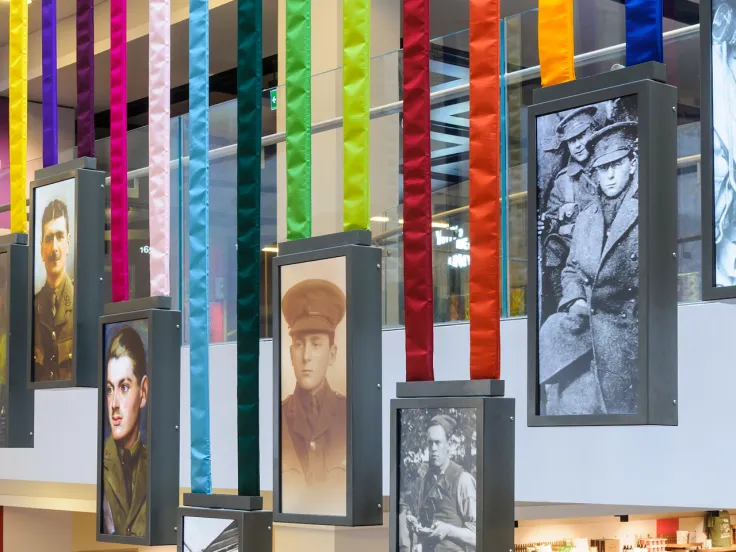
The colours of medal ribbons carry symbolic meanings, drawing on deep-rooted traditions in military history and heraldry. This symbolism is an important part of medal design.
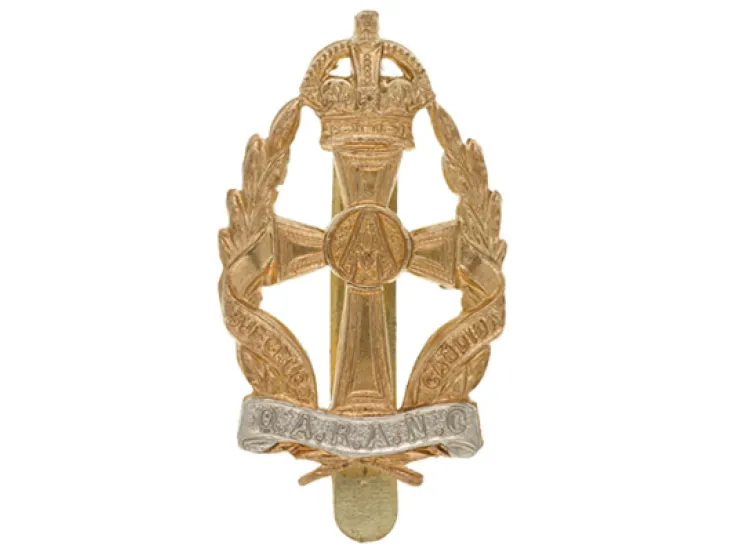
This medical unit provided nursing services to British Army personnel across the world. Although formed in 1902, its origins dated back to Florence Nightingale's pioneering nursing work during the Crimean War. In 2024, it merged with two other corps to form the Royal Army Medical Service.
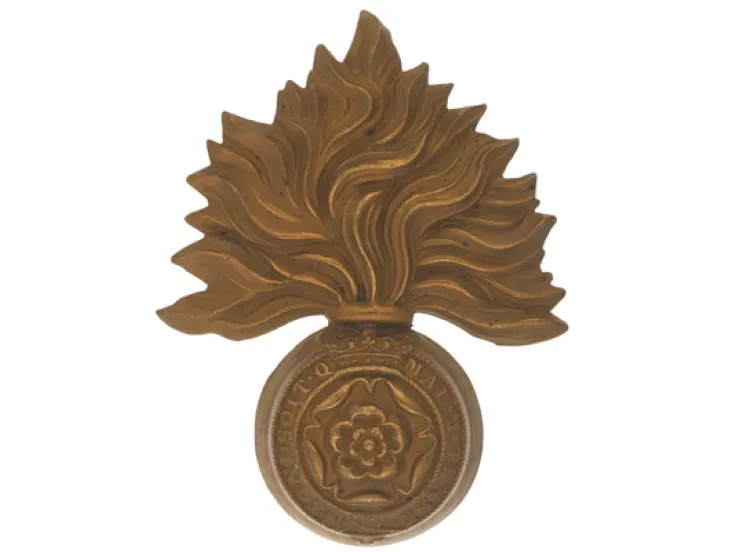
The Royal Fusiliers was an infantry regiment dating back to 1685. It was the first British Army regiment to be designated as fusiliers and later became the city regiment for London.
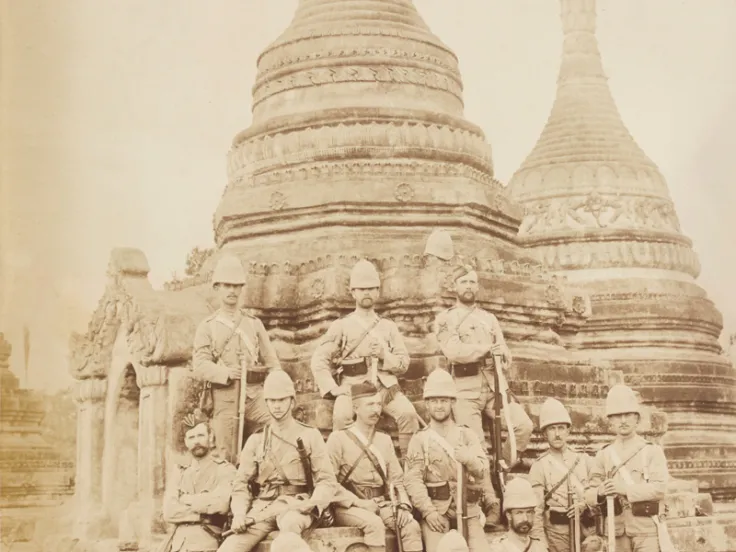
Following a series of fractious disputes, the British invaded Upper Burma in late 1885 and overthrew its king. While the country was quickly annexed to British India, a guerrilla war ensued that rumbled on for the best part of a decade.
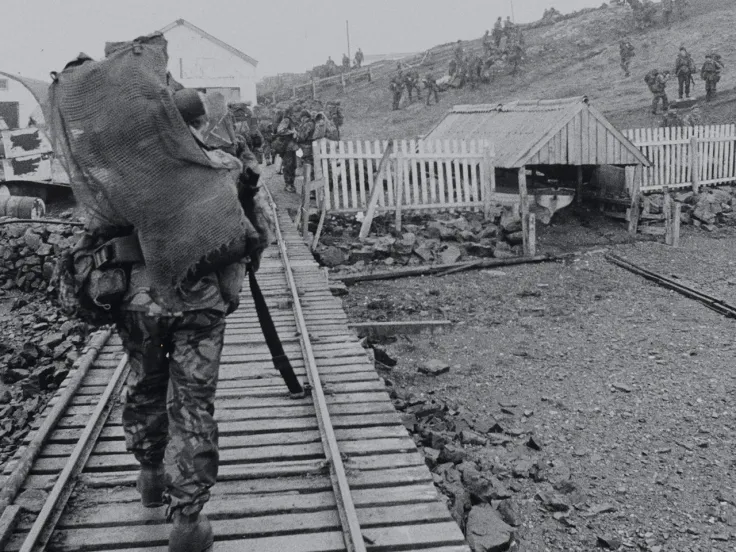
In 1982, the British Army took part in a campaign to retake the Falkland Islands from the Argentine military. This film reveals some of the incredible personal stories from the conflict that have been preserved by museums across the UK.
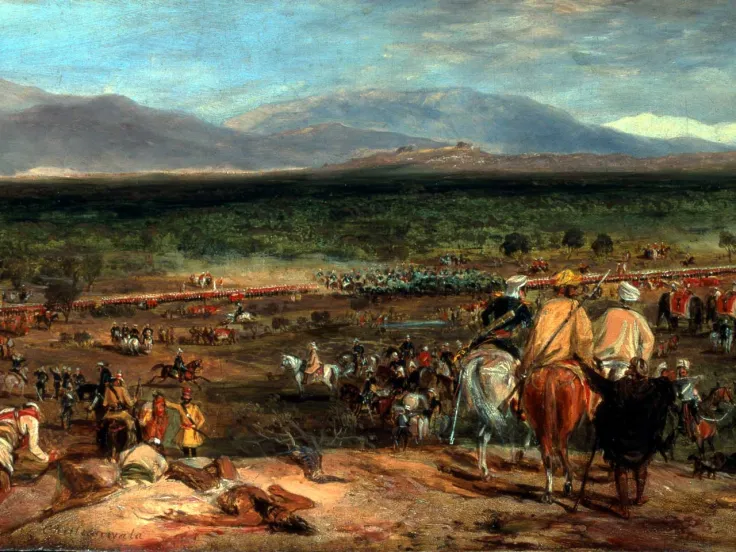
In 1848-49, British-Indian forces were once again at war with the Sikh Empire. The campaign that raged across the Punjab eventually led to the region's full annexation by the British and the removal of one of the last Indian powers able to challenge British control of the subcontinent.