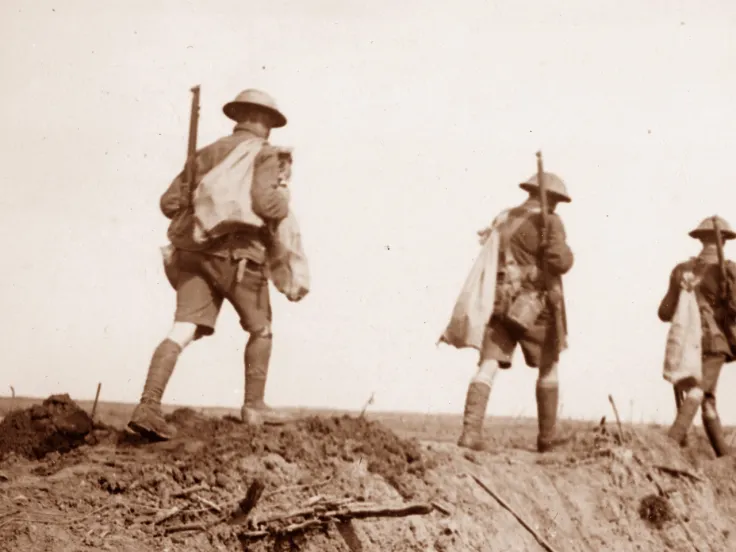
In July 1917, the British and French launched a massive offensive near the Belgian city of Ypres. The bitter struggle that followed came to symbolize the horrors of trench warfare.
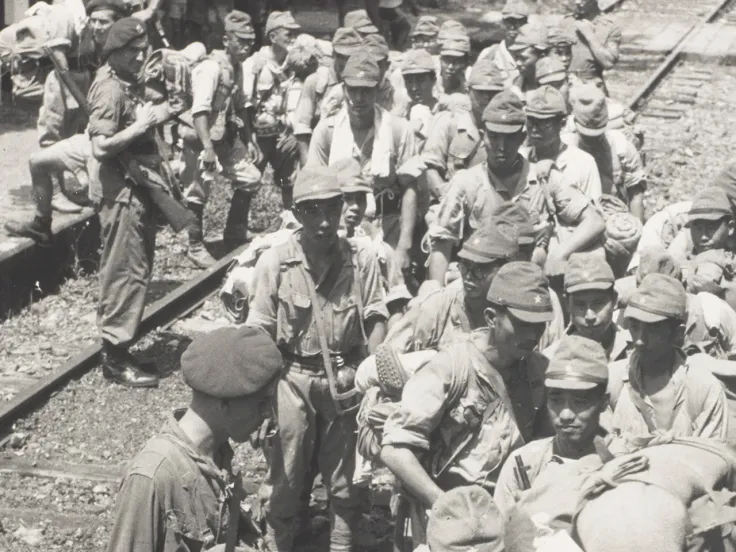
By September 1945, the Allies' full focus was on building a sustainable peace. During the final months of the year, British soldiers faced all manner of new challenges arising from the aftermath of the Second World War.
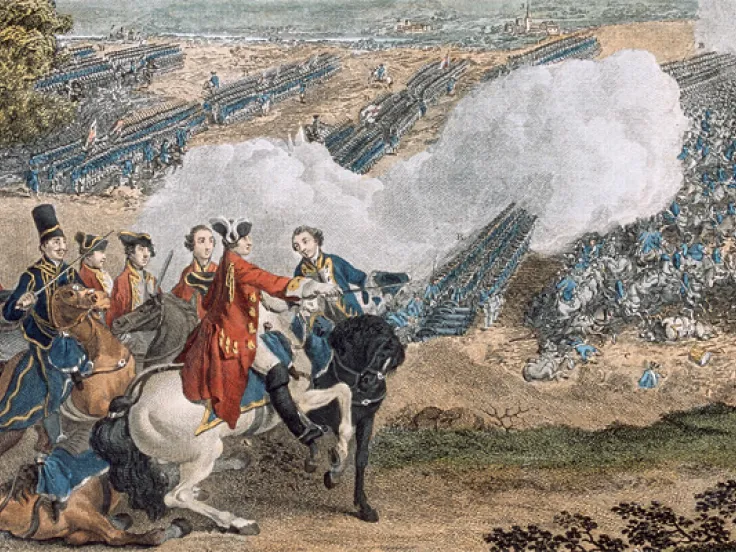
Fought between 1756 and 1763, this conflict can claim to be the original 'world war'. Franco-British fighting in North America and India became part of a general war in Europe with far-reaching consequences.
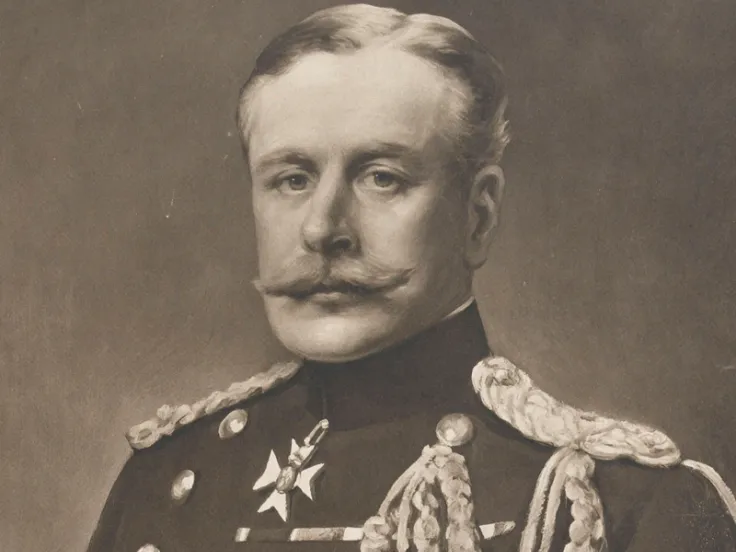
Field Marshal Sir Douglas Haig commanded the British Army when it achieved arguably its greatest victories, those over the Germans on the Western Front. But for many his leadership was marked by unacceptable losses.
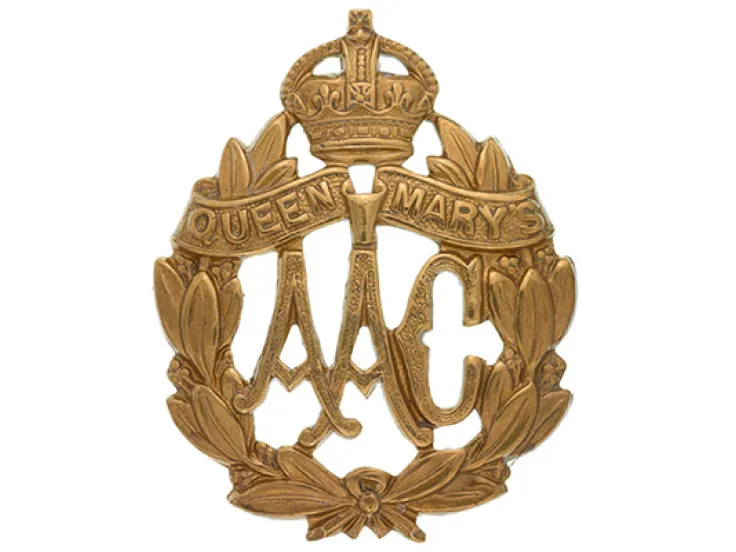
This unit was formed as the Women's Army Auxiliary Corps in 1917 to free up more men to fight in the First World War. It was the first time women had served in the British Army other than as nurses.
In the autumn of 1914, British soldiers fought alongside the Japanese in China. Their goal was the German naval base at Tsingtao, which finally fell in November after a two-month siege.
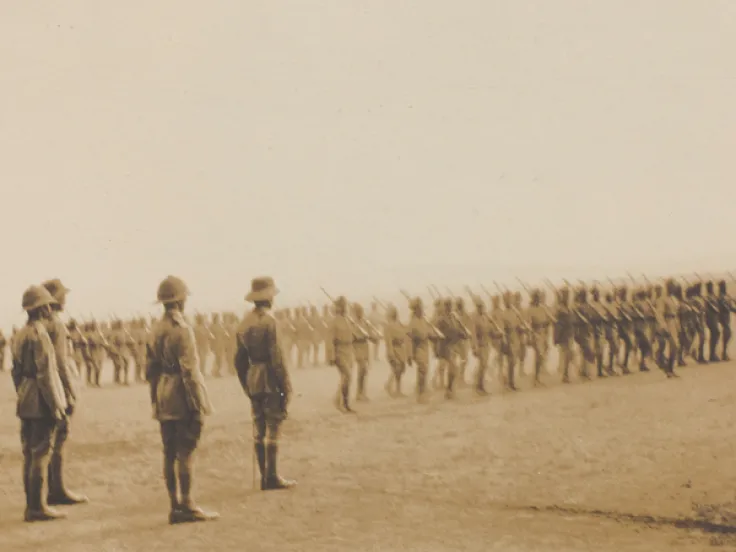
In June 1916, a British military mission began recruiting a local force in neutral Persia. Its goal was to bolster Allied interests and prevent enemy influence in the region.
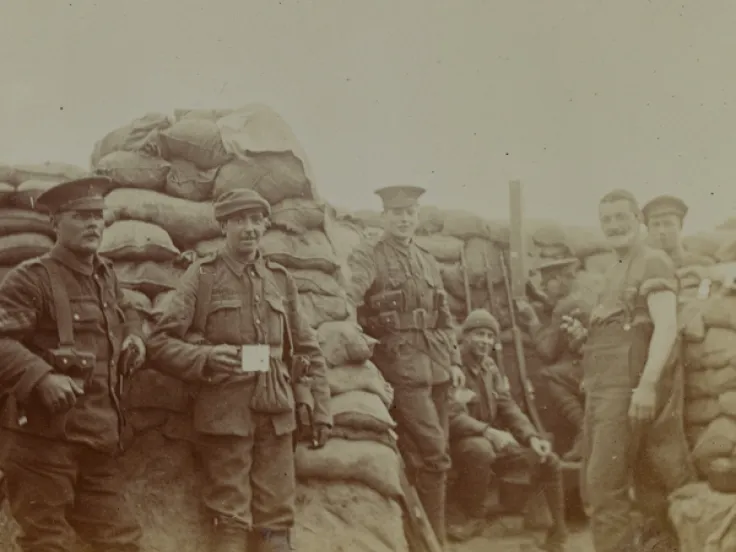
During 1915, the British and French undertook a series of unsuccessful attacks against the Germans on the Western Front. For both sides it was a tough learning experience.
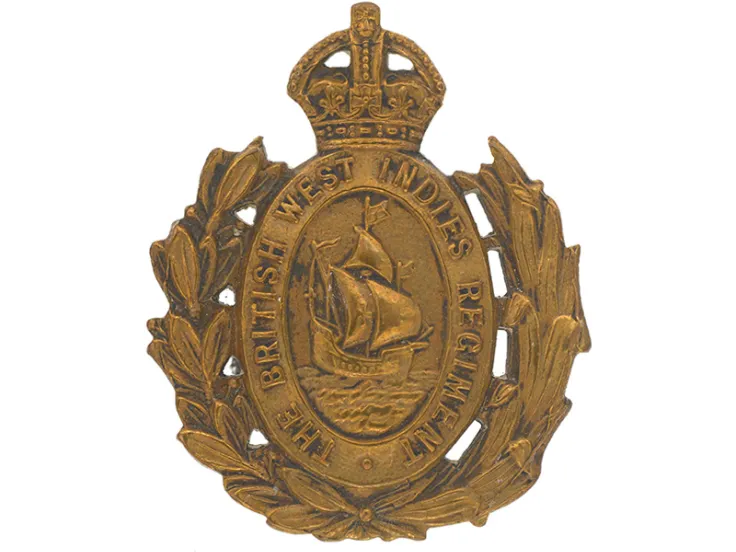
Formed in 1915, this British Army regiment was composed of volunteers from the West Indies and served in various theatres of the First World War. It was disbanded in 1921, shortly after the end of the conflict.
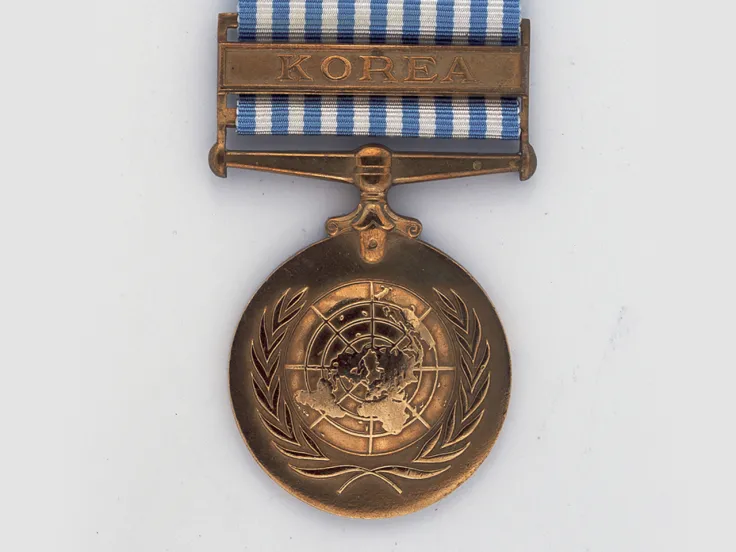
In 1950, the Cold War heated up significantly with the outbreak of conflict in Korea. This three-year struggle left millions dead, and its legacy remains of huge global consequence today.
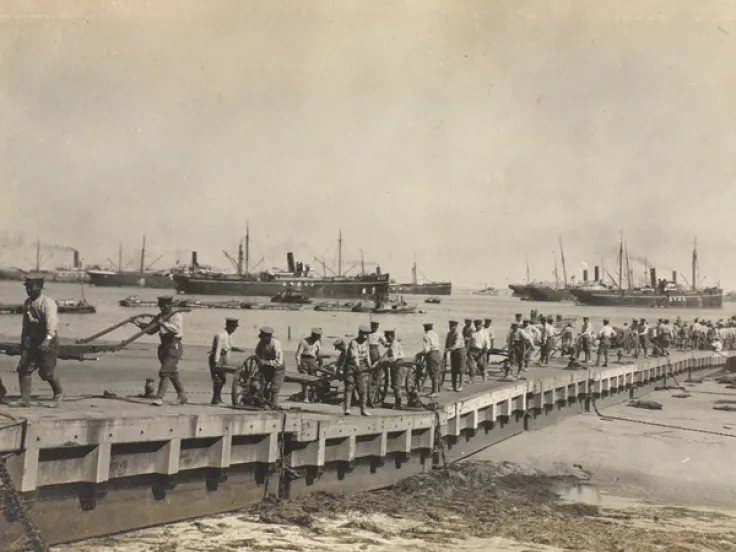
From 1915 to 1918, British troops were part of a multinational Allied force fighting the Bulgarians and their allies in the Balkans. Despite harsh conditions, they eventually brought the campaign to a successful conclusion.
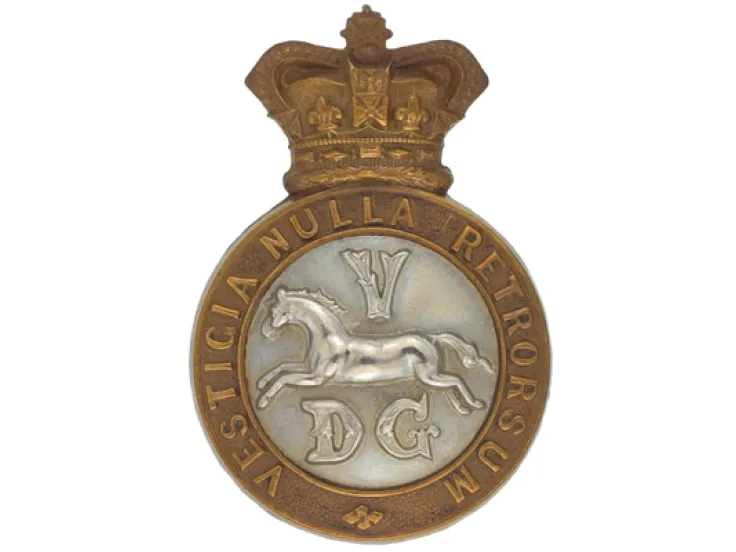
The 5th Dragoon Guards was a cavalry regiment dating back to 1685. The regiment was amalgamated after nearly 240 years of service following the First World War.