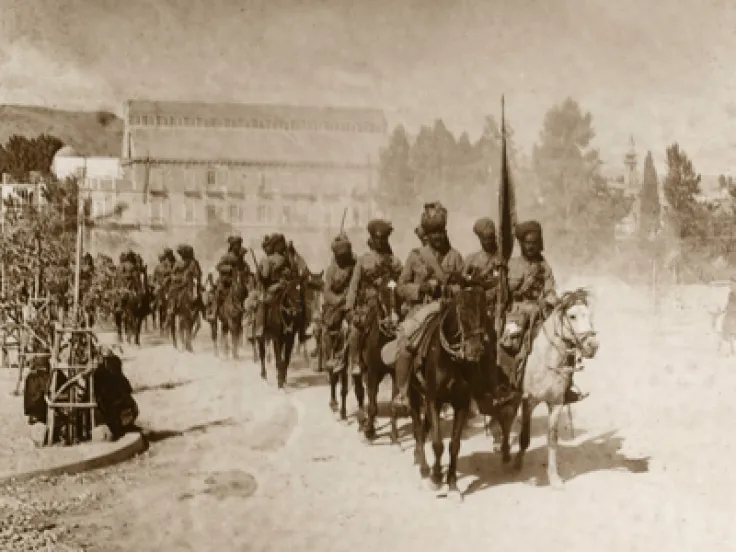
Fought in September 1918, this was the climactic battle of the Sinai and Palestine campaign of the First World War. Ottoman forces found themselves encircled by British Empire forces under General Edmund Allenby.
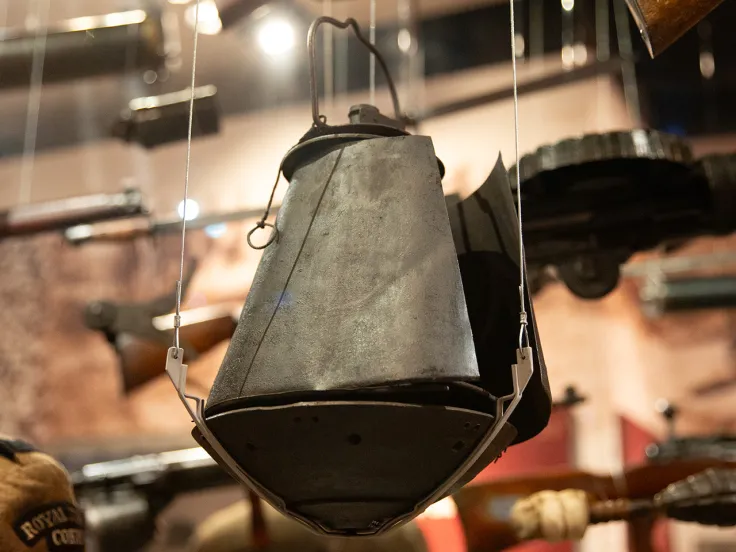
This aerial bomb's banged-up condition reveals something of the impact it must have made when dropped from a German airship during the First World War. Today, it forms part of an impressive display of weaponry in our Conflict in Europe gallery.
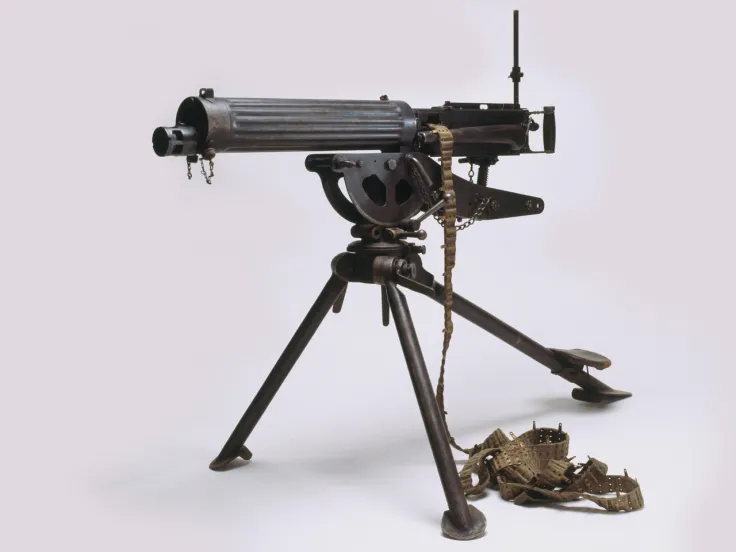
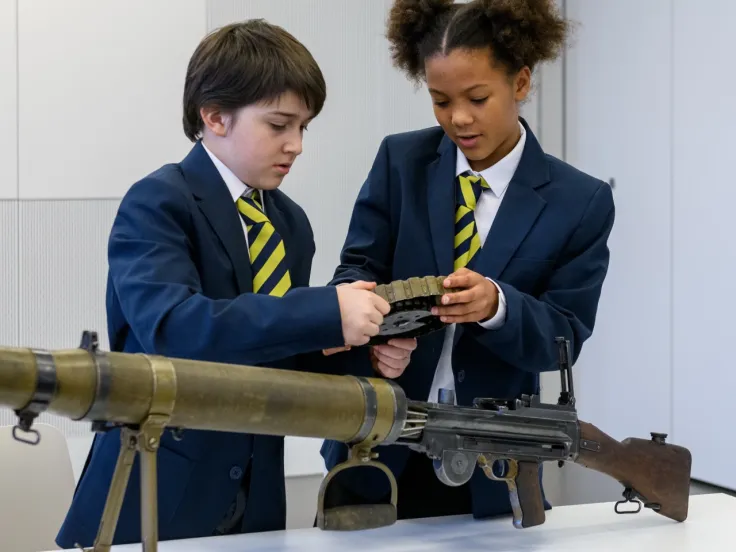
During the First World War, armies were forced to adapt their tactics and pursue new technologies as a way of breaking the deadlock. Here, we explore some of the weapons used by the British Army on the Western Front.
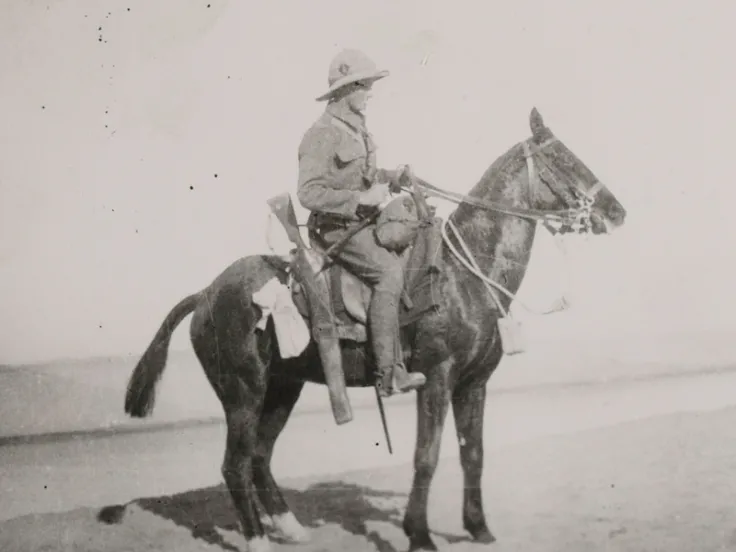
During the First World War, the British position in Egypt was threatened by rebellious Senussi tribesmen. The campaign against them took place in the unforgiving climate of the Western Desert.
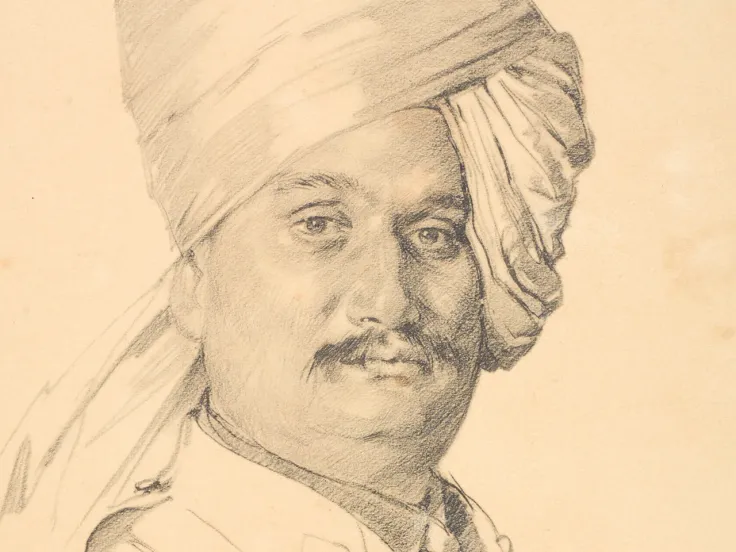
Paul Sarrut was a French soldier who was posted to the British Army as a military liaison officer and interpreter during the First World War. Trained as an artist, Sarrut created an important visual record of the 3rd (Lahore) Division in France.
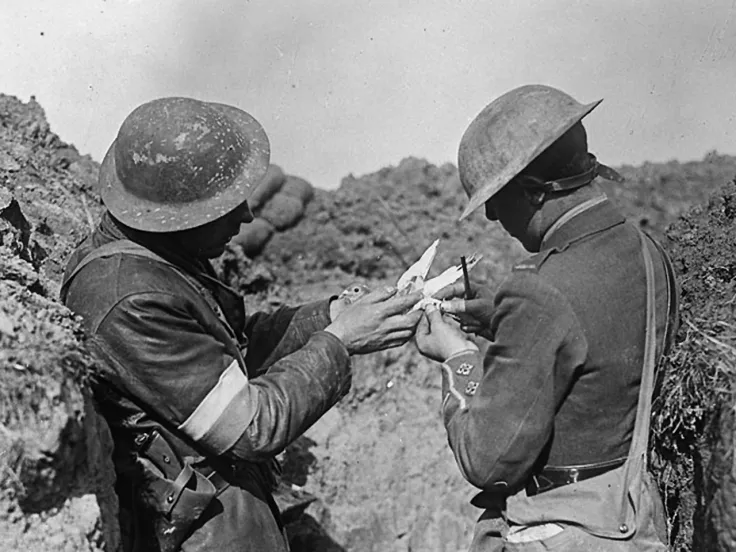
During the First World War, the Army often relied on pigeons to deliver important military information. These birds quickly gained a reputation as one of the most reliable forms of communication.
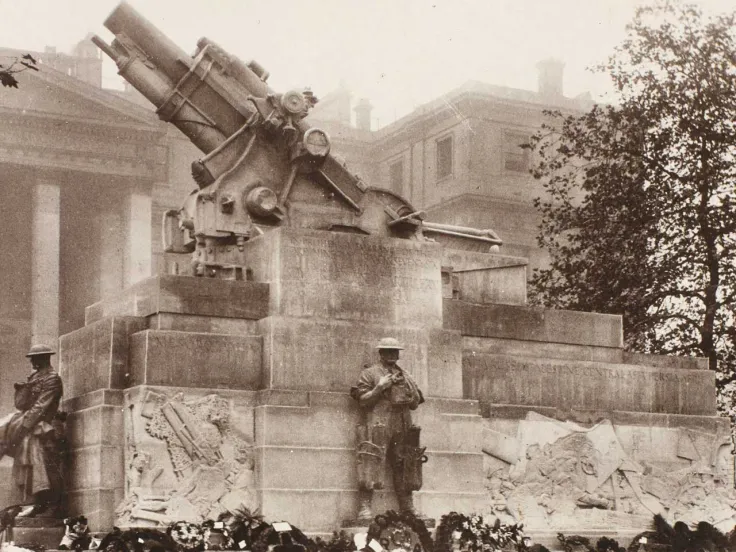
After the First World War, British society had to come to terms with the loss of huge numbers of its service personnel. Across the country, people found ways to commemorate the fallen at a local and national level.
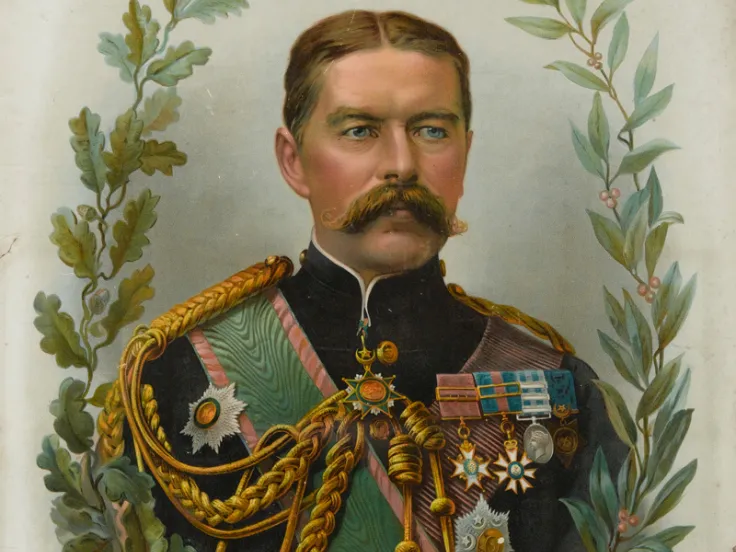
Field Marshal Herbert Kitchener was famous for colonial victories in the Sudan and South Africa. Later, he helped build Britain’s first mass army during the First World War.
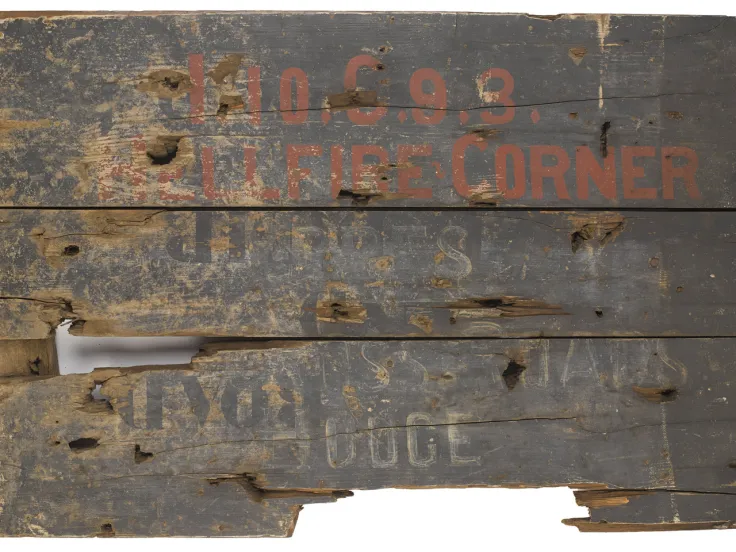
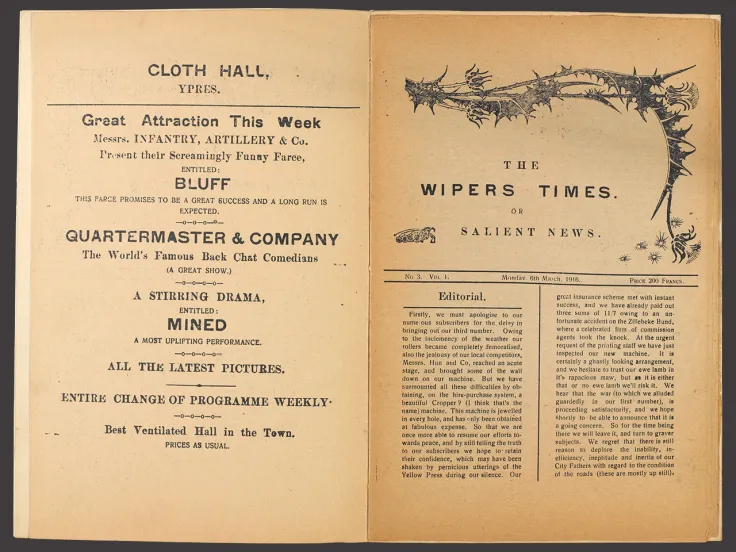
Full of the dark humour typical of soldiers at war, 'The Wipers Times' was one of the finest of many trench publications produced on the Western Front.