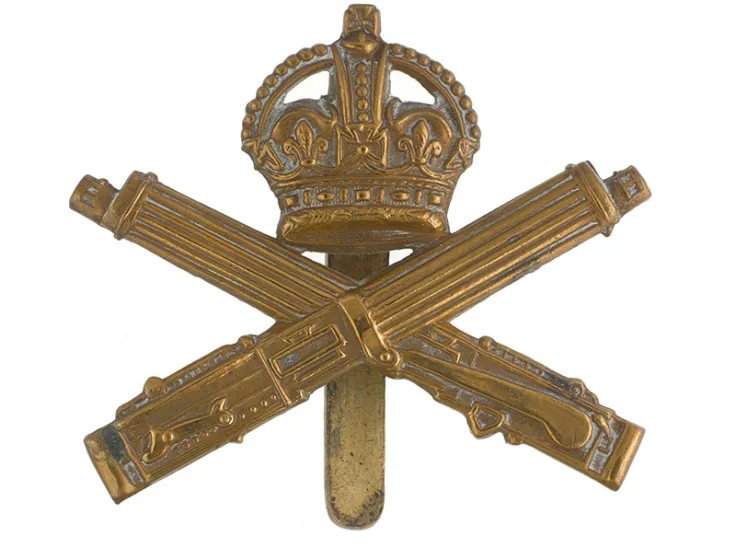
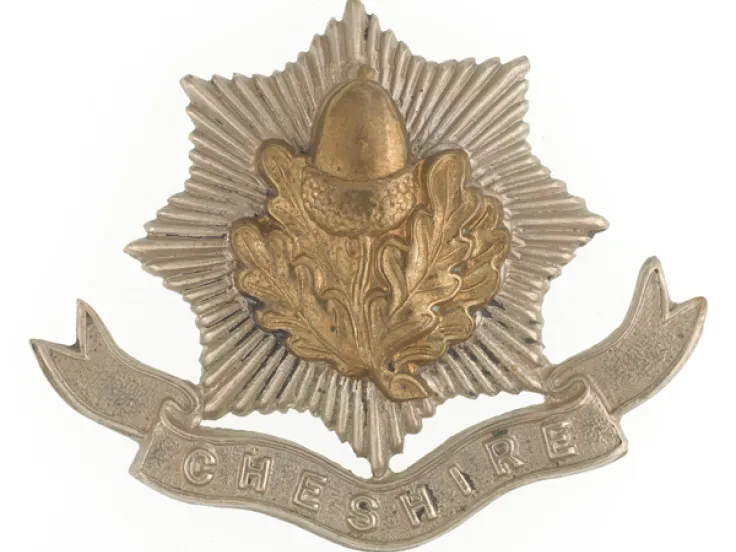
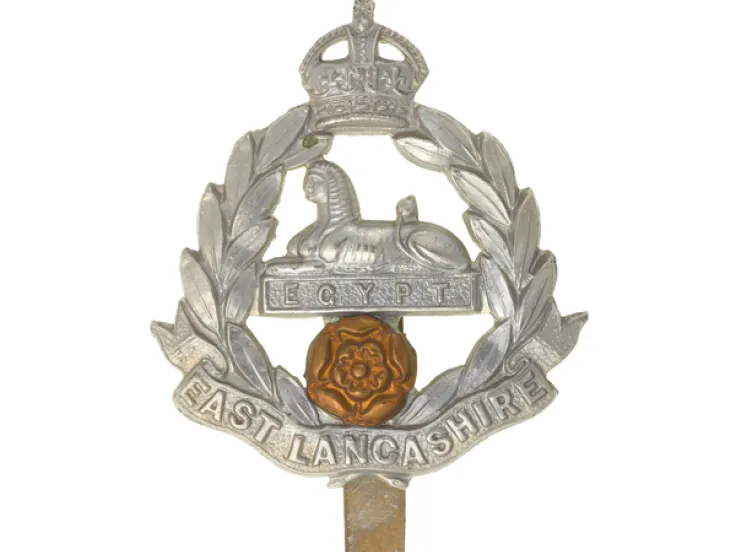
This corps was formed in 1915 to help meet the demands of trench warfare on the Western Front. It was disbanded in 1922 as part of cost-saving efforts to reduce the Army to peacetime levels.
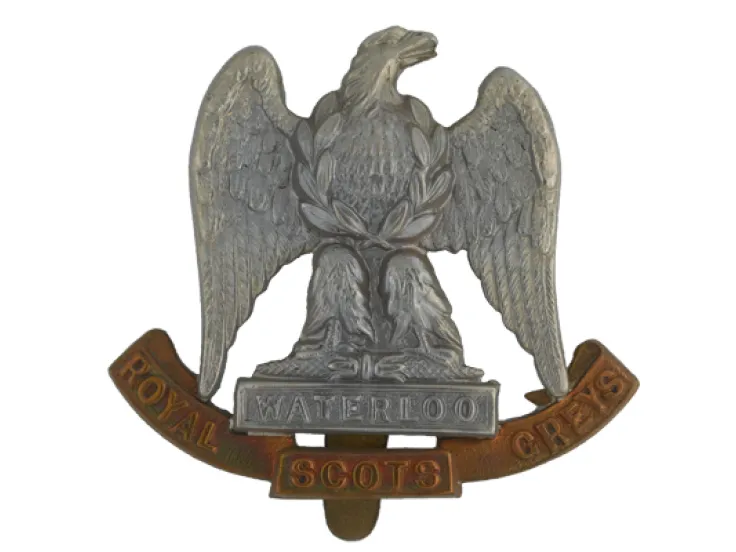
Formed in 1681, this cavalry unit was Scotland's senior regiment. Its long and distinguished service with the British Army continued until 1971, when it was merged into The Royal Scots Dragoon Guards.
This infantry unit was raised in 1680 and subsequently served in many British Army campaigns during its long history. In 1959, it was amalgamated with The Border Regiment to form The King’s Own Royal Border Regiment.
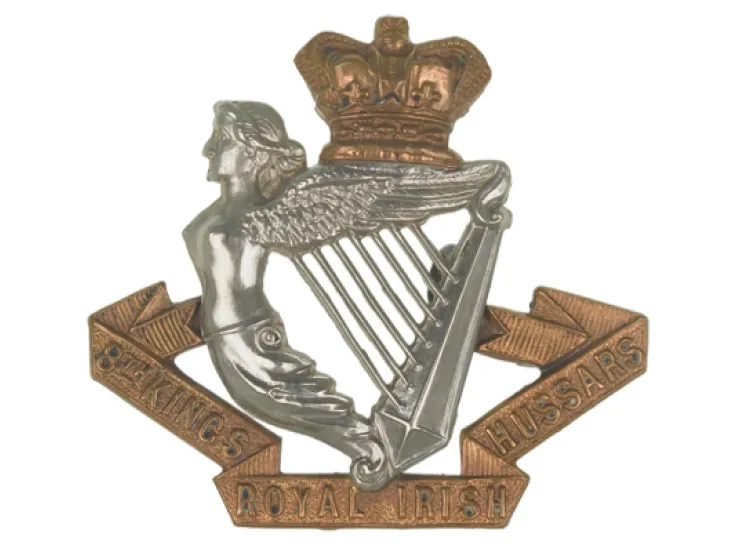
This British Army cavalry regiment was raised in Ireland in 1693. It went on to serve in many campaigns until 1958, when it merged into The Queen's Royal Irish Hussars.
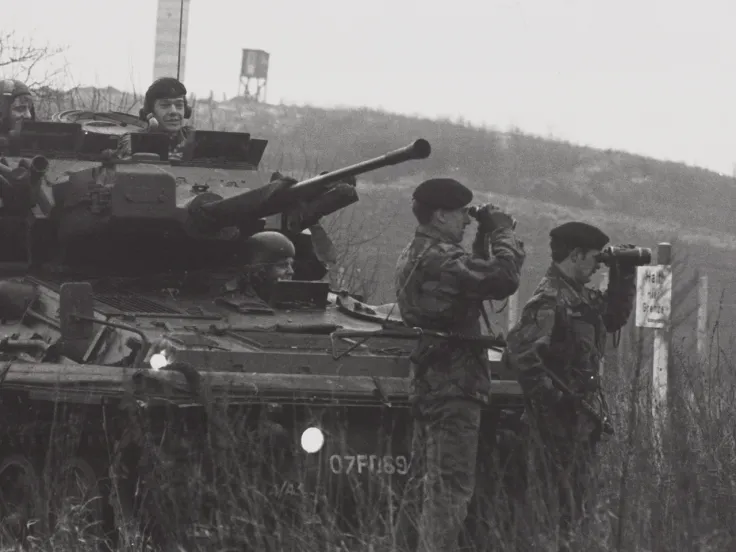
As Britain re-examines its role in Europe, the National Army Museum reflects on 75 years of the British Army in Germany. Along with the installation of a section of the Berlin Wall to mark the 30th anniversary of its fall, the Museum also launches a new book about the British Forces in Germany and announces its major exhibition for 2020.
This infantry unit was raised in 1674 and subsequently served in many British Army campaigns during its long history. In 1968, it was amalgamated with three other fusilier regiments to form The Royal Regiment of Fusiliers.
24 April 2025: The Museum is pleased to announce an exciting programme of live events including a 1940s-themed VE Day Dance, engaging talks and a new digital series exploring the Army's role in 1945.
This infantry regiment was created in 1881. It continued in British Army service until 1958, when it was amalgamated with The South Lancashire Regiment to form The Lancashire Regiment (Prince of Wales’s Volunteers).