First World War

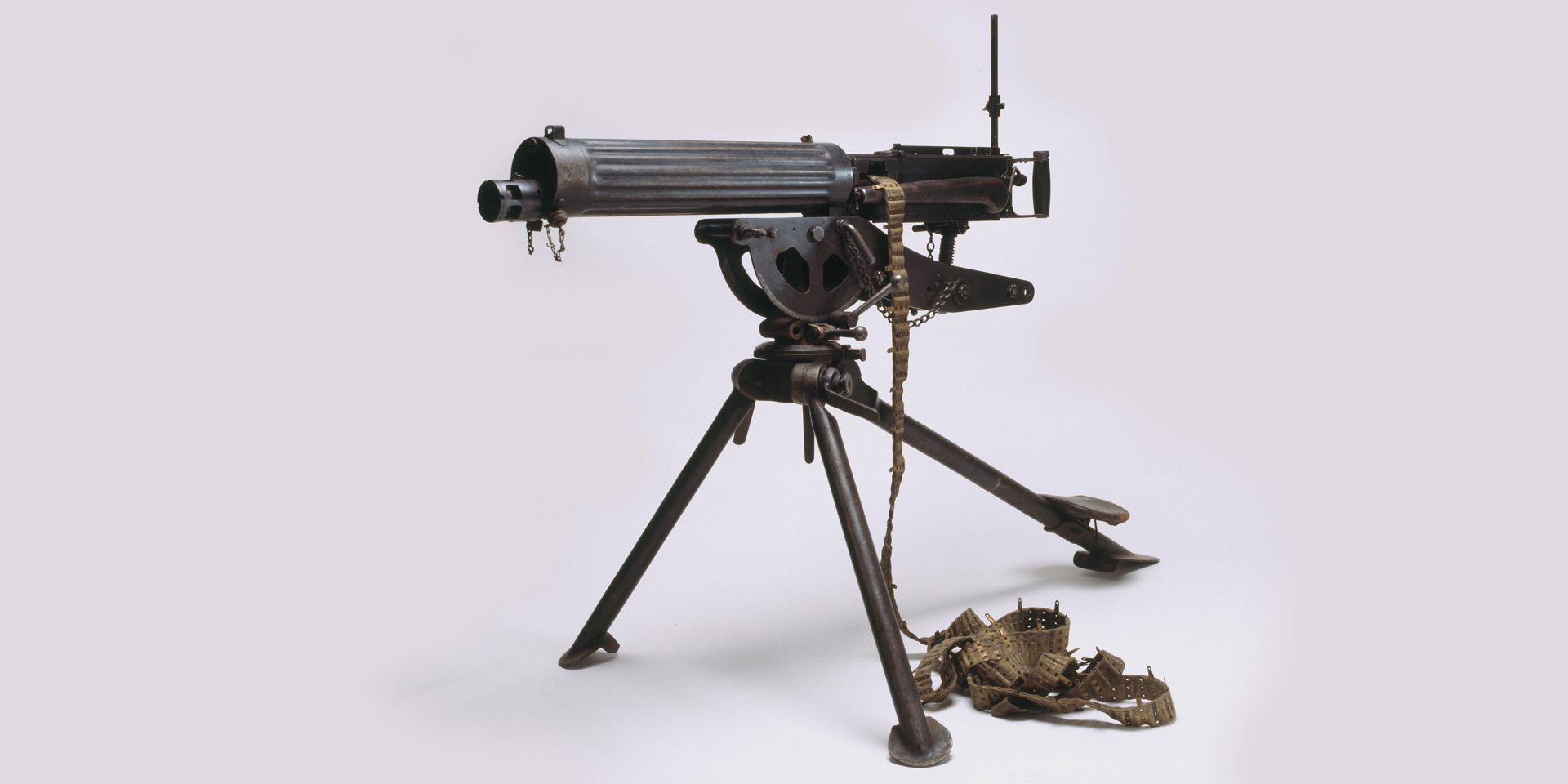
Vickers machine gun, c1914

Weapons of the Western Front

During the First World War, armies were forced to adapt their tactics and pursue new technologies as a way of breaking the deadlock. Here, we explore some of the weapons used by the British Army on the Western Front.

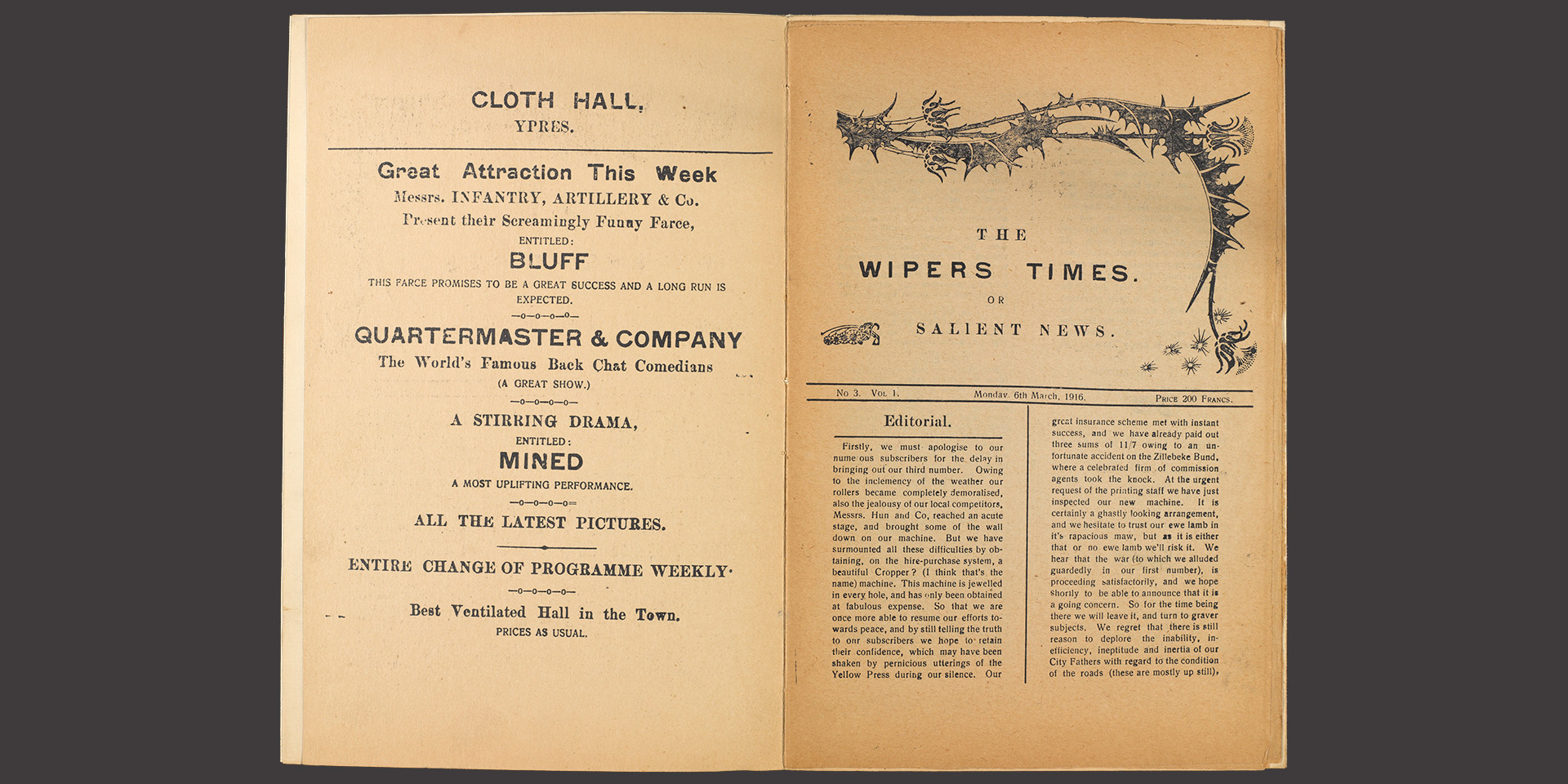
'The Wipers Times', 6 March 1916

The Wipers Times: The soldiers’ paper

Full of the dark humour typical of soldiers at war, 'The Wipers Times' was one of the finest of many trench publications produced on the Western Front.

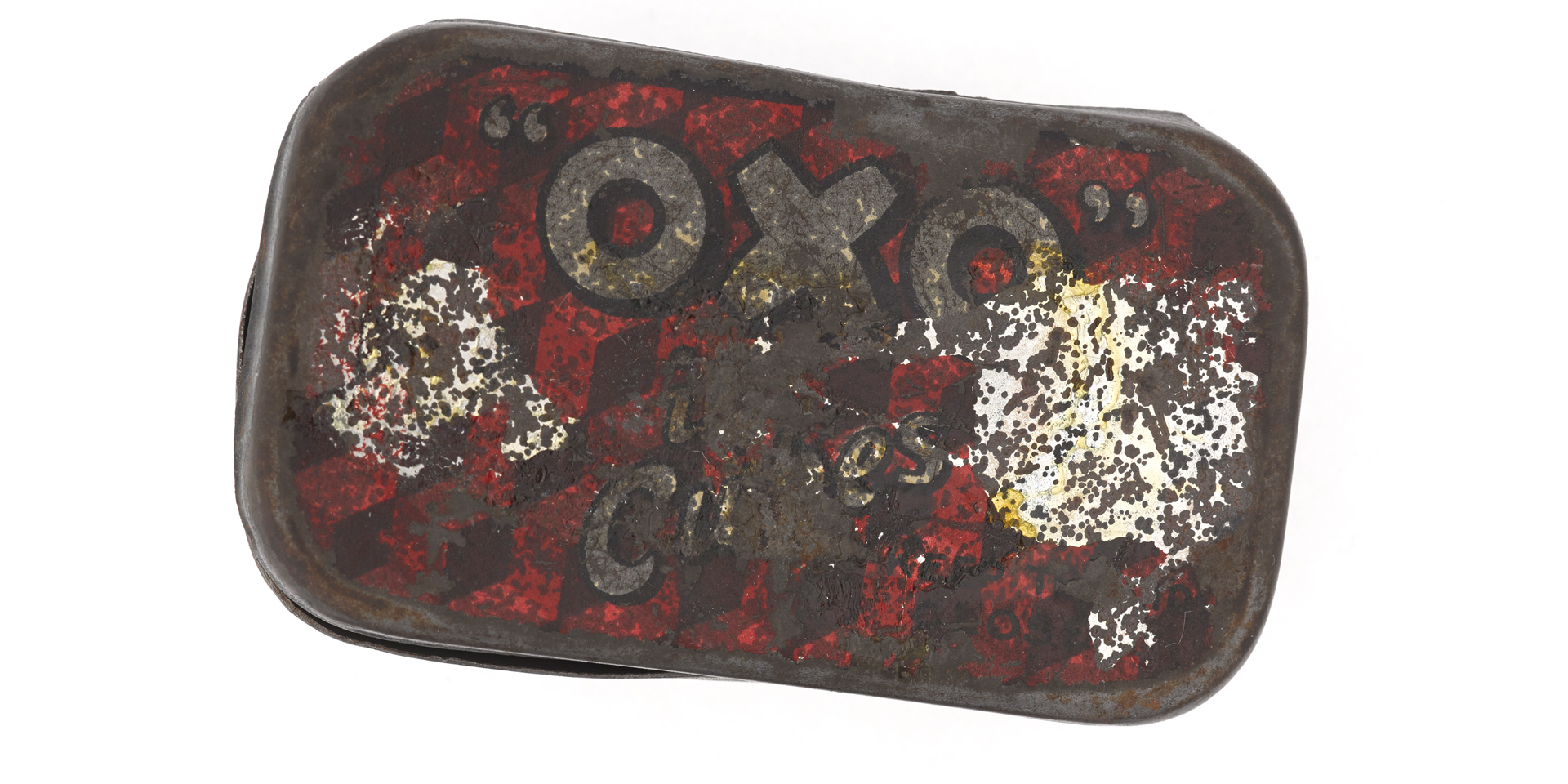
Oxo tin, 1915

The original bulletproof vest?

During the First World War, Private Stephen Palmer was sent an Oxo tin that ended up saving his life. Here, we delve deeper into his story and explore some other soldiers' unconventional life-saving possessions.

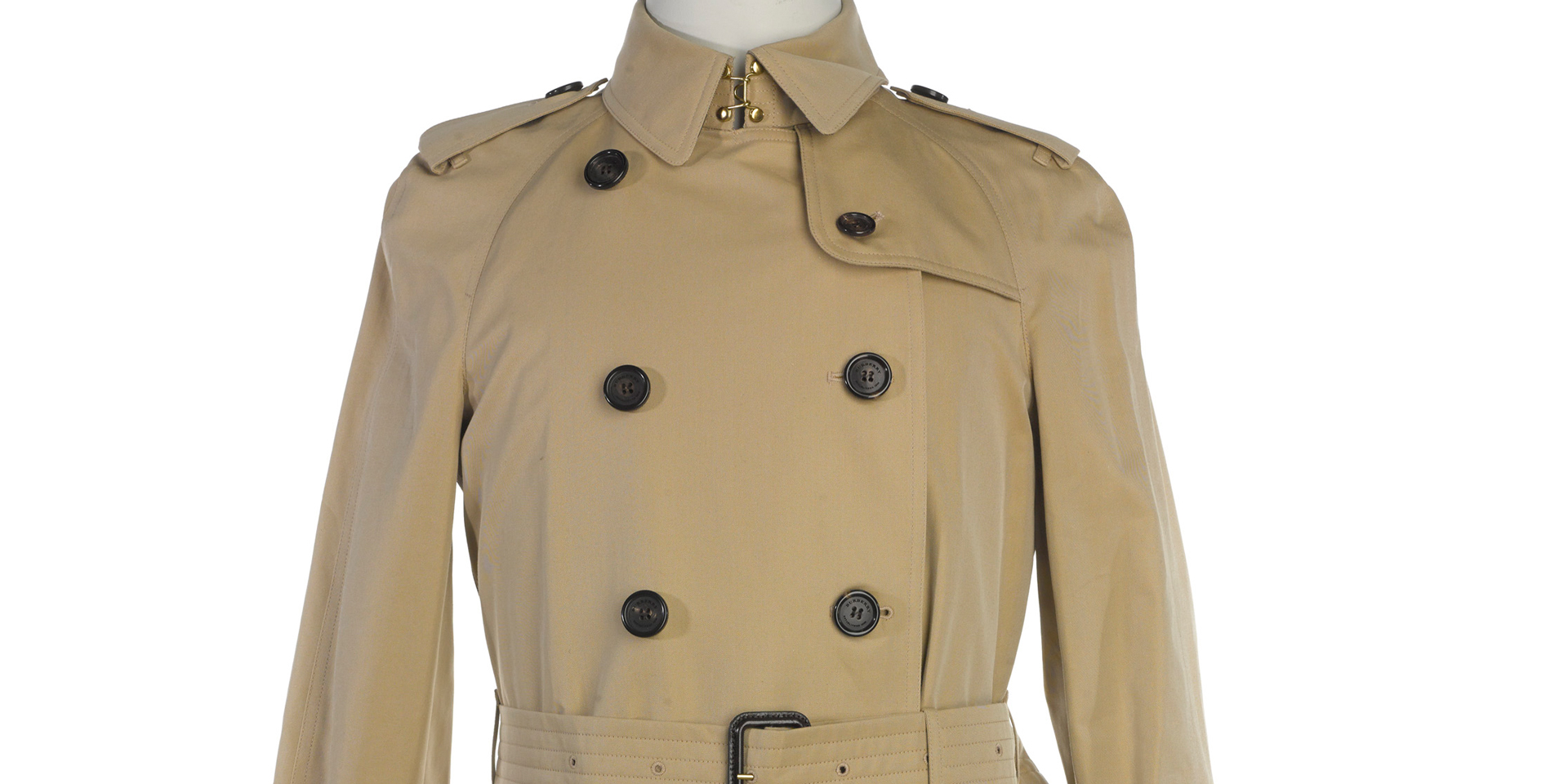
Burberry trench coat, 2014

Army fashion statements

The Army's influence on fashion is not new. Military dress has made its way from conflict to catwalk over and over again.

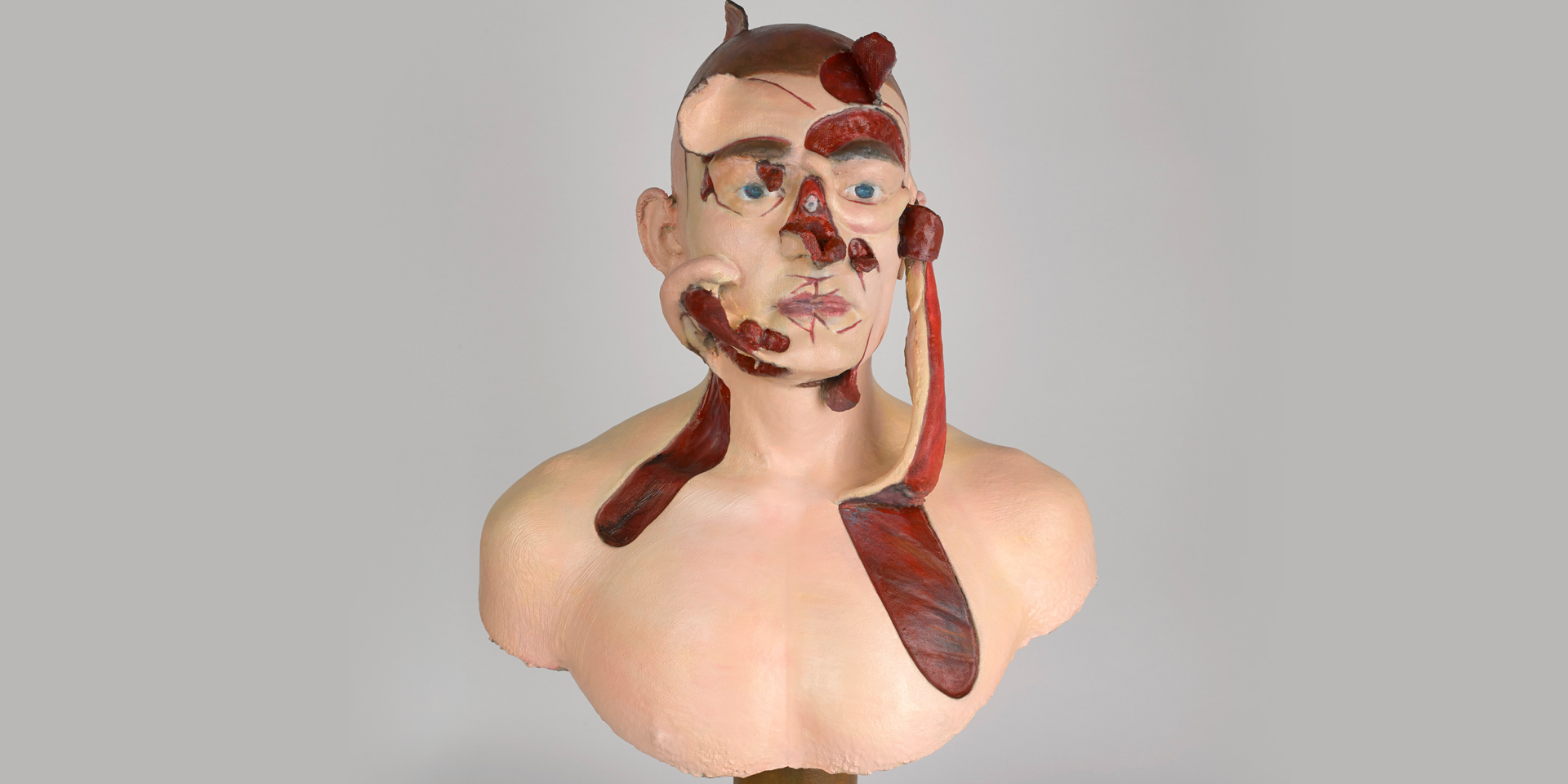
Wax surgery teaching model

The birth of plastic surgery

The First World War saw a huge rise in the number of drastic facial injuries. This led to the development of modern facial reconstructive surgery.

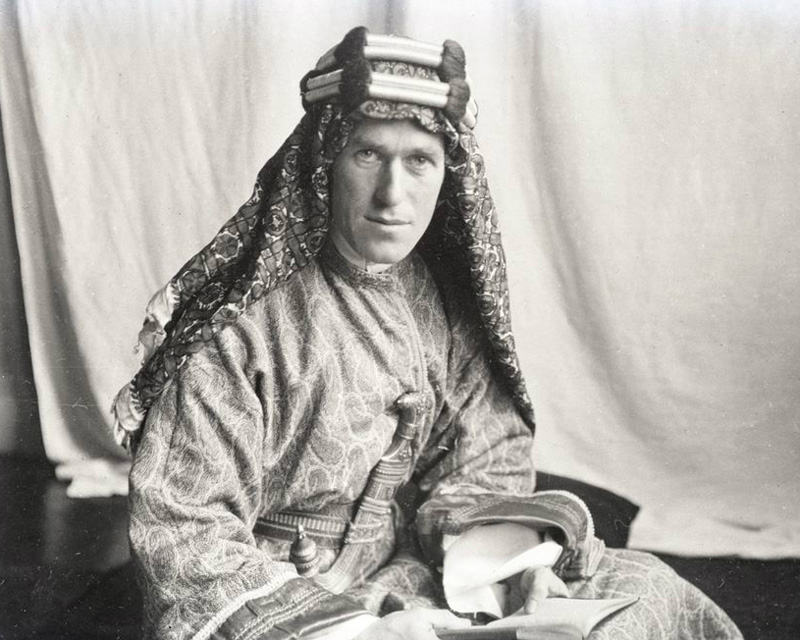
Lawrence of Arabia, 1919

Lawrence of Arabia: The man behind the robes

Few British soldiers have a greater legend attached to them than Colonel TE Lawrence - better known as Lawrence of Arabia.

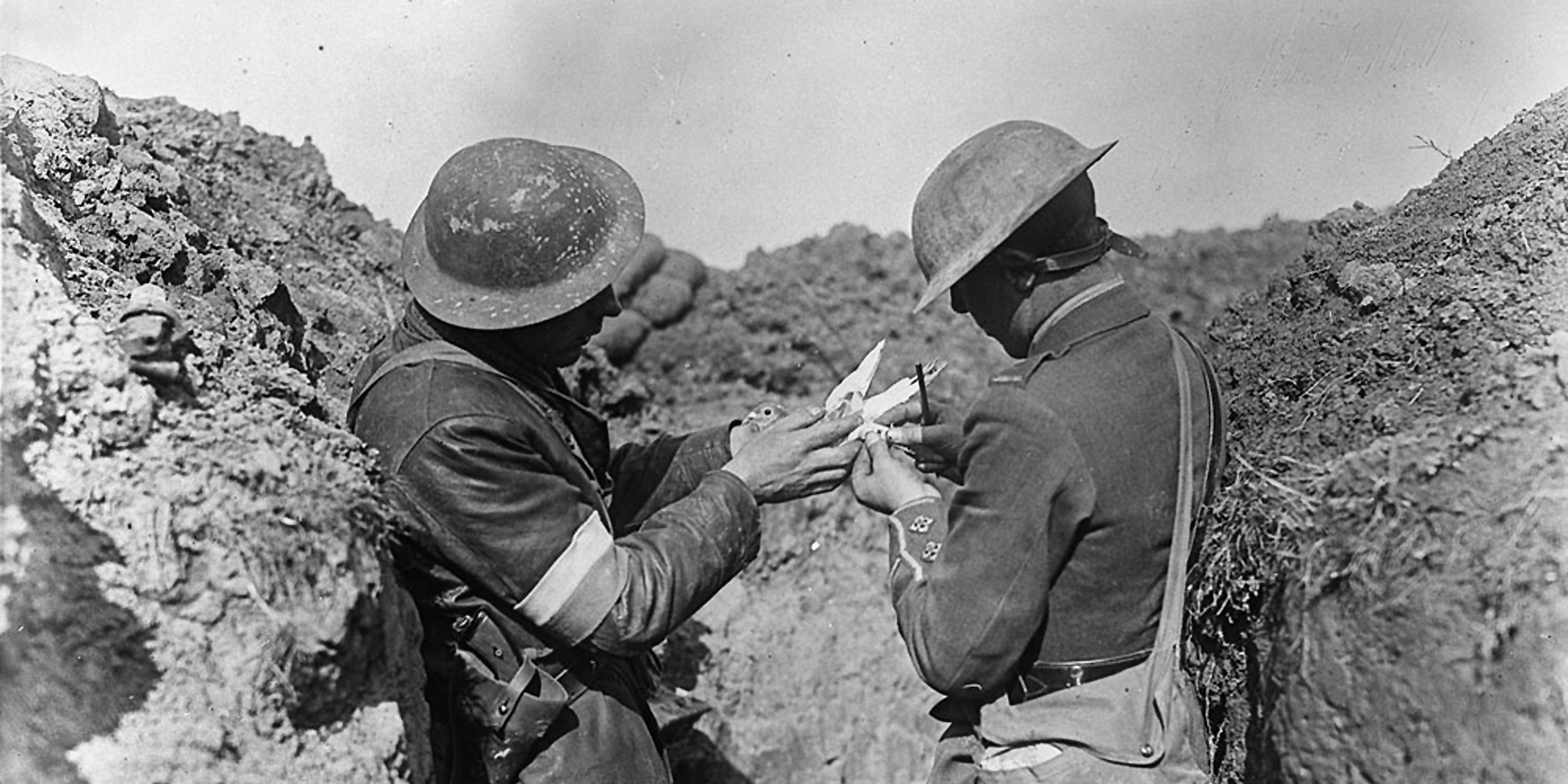
Messenger pigeon, 1917

The British Army entrusted its secrets to birdbrains

During the First World War, the Army often relied on pigeons to deliver important military information. These birds quickly gained a reputation as one of the most reliable forms of communication.

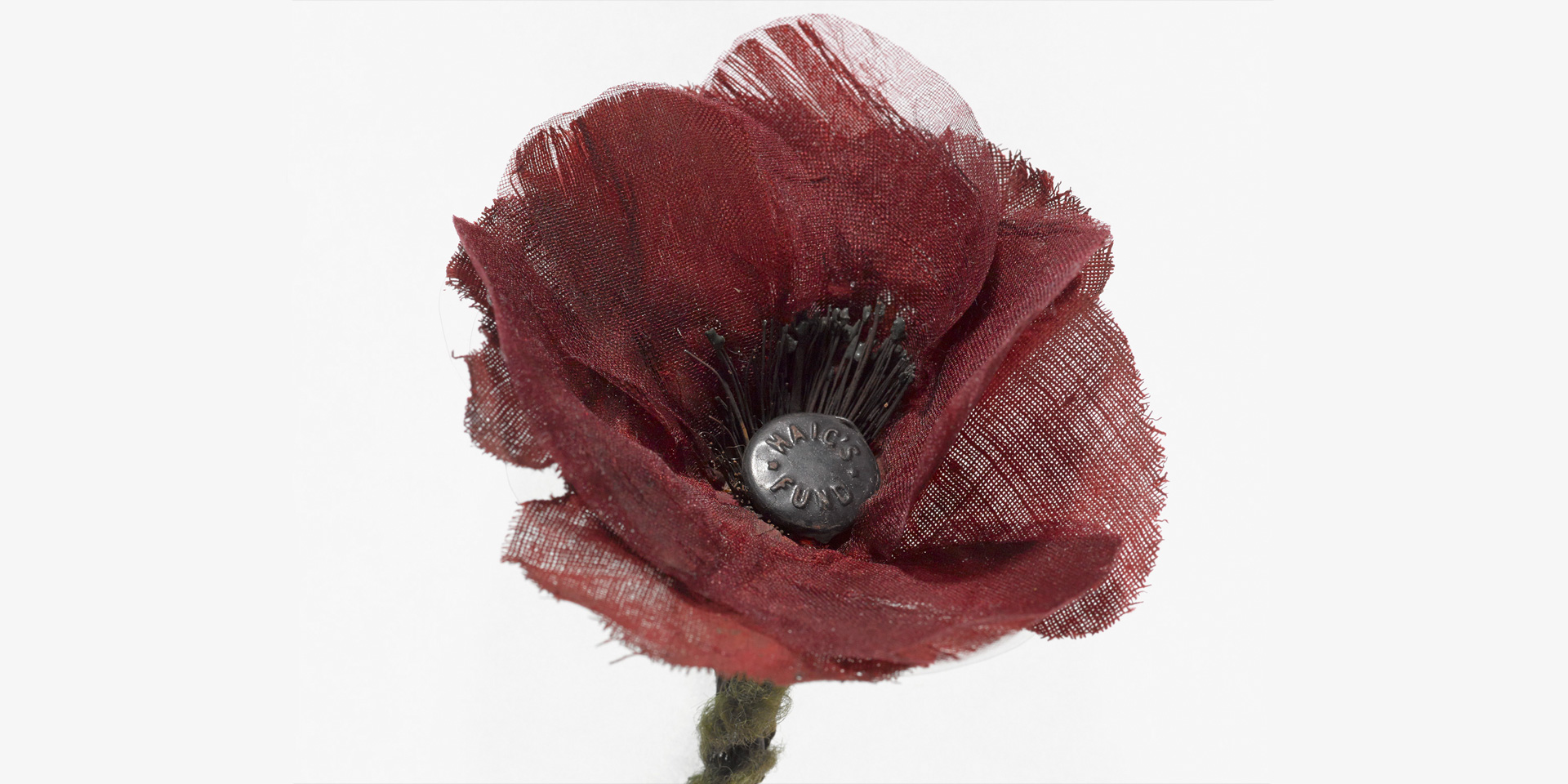
Scottish poppy

Scottish poppy blooms again

Artificial poppies were first sold in Britain in 1921 and have since become one of the main symbols of Remembrance. This Scottish poppy dates from the early days of the Poppy Appeal.

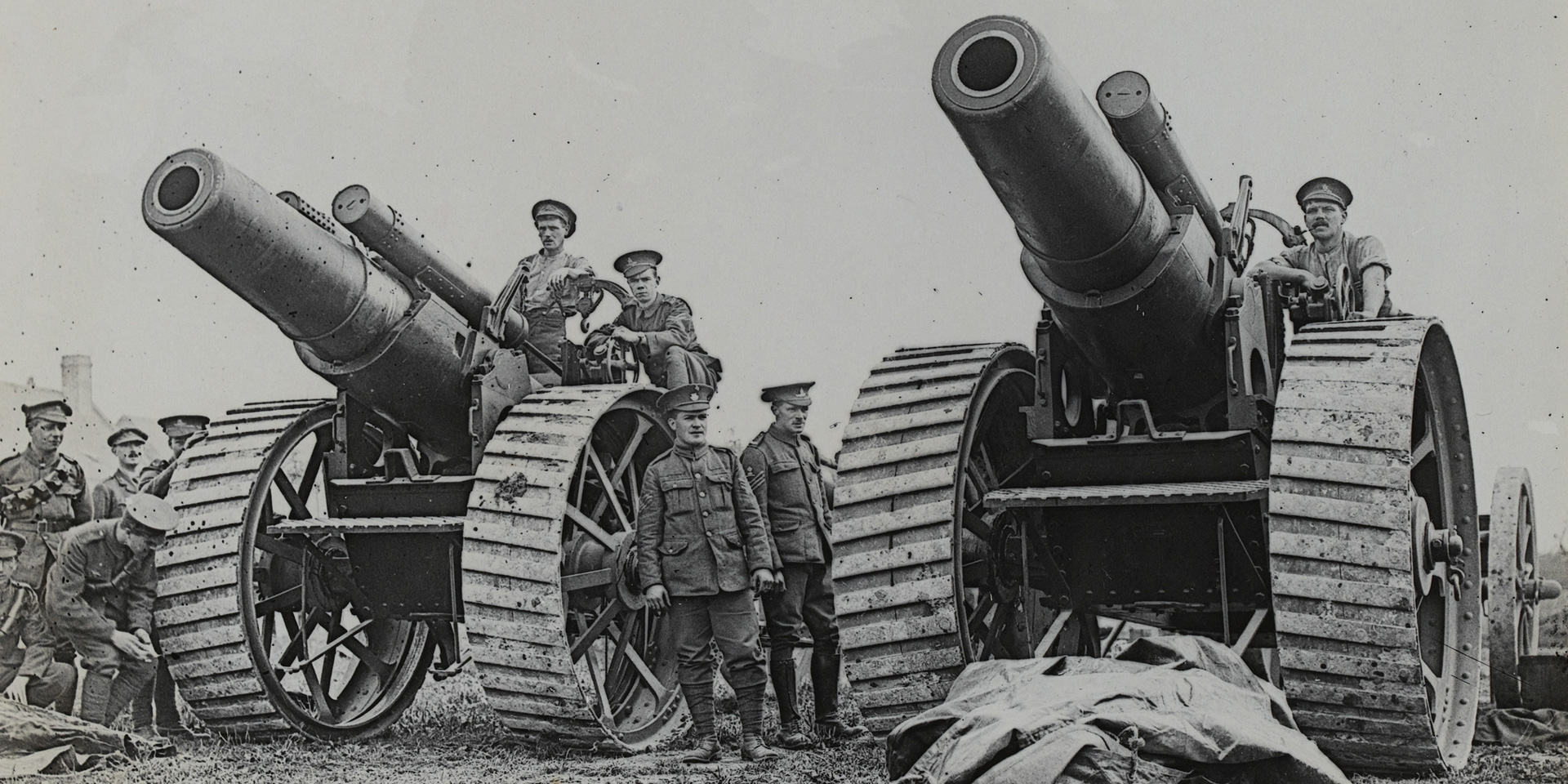
Heavy guns on the Somme, 1916

Battle of the Somme

The 1916 Somme offensive was one of the bloodiest battles of the First World War. But it provided the Army with a tough lesson in how to fight a large-scale modern war.

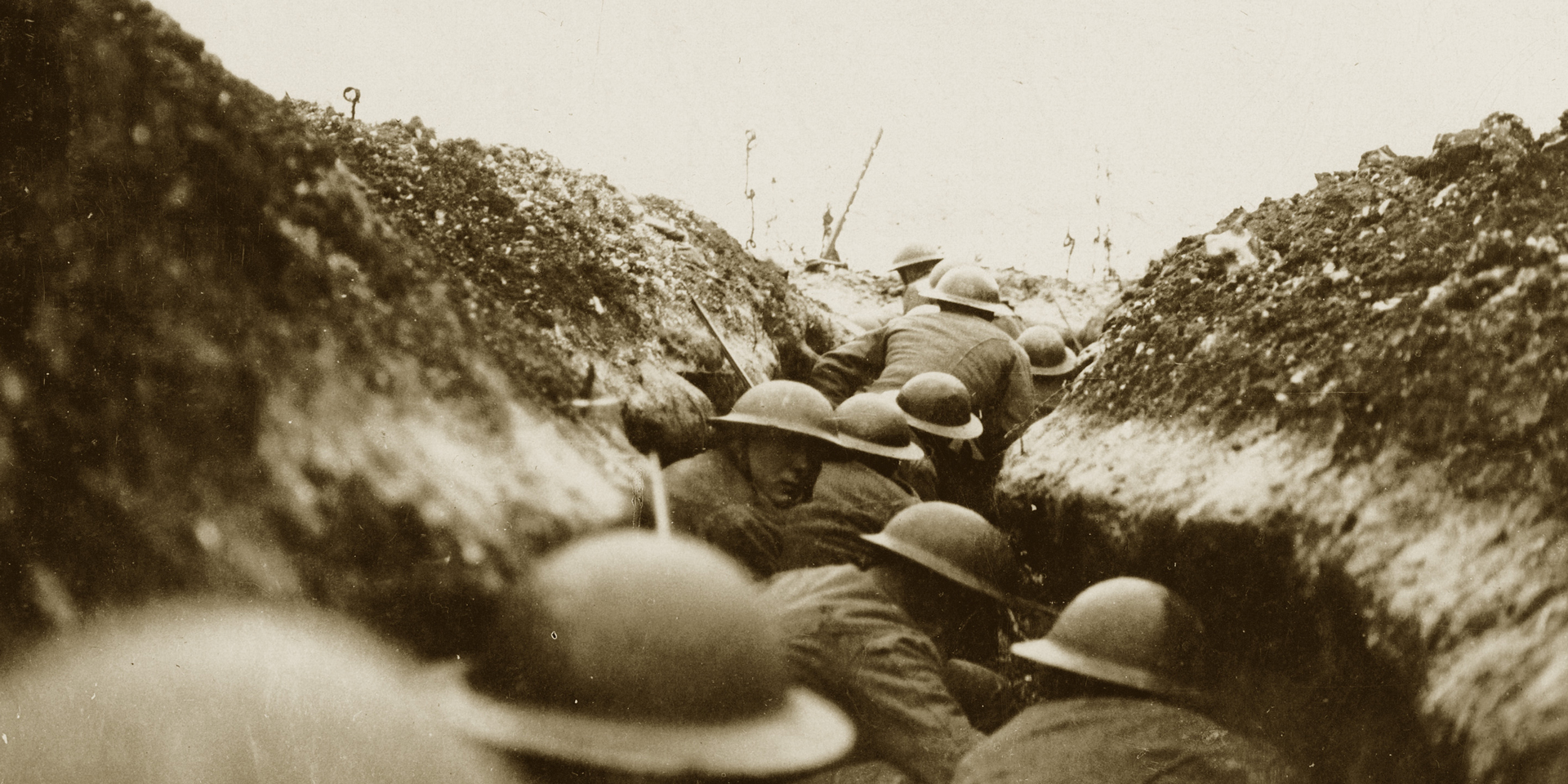
A raiding party in a trench, 1916

First World War

The First World War was the first truly global conflict. From 1914 to 1918, fighting took place across several continents, at sea and, for the first time, in the air.

Royal Flying Corps

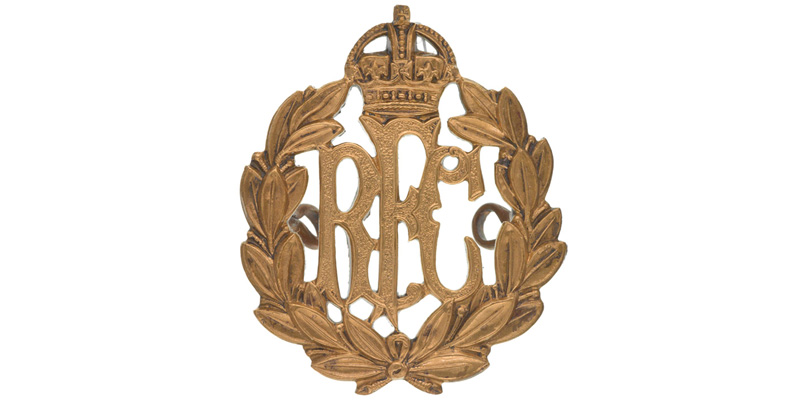
Royal Flying Corps

The Royal Flying Corps was the air arm of the British Army during the First World War.

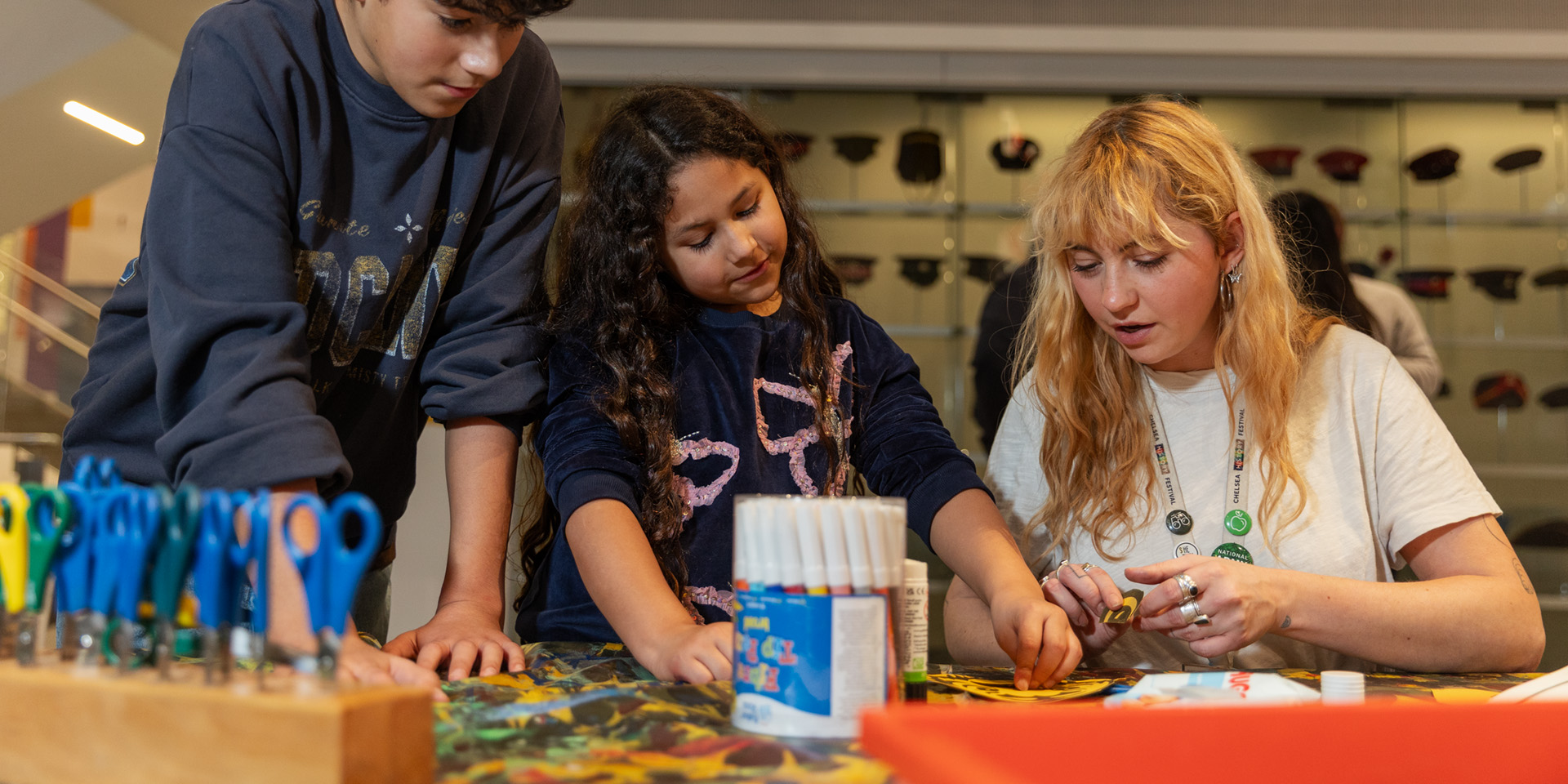
People feeling the textures of items in the handling collection
Workshop
25 Sep 2026 FREE

Drawn on the Western Front: Sensory Session

Discover more about the contribution of Indian soldiers through a sensory session led by our Community Engagement Team.

A Queen Alexandra's Imperial Military Nursing Service Reserve staff nurse and Territorial Force Nursing Service sisters auctioning a German steel helmet on a Hospital Barge, Peronne, 1917
Talk
23 Oct 2026 FREE

Nurses’ Memories of the Great War

Join Jerry Palmer as he explores the personal stories of nurses who served on all sides and various fronts during the First World War.

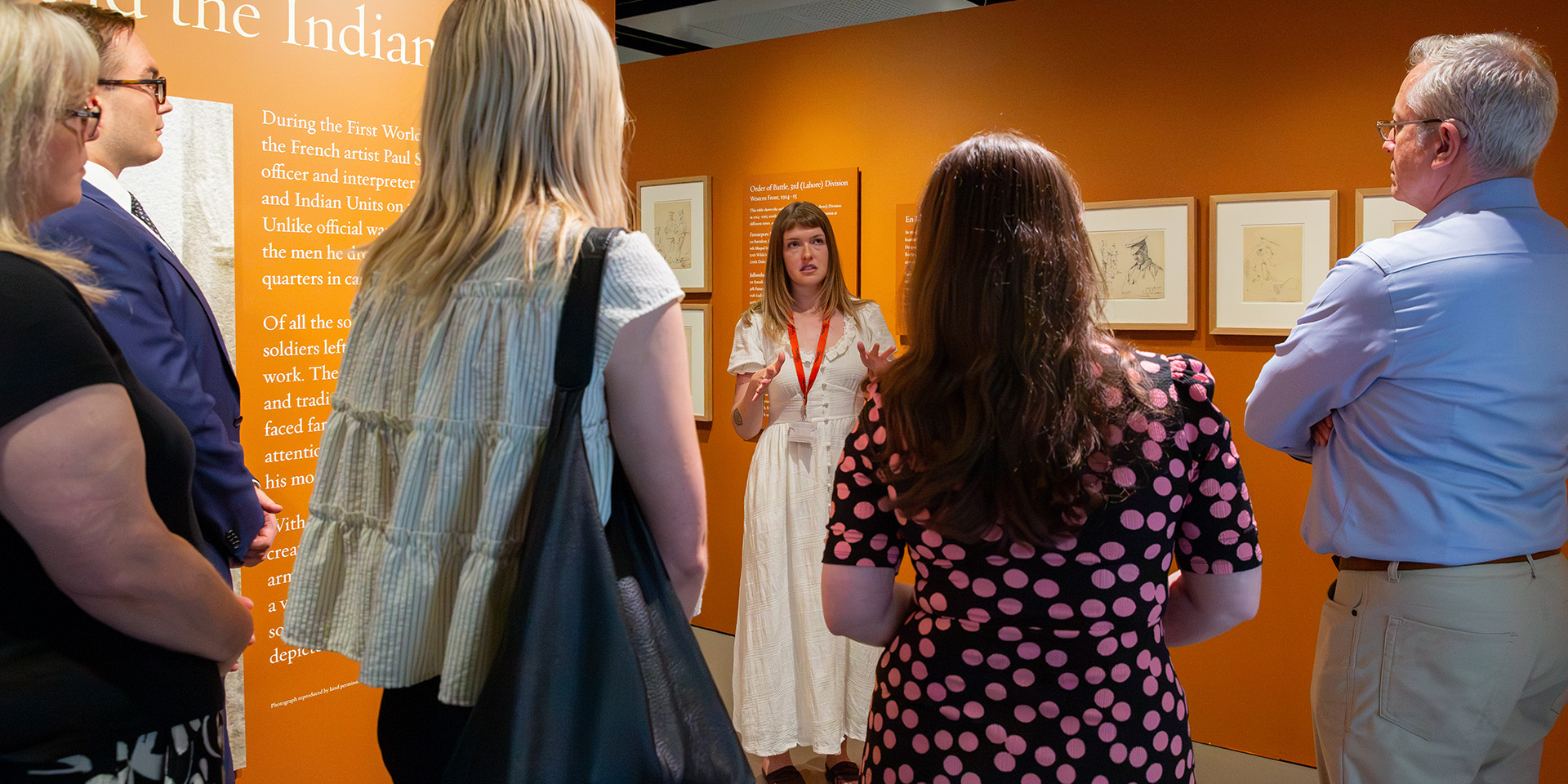
Visitors attending an exhibition tour
Tour
31 Oct 2026 FREE

Drawn on the Western Front: Audio-Described Tour

Join us for a curator-led tour of our latest exhibition, 'Drawn on the Western Front', designed for blind and visually impaired visitors and their companions.

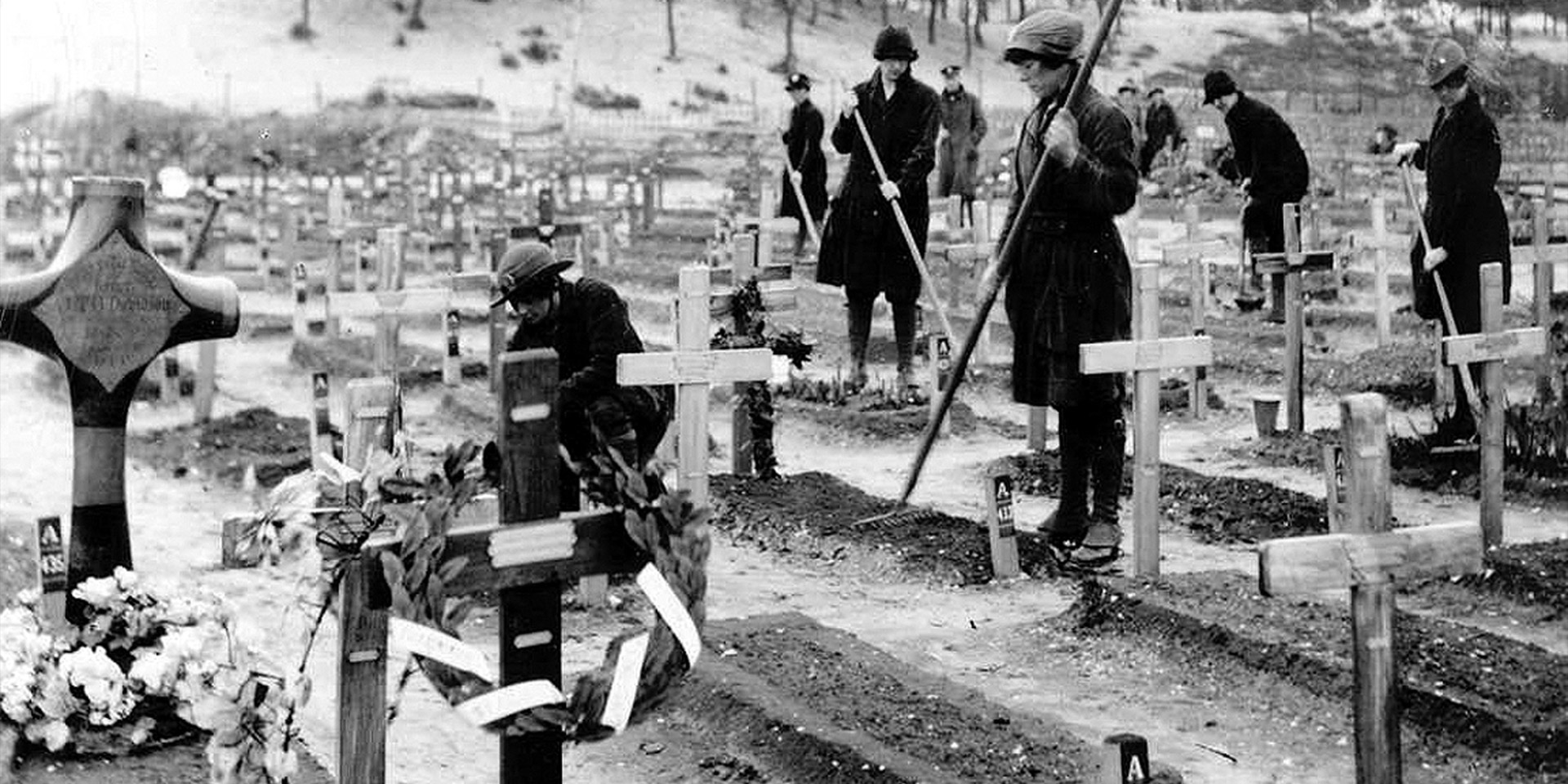
Queen Mary's Army Auxiliary Corps Tending graves in cemetery at Etaples, 1919
Talk
13 Nov 2026 FREE

Grief, Ghosts and the Search for Summerland

Dr Alice Vernon examines how spiritualism helped bereaved families come to terms with the trauma of the First World War.

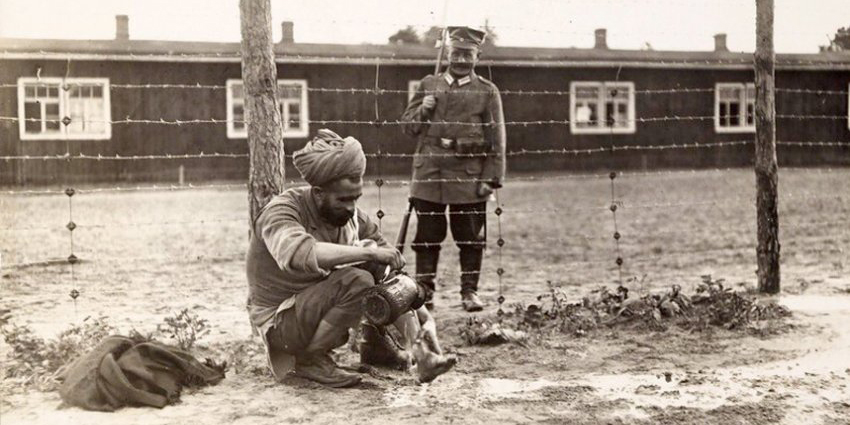
An Indian prisoner at Halbmondlager preparing for prayers, c1916
Talk
18 Dec 2026 FREE

The Halfmoon Camp

Discover the long-forgotten story of the Halbmondlager, where prisoners from across the British, French and Russian Empires were held captive during the First World War.

Do you enlist?
Video

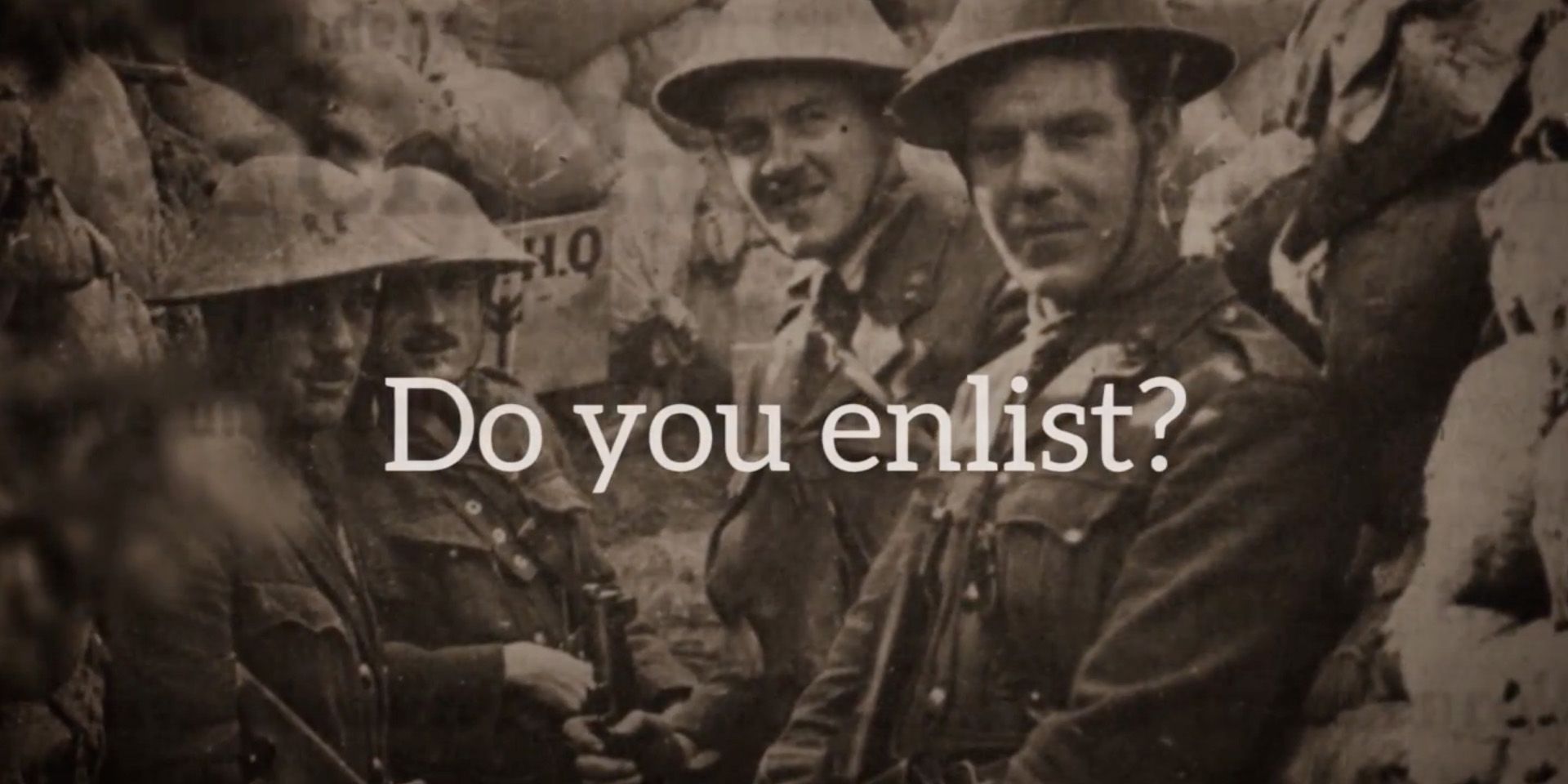
Do you enlist?

Experience some of the ways that civilians were persuaded and pressured to enlist in the Army during the First World War.