The situation in Egypt
Britain’s strategic interest in Egypt increased after the construction of the Suez Canal. Opened in 1869, the canal considerably shortened the trade and military routes to India and East Asia. In 1875, the British government bought shares in the Suez Canal Company, which held a long-term concession to manage the canal’s operations.
At the time, Egypt owed nominal allegiance to the Ottoman Empire. It was ruled by the Khedive, a viceroy to the Ottoman sultan in Istanbul. The country had become virtually bankrupt by 1878. The dire economic situation led to Britain and France taking control of Egyptian finances and, in effect, running the country.
This provoked widespread outrage among the people of Egypt. Their anger was intensified by the Khedive’s decision to dismiss many Egyptian Army officers as a cost-saving measure. At the same time, calls grew for social reforms that would expand opportunities for previously excluded groups.
Urabi Revolt
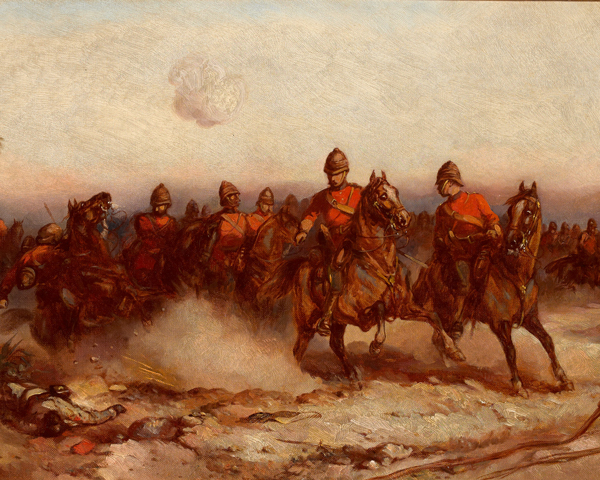
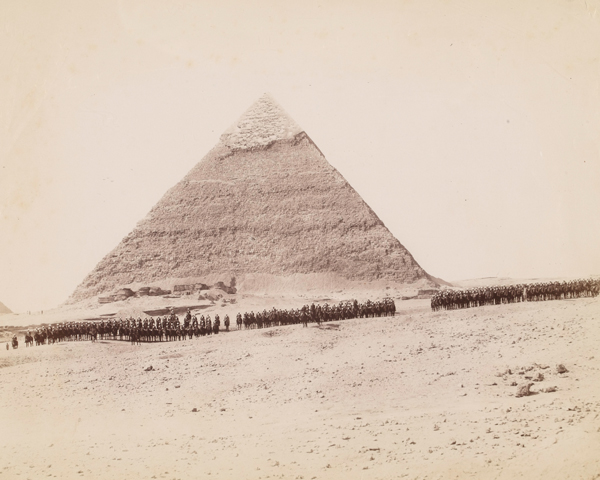
In May 1882, Colonel Ahmed Urabi of the Egyptian Army sidelined the Khedive and spearheaded a revolt against what he and his supporters regarded as unwarranted foreign interference in their country's affairs. They also promised to address the growing demands for social reform.
In order to protect its strategic and financial interests in the region, the British government decided that military intervention was unavoidable.
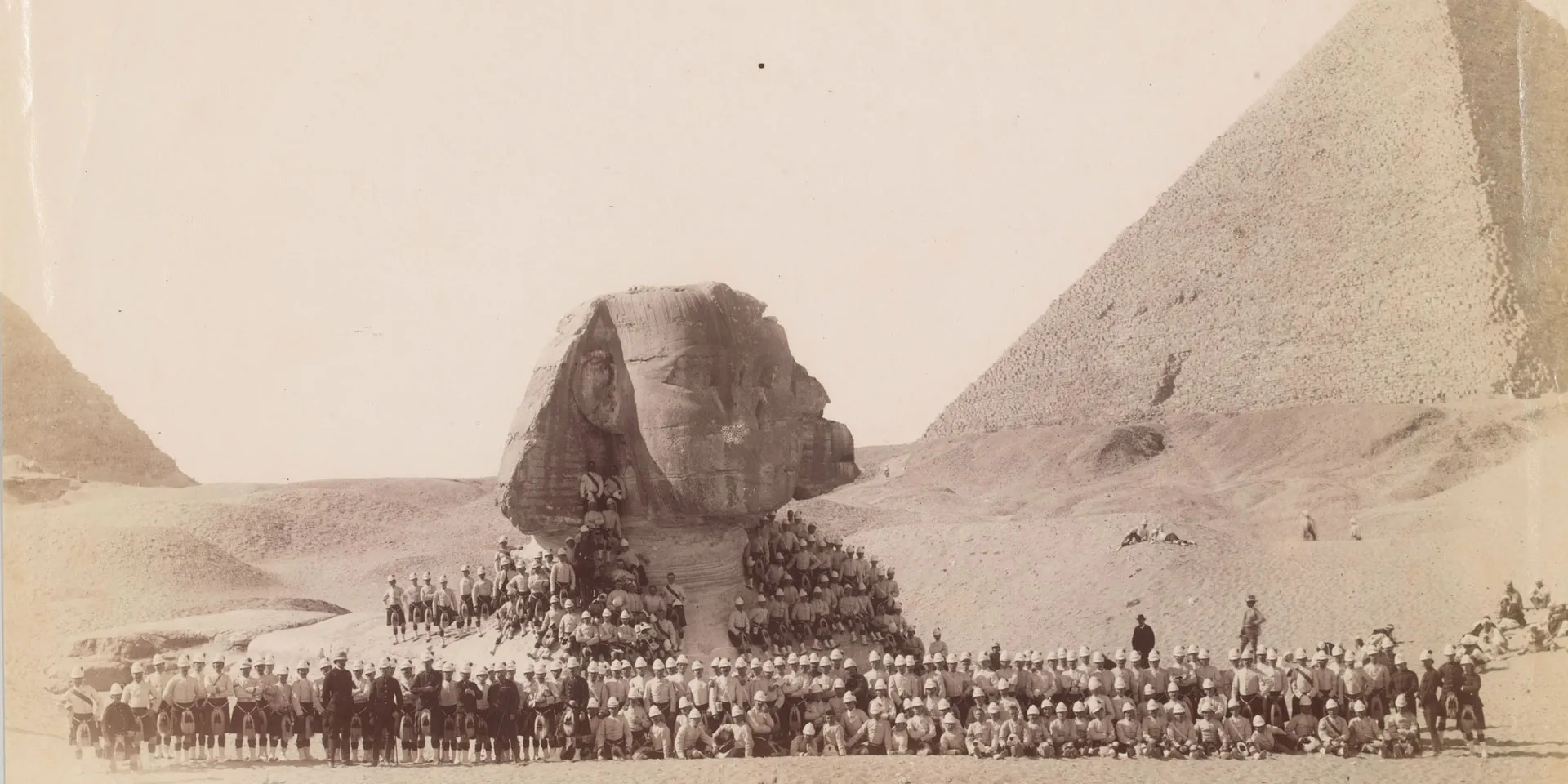
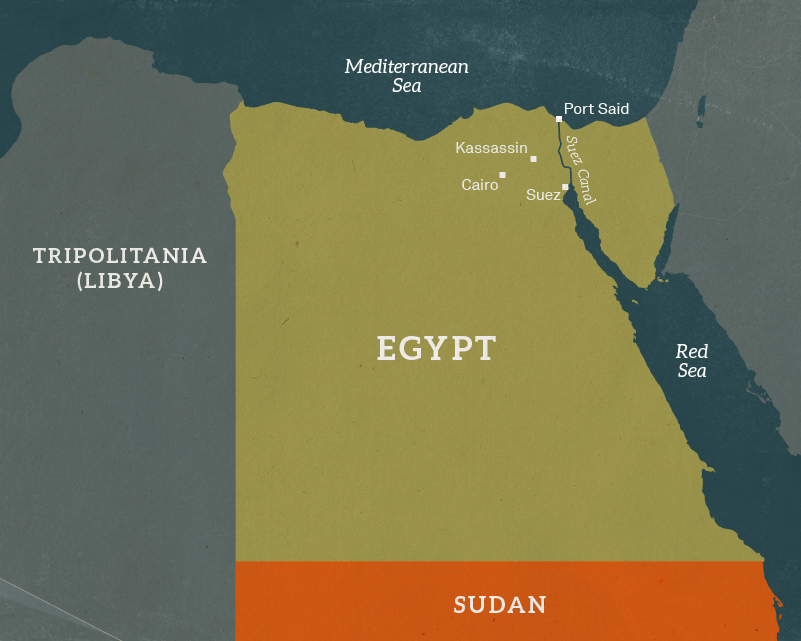
A naval bombardment of Alexandria began in July 1882. The following month, a British and Indian force of 35,000 men, under Lieutenant-General Sir Garnet Wolseley, sailed into the Suez Canal and landed at Ismailia.
Map of Egypt, 1882
Battle of Kassassin
On 10 September 1882, Urabi led an Egyptian force against British troops at Kassassin, about 20 miles (32km) west of Ismailia, in an effort to take control of the Suez Canal.
The battle's outcome remained in the balance until British reinforcements arrived and secured victory just as night began to fall.
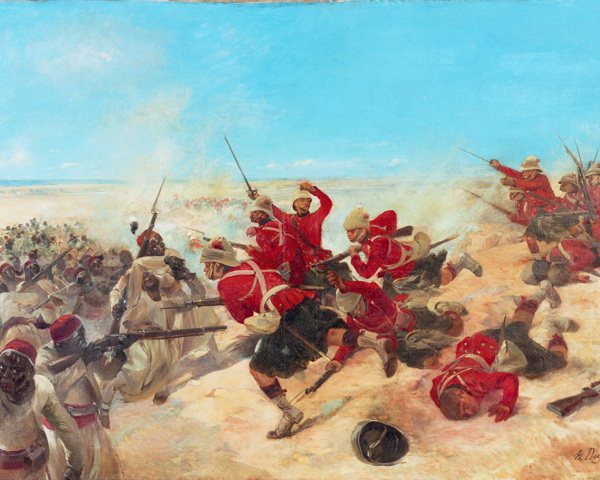
Battle of Tel-el-Kebir
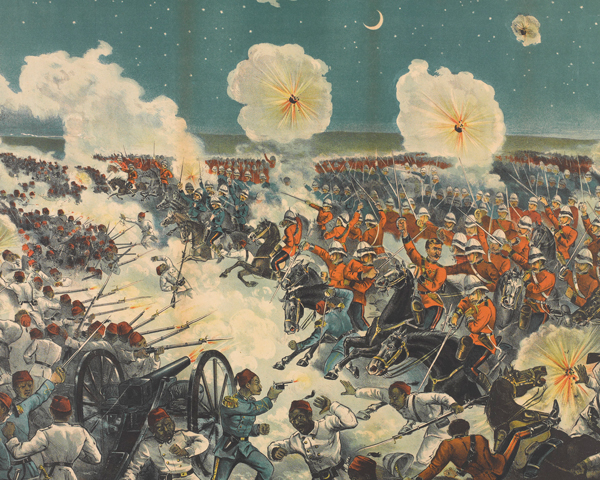
On 13 September 1882, after a daring night march, Wolseley’s troops surprised the Egyptians at Tel-el-Kebir, about 30 miles (48km) south-west of Ismailia, and drove them from their trenches.
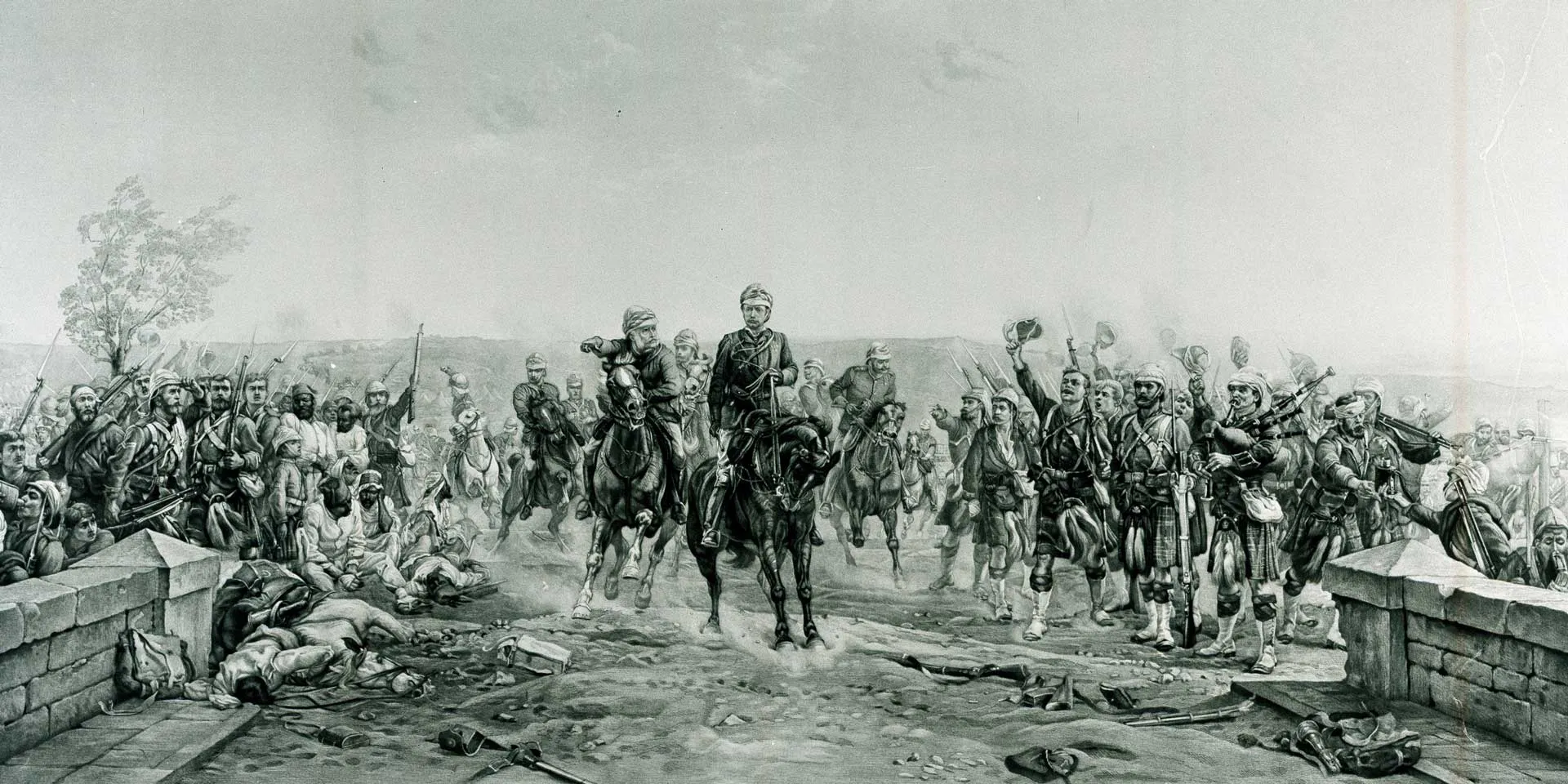
When Wolseley entered Cairo the following day, Urabi and his army surrendered. The authority of the Khedive was restored, but the British remained in Egypt to ensure stable and co-operative government.
The Mahdists
By occupying Egypt, Britain also assumed responsibility for Sudan, which had been under Egyptian rule since the 1820s. A revolt had begun there in 1881, led by Mohammed Ahmed, who styled himself as the ‘Mahdi’ - a messianic figure in Islamic tradition.
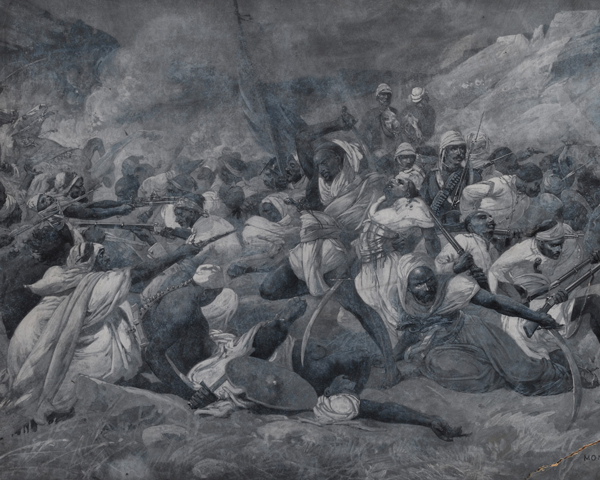
By the end of 1882, the Mahdists controlled much of Sudan. On 5 November 1883, at El Obeid, they annihilated an Egyptian force that had been sent to restore order.
Osman Digna
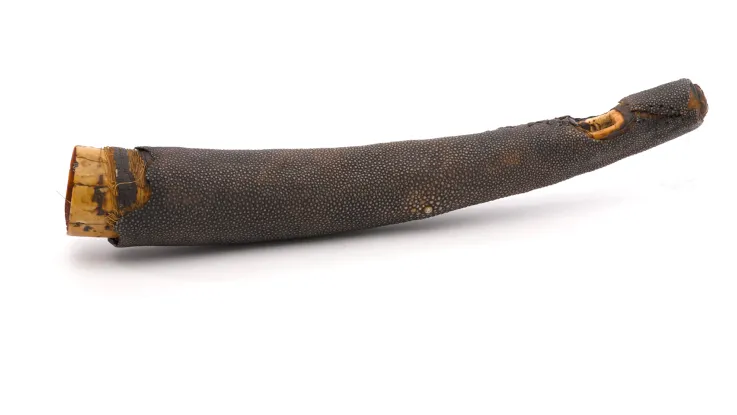
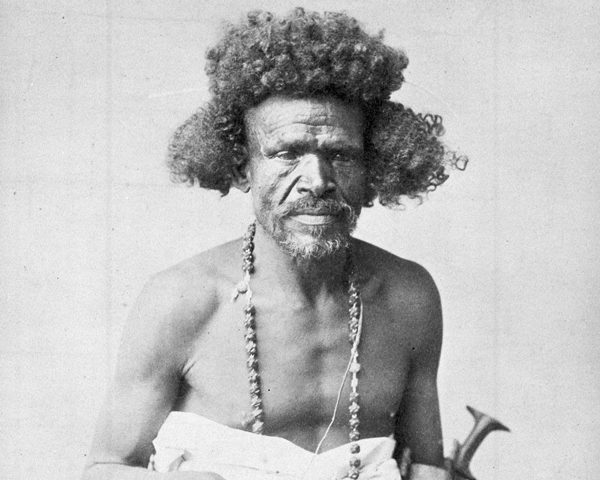
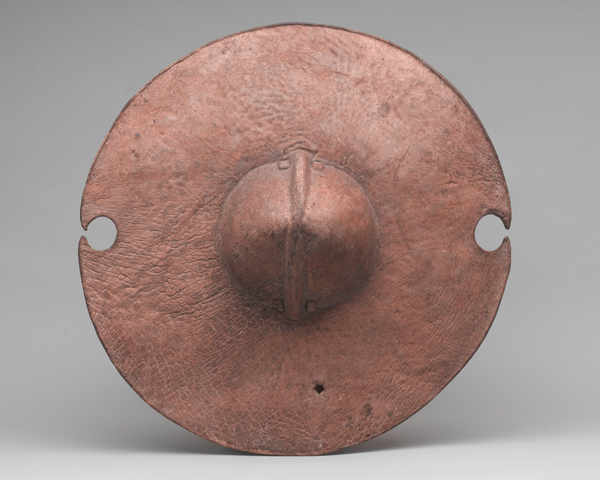
The Mahdi was supported by Osman Digna, leader of the Hadendoa Beja people of eastern Sudan. In some British accounts from the period, the Beja are described as 'fuzzie-wuzzies' in reference to their hair.
In January 1884, Digna commanded a Mahdist army - mainly composed of his fellow Beja tribesmen - which wiped out an Egyptian force under Colonel Valentine Baker outside the Red Sea port of Suakim (now Suakin).
Battles of El Teb and Tamai
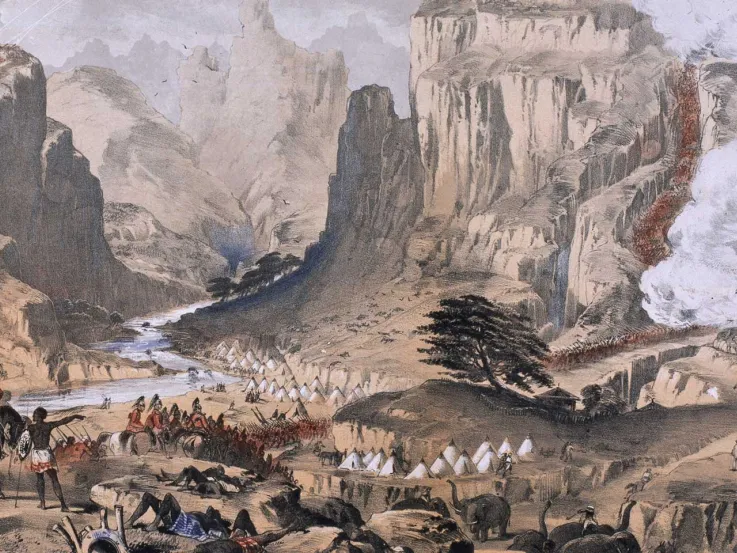
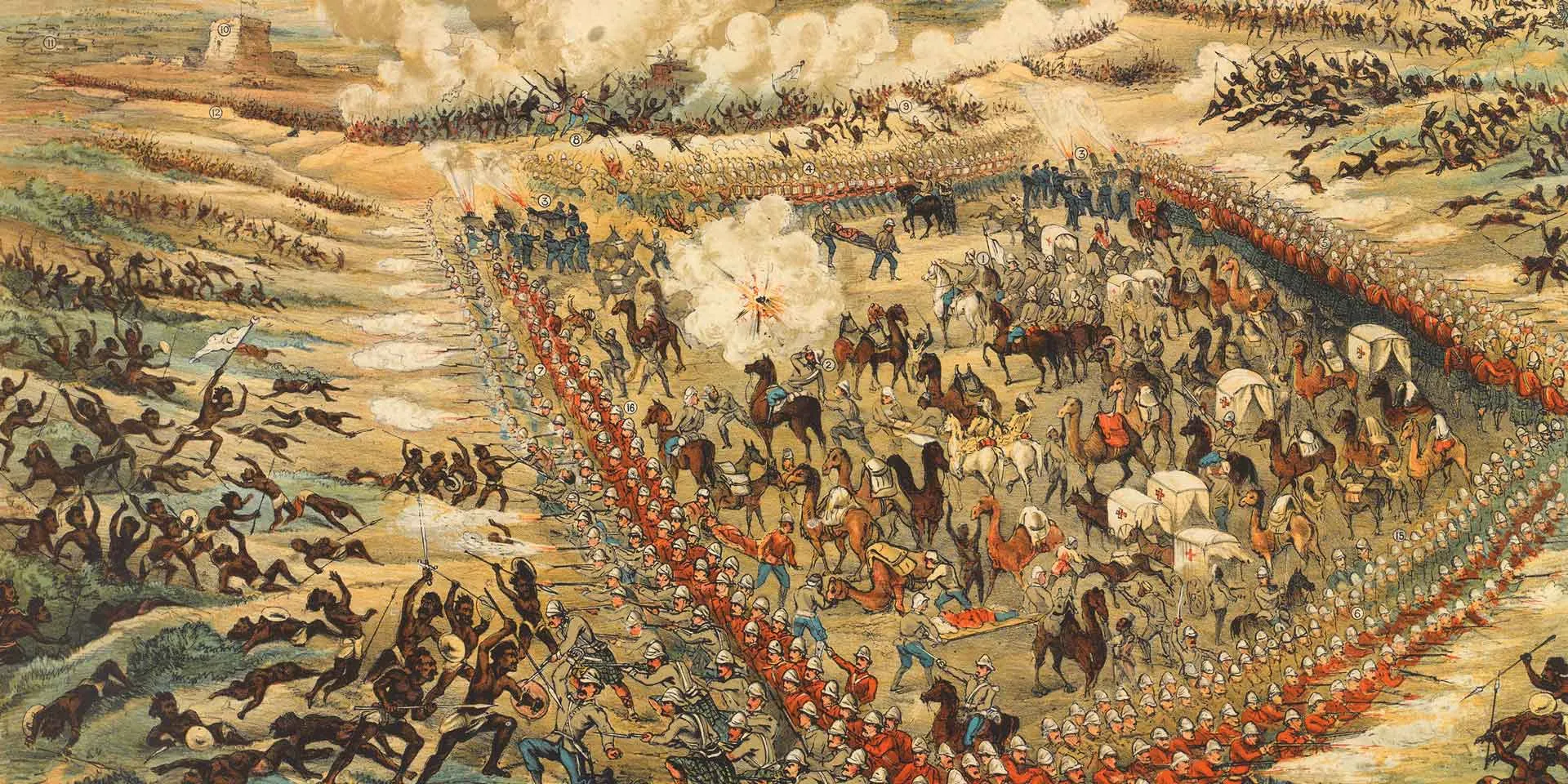
To rectify this situation, a 4,000-strong British-Indian force, under Major-General Gerald Graham, was sent out to Suakim. On 29 February 1884, it defeated Osman Digna at El Teb. But two weeks later, on 13 March, it was almost overwhelmed at Tamai.
The British fought in two brigade squares, one of which was temporarily broken by the Mahdists. The situation at Tamai was only retrieved when the second square moved up in support.
These two victories were a boost to public morale, but they had little long-term effect. Osman Digna was able to recover from his losses and Graham’s force was withdrawn, leaving only a small garrison at Suakim.
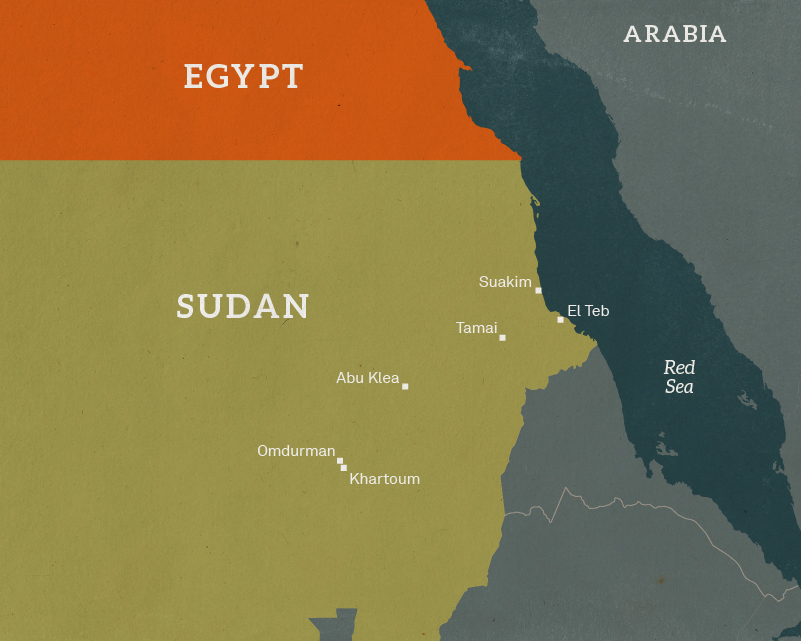
Map of the Sudan, 1884
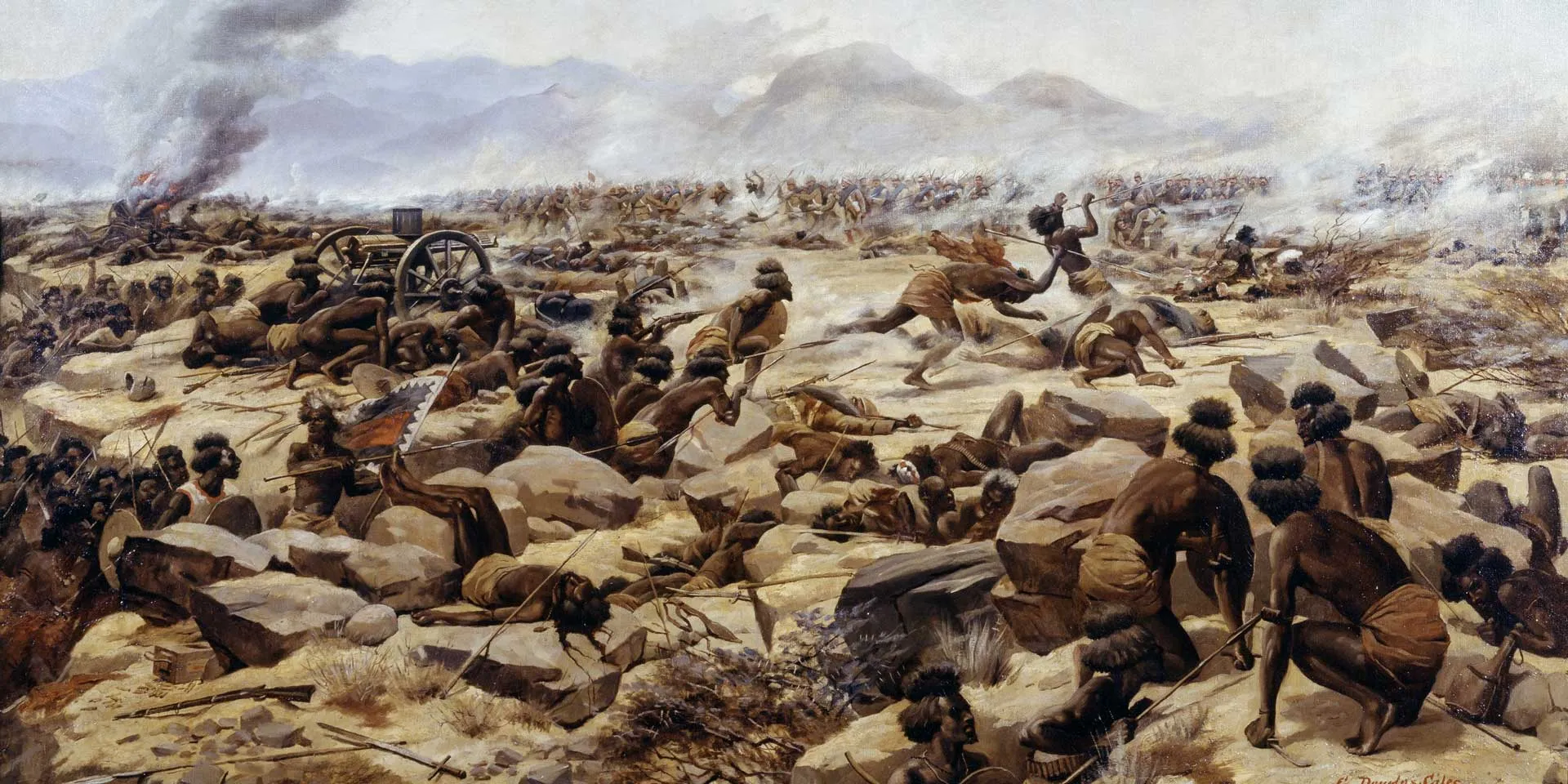
Gordon in Khartoum
Meanwhile, Major-General Charles Gordon had been sent to Sudan with orders to oversee the evacuation of Khartoum. Gordon was familiar with the region, having already governed there during the 1870s. However, instead of focusing on evacuation efforts, he elected to stay and defend the city.
In May 1884, Khartoum was invested by the Mahdists. General Gordon found himself besieged and Britain was forced to organise a relief expedition.
Relief force
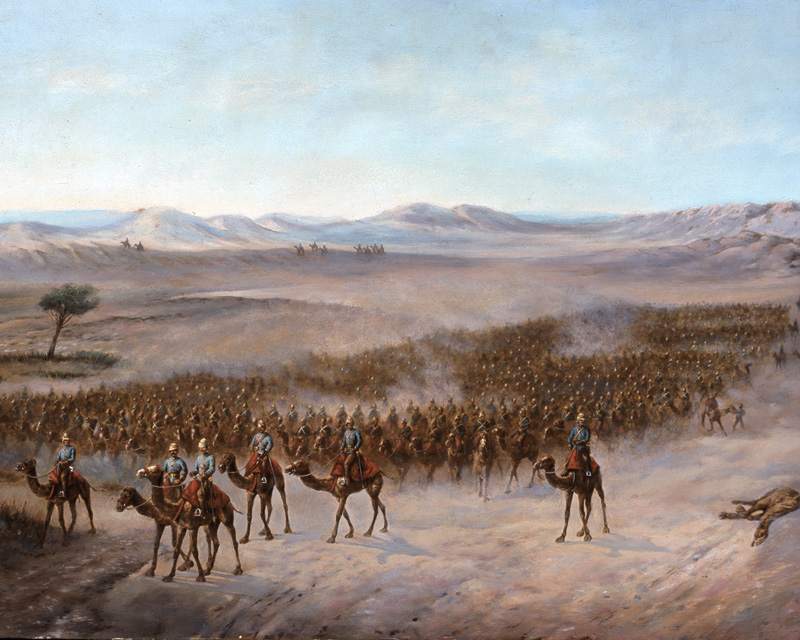
Wolseley’s relief column set off from Wadi Halfa, near the Egypt-Sudan border, in October 1884. Realising that his infantry, travelling in boats up the River Nile, might not reach Khartoum in time to save Gordon, Wolseley detached a desert column to travel overland by a faster, but more dangerous route.
This force, commanded by Brigadier-General Sir Herbert Stewart, was composed of four regiments of camel-mounted troops formed from the various units in Egypt and a detachment of the 19th Hussars.

Battle of Abu Klea
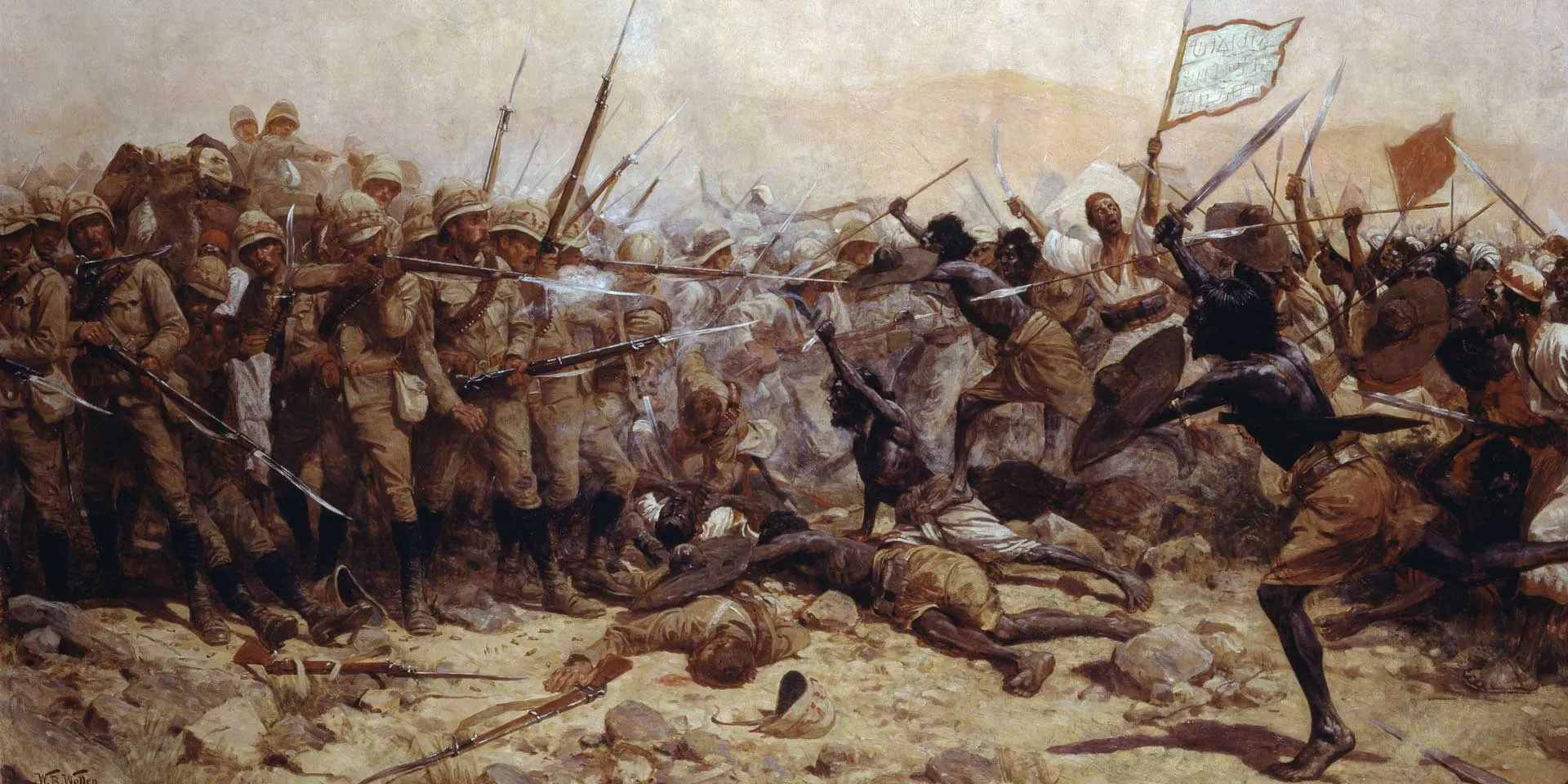
On 17 January 1885, the desert column was attacked by the Mahdists at Abu Klea. Despite suffering heavy losses to British rifle fire, the Mahdists succeeded in penetrating the British square, which was closed only after desperate hand-to-hand fighting. The British suffered 168 casualties, the Mahdists about 1,100.
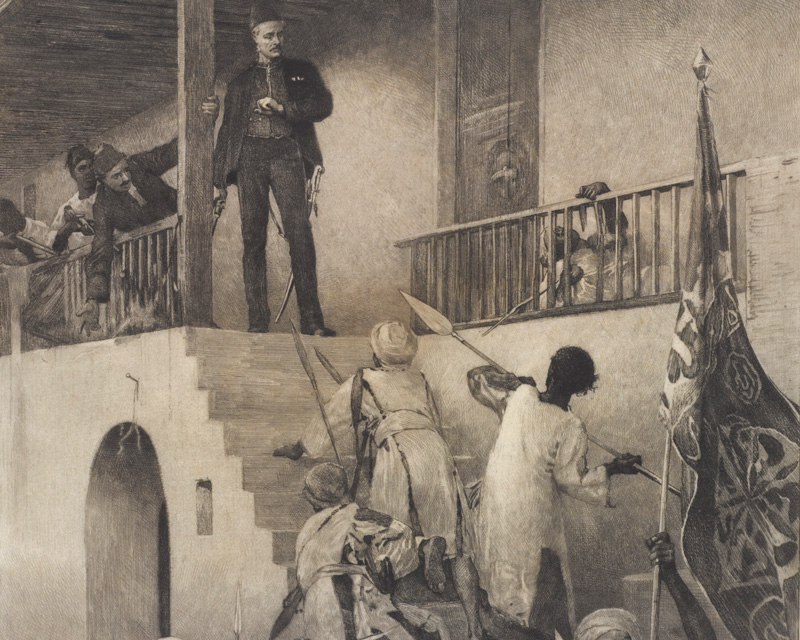
The column finally reached Khartoum on 28 January 1885, two days after Gordon had been killed and the city had fallen.

‘The most savage and bloody action ever fought in the Sudan by British troops.’Winston Churchill on Abu Klea — 1899
Humiliation
For Britain, the death of General Gordon at Khartoum was a national humiliation. There was strong public pressure on the government to send another expedition to avenge him and restore Egyptian rule in Sudan.
A Mahdist invasion of Egypt was defeated in 1888-89. But it was not until 1896 that the government authorised further military action. This decision may have been influenced by concerns that if Britain did not conquer Sudan, then the Italians and French would.

Re-conquest of Sudan
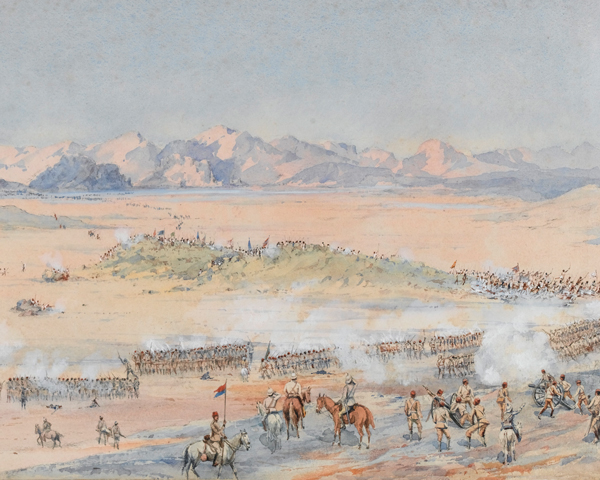
In 1896, an Anglo-Egyptian army, led by Major-General Herbert Kitchener, entered Sudan. Kitchener understood the importance of keeping his force supplied. He built a railway as he advanced and used steamers to move his troops and equipment down the River Nile. Progressing slowly but surely, he inflicted a number of defeats on the Mahdists.
Battle of Atbara
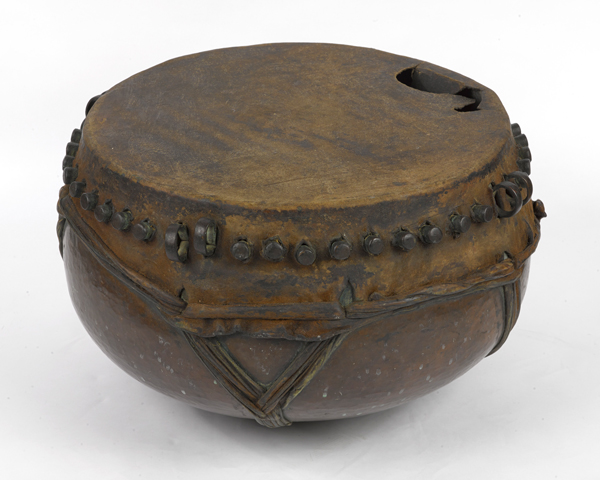
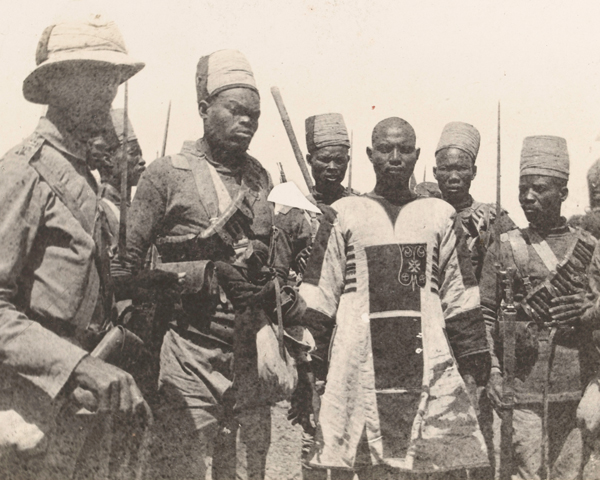
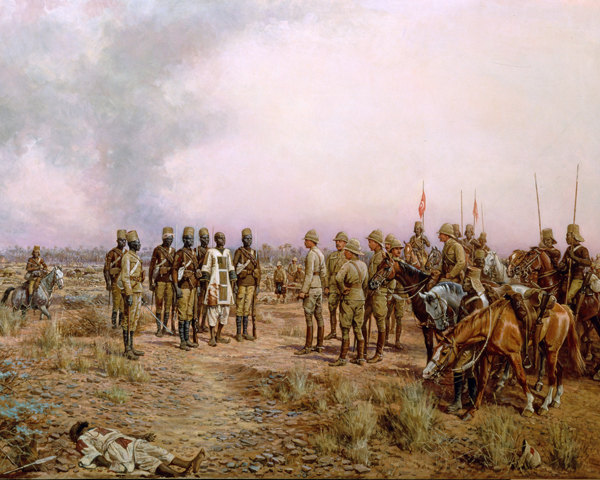
On 8 April 1898, Kitchener’s force of about 12,000 attacked the fortified camp of a Mahdist army at Atbara. After a fierce struggle, the tribesmen were completely routed. Their commander, Emir Mahmud, was captured along with 4,000 of his men.
Battle of Omdurman
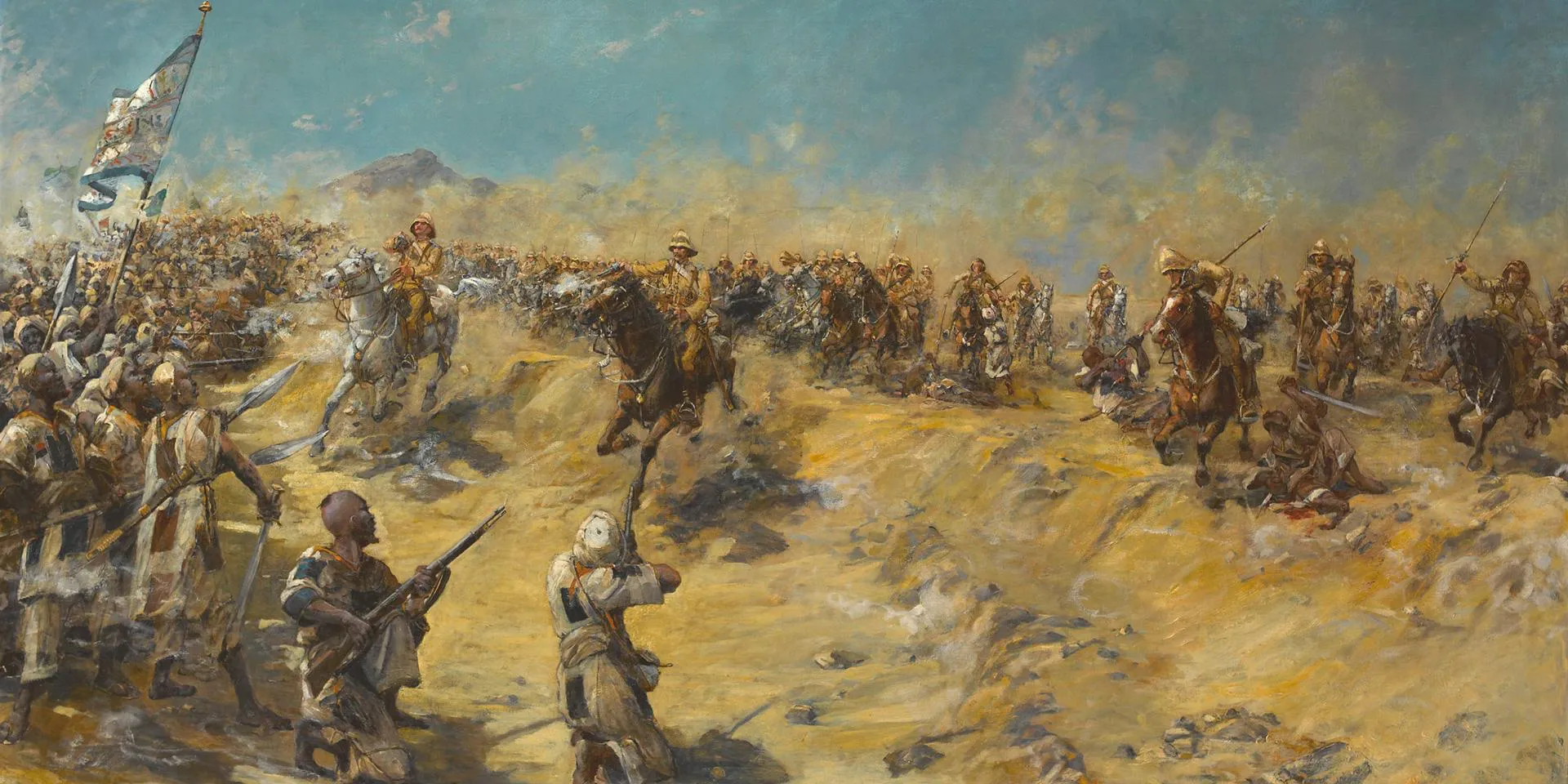
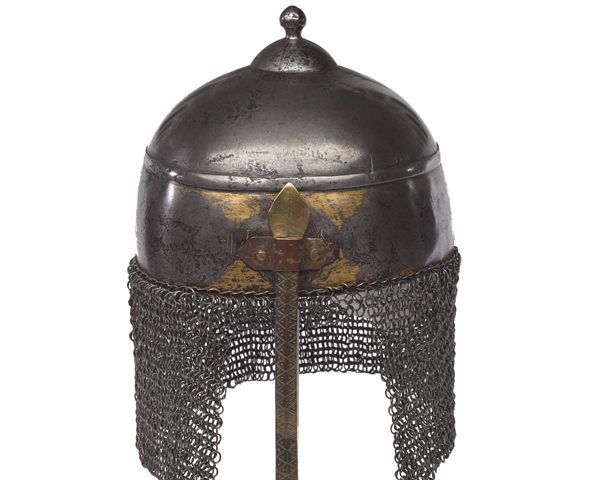
At Omdurman, on 2 September 1898, Kitchener inflicted a crushing defeat on the forces of the Khalifa, Abdullah Ibn-Mohammed, who was the Mahdi's successor.
Although they attacked with fanatical bravery, the Mahdists were no match for the rifles and Maxim machine guns of Kitchener’s army. By the end of the day, they had suffered approximately 27,000 casualties. The Anglo-Egyptians lost only 43 dead.
The Battle of Omdurman broke the power of the Mahdists. The Khalifa remained at large until November 1899, but Sudan was quickly pacified.
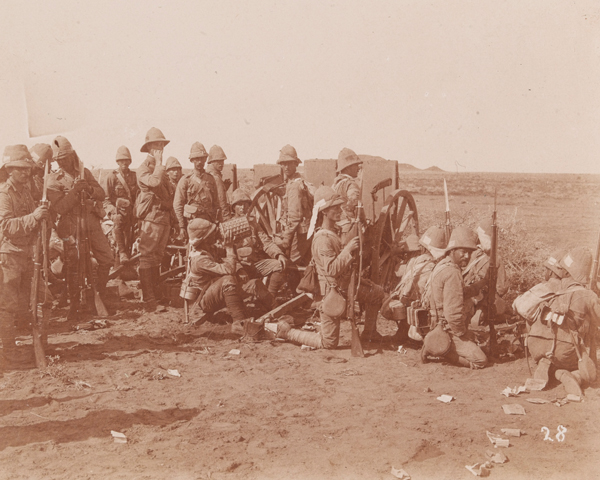

‘With a crash the bullets leaped out of the British rifles… section volleys at 2,000 yards… [The Mahdists] could never get near and they refused to hold back . . . It was not a battle but an execution.’Description of Lee-Metford rifle fire at Omdurman by journalist George Steevens — 1898