Explore

Delve deeper into stories of the Army and its soldiers, exploring events across the globe and down the centuries.

Explore by theme
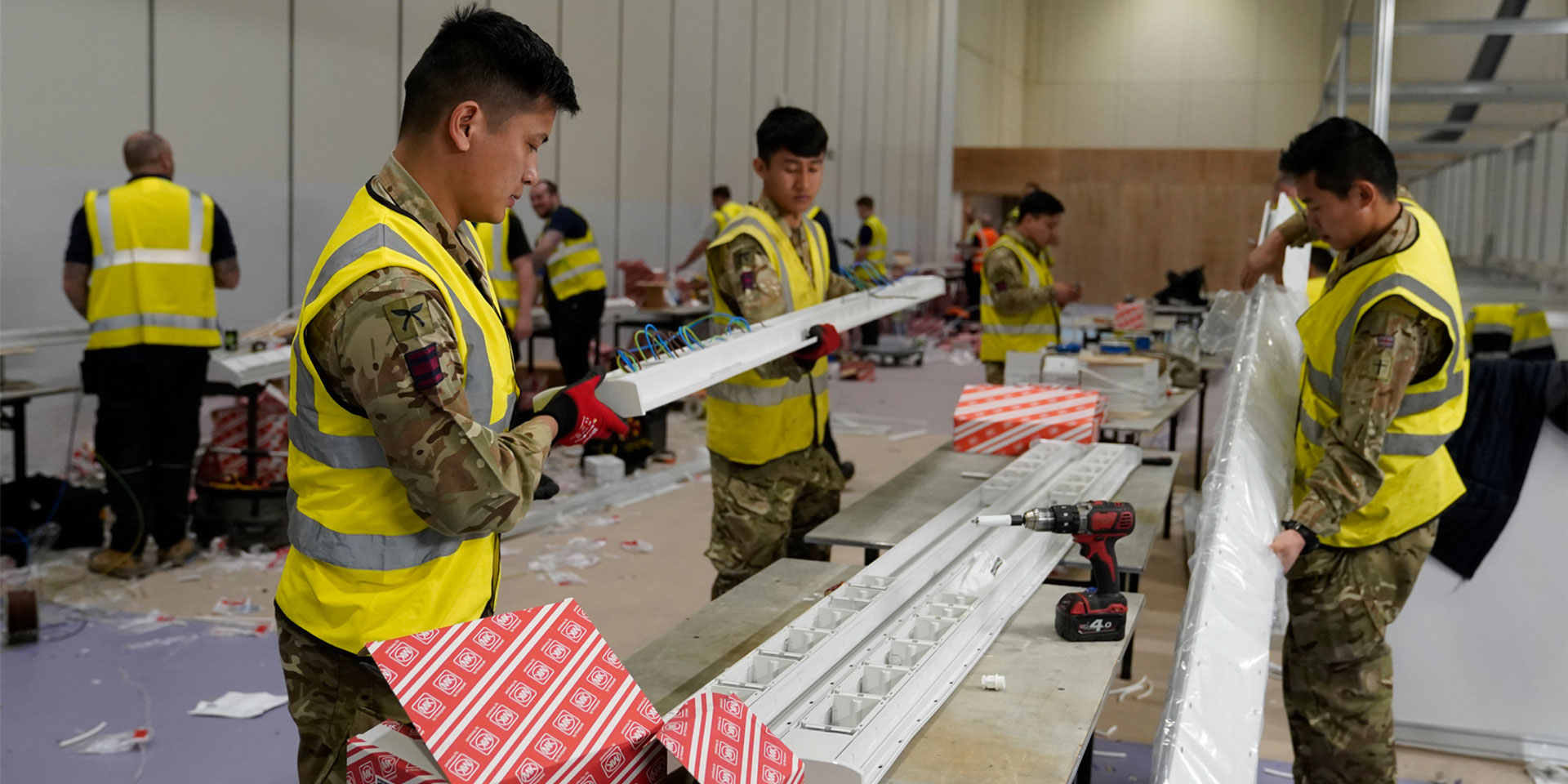
The Queen’s Gurkha Engineers assist with the construction of NHS Nightingale, 2020

In case of emergency: The Army and civil assistance

Britain's civil authorities have often relied on the Army's help at times of emergency. This assistance has ranged from supporting national events to helping resolve crises and protecting against domestic threats.

Women's Royal Army Corps

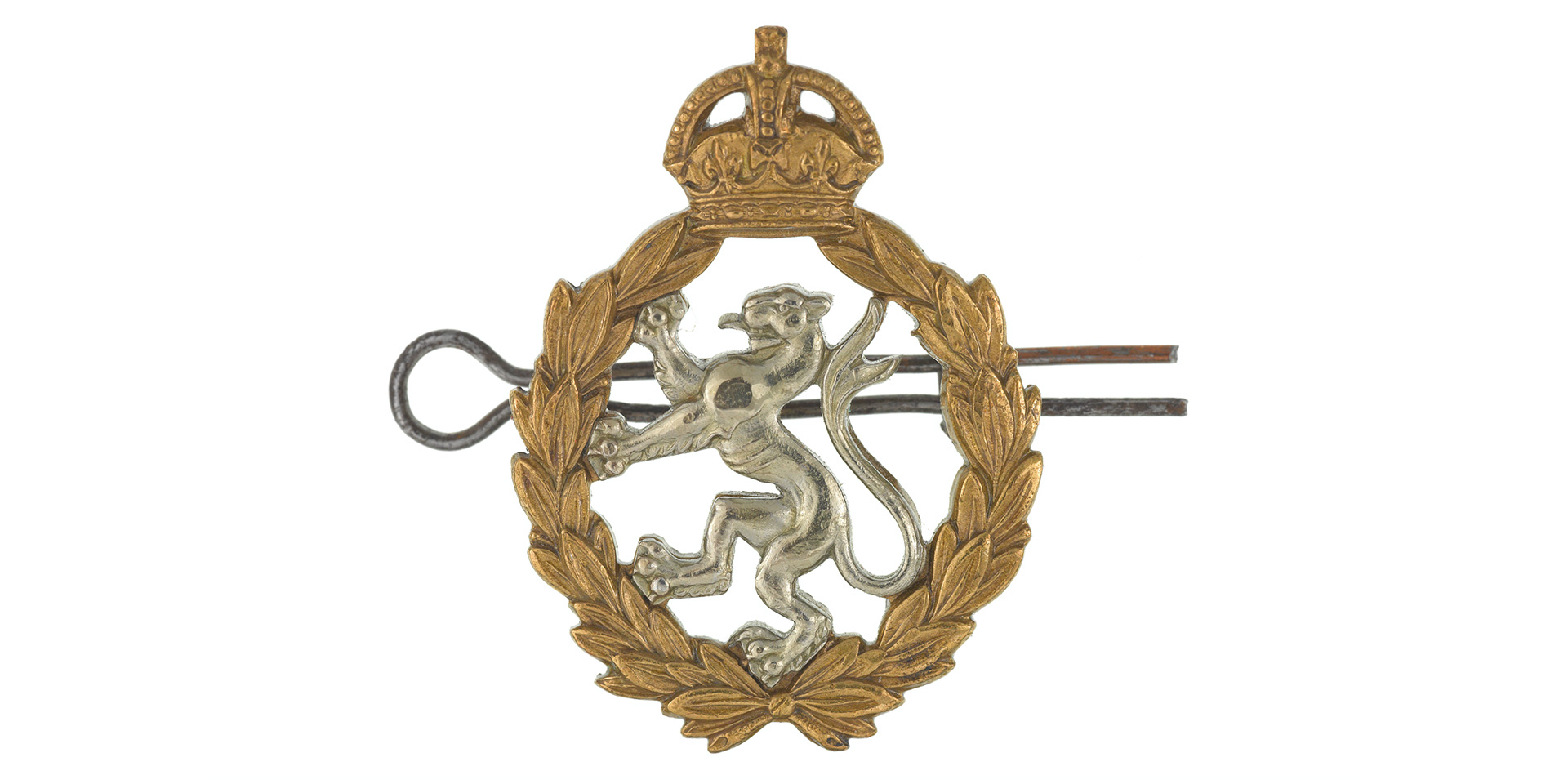
Women’s Royal Army Corps

Formed in 1949, this corps was the women’s branch of the British Army. Its members undertook a variety of important roles until 1992, when its remaining personnel were integrated into the Adjutant General's Corps.

Auxiliary Territorial Service

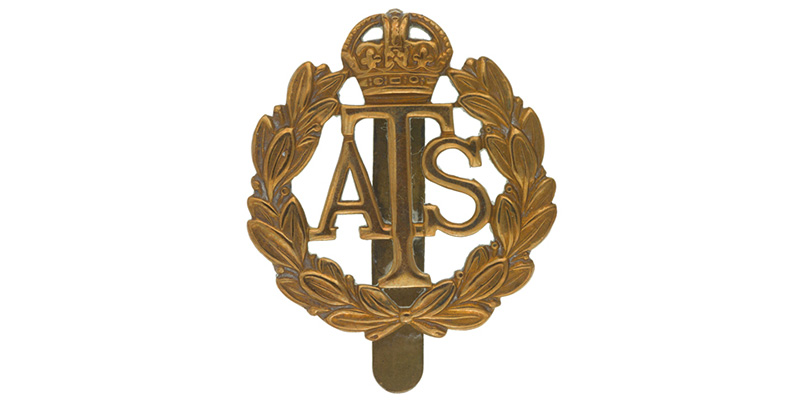
Auxiliary Territorial Service

Formed in 1938, the Auxiliary Territorial Service tasked women with a range of vital roles during the Second World War. In 1949, its remaining troops transferred to the newly formed Women’s Royal Army Corps.

Queen Mary's Army Auxiliary Corps

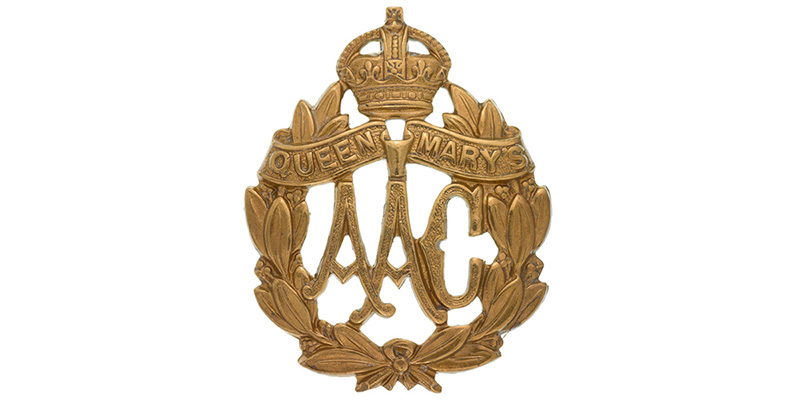
Queen Mary’s Army Auxiliary Corps

This unit was formed as the Women's Army Auxiliary Corps in 1917 to free up more men to fight in the First World War. It was the first time women had served in the British Army other than as nurses.

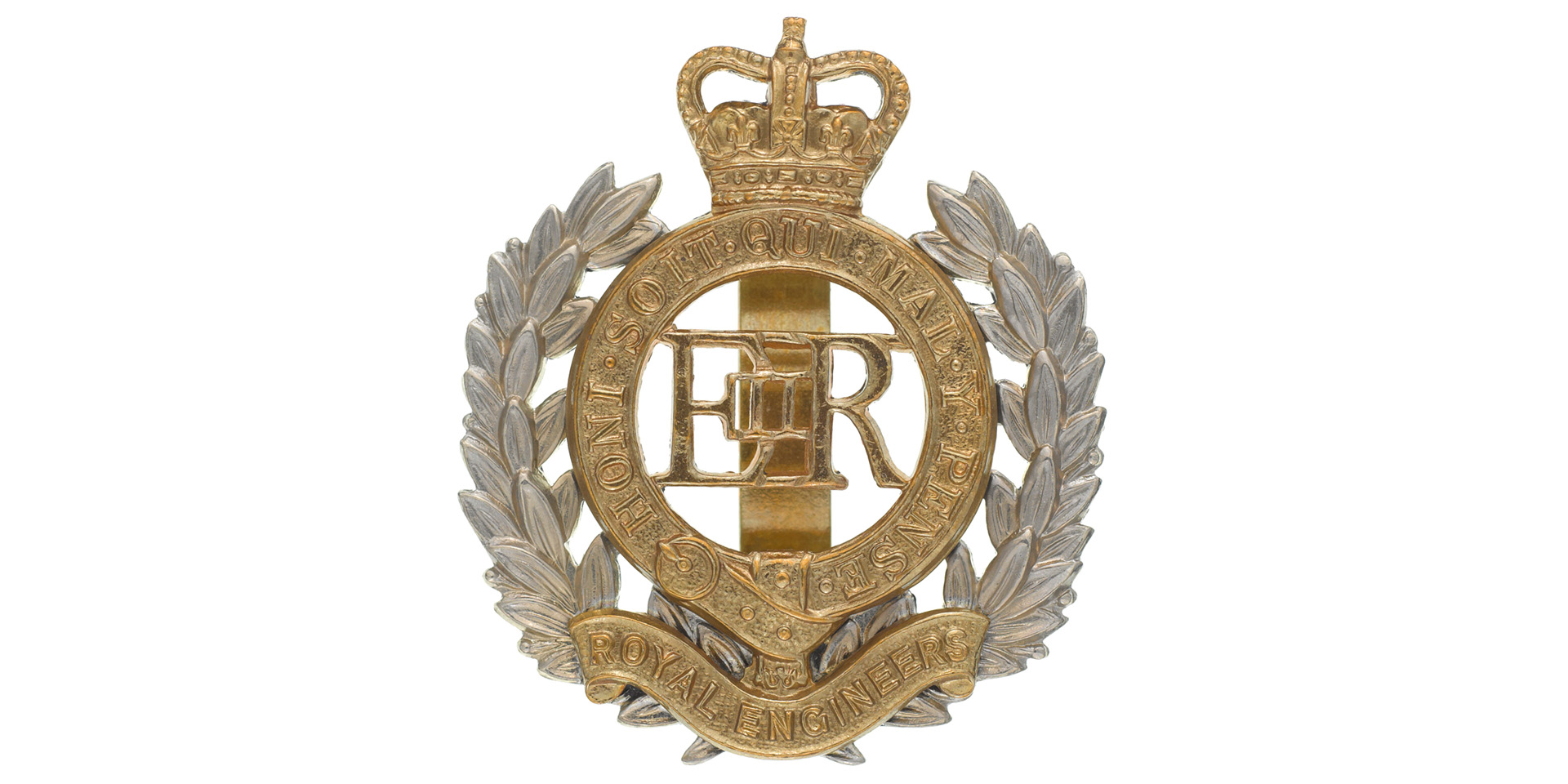
Cap badge, Royal Engineers, c1940

Corps of Royal Engineers

Formed in 1716, this corps helps keep the British Army in the field by providing engineering and technical support. Known as ‘Sappers’, Royal Engineers have served in all of the Army’s campaigns.

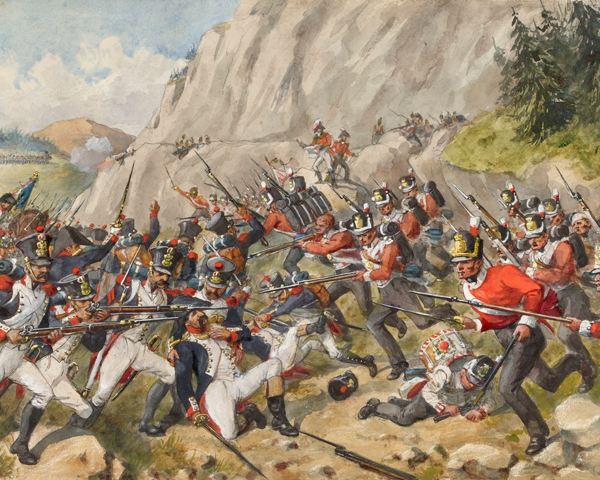
The Battle of Busaco, 27 September 1810

Peninsular War

From 1808 to 1814, the British Army, aided by its Spanish and Portuguese allies, held off superior numbers of French troops before driving them out of Iberia. They then carried the war into France, playing an important part in Napoleon's first overthrow.

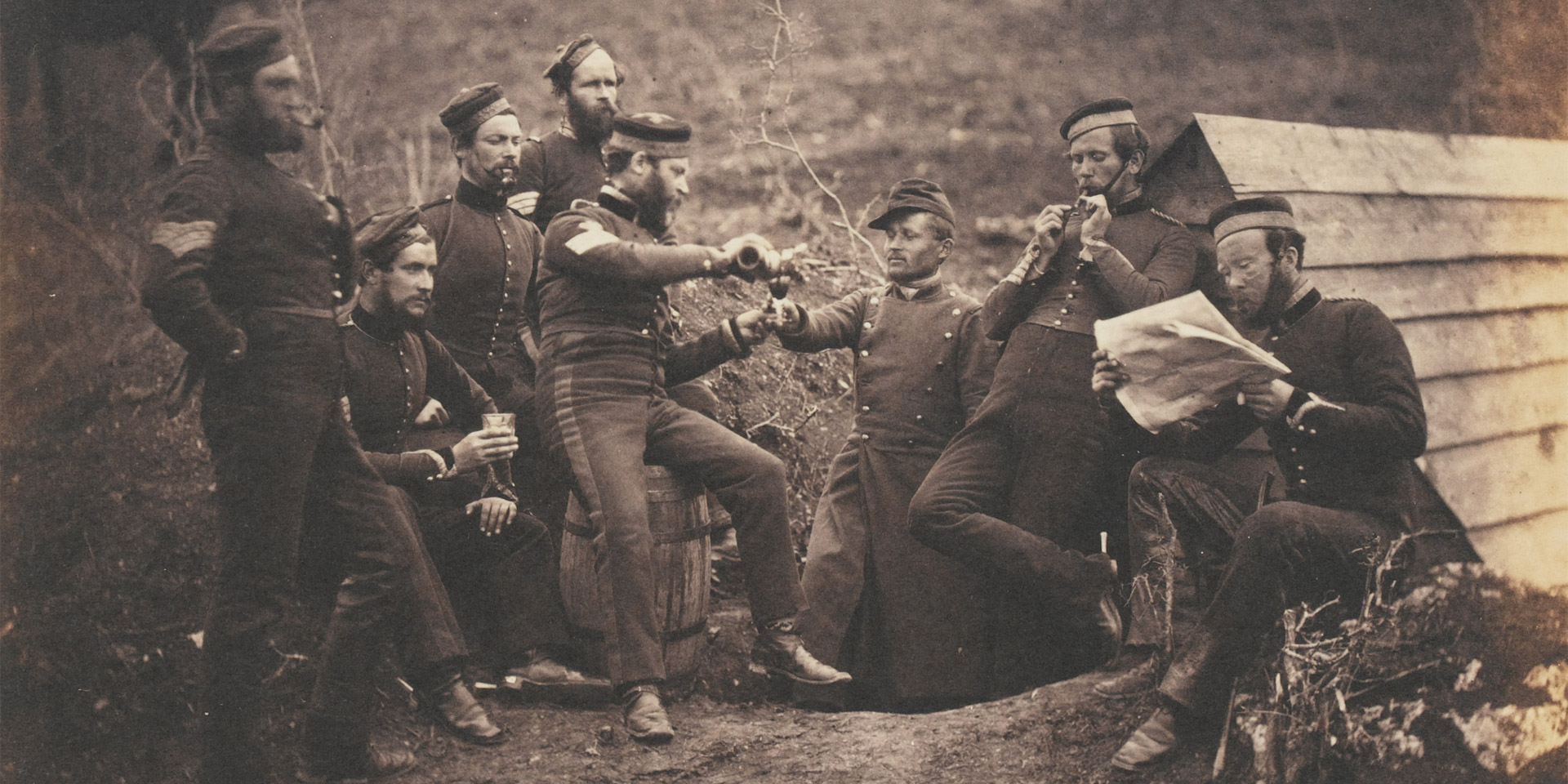
Capturing the Army

Capturing the Army

Today, the Army trains specialist photographers to capture its story. But the demand for images depicting soldiers' experiences is nothing new. Here we look at some of the earliest pioneers of military photography.

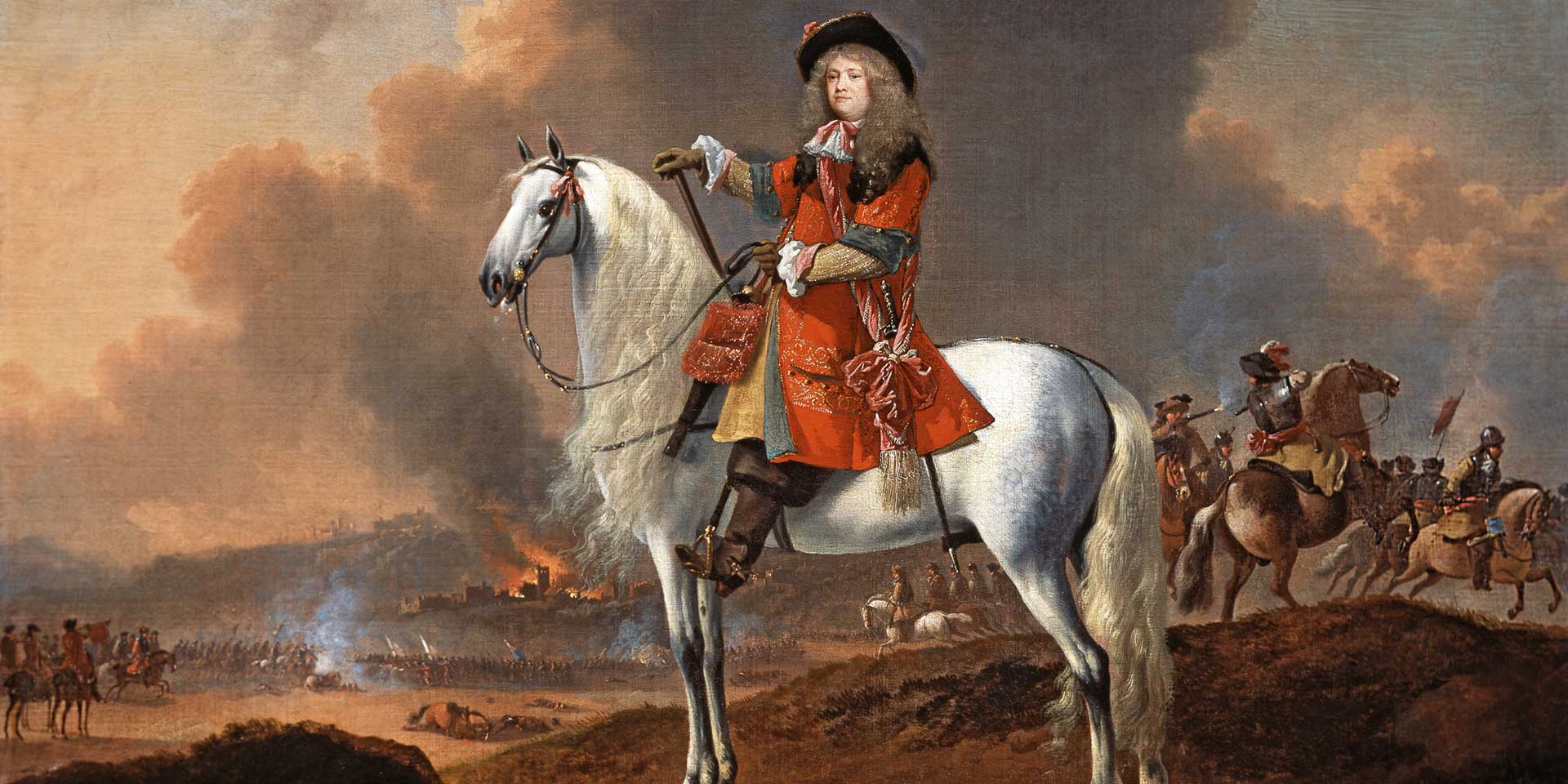
Lieutenant-Colonel Randolph Egerton, The King's Troop of Horse Guards, c1672

The Restoration and the birth of the British Army

In 1660, the monarchy was restored when Parliament invited King Charles II to take the throne. Although the military played a crucial role in his return, the King soon established a new force - the British Army.

Luck and superstition

Luck and superstition

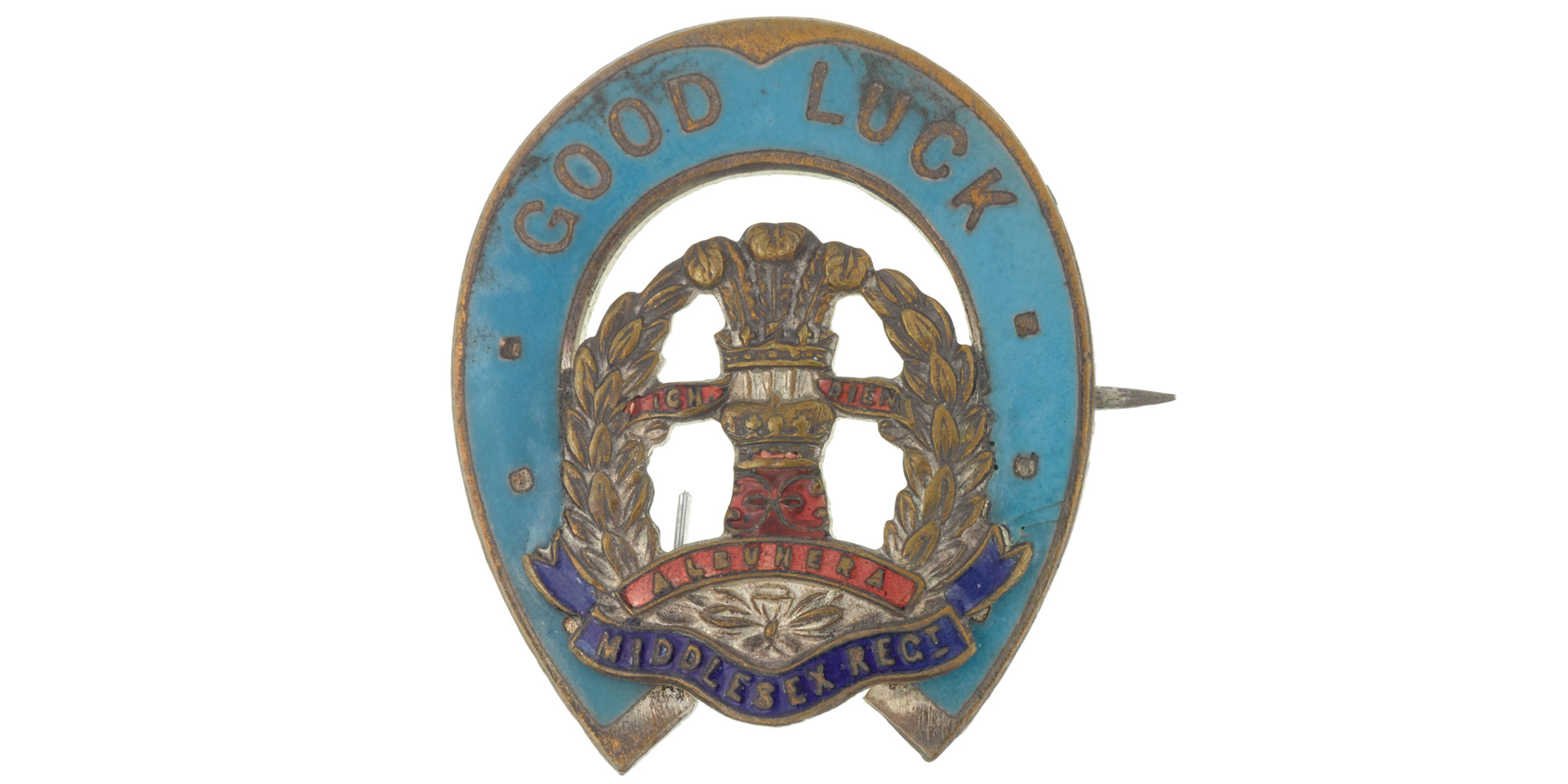
Chance plays a significant part in deciding a soldier’s fate on the battlefield. Here we look at examples of close shaves and extraordinary escapes, and examine some of the superstitions soldiers draw on for comfort and protection.

Cavalry of the New Model Army, c1645

British Civil Wars

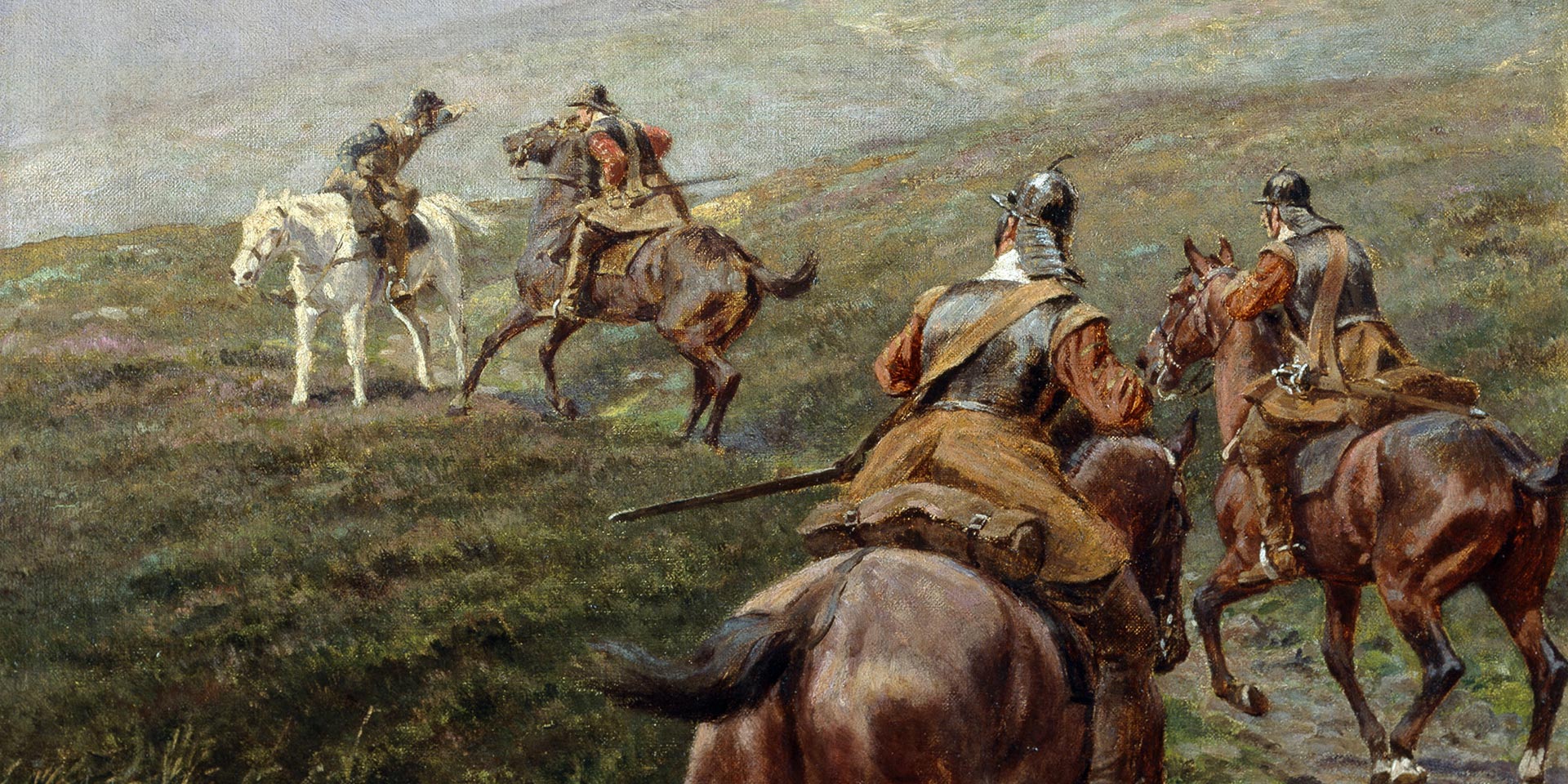
Fought between 1642 and 1651, these wars were primarily disputes between Crown and Parliament about how the British Isles should be governed. But they also had religious and social dimensions, and witnessed the creation of the first national standing army.

The Battle of the Boyne, 1690

Nine Years War

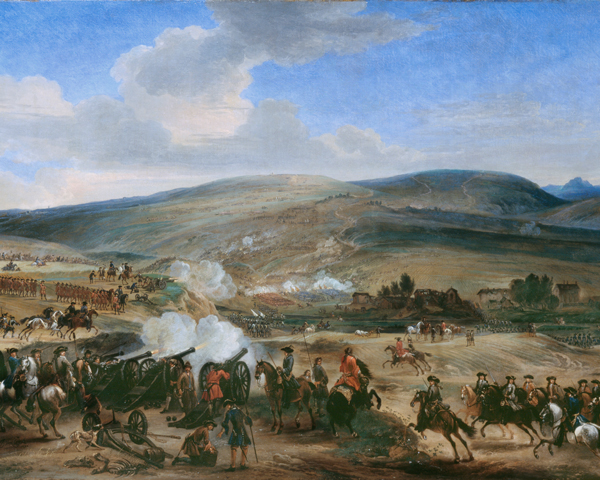
Between 1689 and 1697, British soldiers joined a European alliance against French expansionism. At the same time, extensive fighting took place in Scotland and Ireland between the supporters of King William III and the deposed James II.

King James II, c1685

The ‘Glorious Revolution’

The Army played an important role in the downfall of King James II and his replacement by William of Orange in 1688. This ‘Glorious Revolution’ restricted royal power and had a profound impact on the long-term future of the British Army.

Stories of remembrance

story

Peace and commemoration

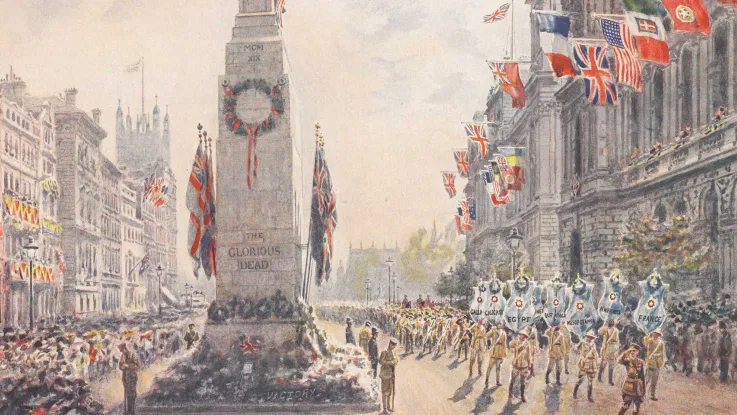
After the Armistice in November 1918, millions of soldiers hoped they would soon go home. But demobilising so many troops was a huge task. How best to mark the Allied victory also became a subject for debate.

Story

Honouring the fallen

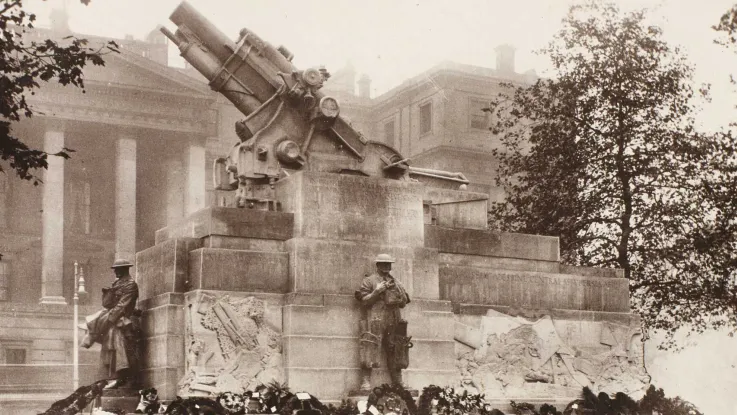
After the First World War, British society had to come to terms with the loss of huge numbers of its service personnel. Across the country, people found ways to commemorate the fallen at a local and national level.

Story

The Unknown Warrior

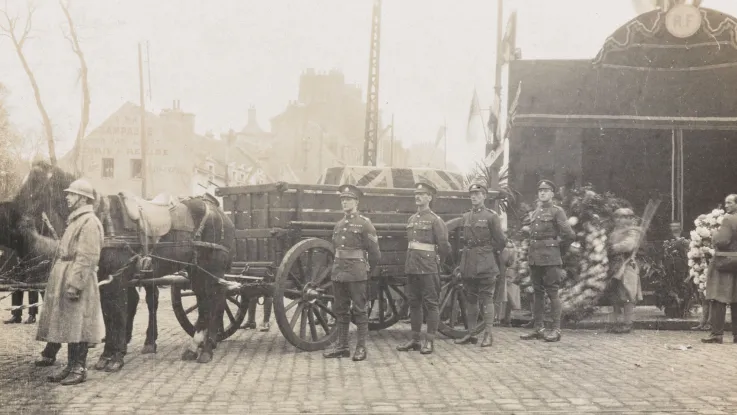
The grave of the Unknown Warrior contains the remains of an unidentified British serviceman, interred in 1920 to honour the fallen of the First World War. The secretive selection process remains shrouded in mystery.