Explore

Delve deeper into stories of the Army and its soldiers, exploring events across the globe and down the centuries.

Explore by theme
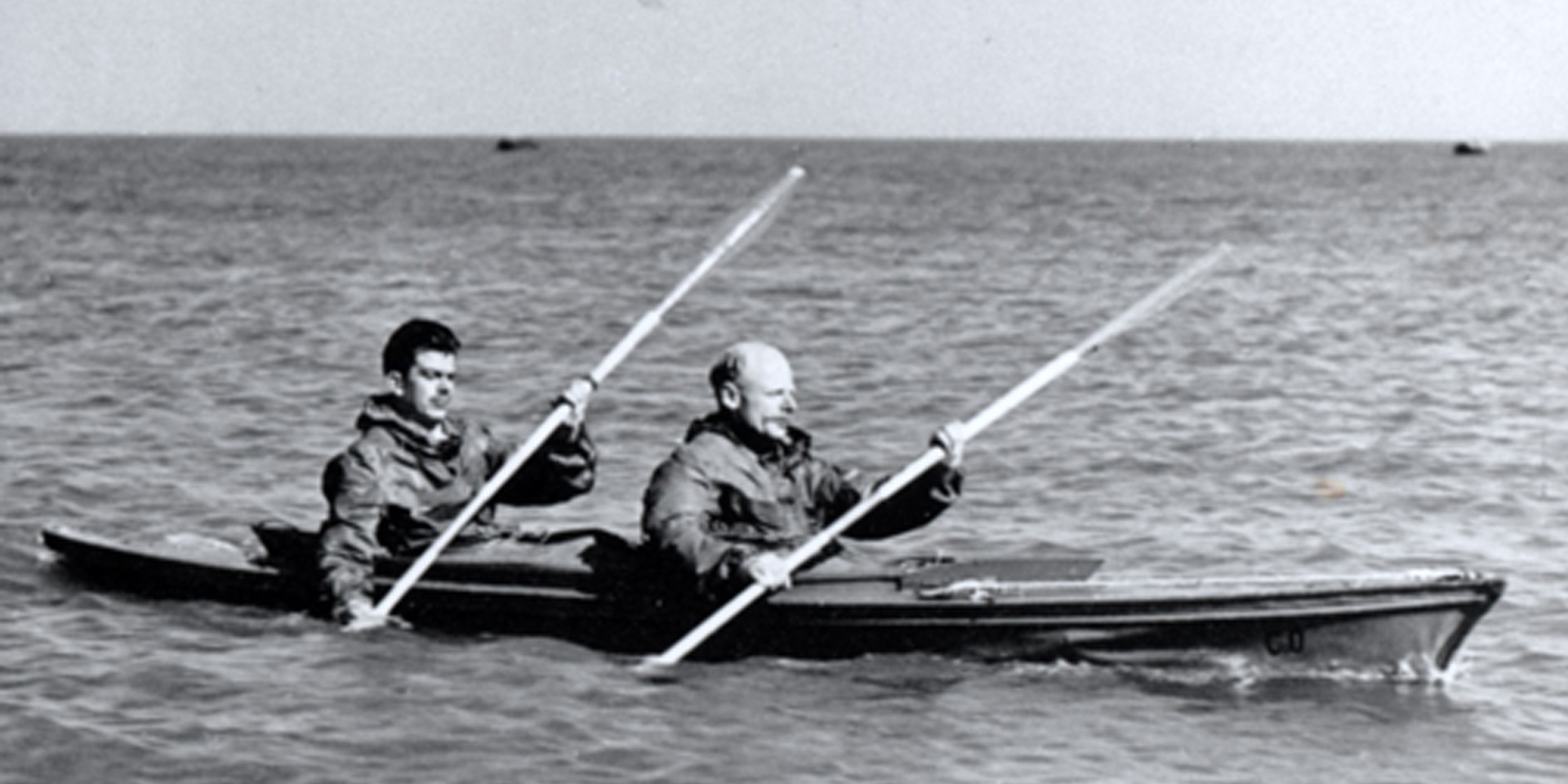
Major Herbert 'Blondie' Hasler and a colleague paddling a canoe, c1942

Herbert ‘Blondie’ Hasler: A Cockleshell Hero

Lieutenant-Colonel Herbert ‘Blondie’ Hasler was an inventor, pioneering yachtsman and special forces canoeist. In December 1942, he led the daring ‘Cockleshell Heroes’ raid on Bordeaux harbour.

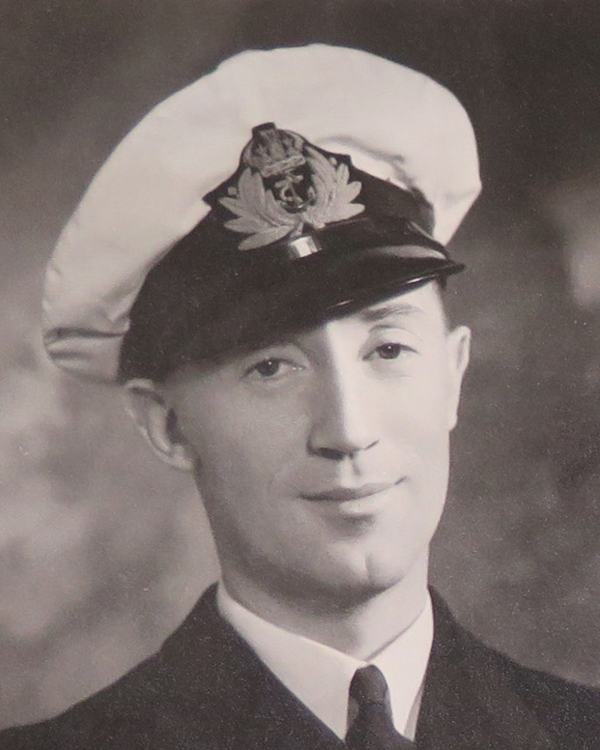
Captain Nigel Clogstoun-Willmott, c1944

Nigel Clogstoun-Willmott: Covert beach surveyor

During the Second World War, Nigel Clogstoun-Willmott founded the Combined Operations Pilotage Parties to undertake covert beach reconnaissance. This proved vital for the success of Allied seaborne invasions.

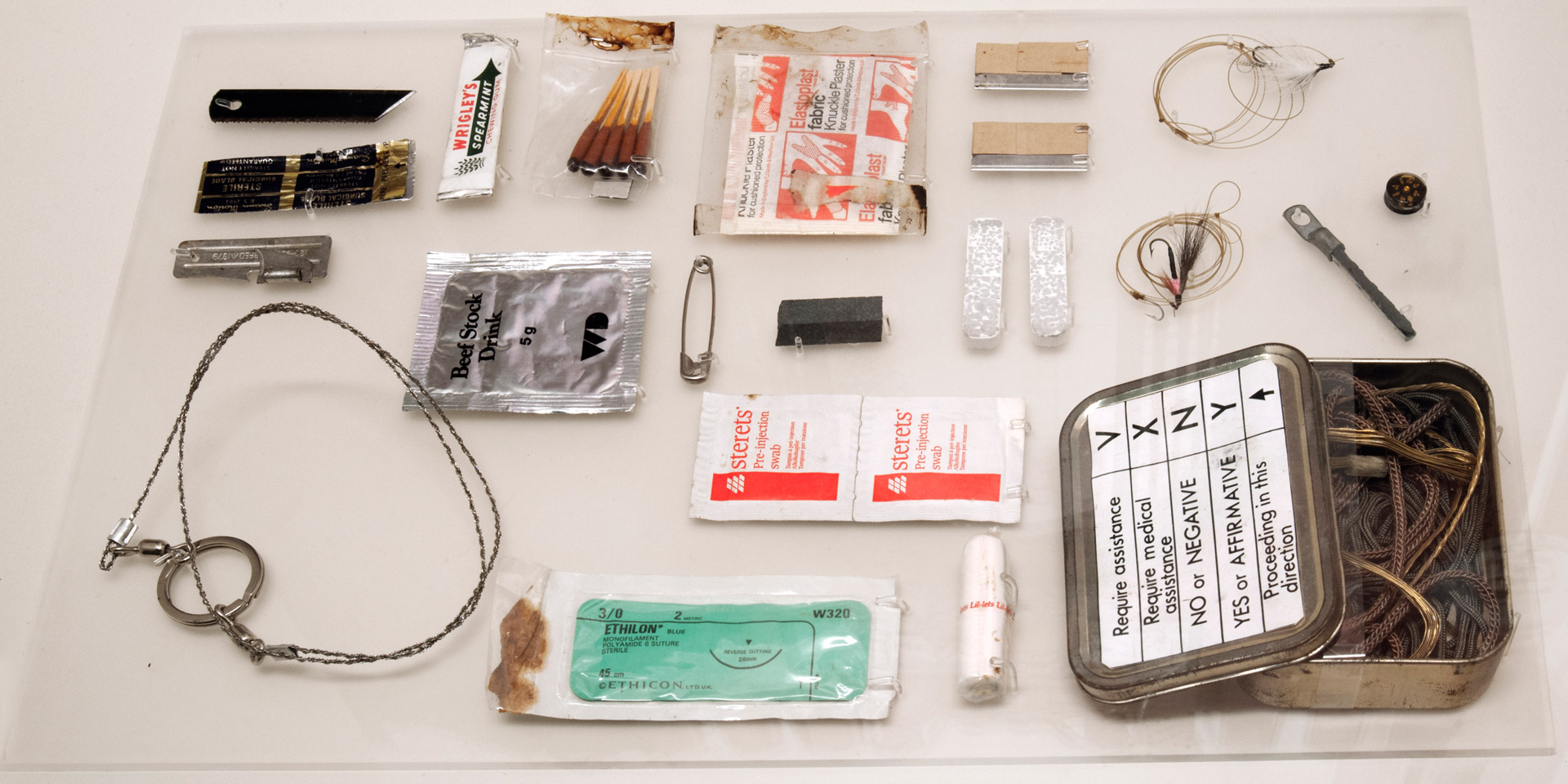
Andy McNab’s survival kit, c1990

The art of staying alive: McNab’s survival kit

An SAS soldier's personal survival kit contains many everyday objects. These can be used in ingenious ways, demonstrating both the adaptability and the resourcefulness of the Special Forces.

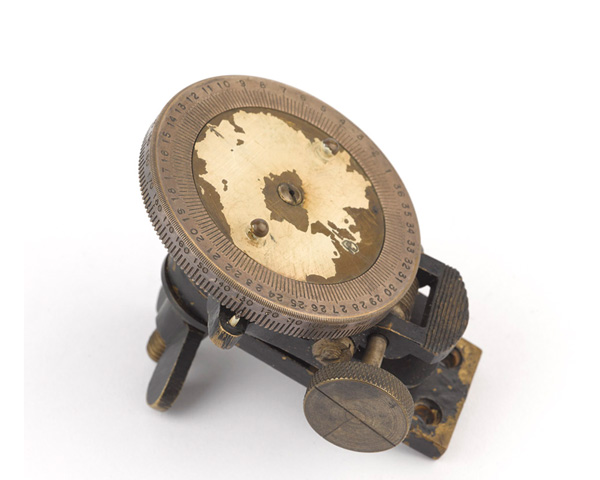
Bagnold sun compass used by the LRDG, c1942

Desert innovator: Bagnold's sun-compass

The Long Range Desert Group were masters of navigation. They owed much of their success to the scientific talents of Major Ralph Bagnold, whose sun-compass invention revolutionised desert travel.

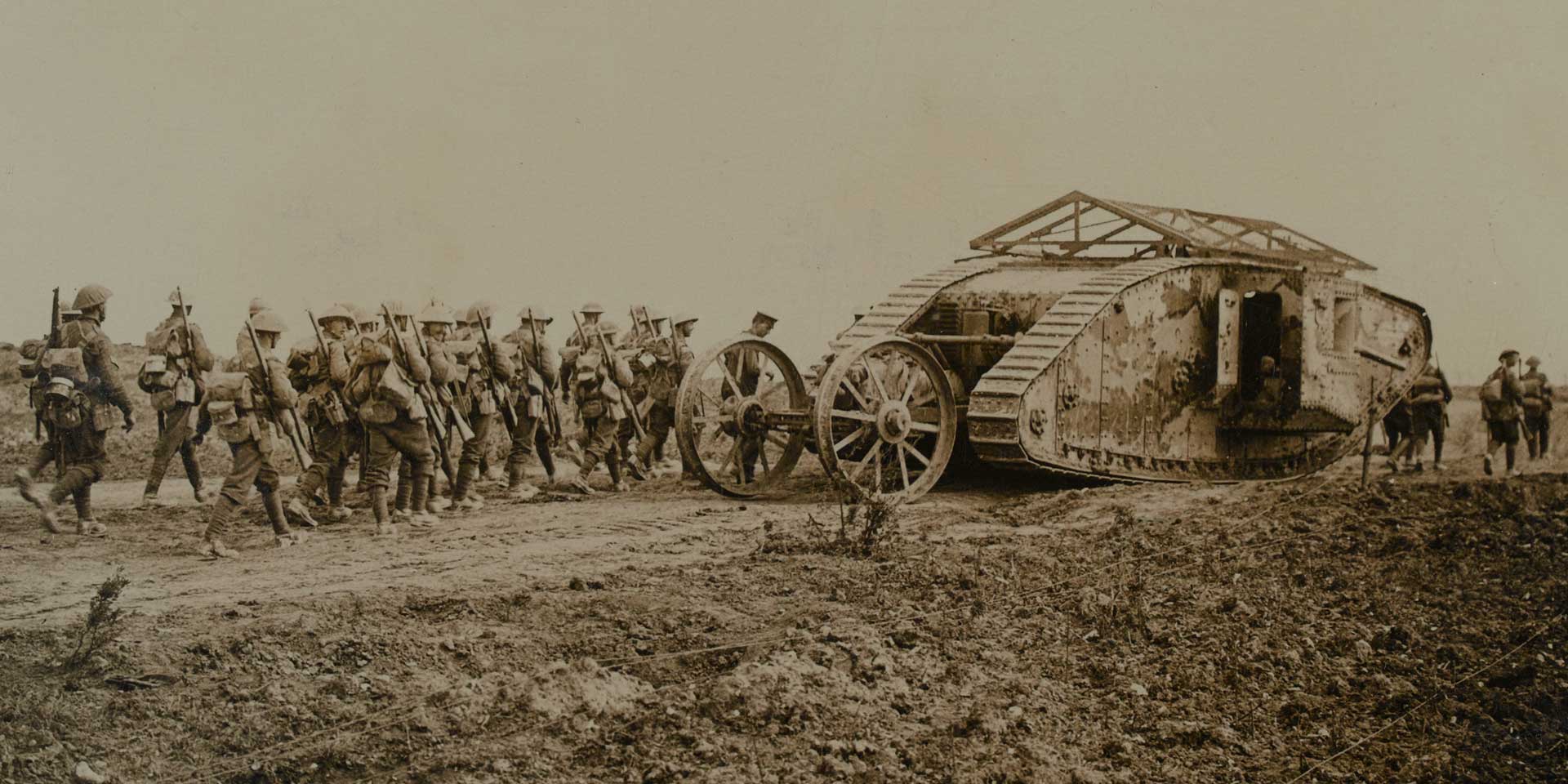
Mark I tank C19 in Chimpanzee Valley during the Battle of Flers Courcelette, 1916

Attack of the tanks

In September 1916, the face of battle changed forever. On an unsuspecting enemy, Britain unleashed its new secret weapon - the tank.

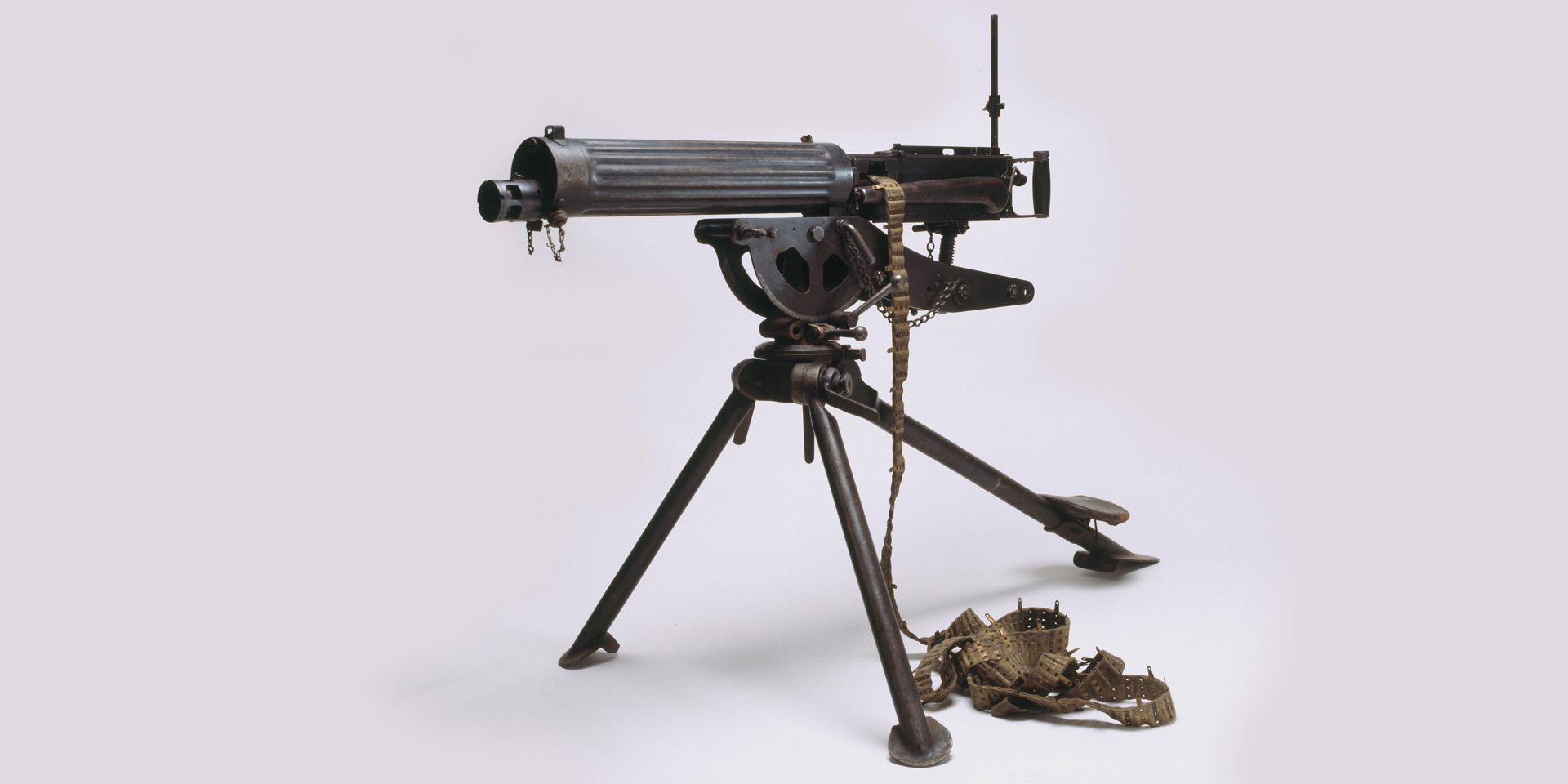
Vickers machine gun, c1914

Weapons of the Western Front

During the First World War, armies were forced to adapt their tactics and pursue new technologies as a way of breaking the deadlock. Here, we explore some of the weapons used by the British Army on the Western Front.

Prawn

Reaction to shellfish saves soldiers’ lives

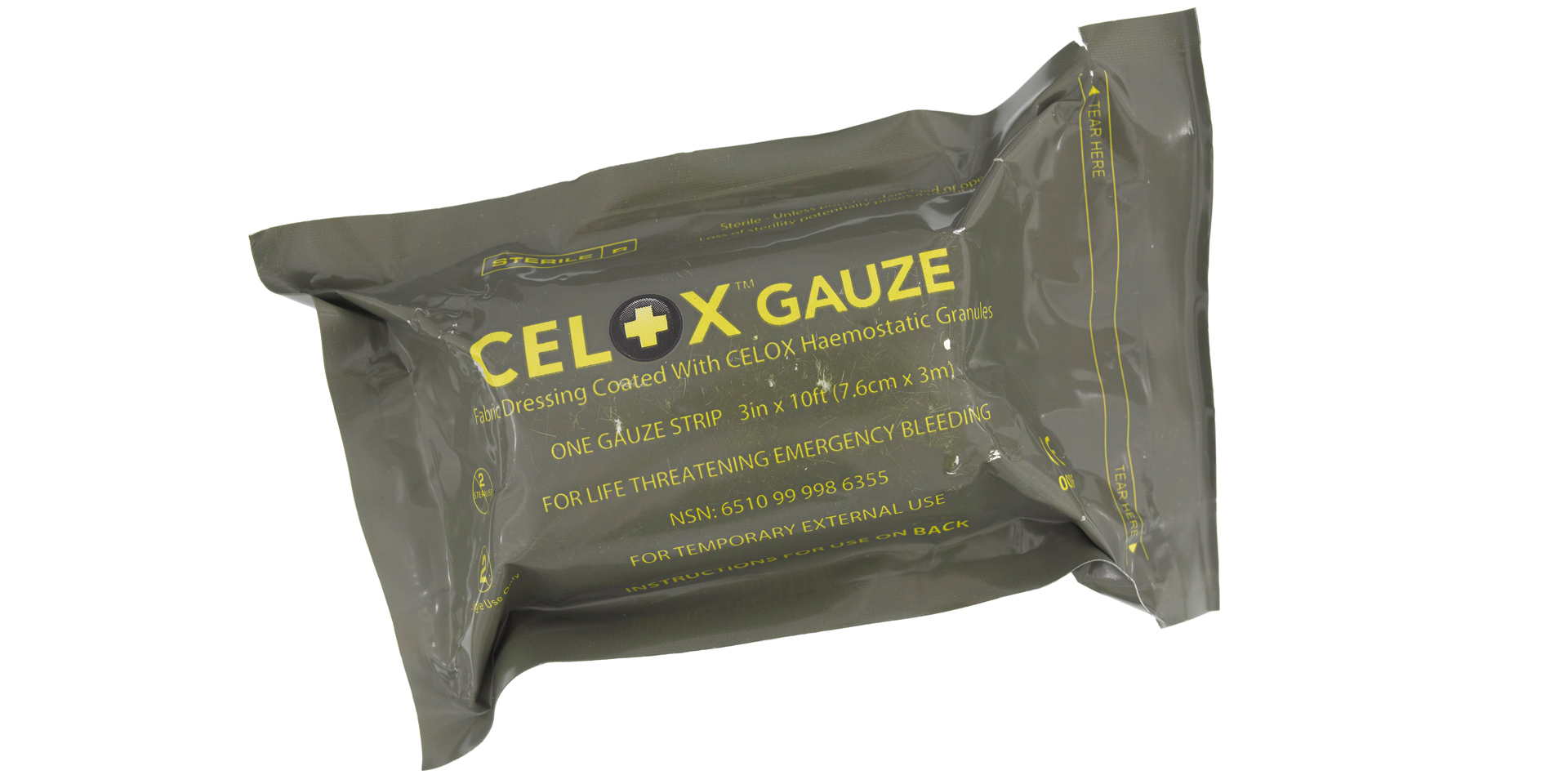
For a force that fights on land, the British Army has benefitted from some surprisingly aquatic assistance. Here, we explore some of the ways that fish have been used to help solve technological problems and save lives.

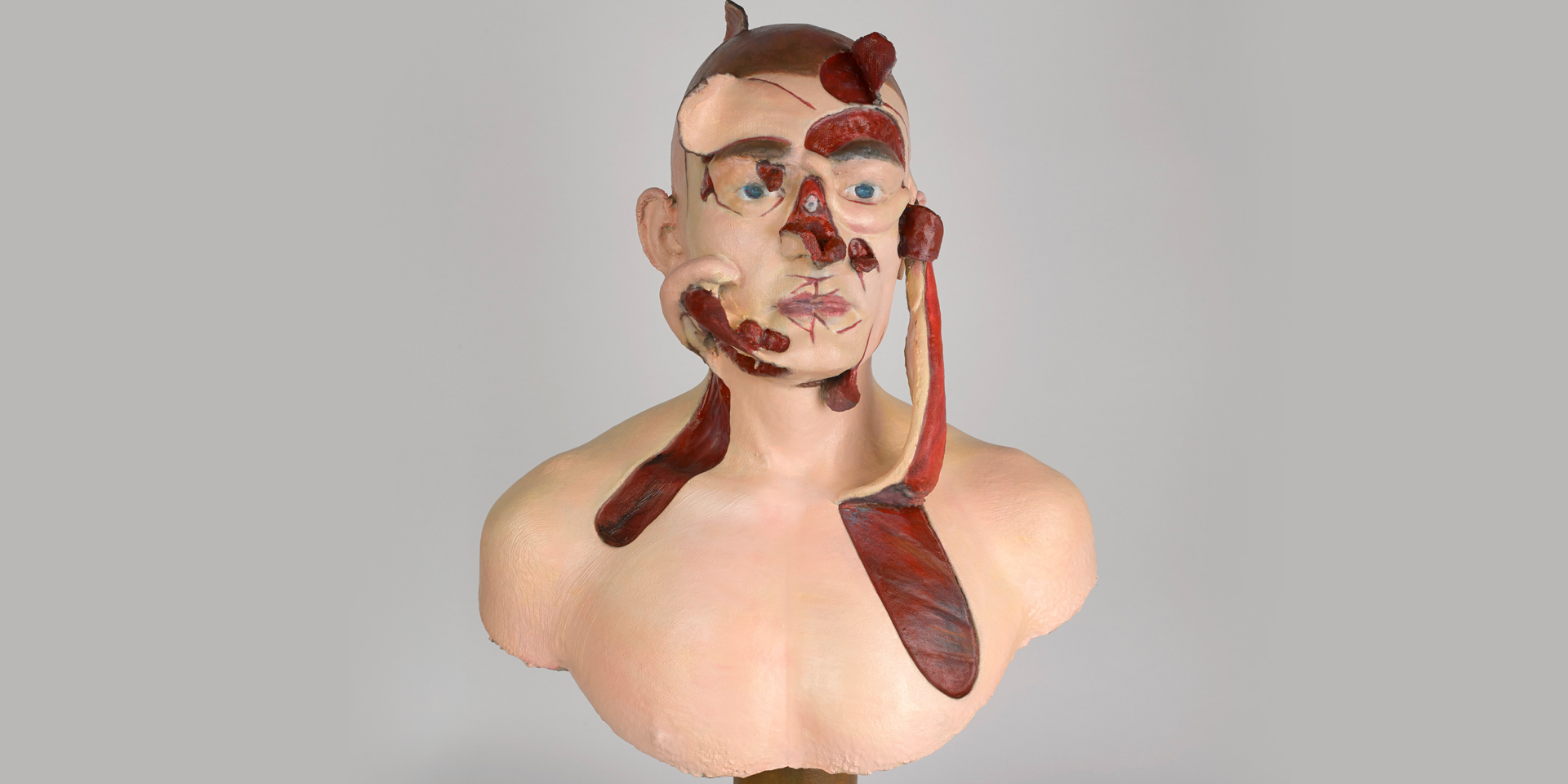
Wax surgery teaching model

The birth of plastic surgery

The First World War saw a huge rise in the number of drastic facial injuries. This led to the development of modern facial reconstructive surgery.

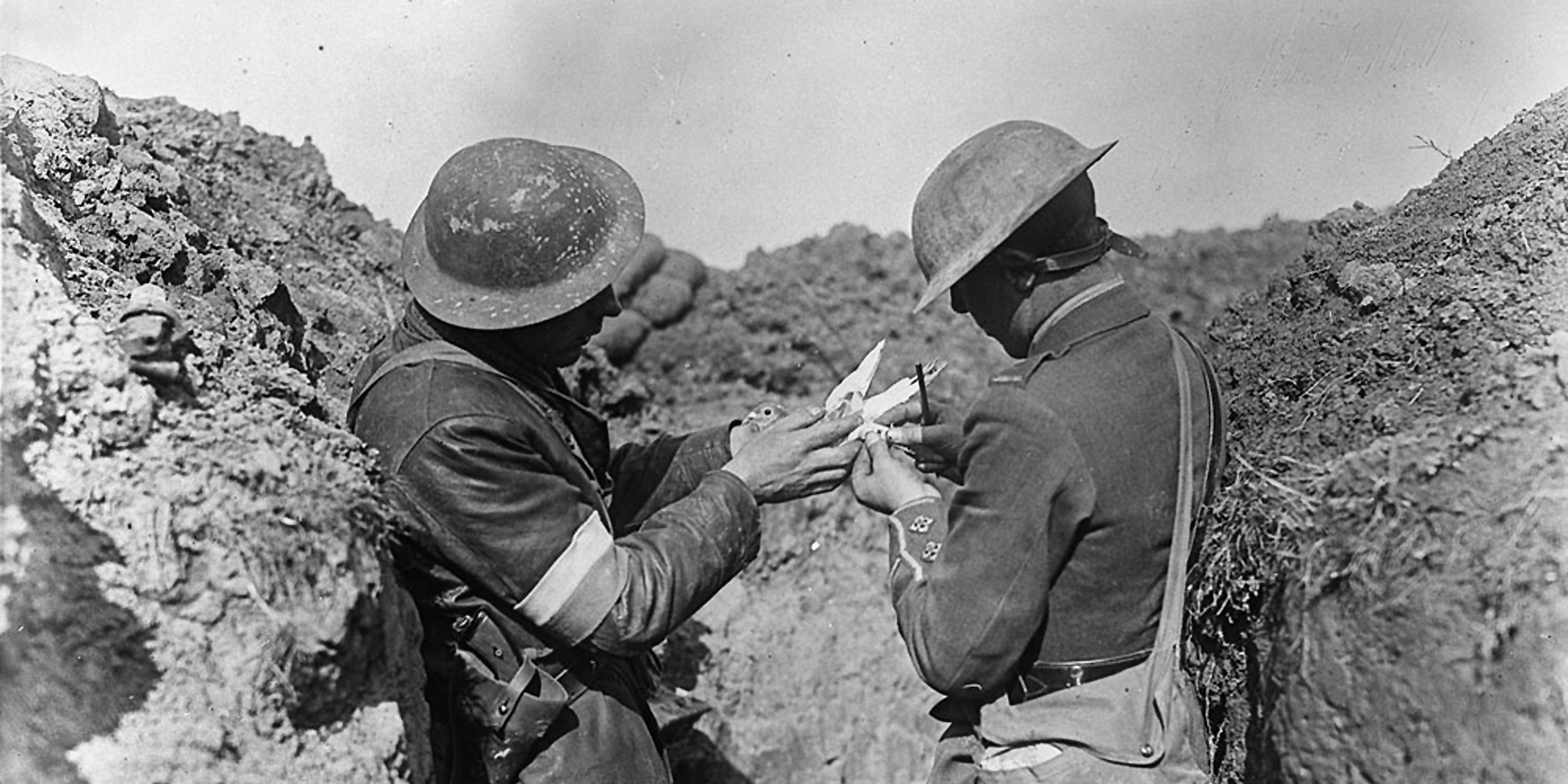
Messenger pigeon, 1917

The British Army entrusted its secrets to birdbrains

During the First World War, the Army often relied on pigeons to deliver important military information. These birds quickly gained a reputation as one of the most reliable forms of communication.

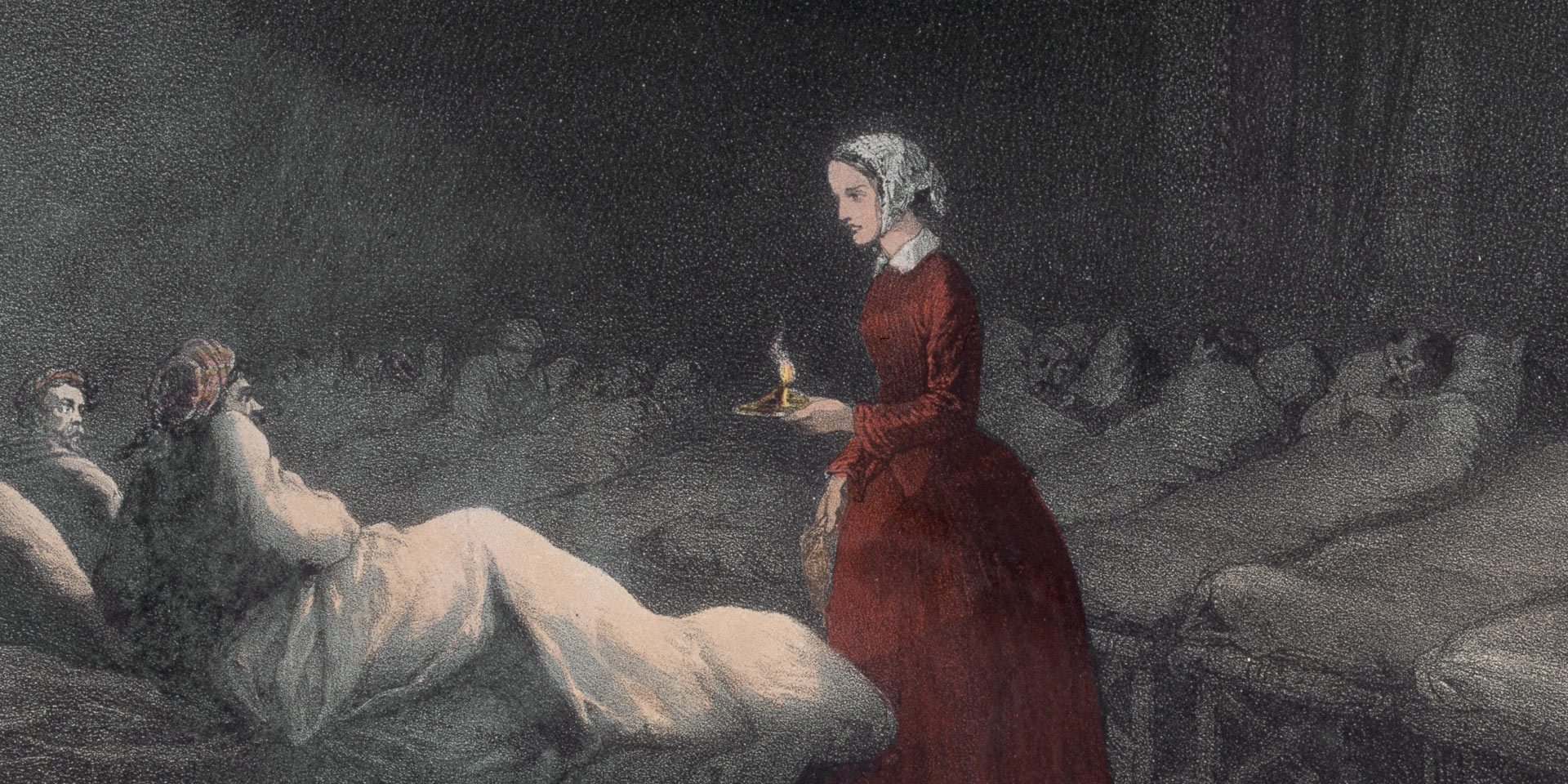
Florence Nightingale at Scutari, 1856

Florence Nightingale: The Lady with the Lamp

Florence Nightingale was a legend in her own lifetime and one of the most famous women in British history.

Stories of remembrance

story

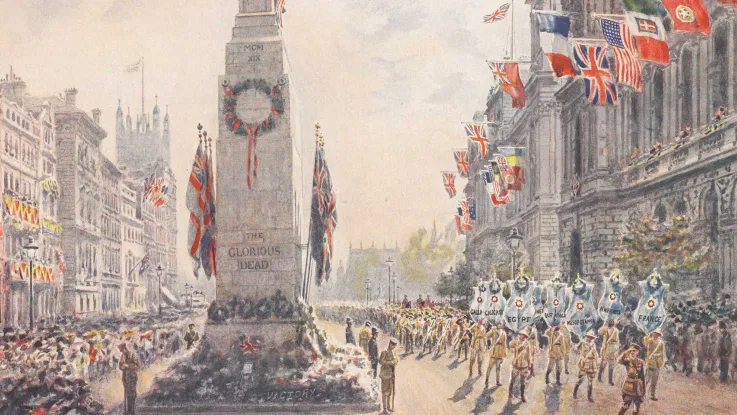
Peace and commemoration

After the Armistice in November 1918, millions of soldiers hoped they would soon go home. But demobilising so many troops was a huge task. How best to mark the Allied victory also became a subject for debate.

Story

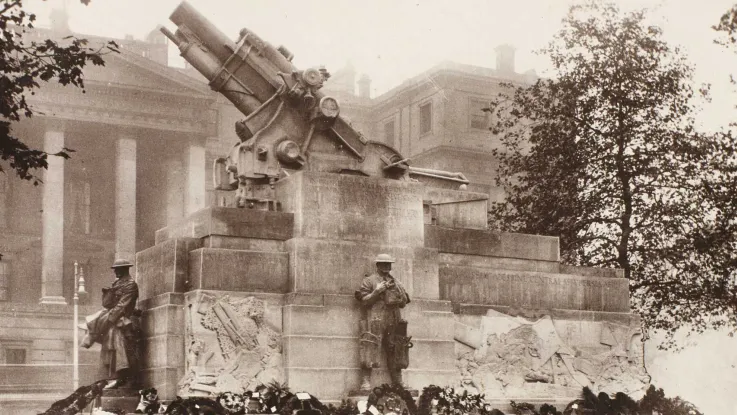
Honouring the fallen

After the First World War, British society had to come to terms with the loss of huge numbers of its service personnel. Across the country, people found ways to commemorate the fallen at a local and national level.

Story

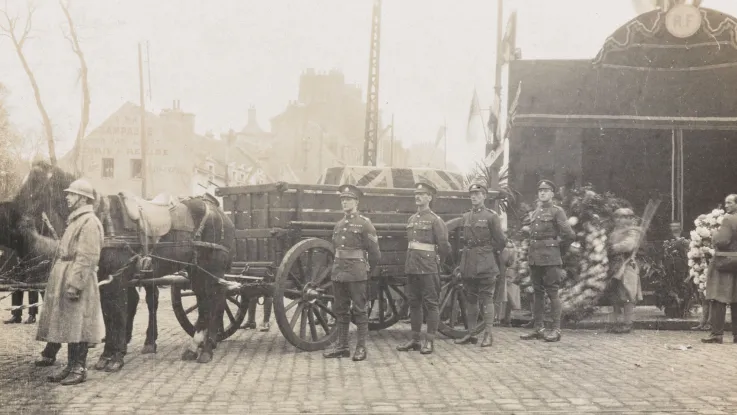
The Unknown Warrior

The grave of the Unknown Warrior contains the remains of an unidentified British serviceman, interred in 1920 to honour the fallen of the First World War. The secretive selection process remains shrouded in mystery.