Explore

Delve deeper into stories of the Army and its soldiers, exploring events across the globe and down the centuries.

Explore by theme
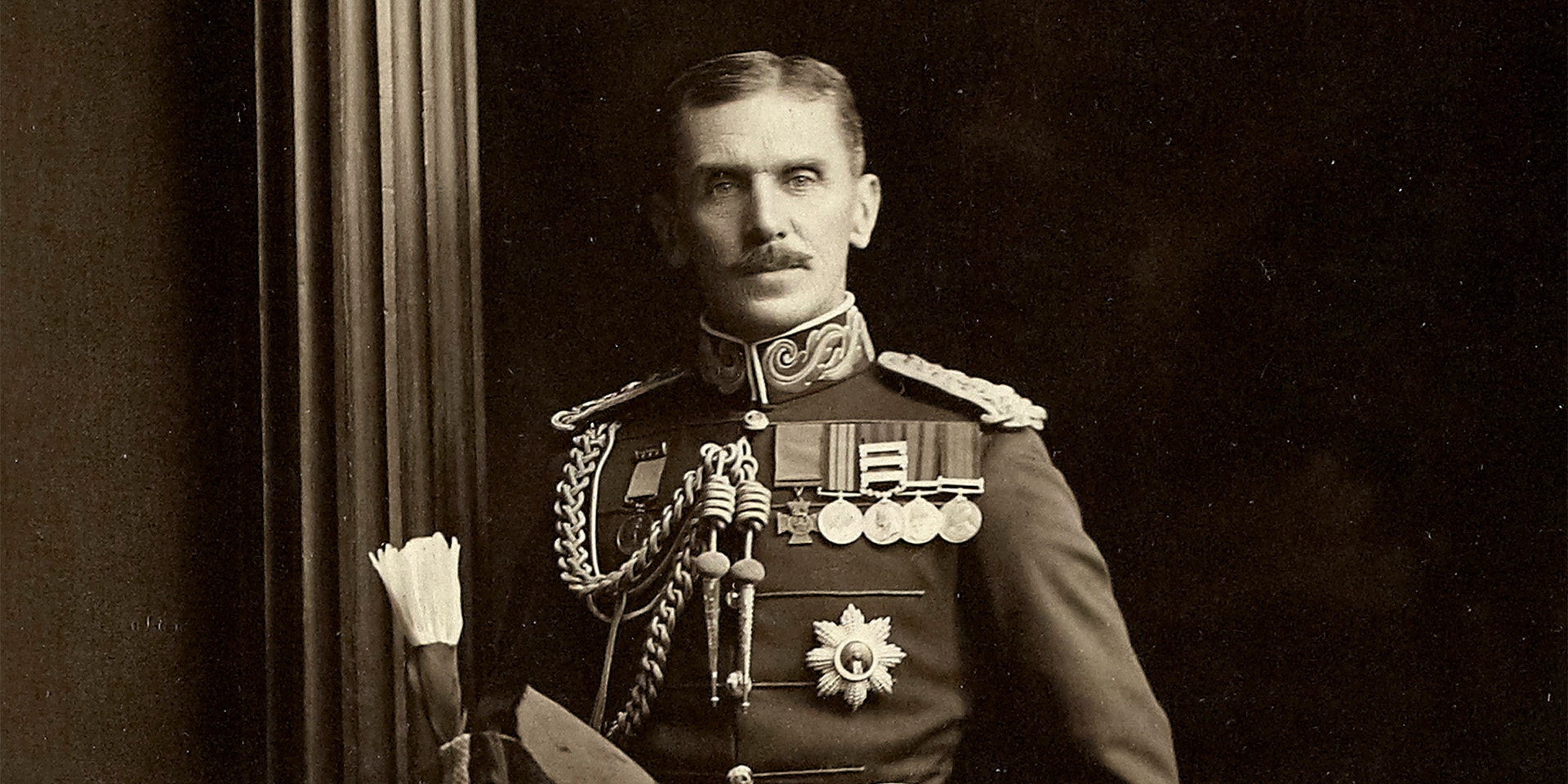
Photograph portrait of Colonel Charles Melliss VC, c1910

In Their Own Words: Major General Sir Charles Melliss VC

Charles Melliss was awarded the Victoria Cross for his service during the Fifth Ashanti War. He later played an important role in the opening phase of the First World War campaign in Mesopotamia, where he experienced both victory and defeat.

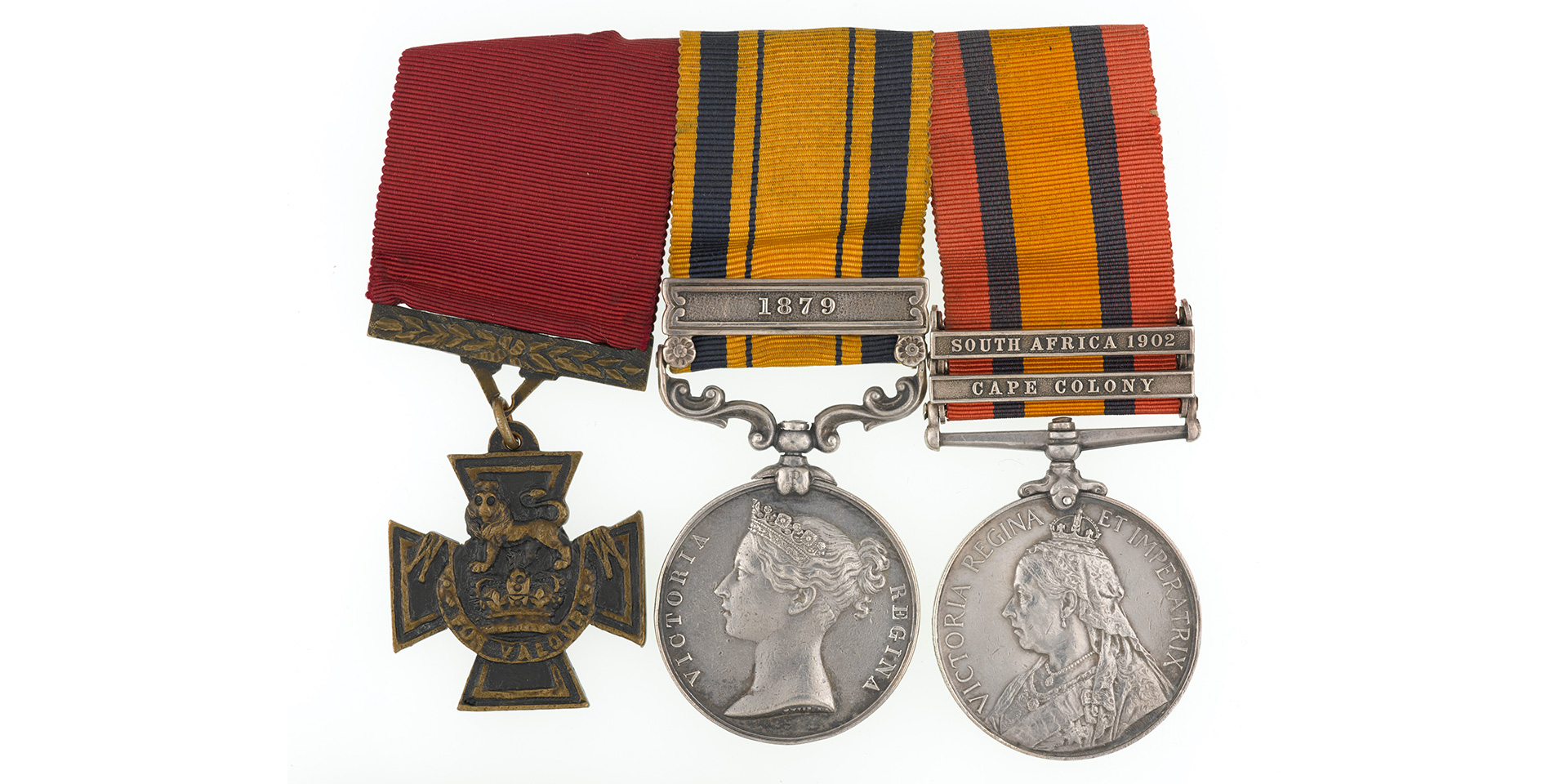
Replacement VC group awarded to Private Francis FitzPatrick, 94th Regiment, 1879-1900

Lost and found: A tale of two VCs

The medals of Private Francis Fitzpatrick, an Irish-born Victoria Cross hero, have recently been reunited at the National Army Museum after more than a century of separation.

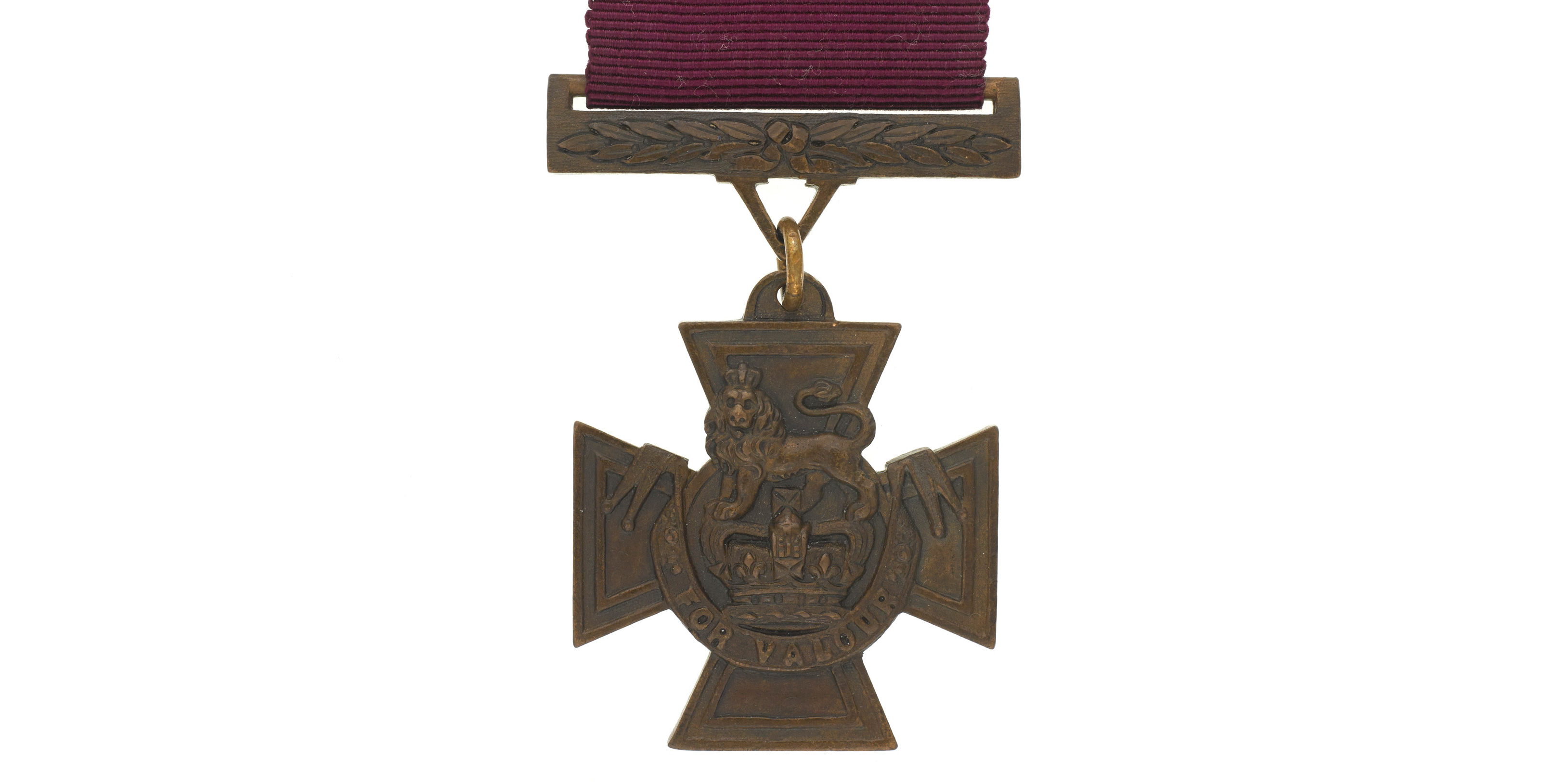
Crimean War Victoria Cross recovered from the River Thames foreshore in 2015

The unsolved mystery of the Thames VC

A Victoria Cross found on the shores of the River Thames in 2015 is the subject of an ongoing mystery. Research has since narrowed down the list of possible owners to two heroic soldiers of the Crimean War.

Victoria Cross

The Victoria Cross

The Victoria Cross is Britain’s joint-highest award for gallantry. Granted for acts of extreme bravery in the presence of the enemy, it has achieved almost mythical status, with each award accompanied by an inspiring story of courage.

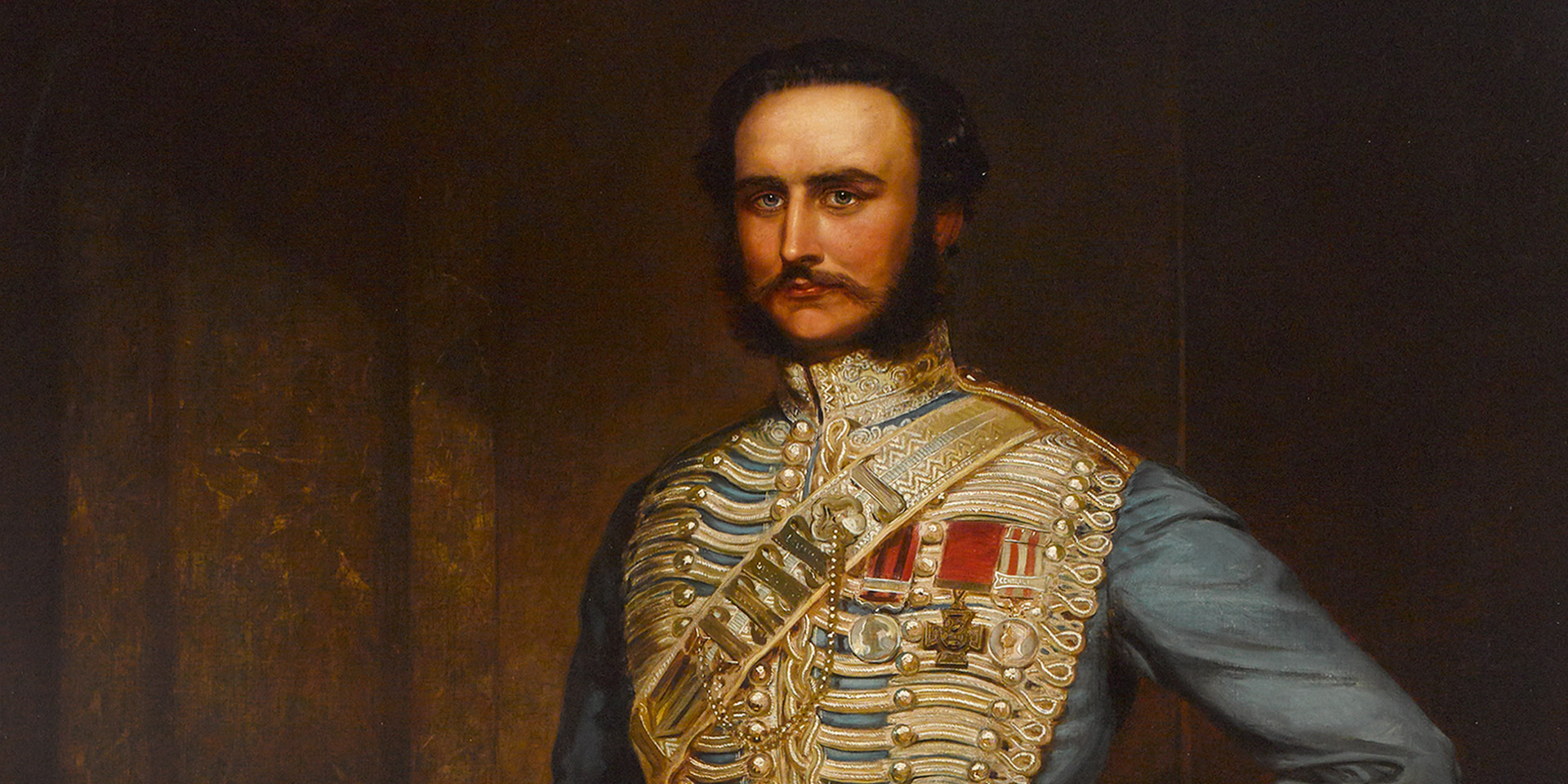
Captain John Grant Malcolmson VC, 3rd Bombay Light Cavalry, c1860

John Grant Malcolmson VC: Hero of the Persian War

A remarkable collection of objects, including a rare Victoria Cross, tells the heroic story of Lieutenant John Grant Malcolmson, who served during the Persian War (1856-57).

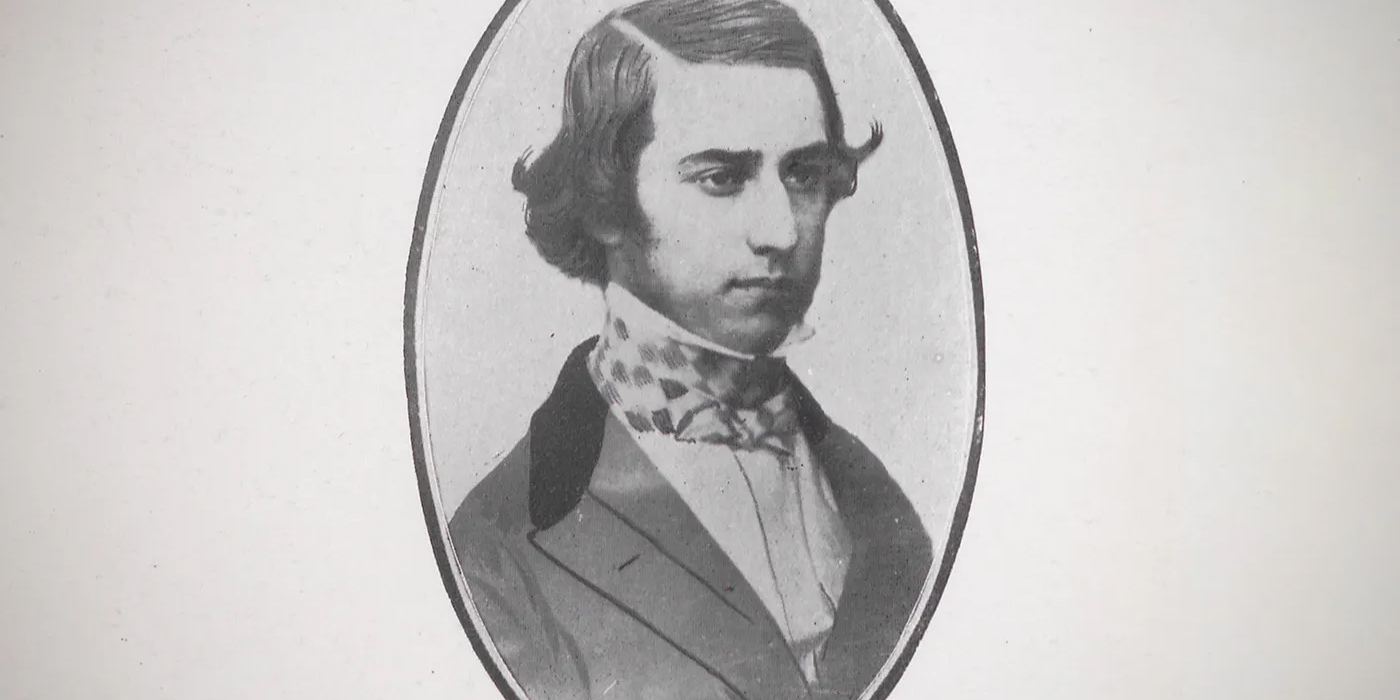
Portrait of George Fulton

In Their Own Words: Captain George Fulton

George Fulton played a crucial role in the Siege of Lucknow during the Indian Rebellion (1857-59). His diary reveals him to be an officer of great courage and skill, who successfully fought a grim subterranean battle against enemy sappers and miners.

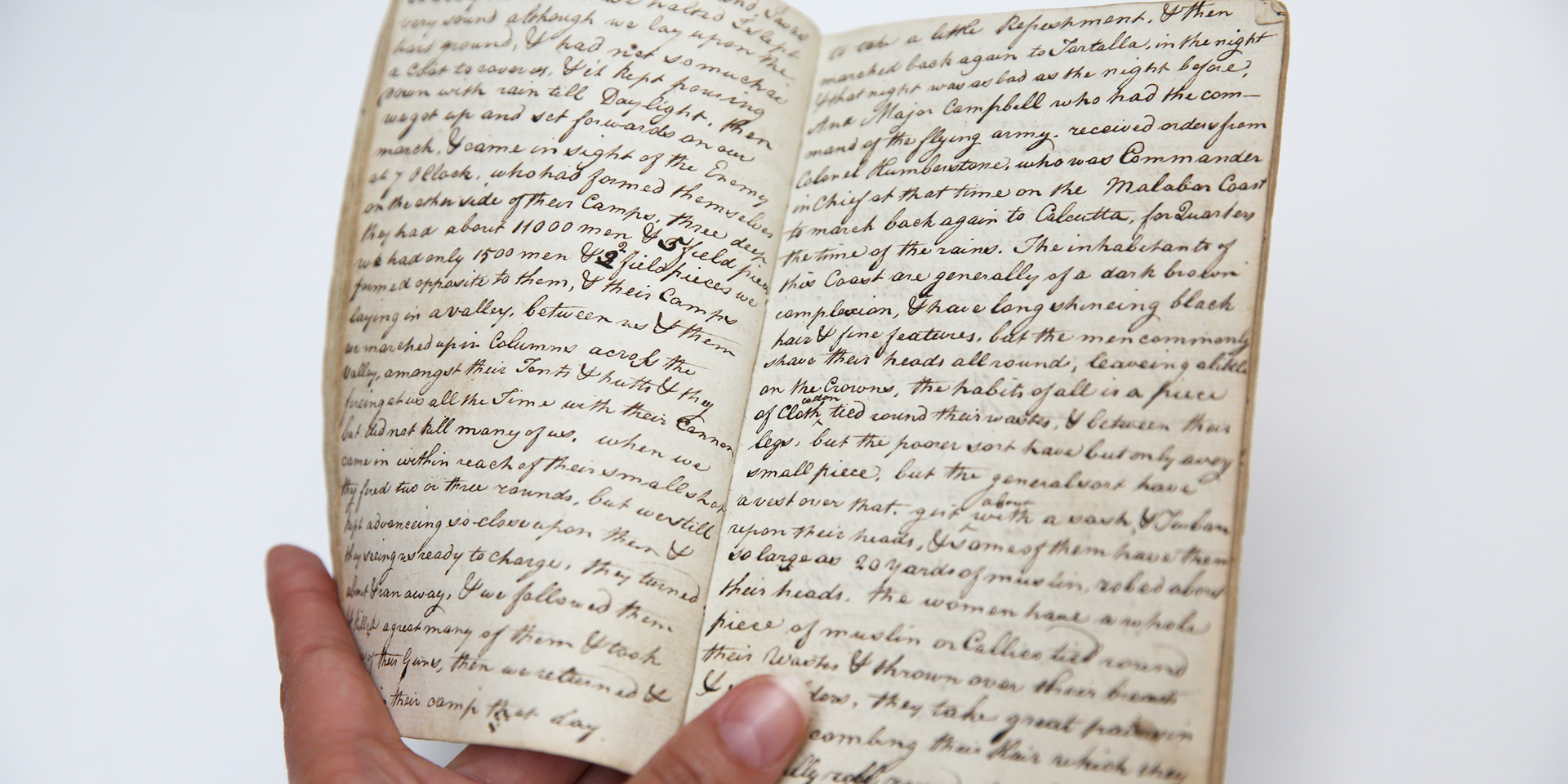
Journal of an unknown soldier of the 100th Regiment of Foot, c1786

In Their Own Words: Unknown Soldier of the 100th Foot

A journal by an unknown private of the 100th Foot, documenting his time in India during the Second Mysore War (1780-84), tells a remarkable story of adventure and survival.

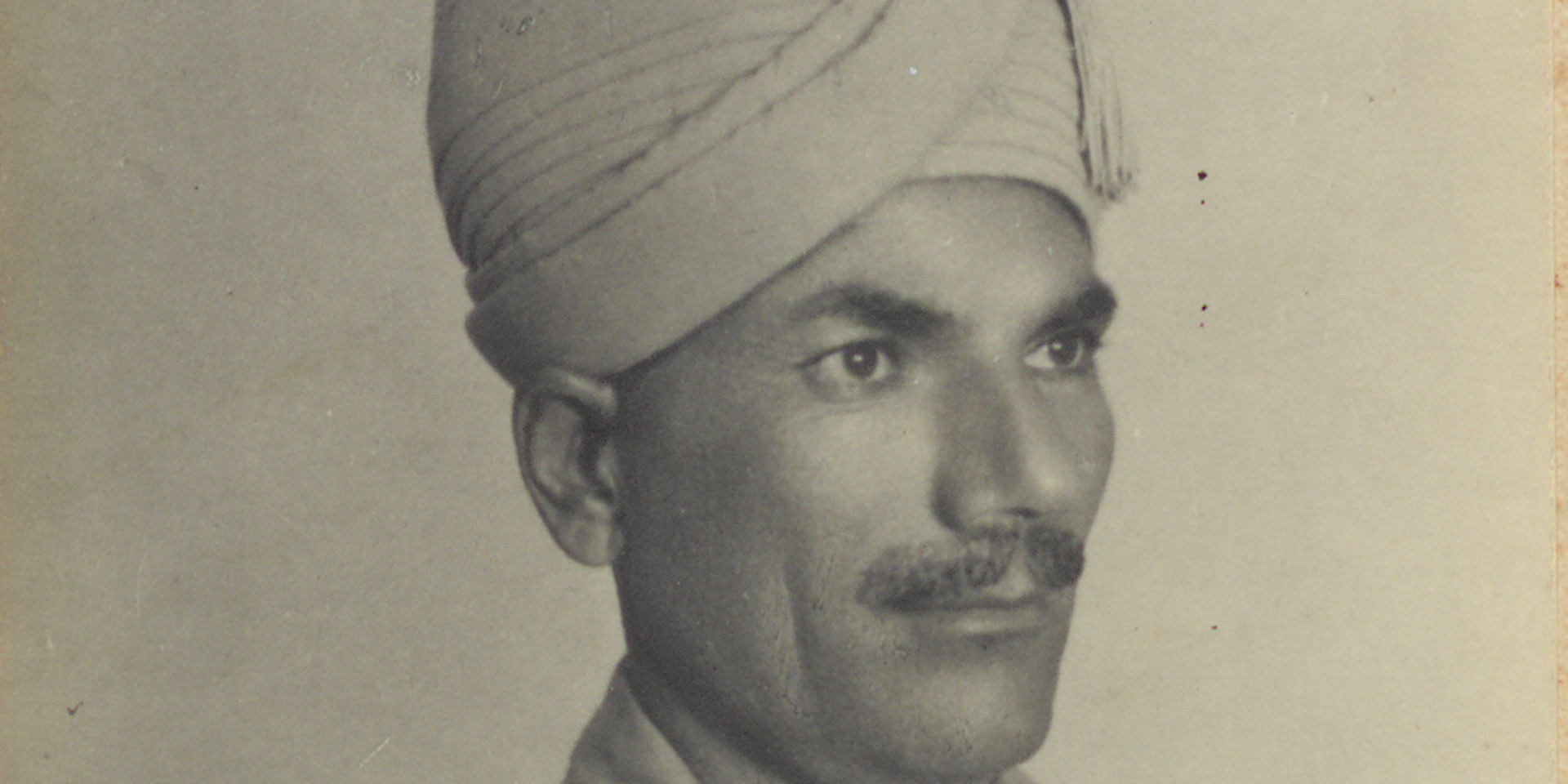
Subedar Makhmad Anwar IDSM, 2/15th Punjab Regiment, c1939

Subedar Makhmad Anwar

Makhmad Anwar was captured by the Japanese following the Fall of Singapore in 1942. His story highlights the distinct treatment of Indian prisoners during the Second World War.

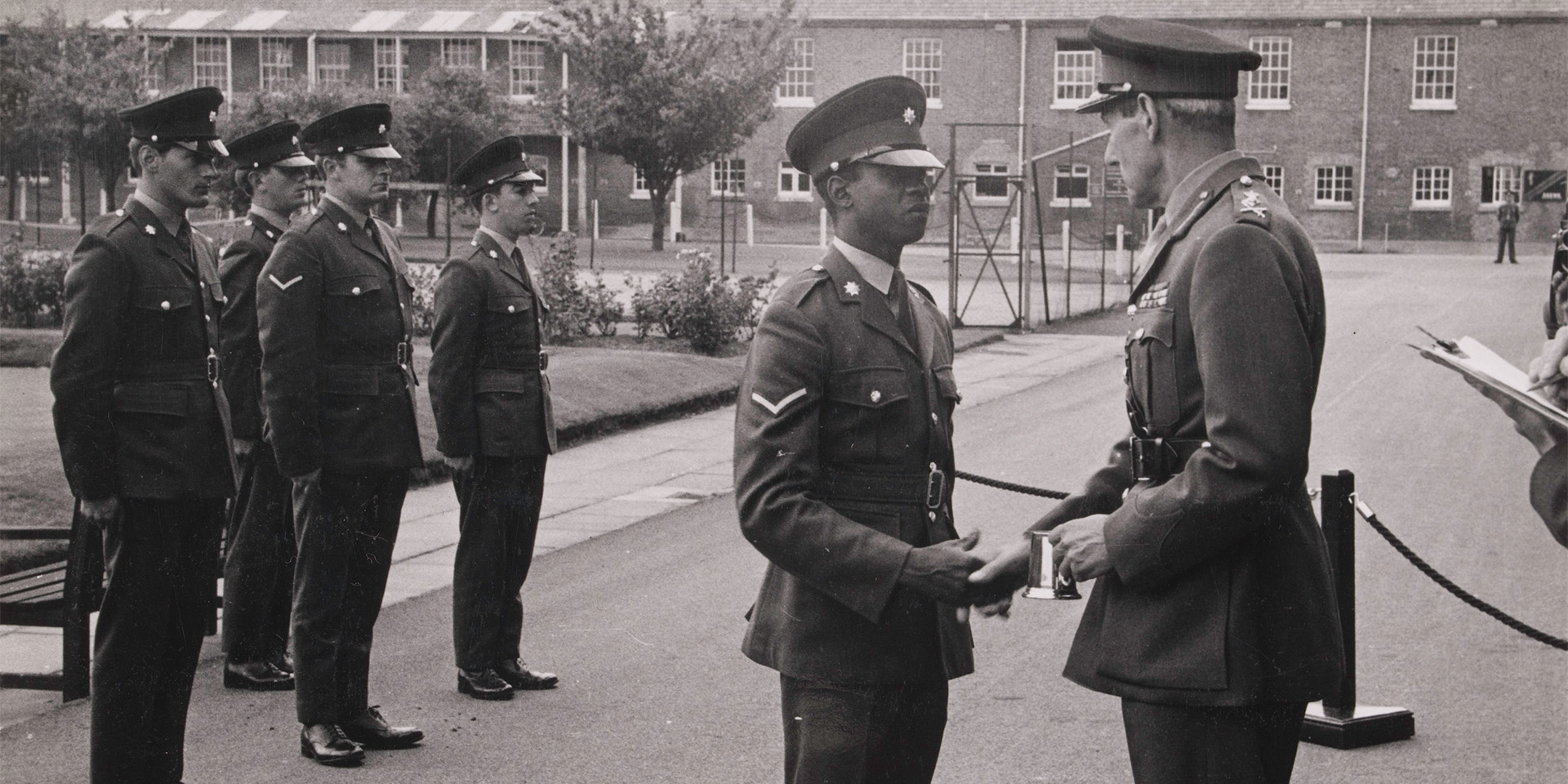
Lance Corporal Ethan Fagon, 1969

In Their Own Words: Corporal Ethan Fagon

Jamaican-born Ethan Fagon saw extensive service around the world between 1961 and 1983. A skilled infantry soldier and storeman, and an excellent marksman, he also had a rebellious and fun-loving character, as revealed in an interview recorded in 2008.

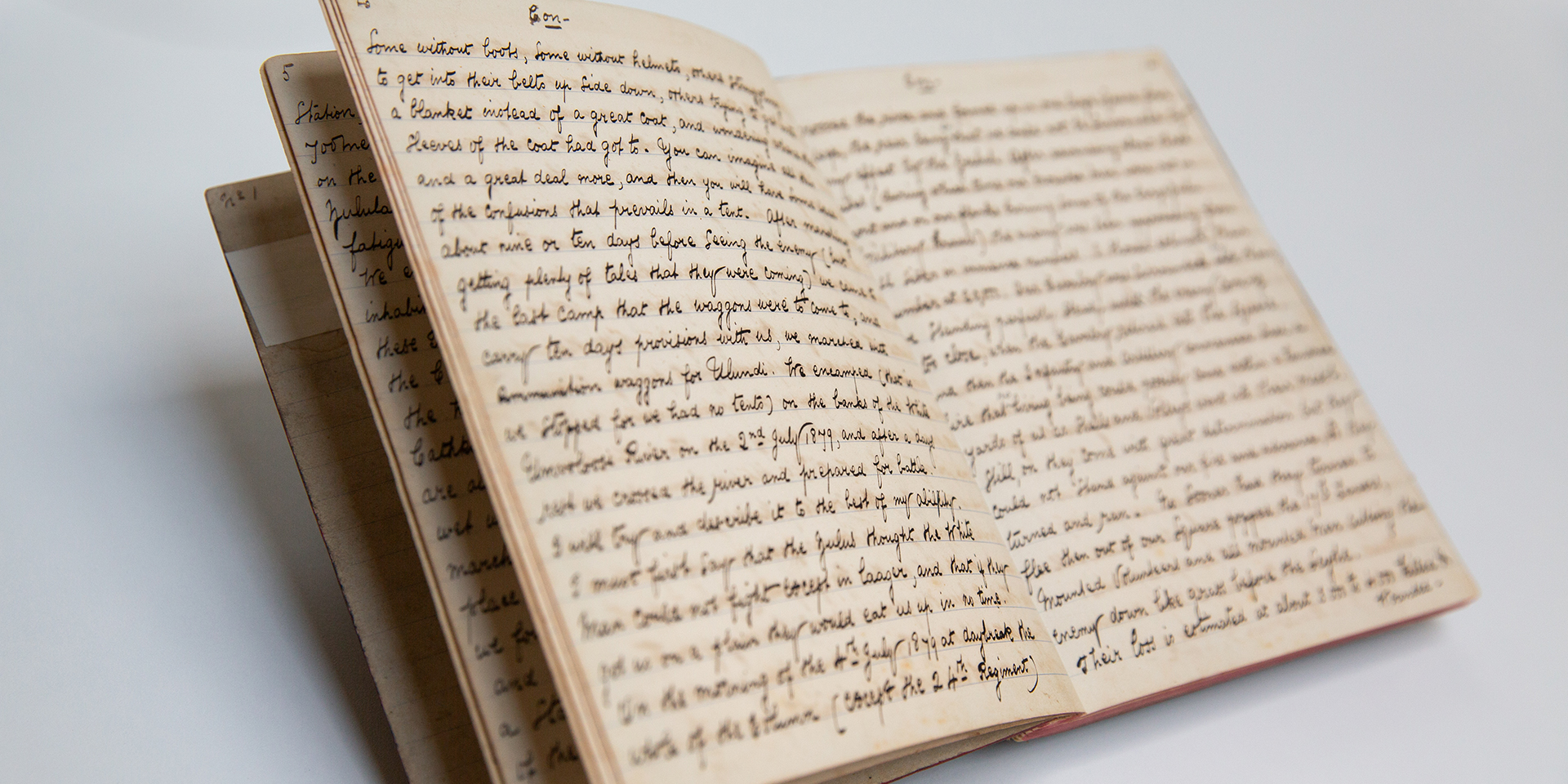
Private Matthew Tuck's diary, c1882

In Their Own Words: Private Matthew Tuck

Matthew Tuck served with the 58th (Rutlandshire) Regiment in South Africa from 1879 to 1881. He fought in both the Zulu War and the Transvaal War, and kept a diary of his experiences during these conflicts.

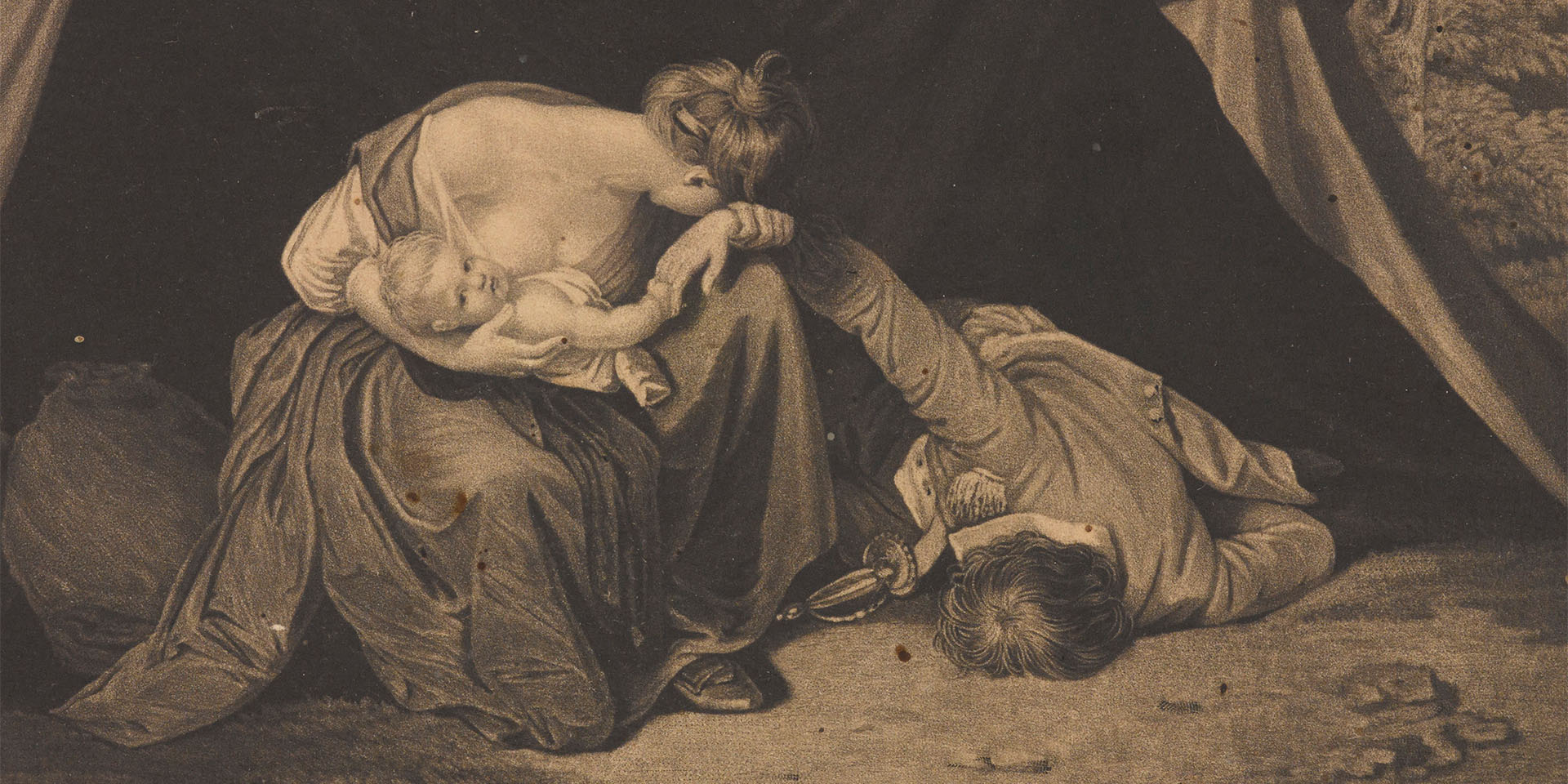
‘The Dead Soldier’, 1832

With deepest sympathies

Among the most poignant items in the Museum’s archive are letters relating to soldiers’ deaths. Here, we showcase some particularly moving examples, revealing the insights behind the powerful stories they tell.

Alfred Smith, photographed in 1954, holding up the bullet which had remained in his lung for 26 years

The curious story of Alfred Smith

A chance discovery by a curator’s brother-in-law lifted the lid on a surprising story of service that now features in our refreshed Soldier gallery.

Stories of remembrance

story

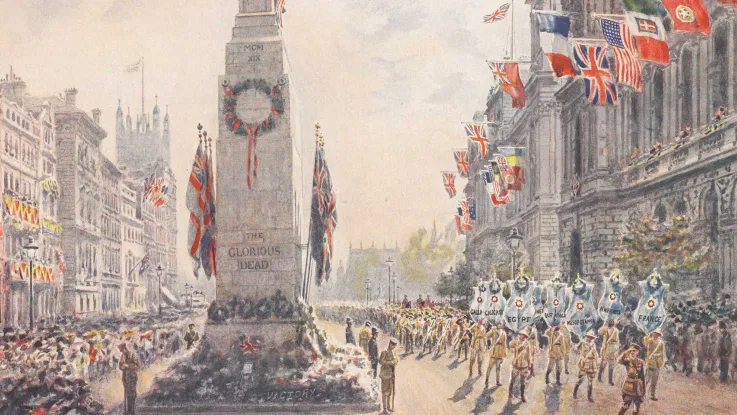
Peace and commemoration

After the Armistice in November 1918, millions of soldiers hoped they would soon go home. But demobilising so many troops was a huge task. How best to mark the Allied victory also became a subject for debate.

Story

Honouring the fallen

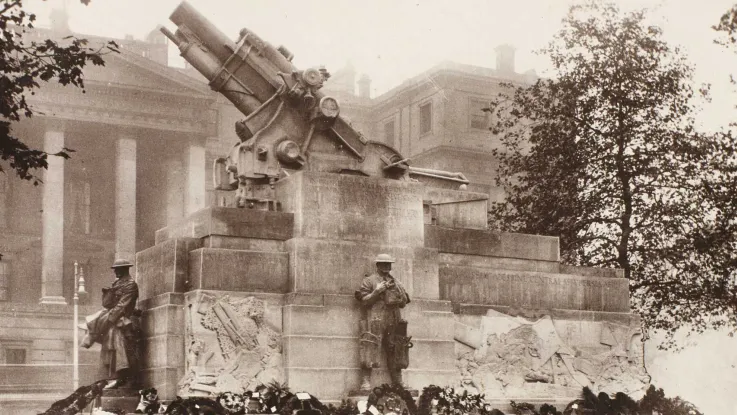
After the First World War, British society had to come to terms with the loss of huge numbers of its service personnel. Across the country, people found ways to commemorate the fallen at a local and national level.

Story

The Unknown Warrior

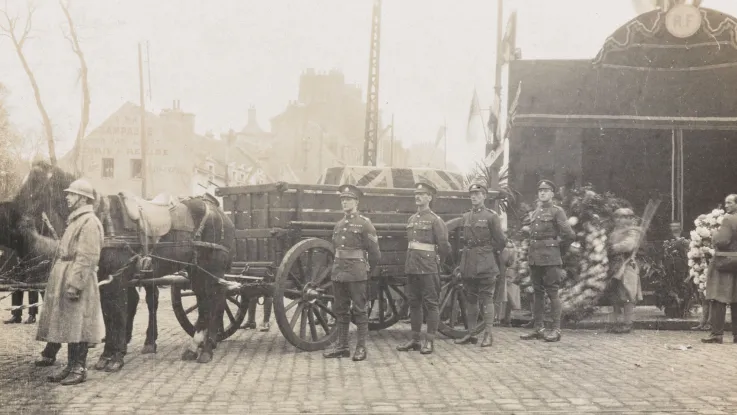
The grave of the Unknown Warrior contains the remains of an unidentified British serviceman, interred in 1920 to honour the fallen of the First World War. The secretive selection process remains shrouded in mystery.