Explore

Delve deeper into stories of the Army and its soldiers, exploring events across the globe and down the centuries.

Explore by theme
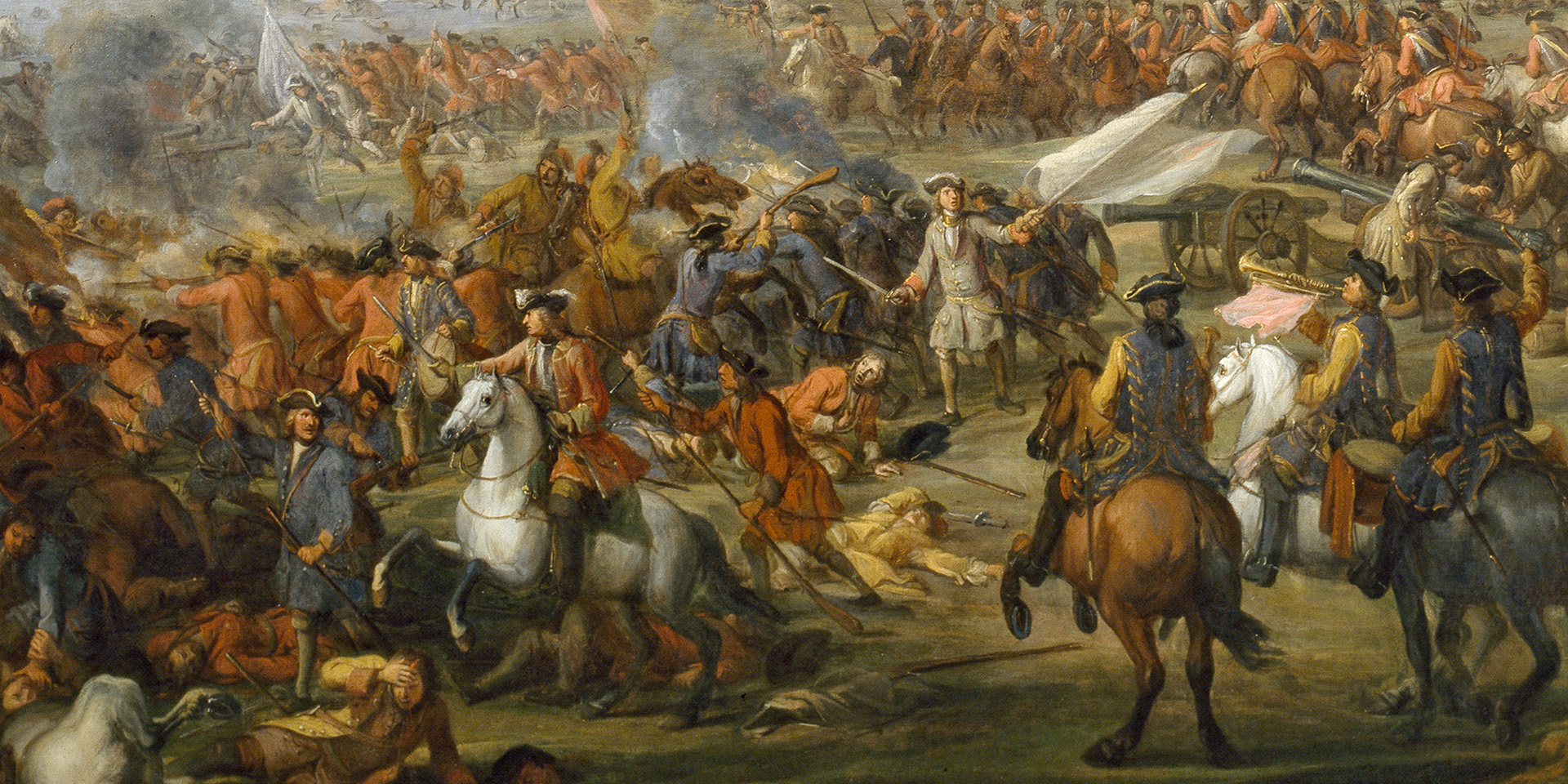
Detail from 'The Battle of Blenheim, 13 August 1704'

The Battle of Blenheim, 13 August 1704

This work of art depicts the final stages of the Battle of Blenheim. It was painted by John Wootton around 40 years after the event. Here, we take a closer look to discover more about this key moment in European history.

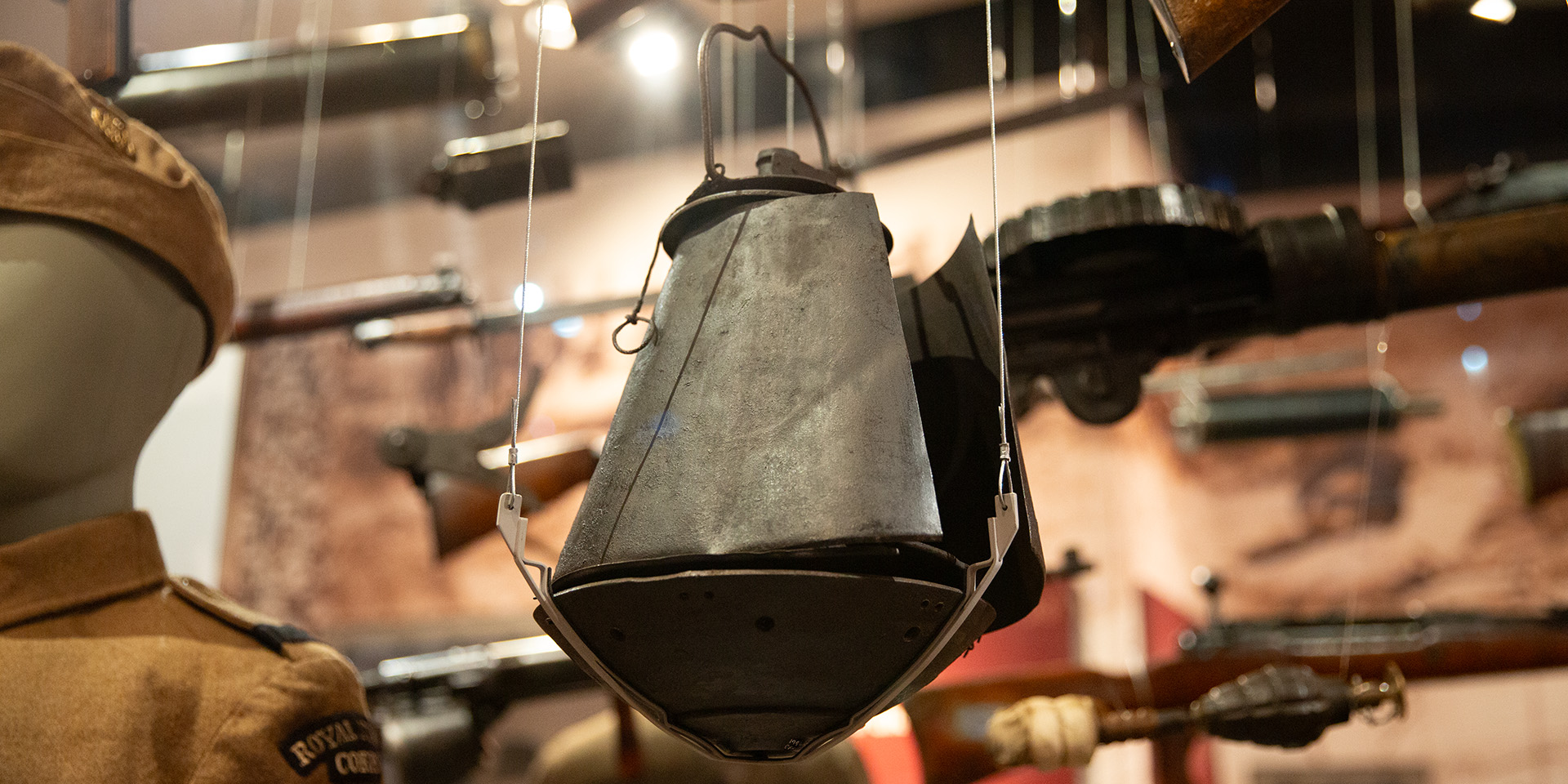
German aerial incendiary bomb, c1917

Bombs over Britain

This aerial bomb's banged-up condition reveals something of the impact it must have made when dropped from a German airship during the First World War. Today, it forms part of an impressive display of weaponry in our Conflict in Europe gallery.

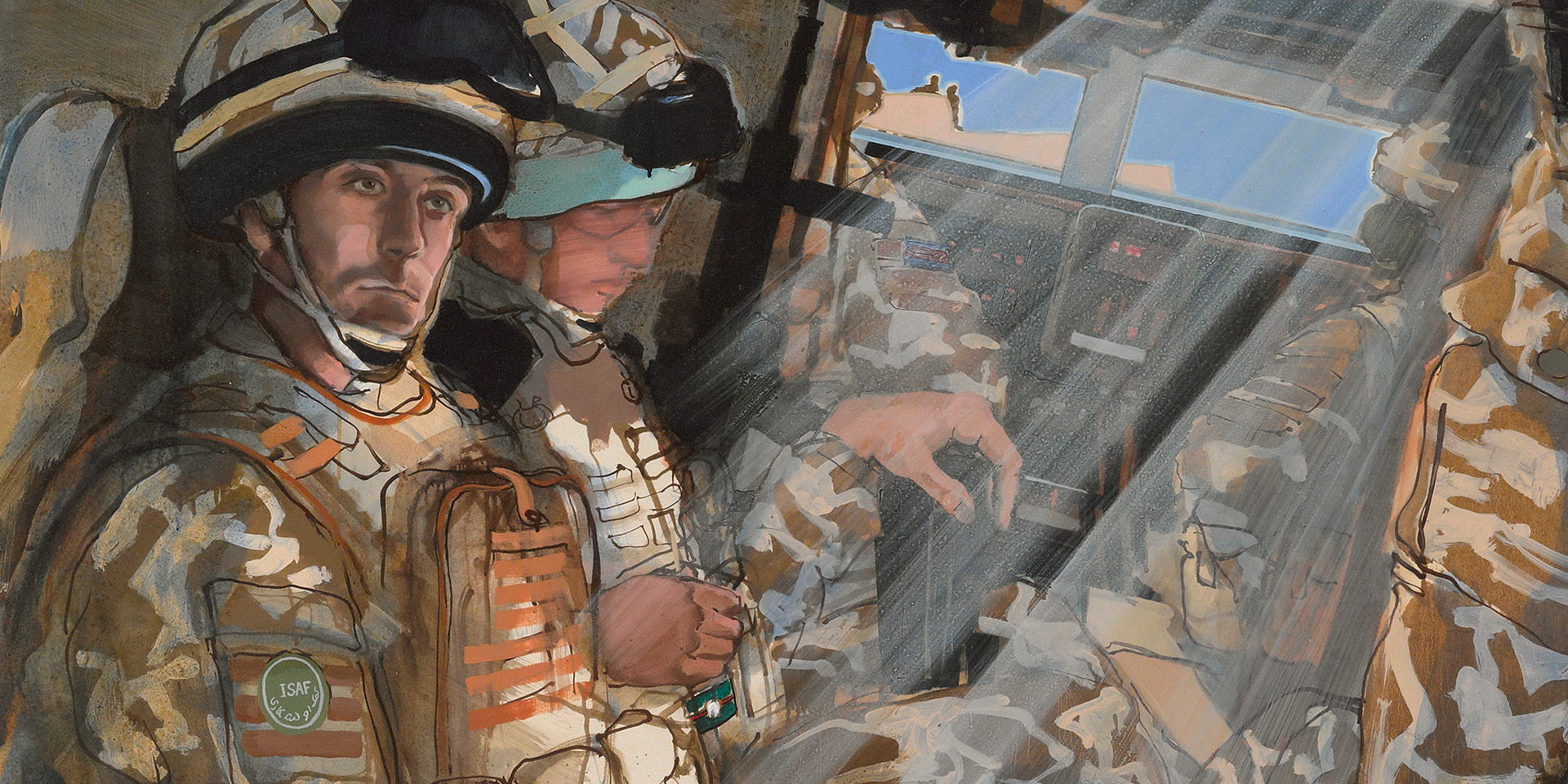
Detail from the painting 'Inside Mastiff 33A'

Inside Mastiff 33A (‘Withdrawing, We Don’t Retreat’), February 2010

This painting by Jules George captures the claustrophobic conditions inside a British patrol vehicle during the war in Afghanistan.

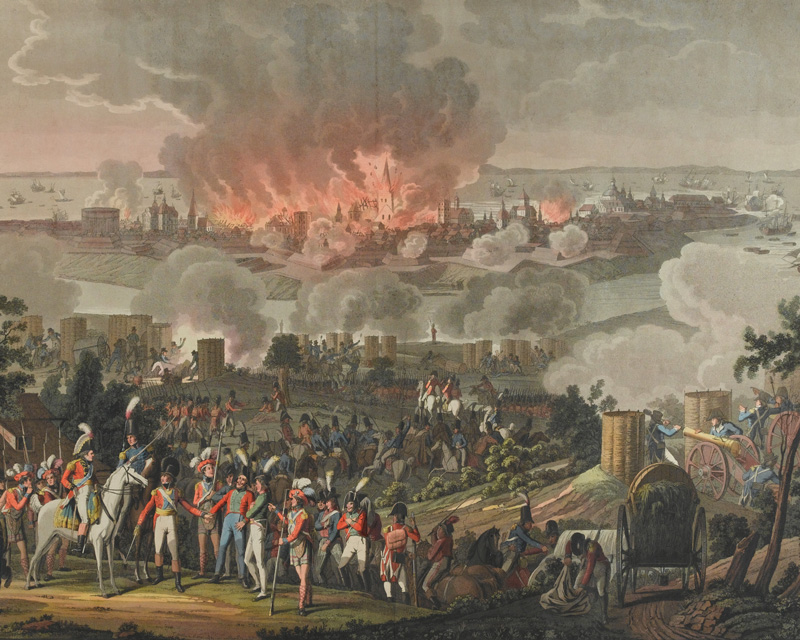
The bombardment of Copenhagen, September 1807

Copenhagen Expedition

In 1807, the Royal Navy and the Army undertook a joint operation to prevent the powerful Danish fleet from falling into French hands. It ended with the British occupation of Copenhagen and the capture of Danish warships.

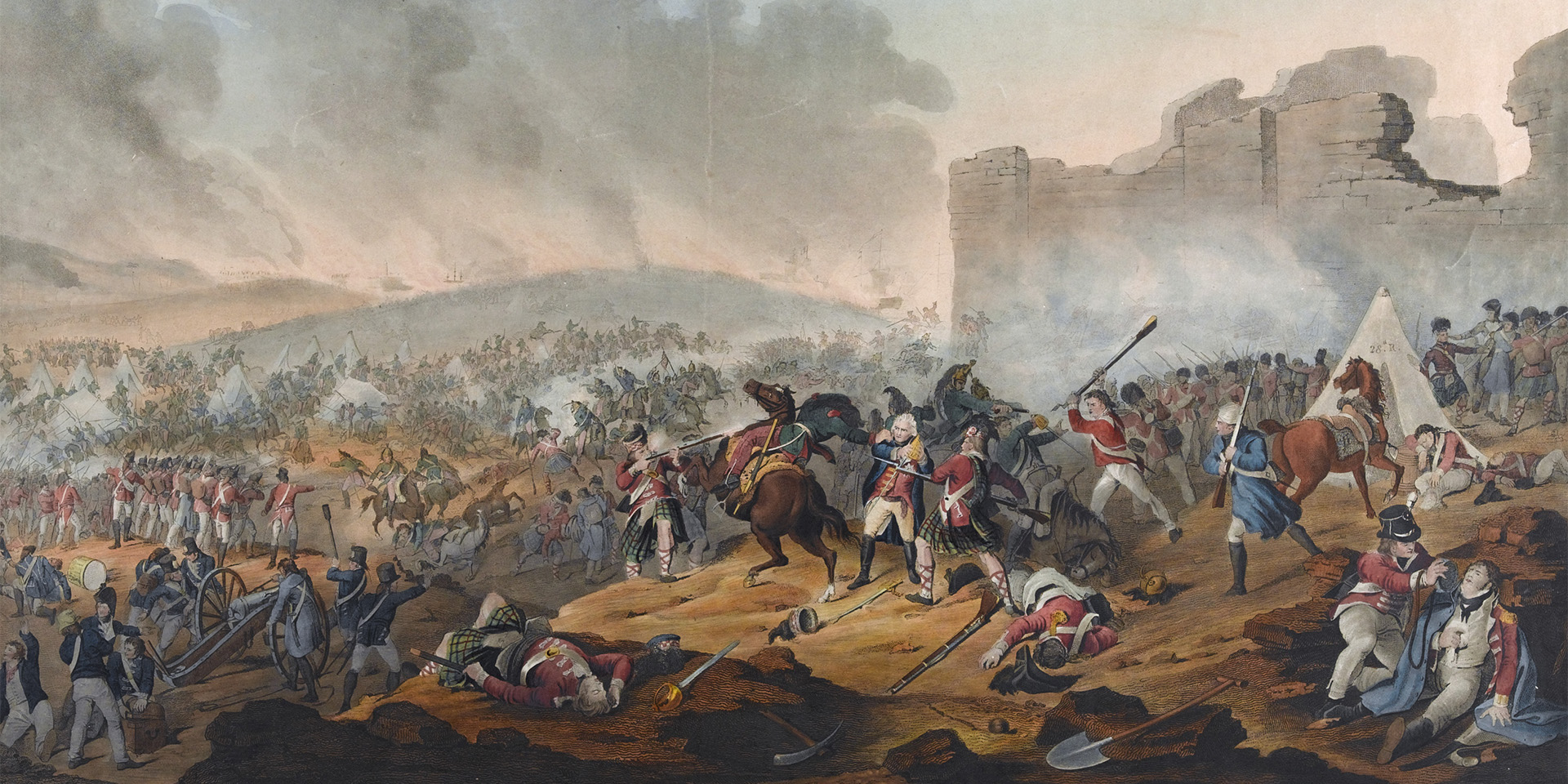
The Battle of Alexandria, 21 March 1801

Egyptian Campaign

From 1798 to 1801, an Anglo-Ottoman alliance competed with the French for control of Egypt. Their victory resulted in French troops withdrawing from the region and also helped safeguard Britain's possessions in India.

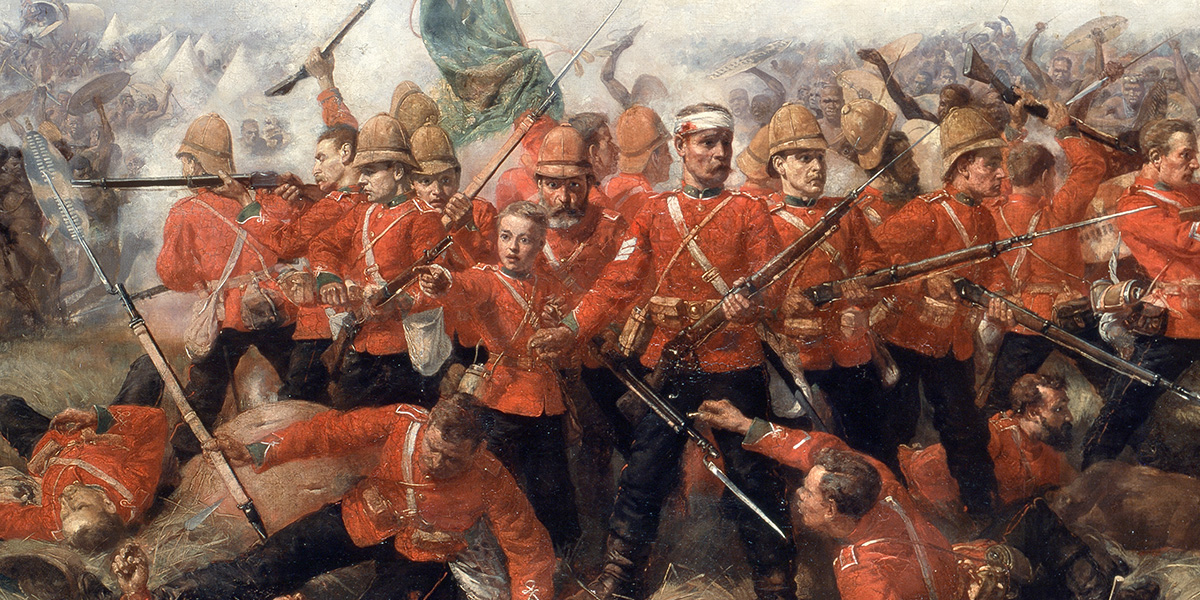
Detail from painting of the Battle of Isandlwana

The Battle of Isandlwana, 22 January 1879

One of our most popular paintings is a depiction of the Battle of Isandlwana by Charles Fripp. Here, we take a closer look at the artwork to discover more about this infamous British defeat.

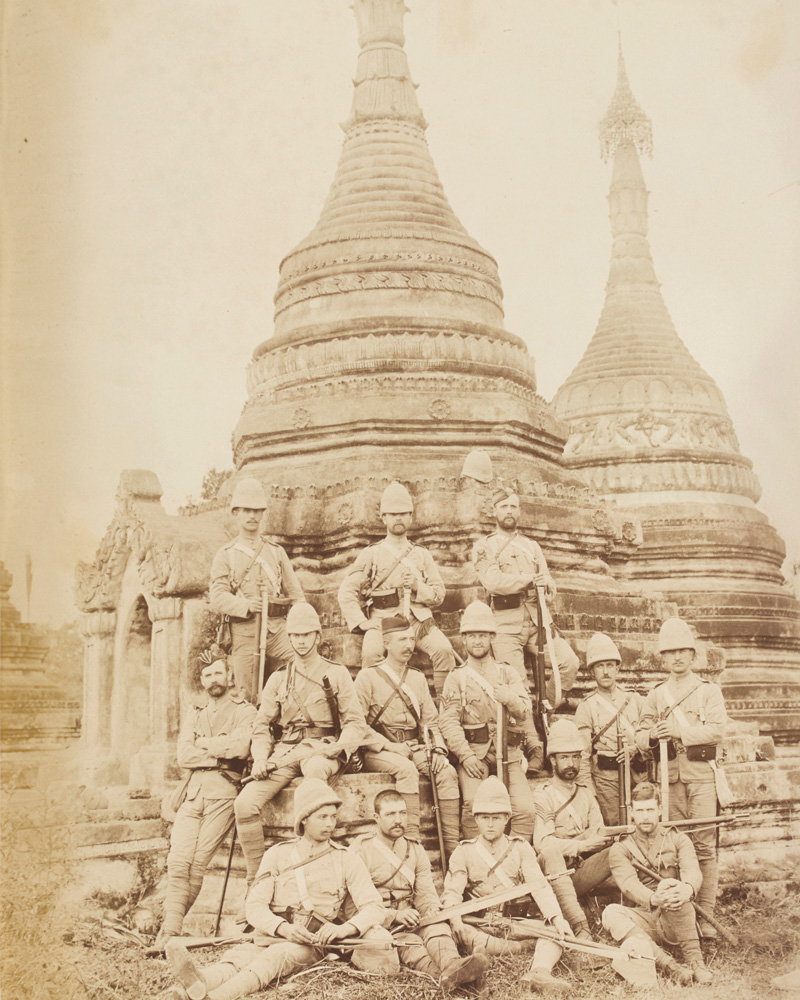
Officers and non-commissioned officers of the 2nd Devonshire Regiment, Wuutho, Burma, 1891

Third Burma War

Following a series of fractious disputes, the British invaded Upper Burma in late 1885 and overthrew its king. While the country was quickly annexed to British India, a guerrilla war ensued that rumbled on for the best part of a decade.

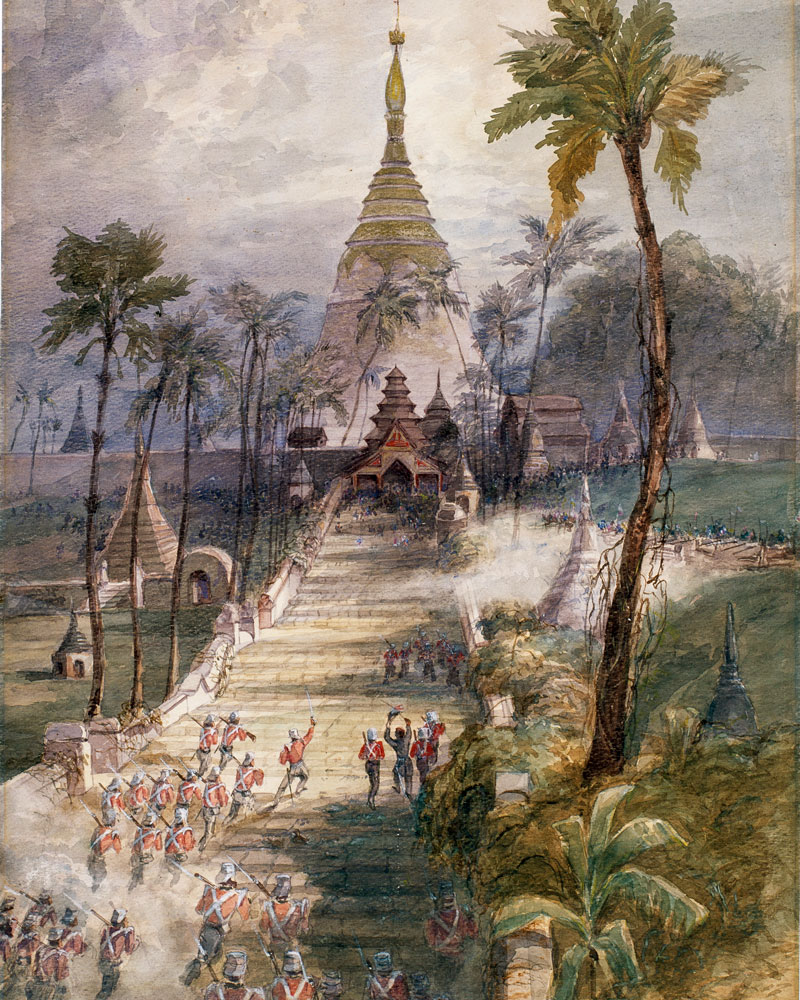
The 18th and 80th Regiments storming the Shwedagon Pagoda, Rangoon, 1852

Second Burma War

This brief conflict in 1852-53 was largely provoked by the East India Company, which was hungry for new territory and resources like teak and rubber. It ended in a British victory and saw Lower Burma become a province of British India.

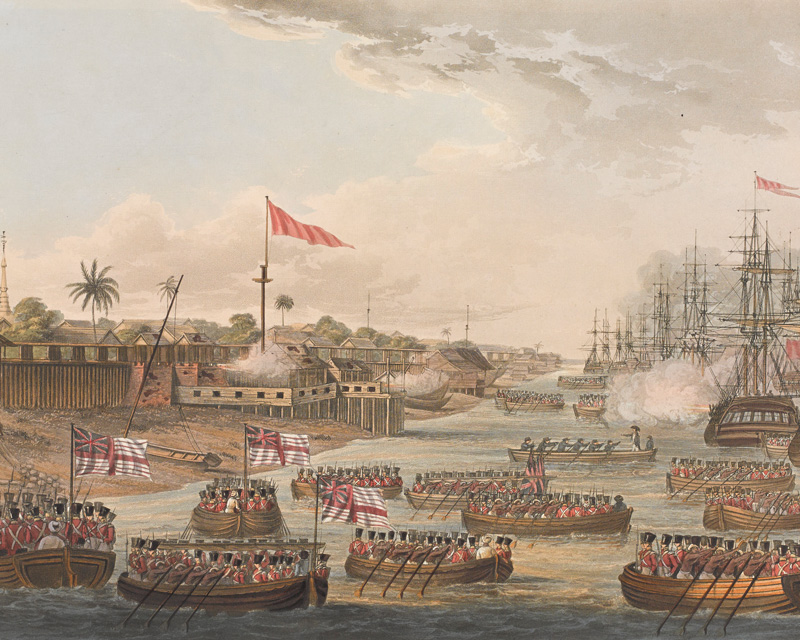
The British landing at Rangoon, 11 May 1824

First Burma War

Frontier clashes between British India and the Burmese Empire escalated into a full-blown war that lasted from 1824 to 1826. This conflict resulted in parts of Burma coming under the control of the East India Company.

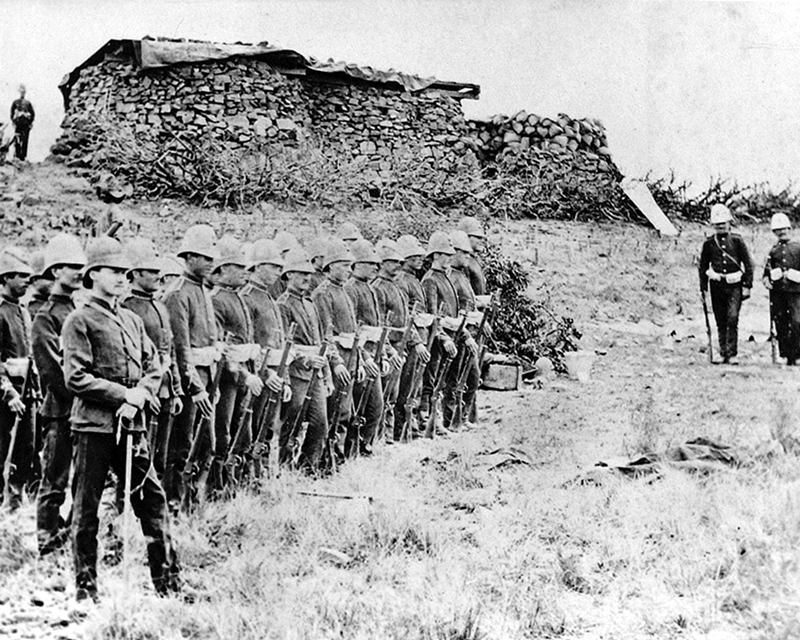
British troops in the Transvaal, 1881

Transvaal War

In 1880-81, the British fought a brief war against the Transvaal Boers in South Africa. The Boers were resistant to Britain's annexation of their territory and went on to inflict several stinging defeats during their successful fight for independence.

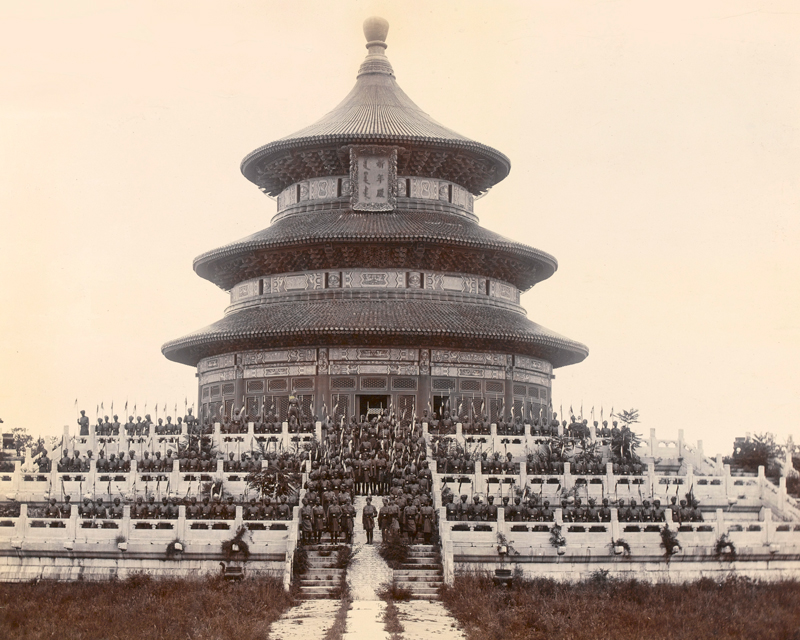
16th Regiment of Bengal Lancers at the Temple of Heaven, Beijing, 1900

The Boxer Rebellion

In 1900, British and Indian troops joined an international expedition sent to relieve the diplomatic quarter of Beijing, which was under siege by the 'Boxers' and their Imperial Chinese allies.

5th Infantry Brigade disembarking at San Carlos, Falkland Islands, 1982

The Falklands War: Preserving Soldiers’ Stories

In 1982, the British Army took part in a campaign to retake the Falkland Islands from the Argentine military. This film reveals some of the incredible personal stories from the conflict that have been preserved by museums across the UK.

Stories of remembrance

story

Peace and commemoration

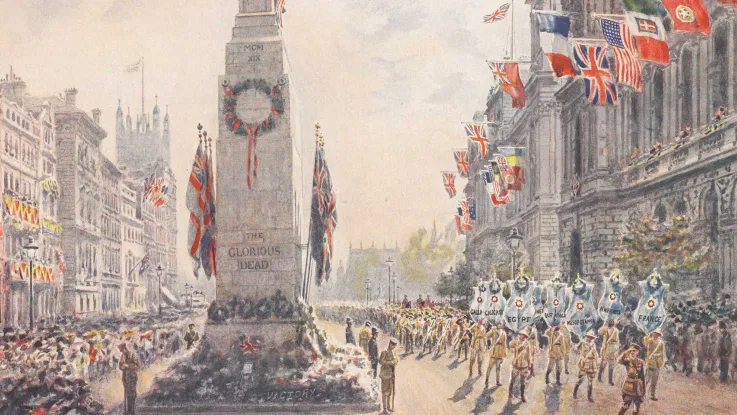
After the Armistice in November 1918, millions of soldiers hoped they would soon go home. But demobilising so many troops was a huge task. How best to mark the Allied victory also became a subject for debate.

Story

Honouring the fallen

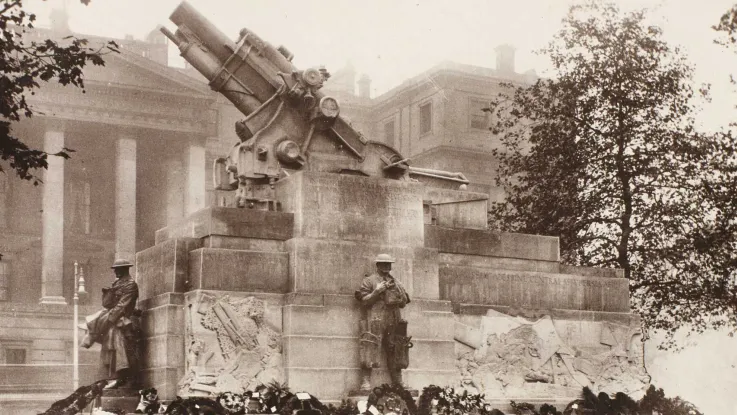
After the First World War, British society had to come to terms with the loss of huge numbers of its service personnel. Across the country, people found ways to commemorate the fallen at a local and national level.

Story

The Unknown Warrior

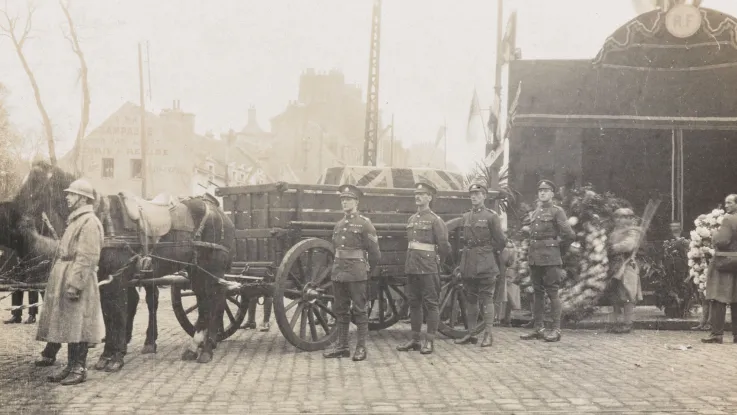
The grave of the Unknown Warrior contains the remains of an unidentified British serviceman, interred in 1920 to honour the fallen of the First World War. The secretive selection process remains shrouded in mystery.