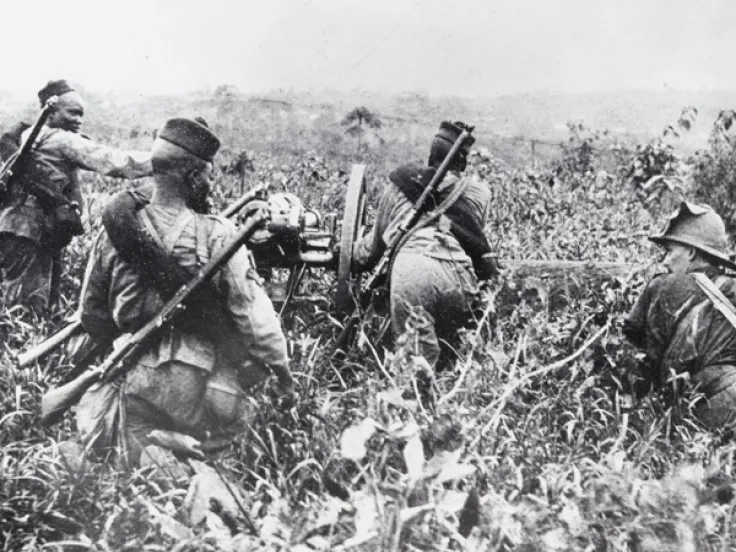
In February 1916, the Allies finally completed the conquest of Germany’s West African colonies. One of the First World War’s forgotten sideshows, this campaign was fought in hostile terrain and disease-ridden jungles.
Throughout the First World War, British Empire soldiers fought against a small German force in East Africa. Led by Colonel Paul von Lettow-Vorbeck, the Germans inflicted many casualties and avoided defeat in the field.
1916 witnessed two of the longest and most notorious battles of the First World War. Both resulted in hundreds of thousands of casualties for both the Allies and Germans on the Western Front.
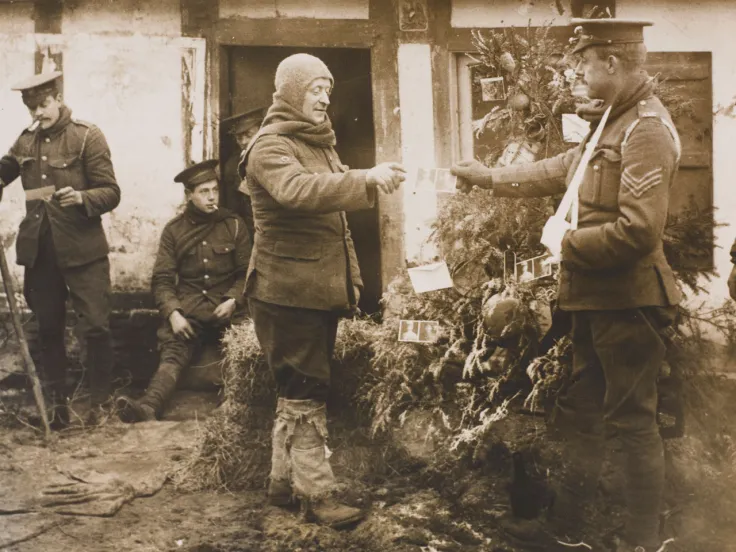
Here we look at some of the Christmas cards sent by soldiers during the First World War, and how they helped ease the pressures of life on the front line.
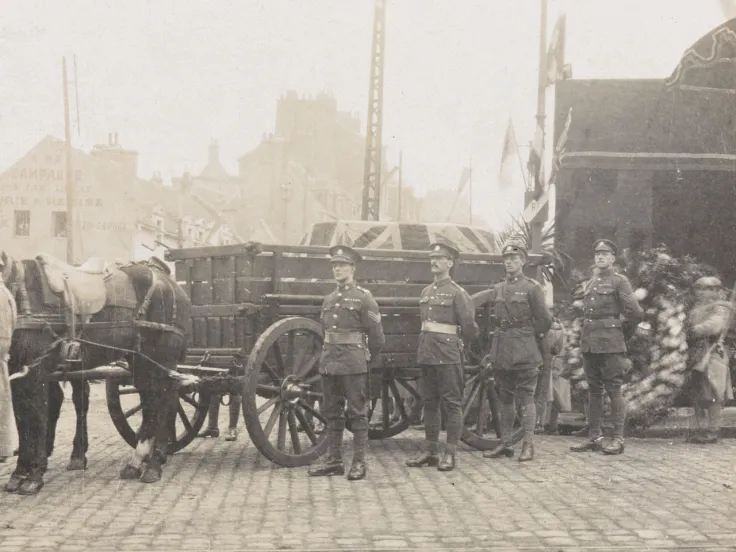
The grave of the Unknown Warrior contains the remains of an unidentified British serviceman, interred in 1920 to honour the fallen of the First World War. The secretive selection process remains shrouded in mystery.
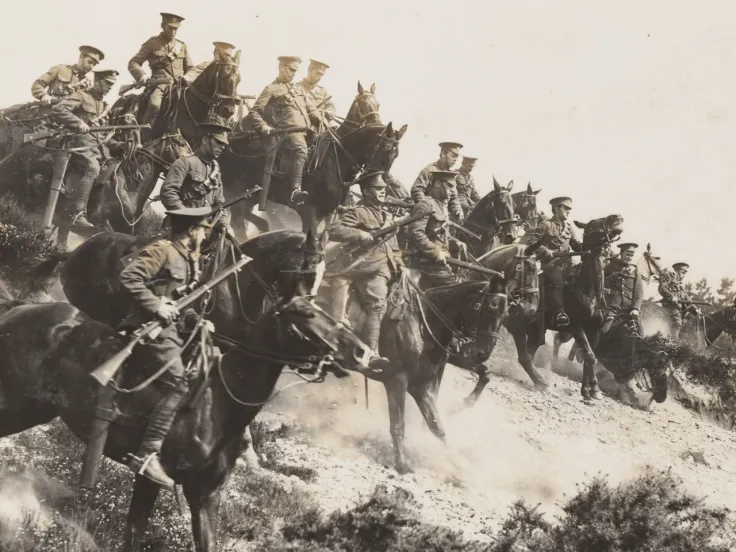
In the First World War, the cavalry could no longer deliver the decisive charges it had performed in the past. But it continued to carry out a variety of useful roles that contributed to British success.
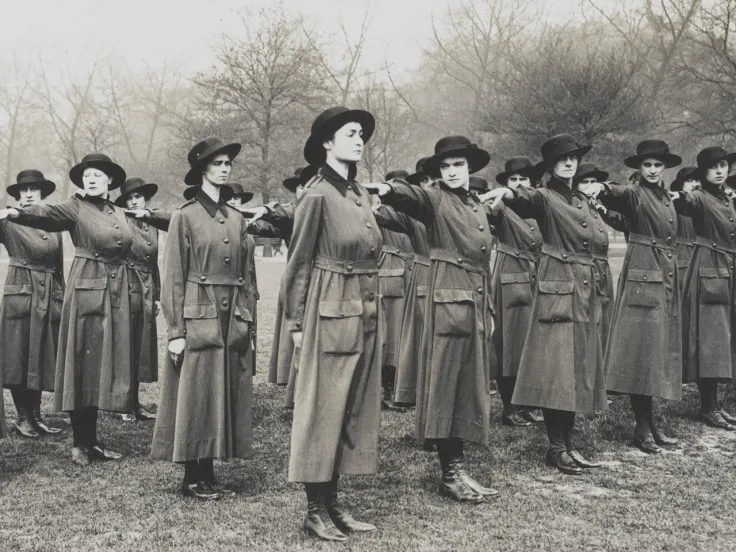
As the entire nation mobilised for the First World War, women took up new challenges. Many of these opportunities had previously been off limits, including military service.
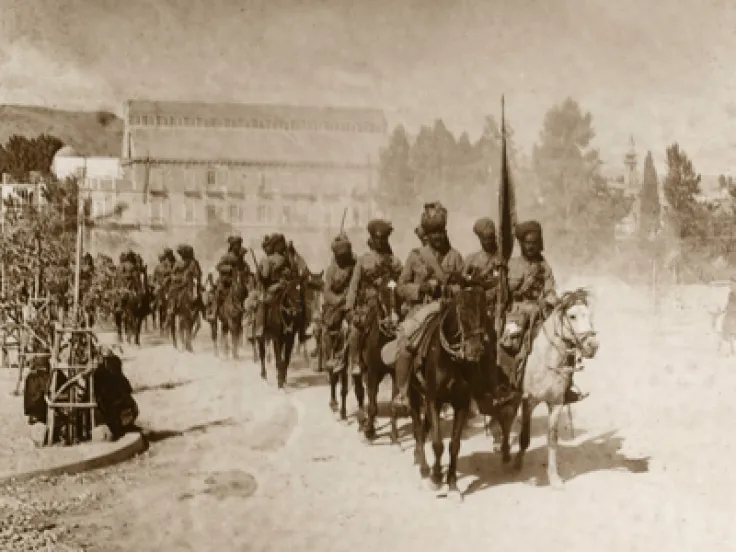
Fought in September 1918, this was the climactic battle of the Sinai and Palestine campaign of the First World War. Ottoman forces found themselves encircled by British Empire forces under General Edmund Allenby.
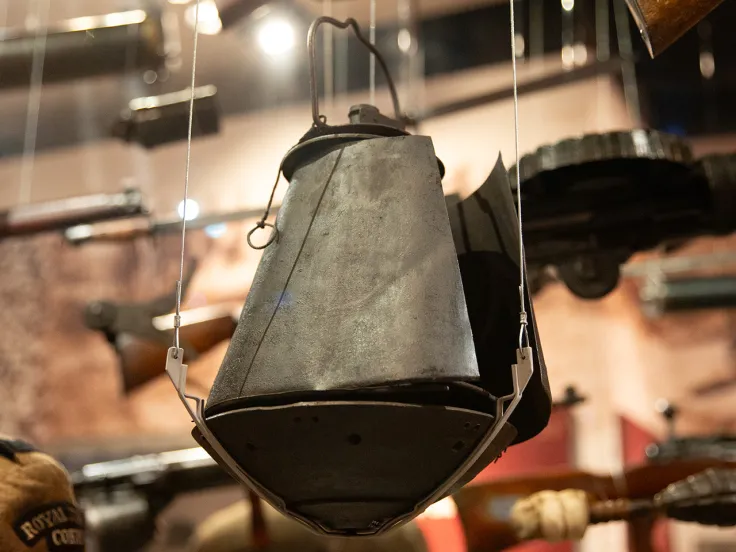
This aerial bomb's banged-up condition reveals something of the impact it must have made when dropped from a German airship during the First World War. Today, it forms part of an impressive display of weaponry in our Conflict in Europe gallery.
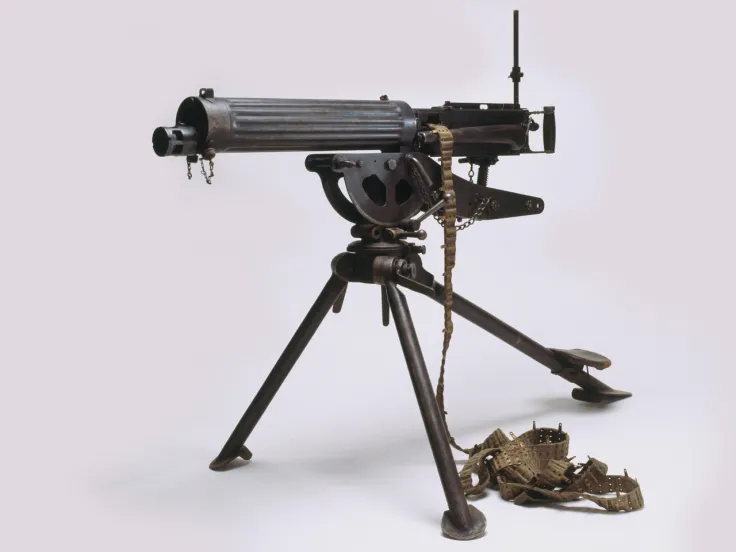
During the First World War, armies were forced to adapt their tactics and pursue new technologies as a way of breaking the deadlock. Here, we explore some of the weapons used by the British Army on the Western Front.
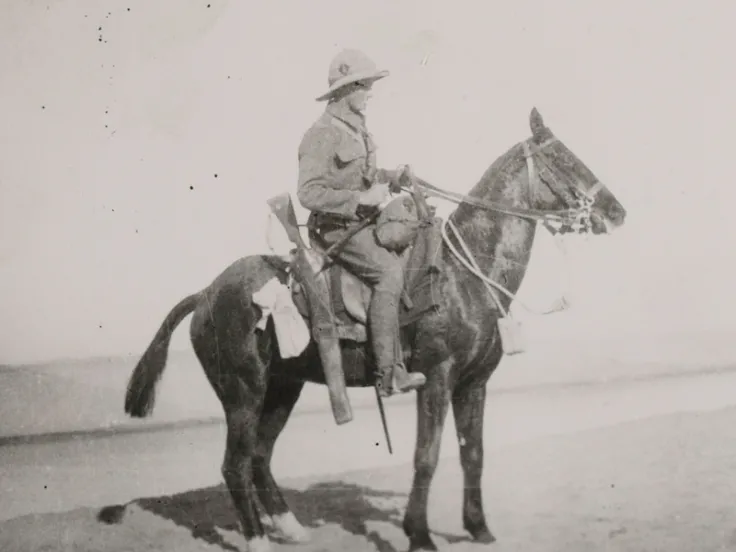
During the First World War, the British position in Egypt was threatened by rebellious Senussi tribesmen. The campaign against them took place in the unforgiving climate of the Western Desert.