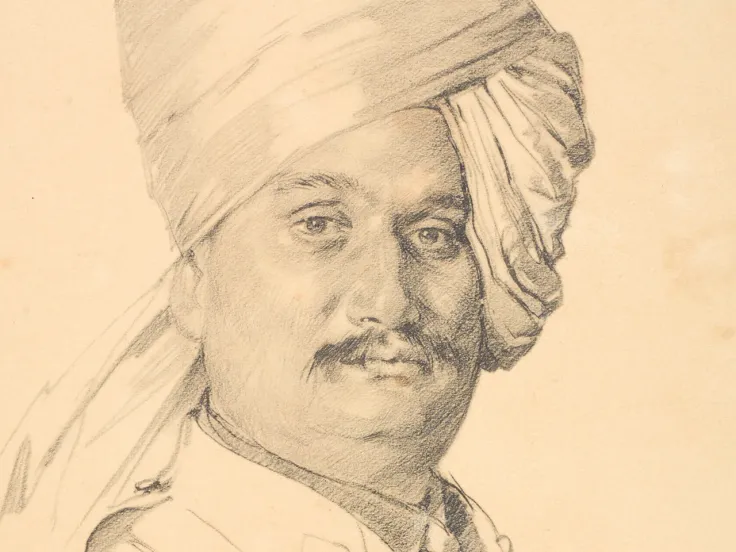
Paul Sarrut was a French soldier who was posted to the British Army as a military liaison officer and interpreter during the First World War. Trained as an artist, Sarrut created an important visual record of the 3rd (Lahore) Division in France.
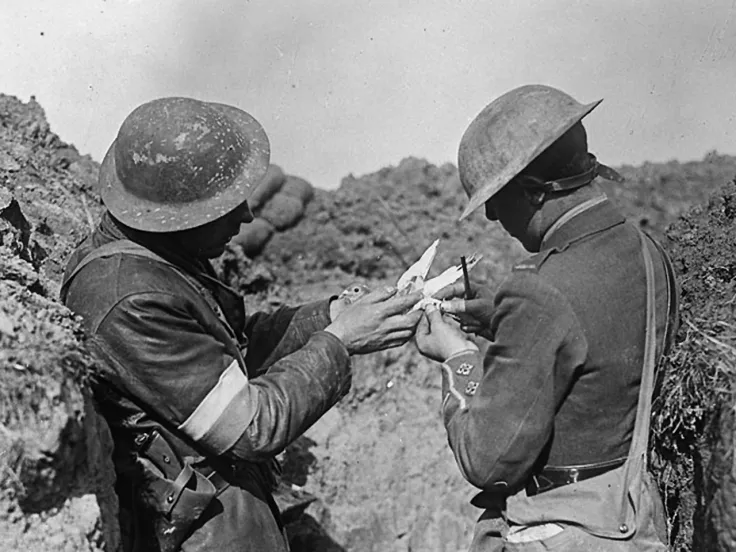
During the First World War, the Army often relied on pigeons to deliver important military information. These birds quickly gained a reputation as one of the most reliable forms of communication.
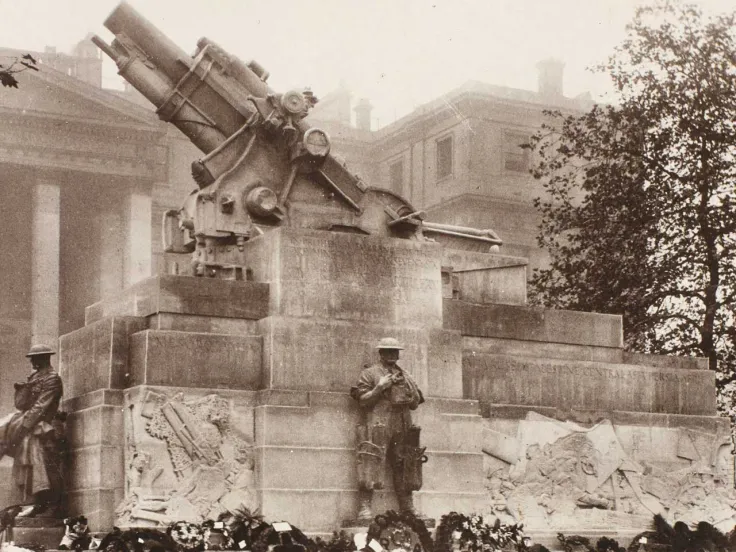
After the First World War, British society had to come to terms with the loss of huge numbers of its service personnel. Across the country, people found ways to commemorate the fallen at a local and national level.
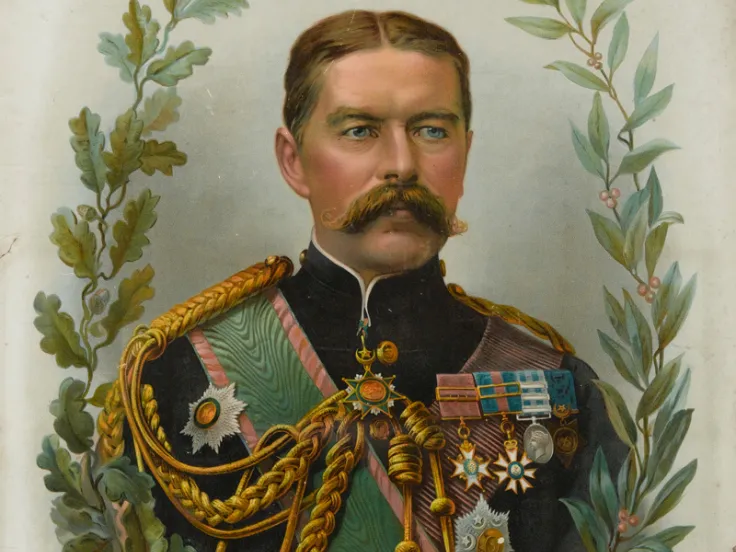
Field Marshal Herbert Kitchener was famous for colonial victories in the Sudan and South Africa. Later, he helped build Britain’s first mass army during the First World War.
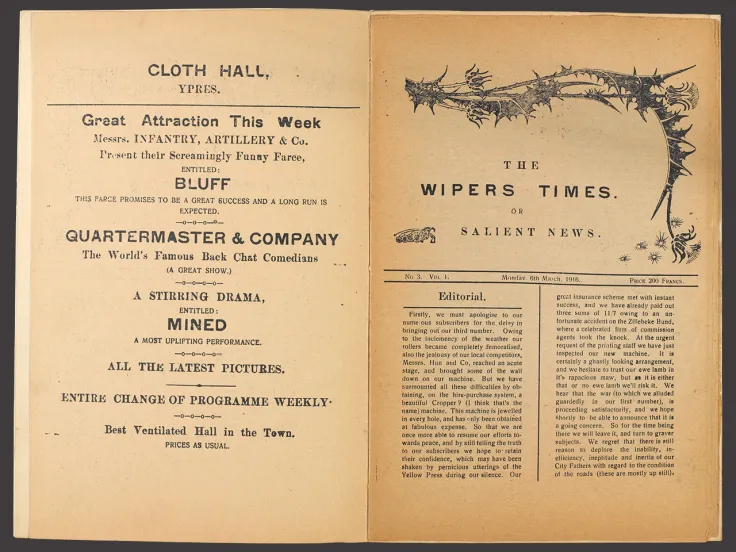
Full of the dark humour typical of soldiers at war, 'The Wipers Times' was one of the finest of many trench publications produced on the Western Front.
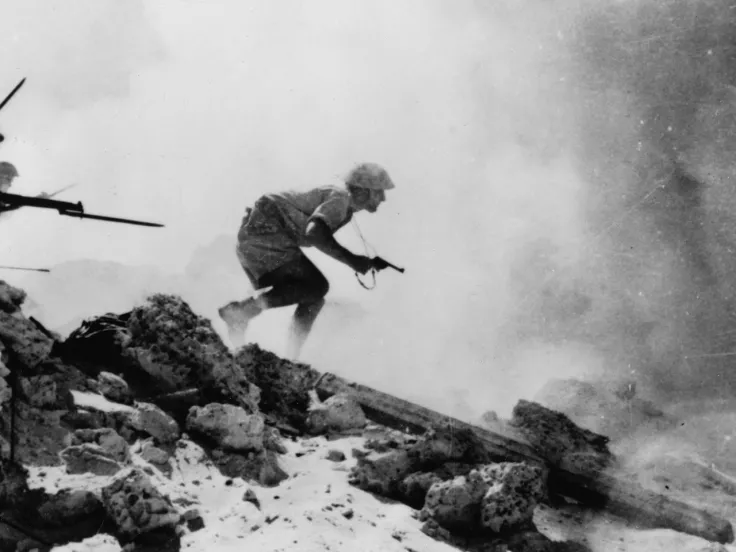
The grim struggle that rolled back and forth across the North African desert from 1940 to 1943 resulted in the first major Allied victory of the Second World War.
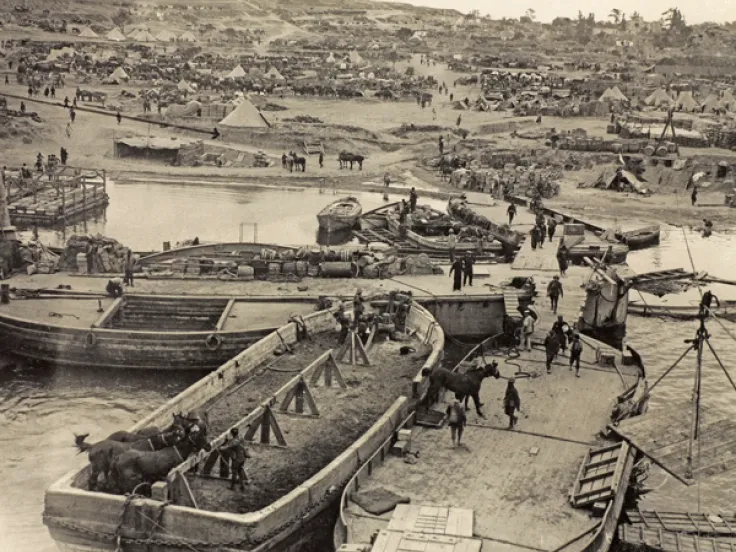
Gallipoli was the first major amphibious operation in modern warfare. In 1915, British Empire and French troops landed on the Ottoman-held peninsula in the Dardanelles Straits with disastrous consequences for the Allies.
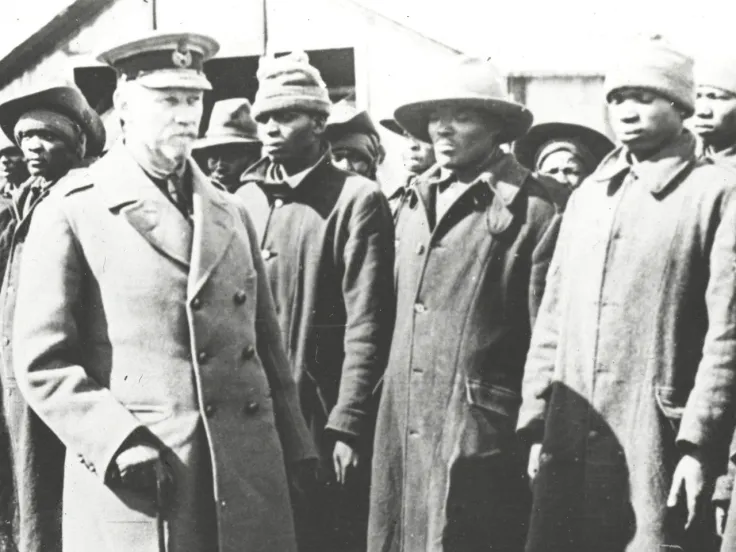
Field Marshal Jan Christiaan Smuts successfully led troops against Britain in the Boer War. He later commanded the South African Defence Force fighting alongside British soldiers in several First World War campaigns.
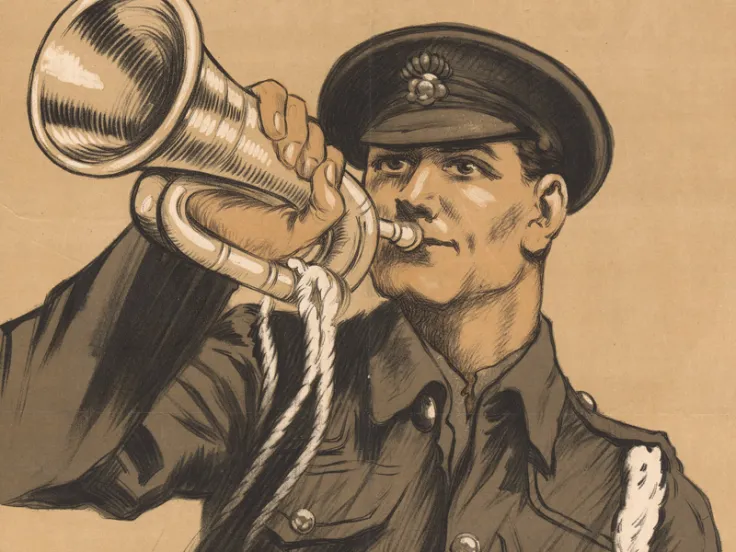
The outbreak of war in August 1914 was greeted with enthusiasm in Britain. But to meet its commitment to its allies, the nation would have to expand its small professional army and make it ready for war as quickly as possible.
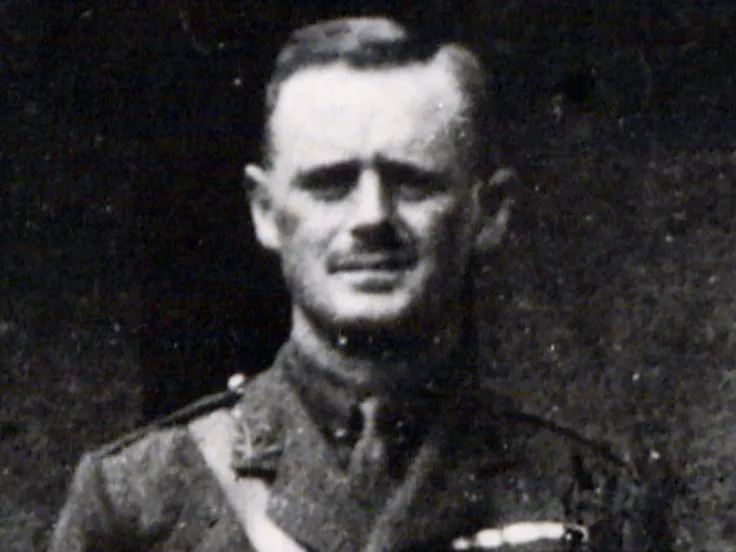
Michael Harrison served with distinction during the First World War. He performed acts of great courage and daring both on the battlefield and in captivity, mounting repeated escape attempts.