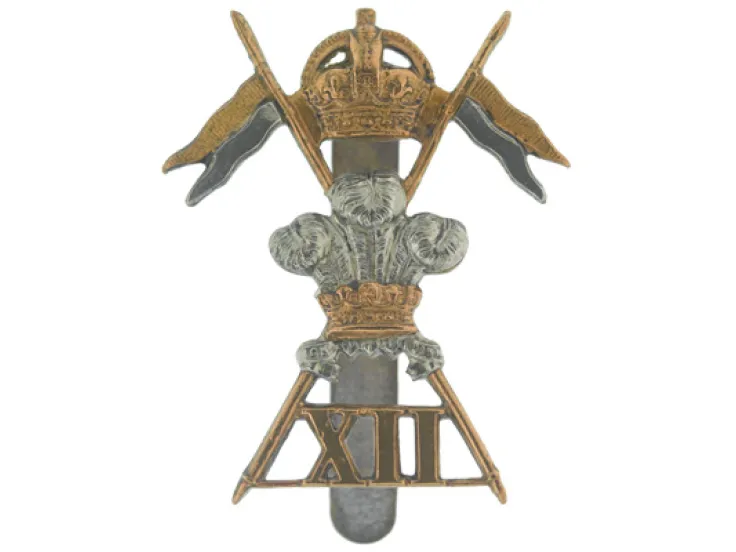
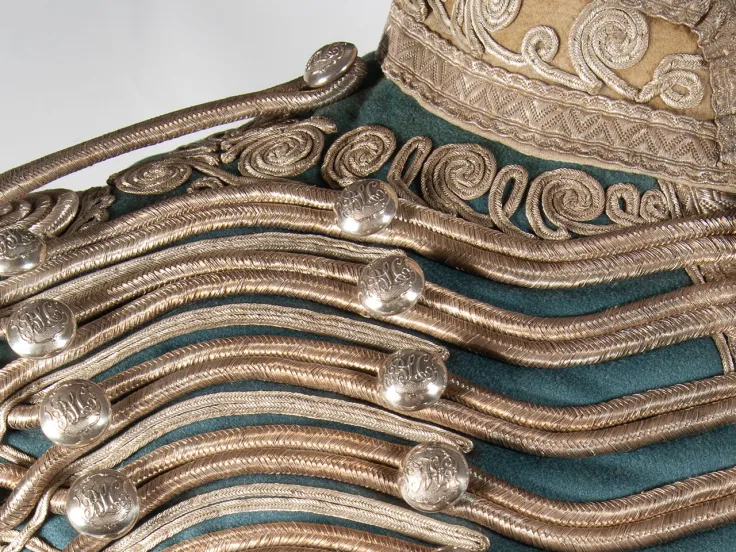
This cavalry regiment was formed in 1715. It served in many British Army campaigns until 1960, when it was merged into the 9th/12th Royal Lancers (Prince of Wales’s).
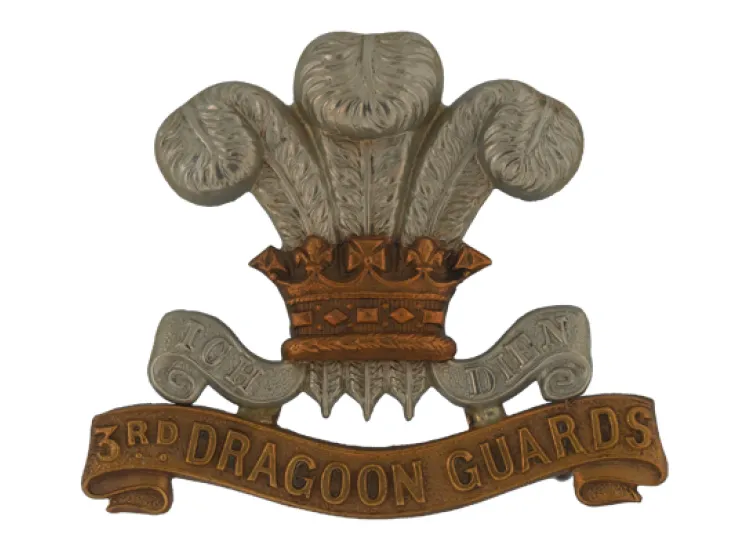
This cavalry regiment was raised in 1685. It continued in British Army service until 1922, when it was merged into the 3rd Carabiniers (Prince of Wales's Dragoon Guards).
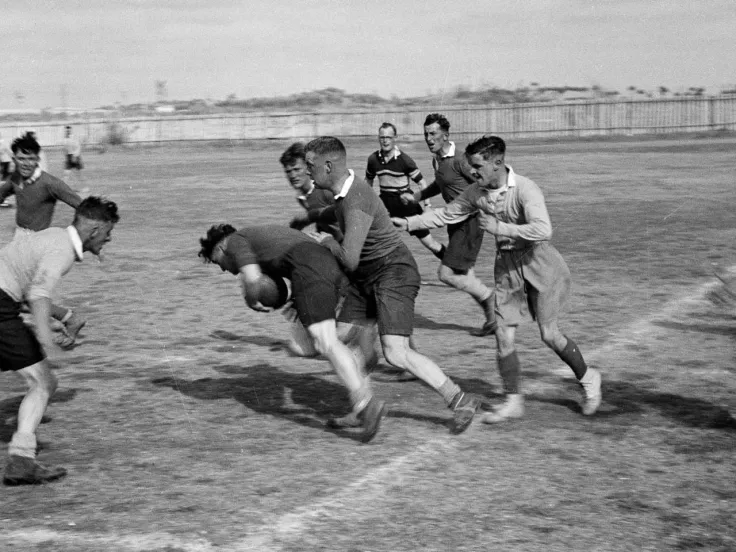
Although factors like patriotism, financial security and the chance to travel have persuaded men and women to enlist, sport has also played a major role in British Army recruitment.
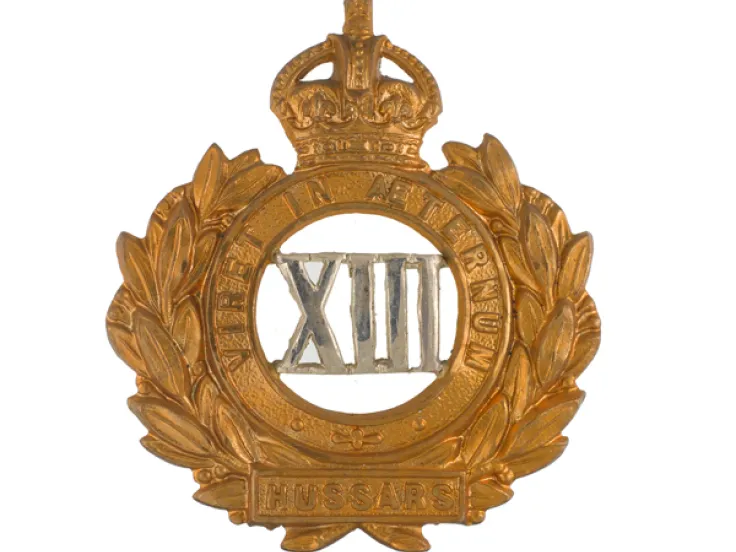
Formed in 1715, this cavalry unit had a long and distinguished service with the British Army. In 1922, it was merged into the 13th/18th Royal Hussars (Queen Mary's Own).
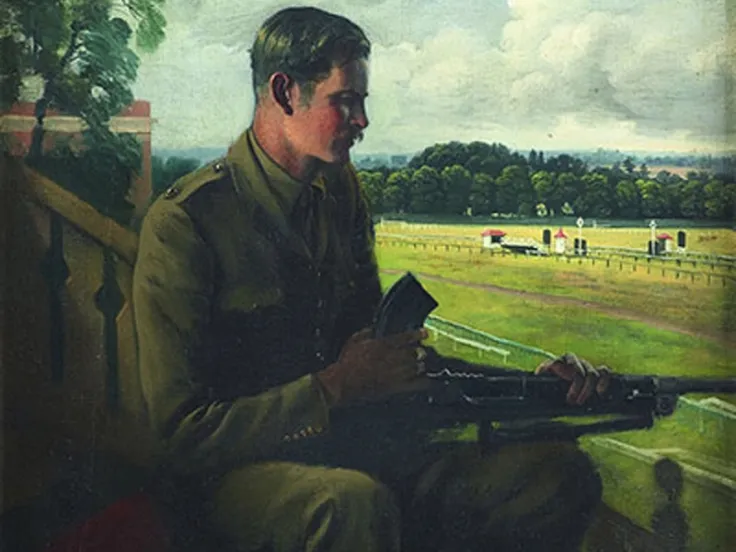
As the co-founder of the Special Air Service (SAS), Lieutenant ‘Jock’ Lewes played a vital role in establishing the unit’s ethos and high standards of training and discipline.
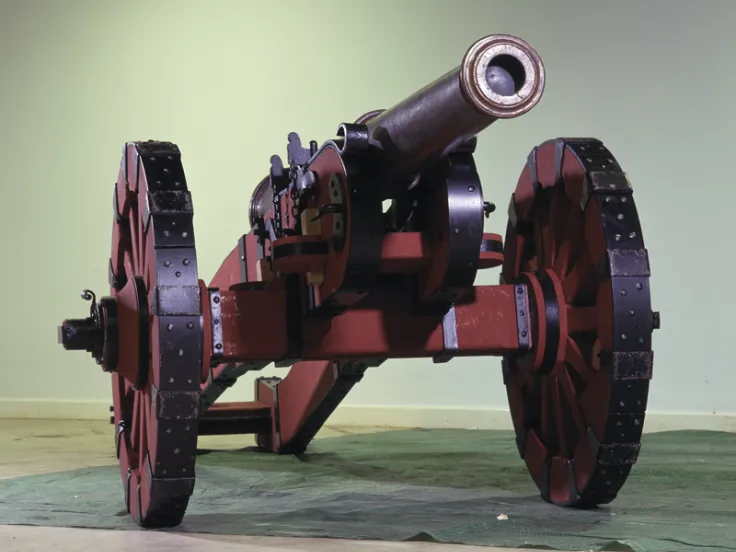
Most of the objects held by the National Army Museum are in public ownership because of the generosity of individuals or organisations who have donated them.
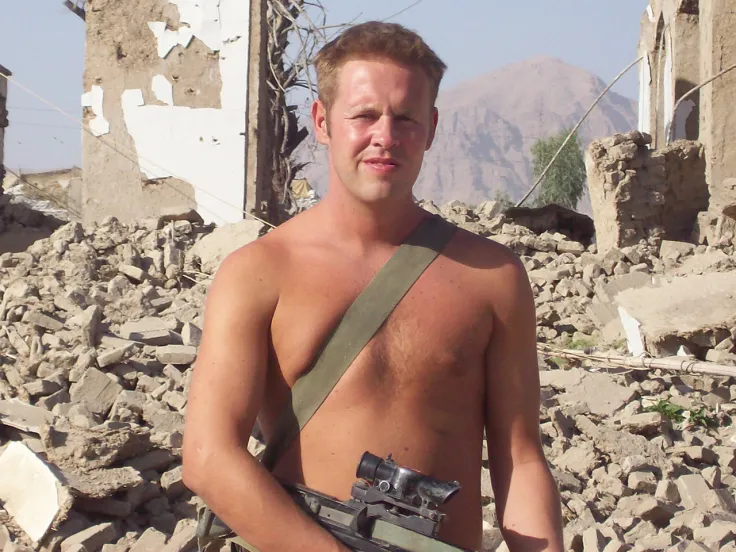
Danny Groves served as a mortar section commander with the Royal Irish Regiment in Afghanistan in 2006. At Musa Qala, he was embroiled in one of the Army’s most intense and gruelling sieges of recent times.
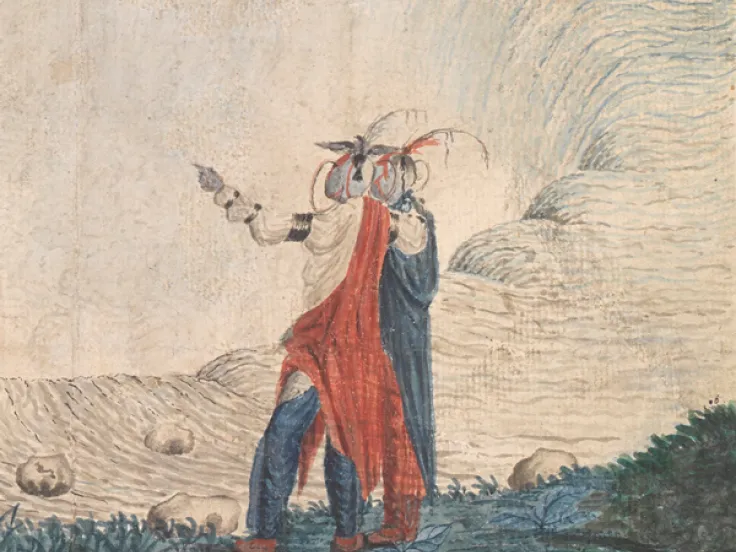
Thomas Davies' watercolour, ‘An East View of the Great Cataract of Niagara’ (1762), documents the struggle for control of North America and illuminates the history of British exploration and science.
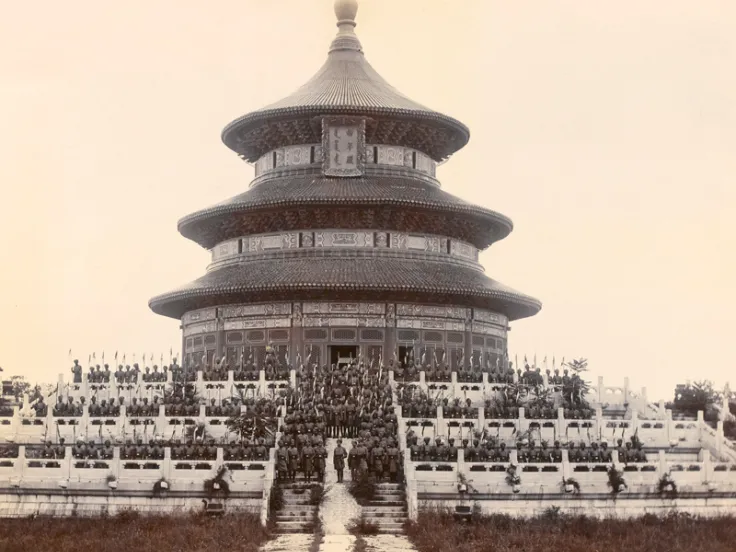
In 1900, British and Indian troops joined an international expedition sent to relieve the diplomatic quarter of Beijing, which was under siege by the 'Boxers' and their Imperial Chinese allies.
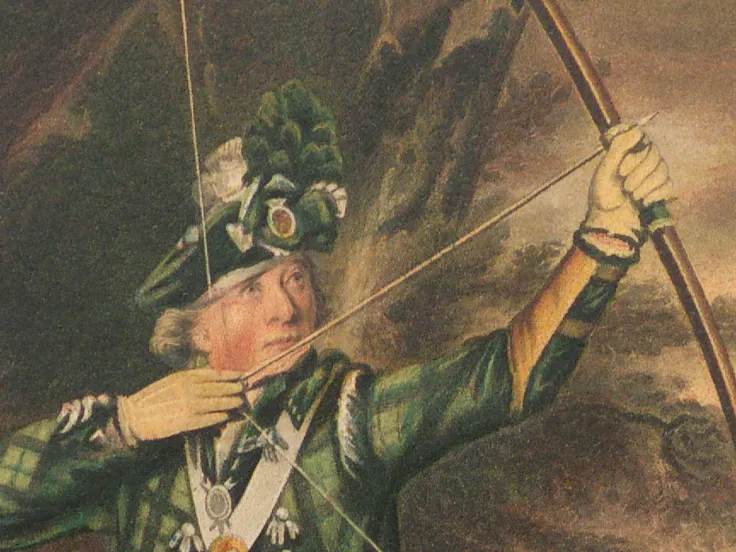
Formed in the 17th century, this organisation fell under government suspicion during the time of the Jacobite uprisings. Despite these inauspicious beginnings, it later evolved into the Sovereign's bodyguard in Scotland.
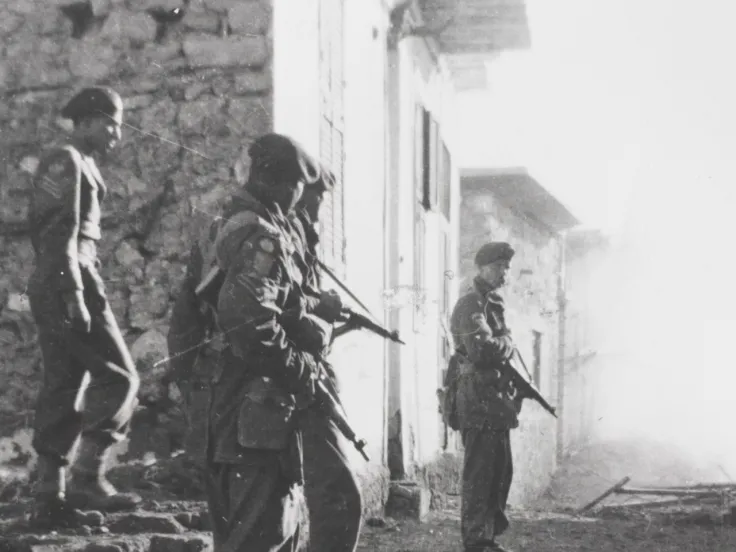
Between 1945 and 1956, British soldiers garrisoned bases on the Suez Canal in Egypt. A harsh climate, disease and attacks by local nationalists made Suez one of the most unpopular Army postings.