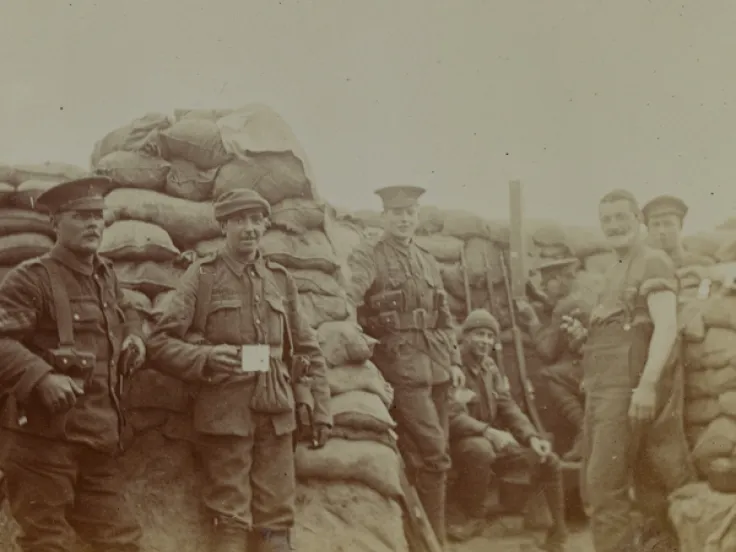
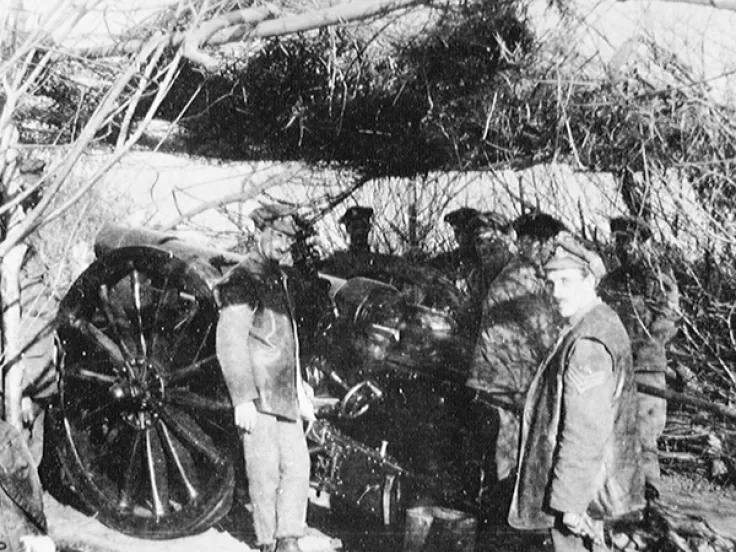
In the autumn of 1914, British soldiers fought alongside the Japanese in China. Their goal was the German naval base at Tsingtao, which finally fell in November after a two-month siege.
In June 1916, a British military mission began recruiting a local force in neutral Persia. Its goal was to bolster Allied interests and prevent enemy influence in the region.
During 1915, the British and French undertook a series of unsuccessful attacks against the Germans on the Western Front. For both sides it was a tough learning experience.
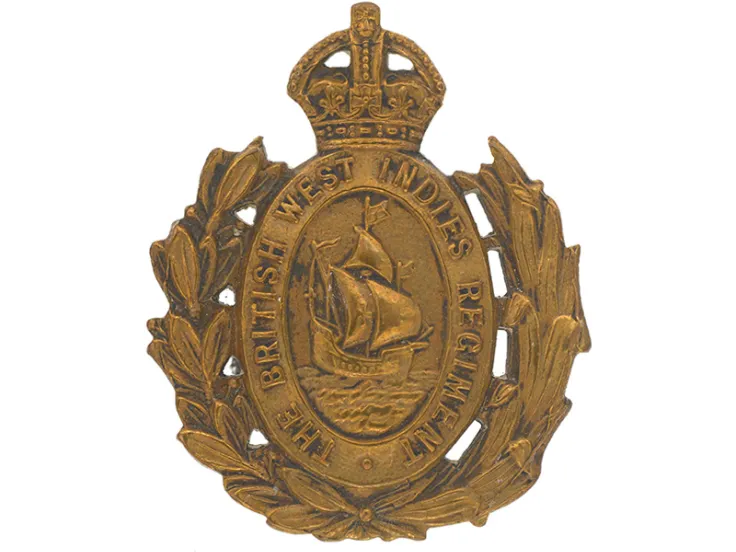
Formed in 1915, this British Army regiment was composed of volunteers from the West Indies and served in various theatres of the First World War. It was disbanded in 1921, shortly after the end of the conflict.
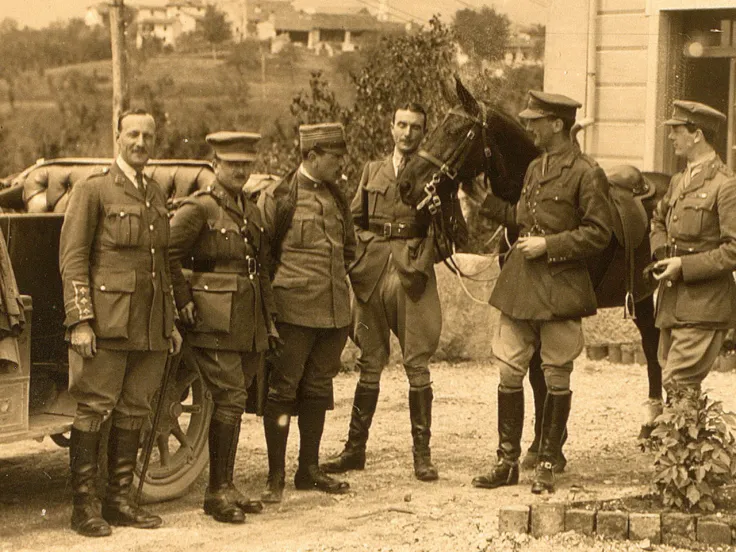
One hundred years ago in June 1918, Major John Carter was serving as an intelligence officer in Italy assisting in a top secret and pioneering mission to parachute agents behind enemy lines.
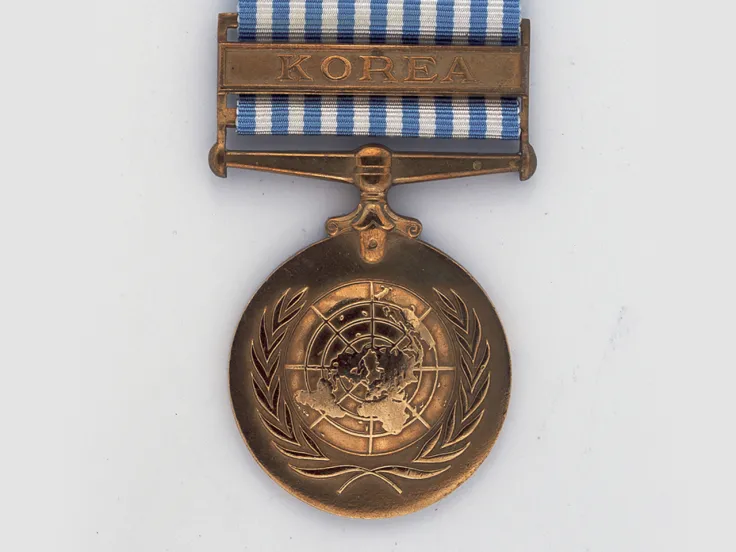
In 1950, the Cold War heated up significantly with the outbreak of conflict in Korea. This three-year struggle left millions dead, and its legacy remains of huge global consequence today.
From 1915 to 1918, British troops were part of a multinational Allied force fighting the Bulgarians and their allies in the Balkans. Despite harsh conditions, they eventually brought the campaign to a successful conclusion.
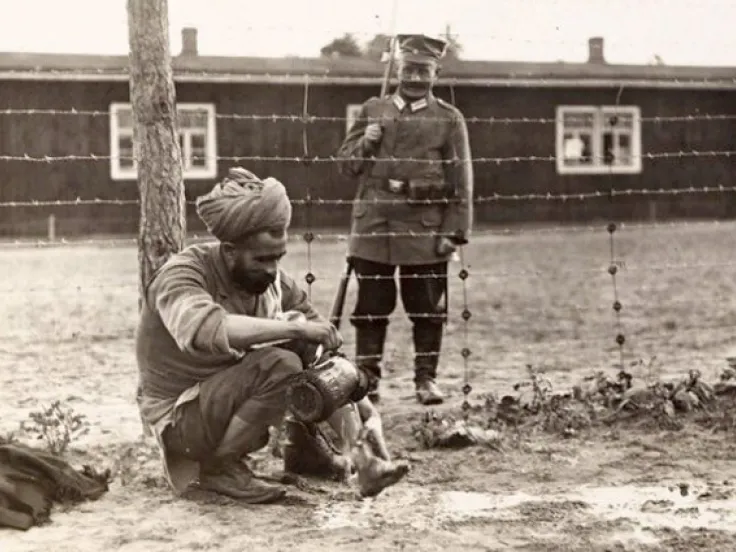
Discover the long-forgotten story of the Halbmondlager, where prisoners from across the British, French and Russian Empires were held captive during the First World War.
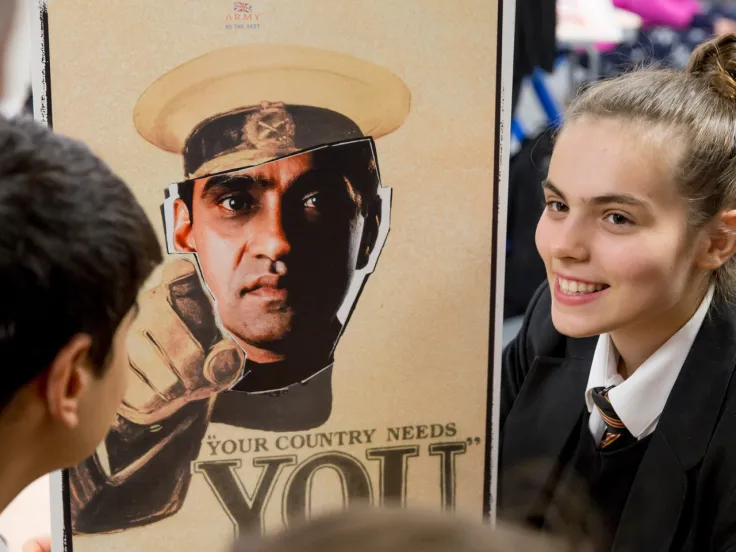
Analyse recruitment posters from the Museum's collection and multimedia recreations of First World War parliamentary debates to explore the history of Army recruitment and conscription.
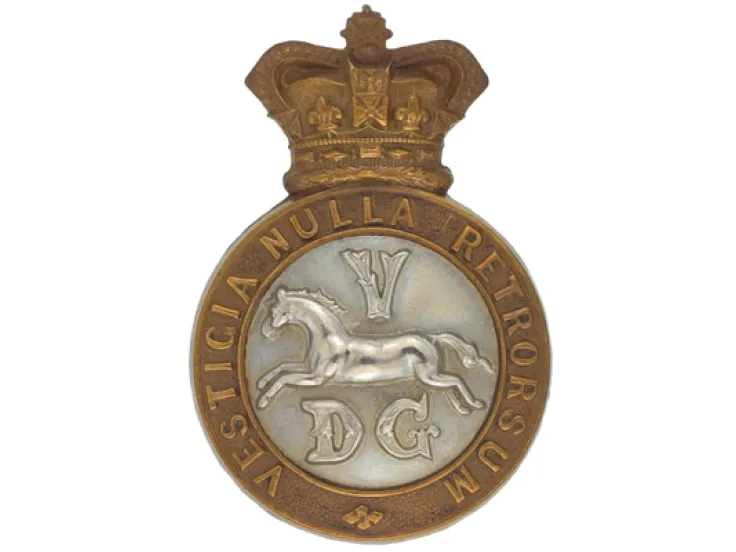
The 5th Dragoon Guards was a cavalry regiment dating back to 1685. The regiment was amalgamated after nearly 240 years of service following the First World War.