Explore

Delve deeper into stories of the Army and its soldiers, exploring events across the globe and down the centuries.

Explore by theme
Patrolling the Malayan jungle, 1950s

Malayan Emergency

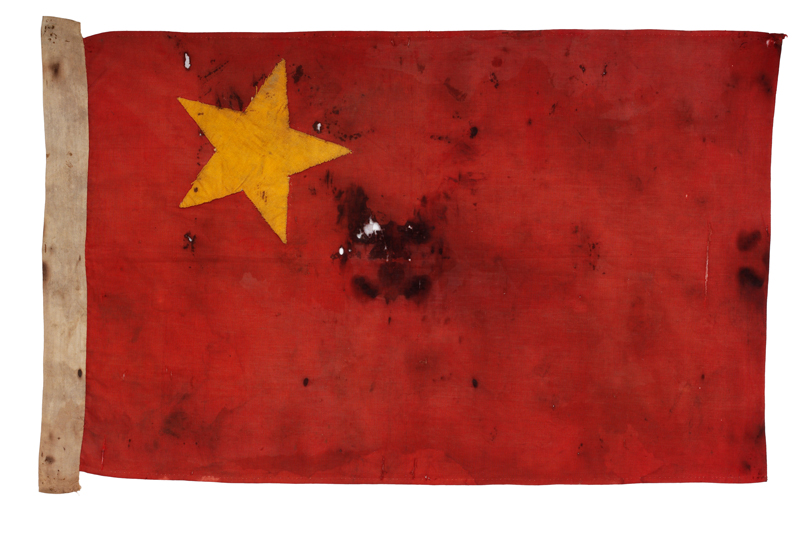
The Malayan Emergency (1948-60) was one of the few successful counter-insurgency operations undertaken by the Western powers during the Cold War.

Gurkhas at Peiwar Kotal, 1878

The Gurkhas

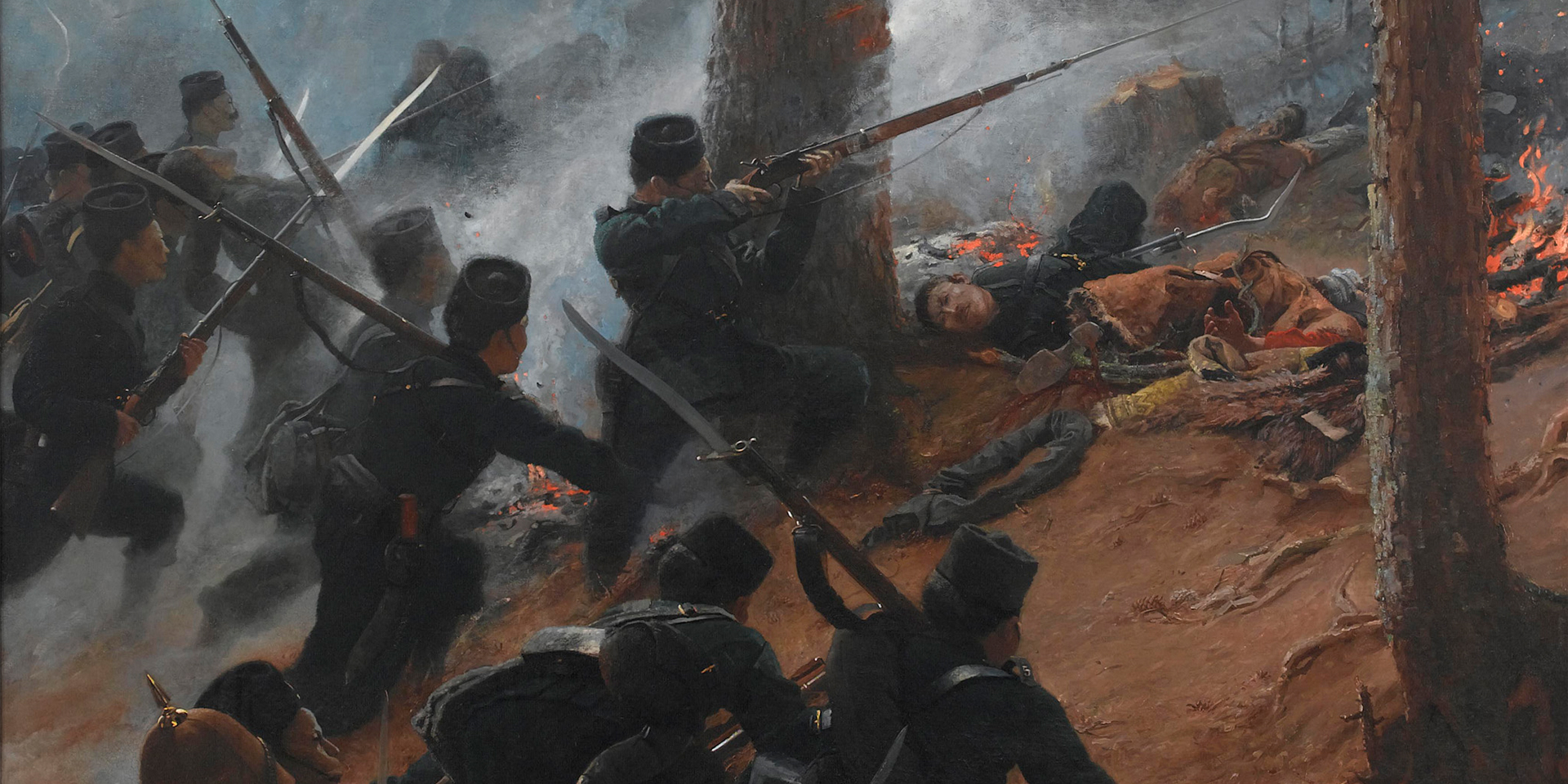
Nepalese troops known as Gurkhas have fought for Britain since 1815. Here, we explore their history and find out why they have long been regarded as some of the finest and fiercest soldiers.

Ashanti horn, 1824

A trophy worth losing your head for?

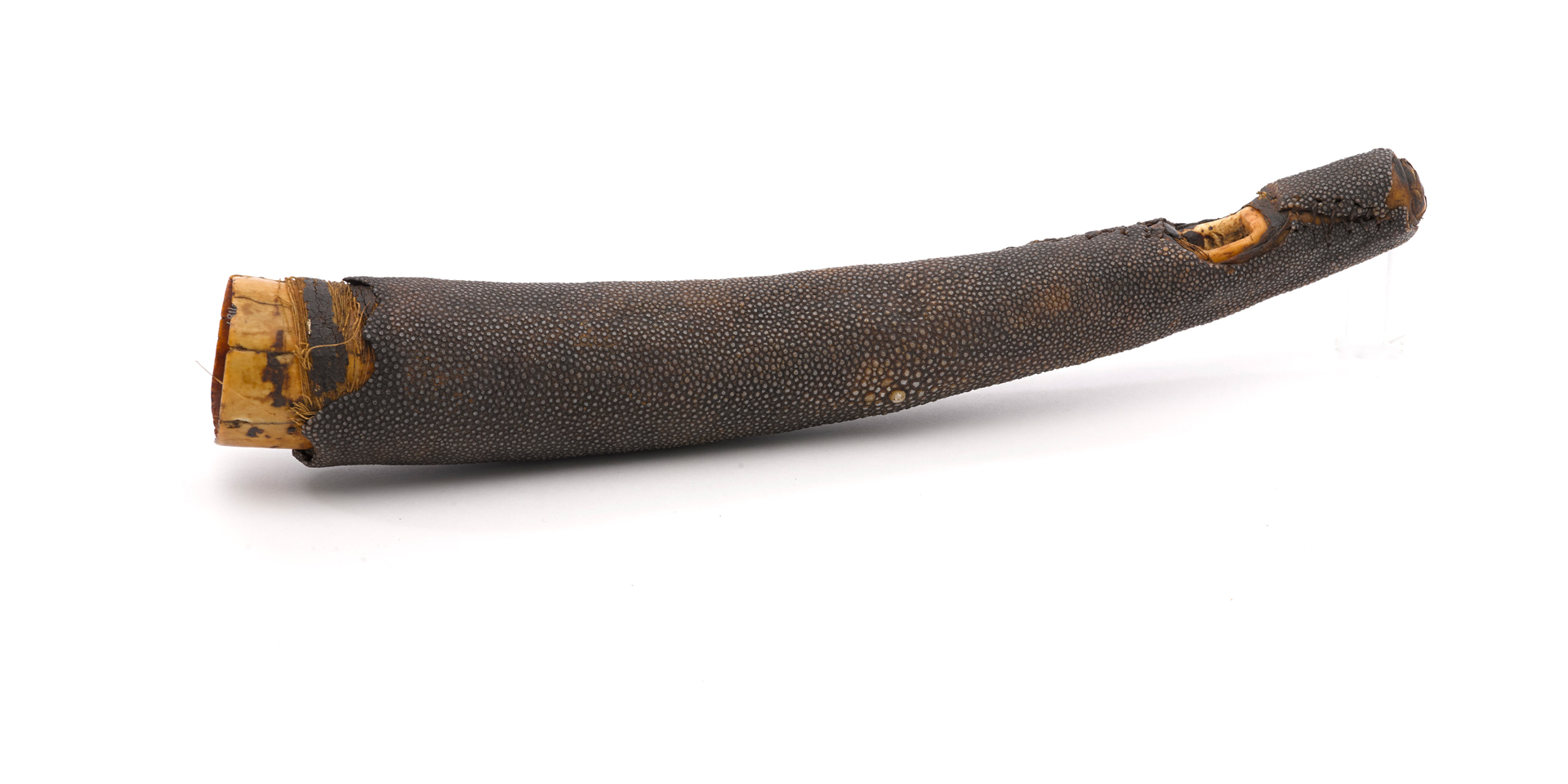
In the 19th century, it was customary for soldiers to claim war trophies as a token of victory after defeating their enemies in battle. This Ashanti war trumpet is unusual in that it serves as a token of defeat.

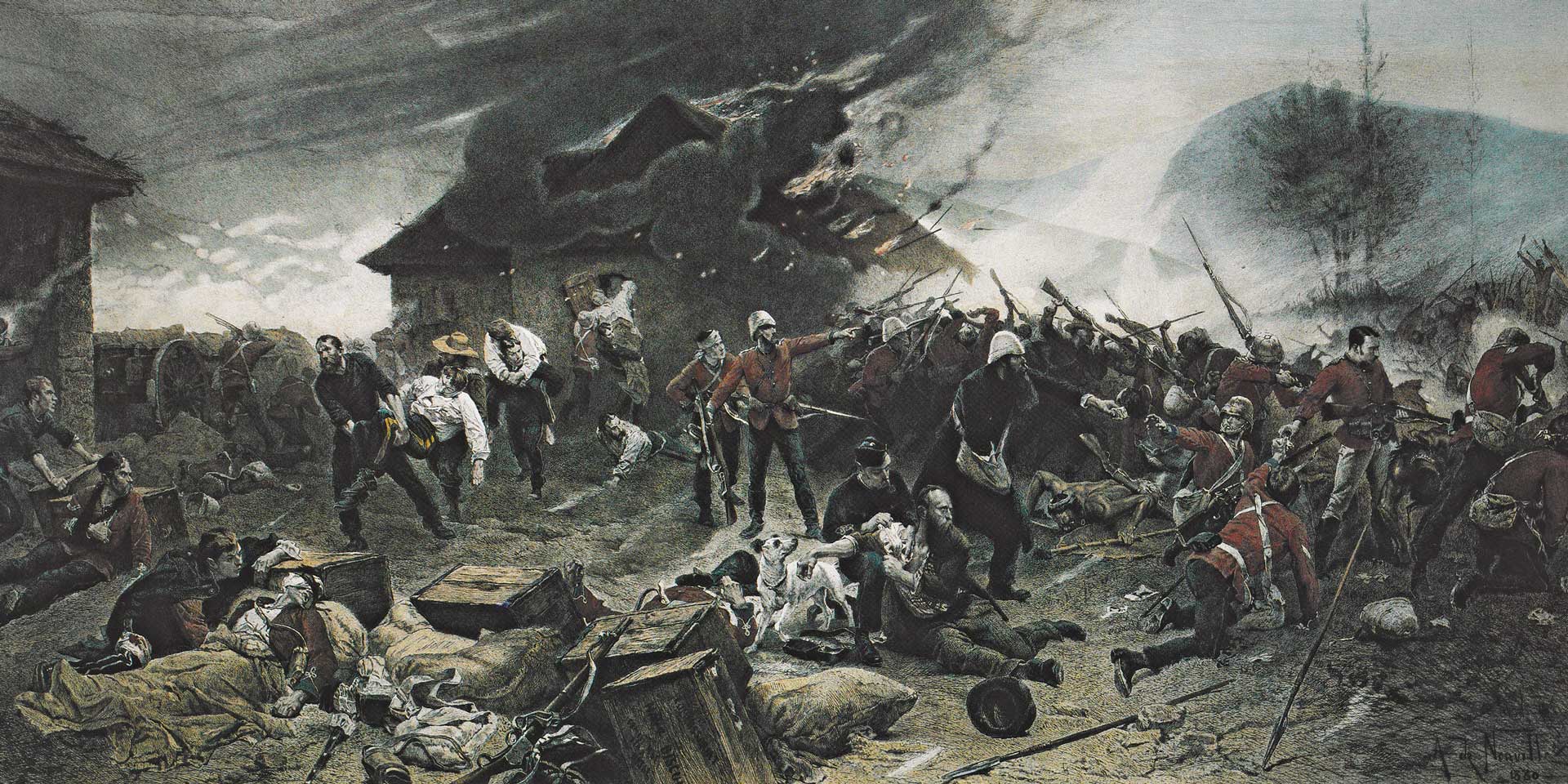
The defence of Rorke’s Drift 22-23 January 1879

Defence of Rorke’s Drift

This battle took place on 22-23 January 1879. A huge force of Zulus attacked a small British garrison, but was eventually repelled after more than 12 hours of bitter fighting.

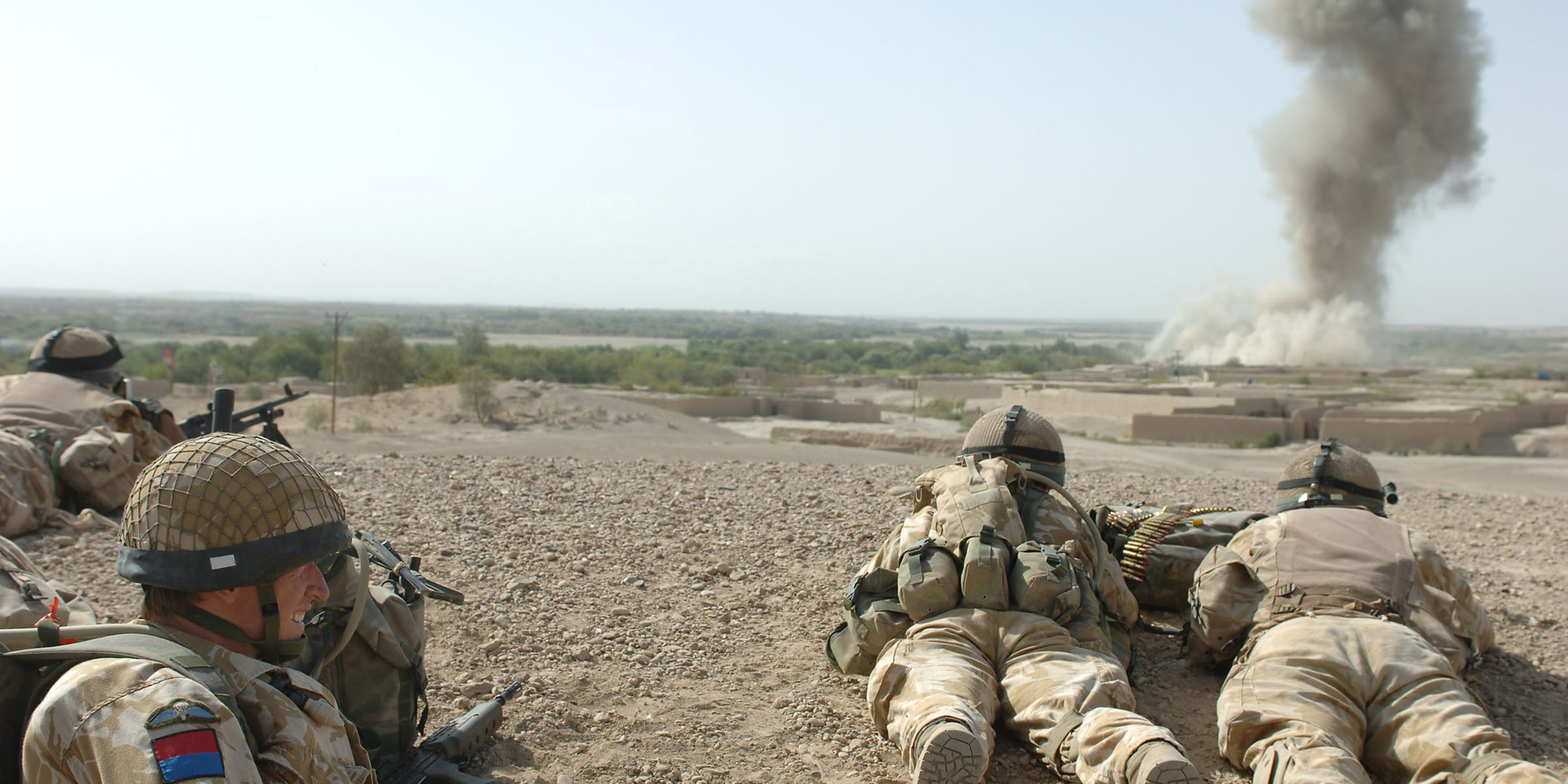
British soldiers watching the bombing of an enemy position in Musa Qala, 2006

War in Afghanistan

Britain's most recent war in Afghanistan began in the wake of the '9/11' terrorist attacks on the United States. It continued for 13 years with the last combat troops leaving the country on 26 October 2014.

Stories of remembrance

story

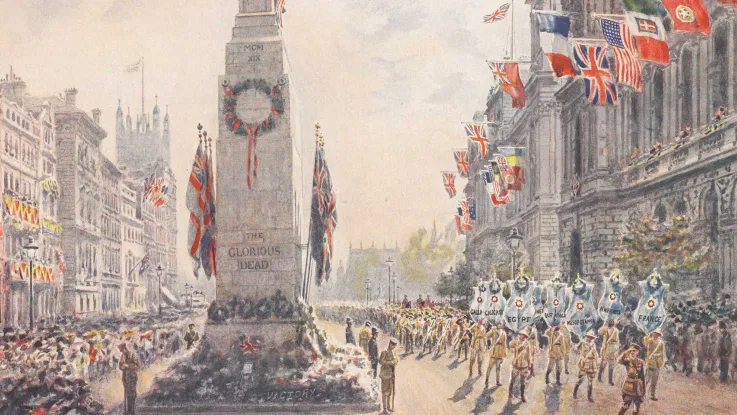
Peace and commemoration

After the Armistice in November 1918, millions of soldiers hoped they would soon go home. But demobilising so many troops was a huge task. How best to mark the Allied victory also became a subject for debate.

Story

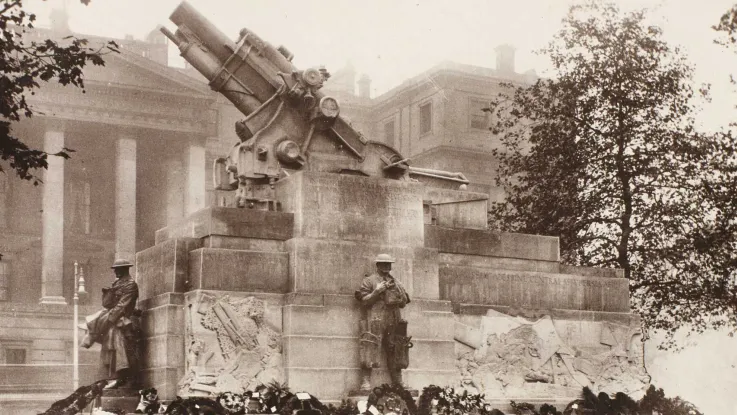
Honouring the fallen

After the First World War, British society had to come to terms with the loss of huge numbers of its service personnel. Across the country, people found ways to commemorate the fallen at a local and national level.

Story

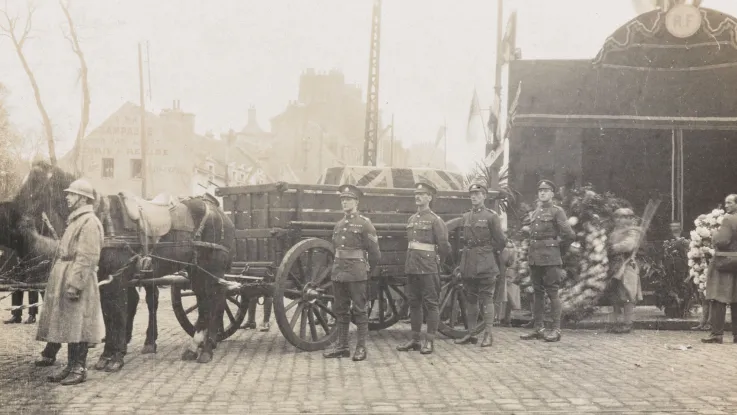
The Unknown Warrior

The grave of the Unknown Warrior contains the remains of an unidentified British serviceman, interred in 1920 to honour the fallen of the First World War. The secretive selection process remains shrouded in mystery.