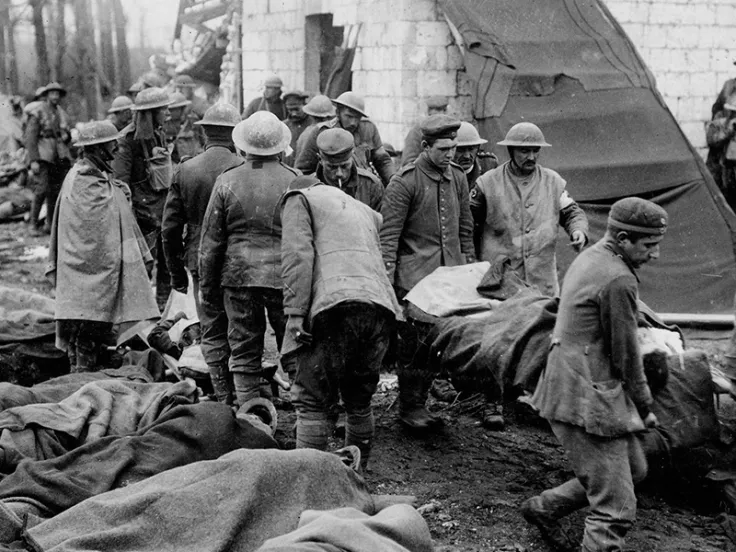
5 April 2023: This April, the National Army Museum opens a new gallery, Conflict in Europe. Through extraordinary objects and engaging interactives, visitors will explore the role of the British Army in Europe, a story as relevant today as it was 350 years ago.
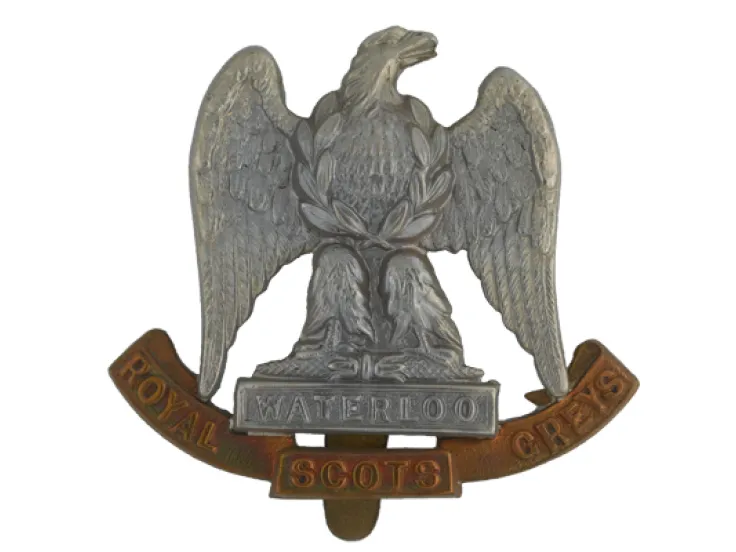
Formed in 1681, this cavalry unit was Scotland's senior regiment. Its long and distinguished service with the British Army continued until 1971, when it was merged into The Royal Scots Dragoon Guards.
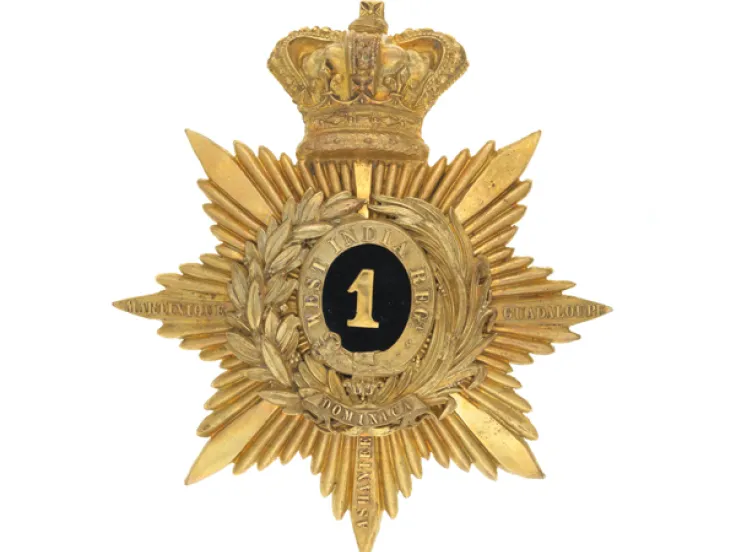
Raised in the 1790s to defend Britain's Caribbean colonies, the West India Regiments fought as infantry in several campaigns. They remained a part of the British Army until disbandment in 1927.
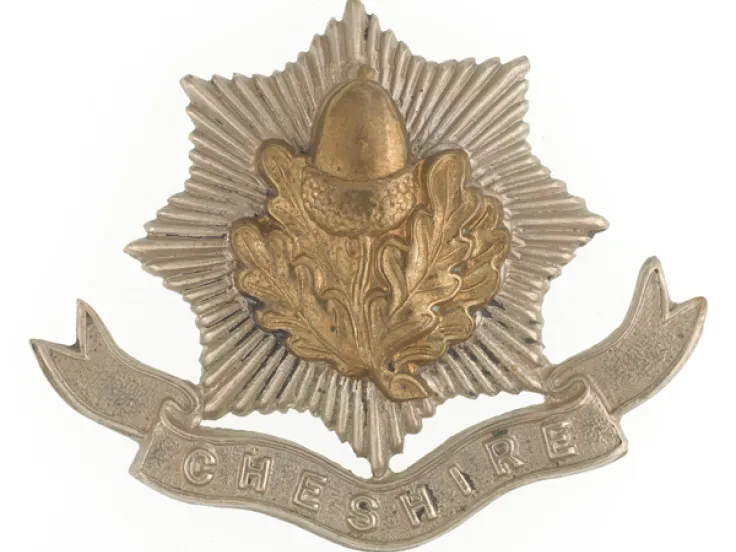
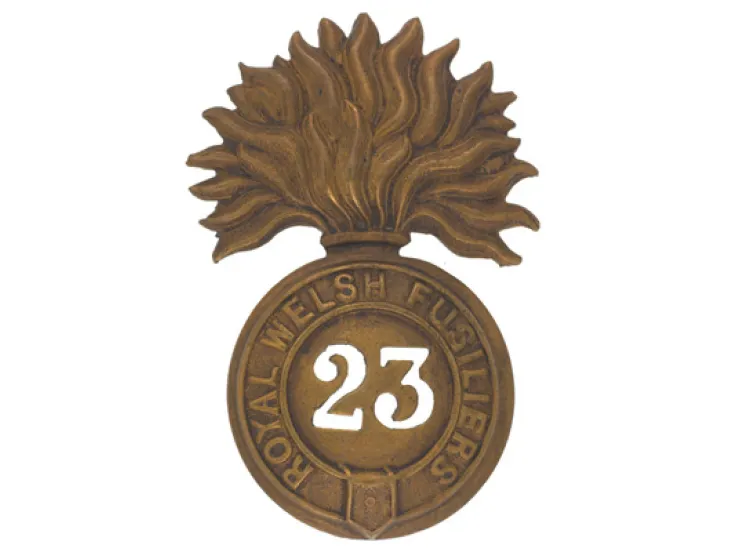
This infantry unit was formed in 1689 and primarily recruited in North Wales. Throughout its long history, it served in many British Army campaigns. In 2006, it was merged into The Royal Welsh.
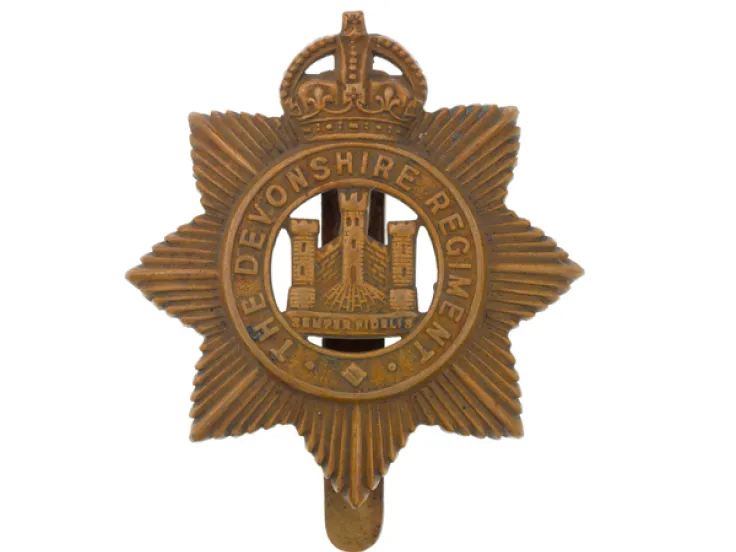
This infantry unit was raised in 1685 and subsequently served in many British Army campaigns during its long history. In 1958, it was amalgamated with The Dorset Regiment to form the Devonshire and Dorset Regiment.
This infantry unit was raised in 1685 and subsequently served in many British Army campaigns during its long history. In 1958, it was amalgamated with The Manchester Regiment to form The King’s Regiment (Manchester and Liverpool).
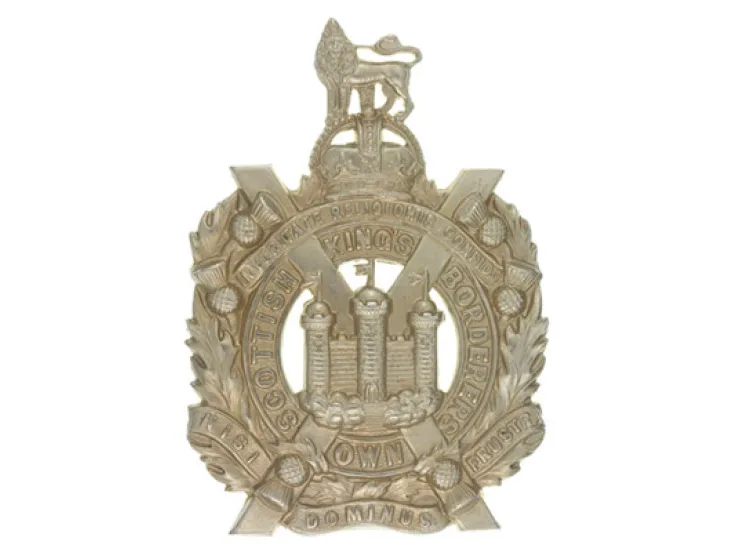
This infantry regiment was formed in 1689 and recruited in the south-east of Scotland. Its long service with the British Army continued until 2006, when it was merged into The Royal Regiment of Scotland.
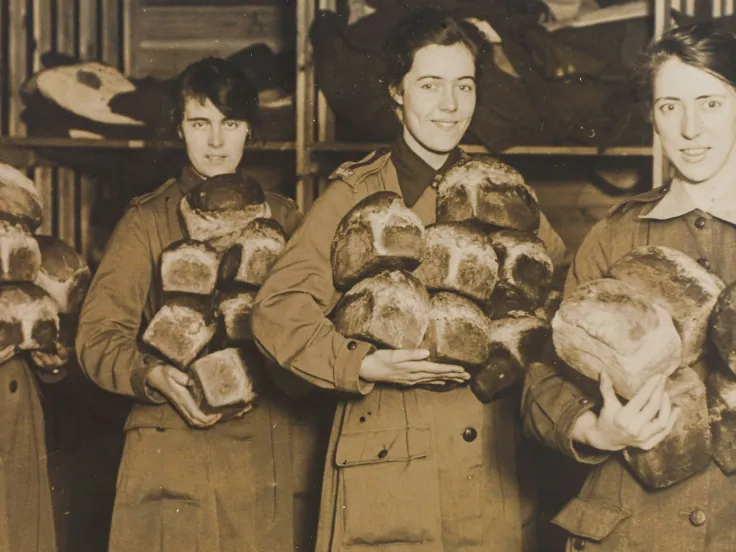
To be effective, an army relies on good and plentiful food, especially on campaign. British Army food has evolved through the ages, ranging from bully beef and biscuits to veggie curries.
This is the programme for the National Army Museum's two-day conference looking at alliances in the history of armed conflict from 1642 to the present day.