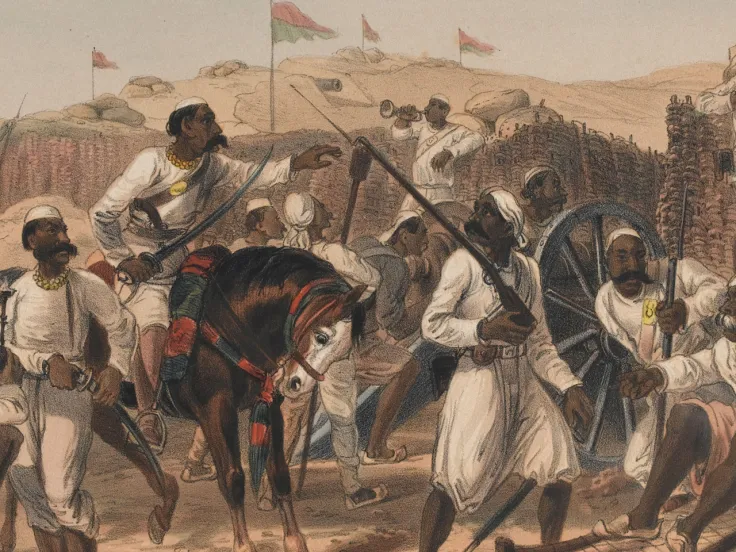
In 1857, Indian soldiers rose up against their British commanders. The reasons behind the rebellion stretch back to the very origins of British involvement in Indian affairs.
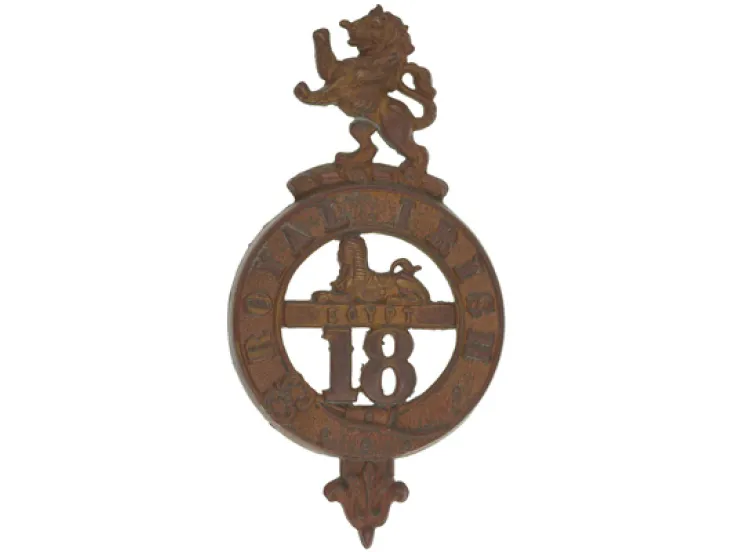
This infantry regiment was formed in 1684. After almost 250 years of service with the British Army, it was disbanded in 1922 on the establishment of the Irish Free State.
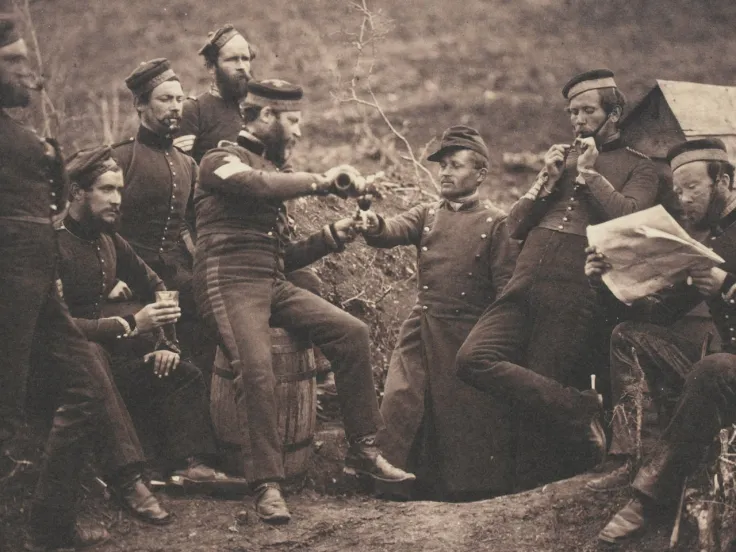
Today, the Army trains specialist photographers to capture its story. But the demand for images depicting soldiers' experiences is nothing new. Here we look at some of the earliest pioneers of military photography.
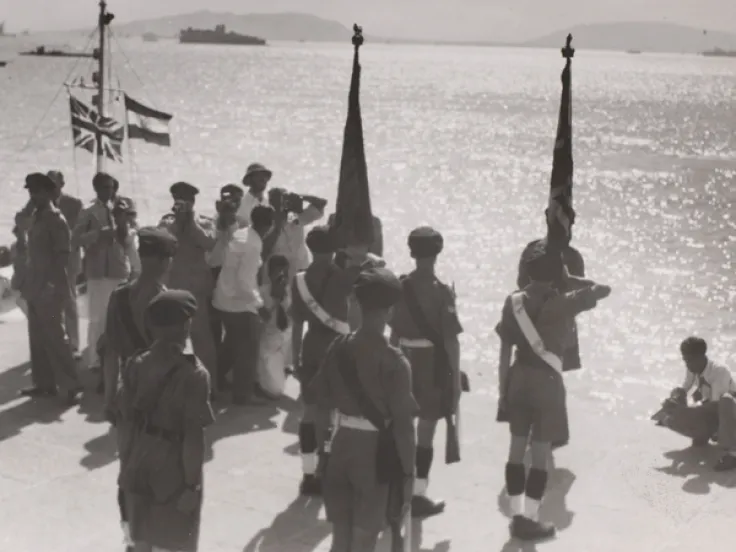
The birth of India and Pakistan as independent states in 1947 was a key moment in the history of Britain’s empire and its army. But the process of partition was attended by mass migration and ethnic violence that has left a bitter legacy to this day.
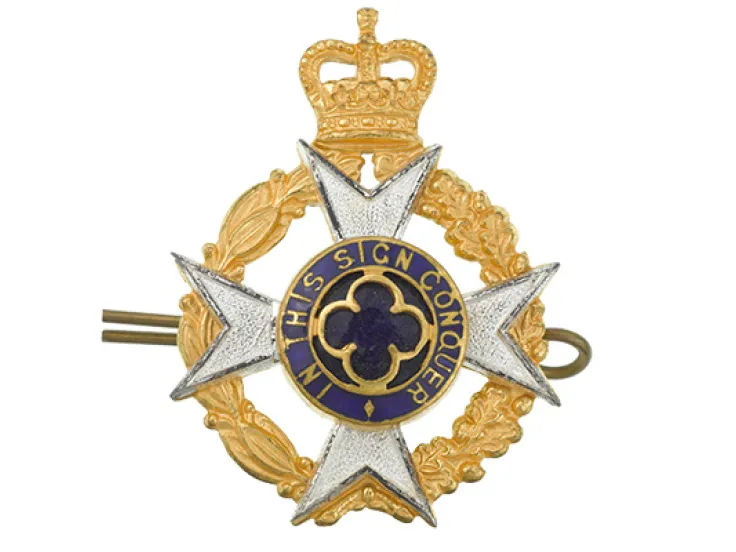
Formed in 1796, this corps provides religious and pastoral support to soldiers. Its officers, all ordained priests, have taken part in most British Army deployments.
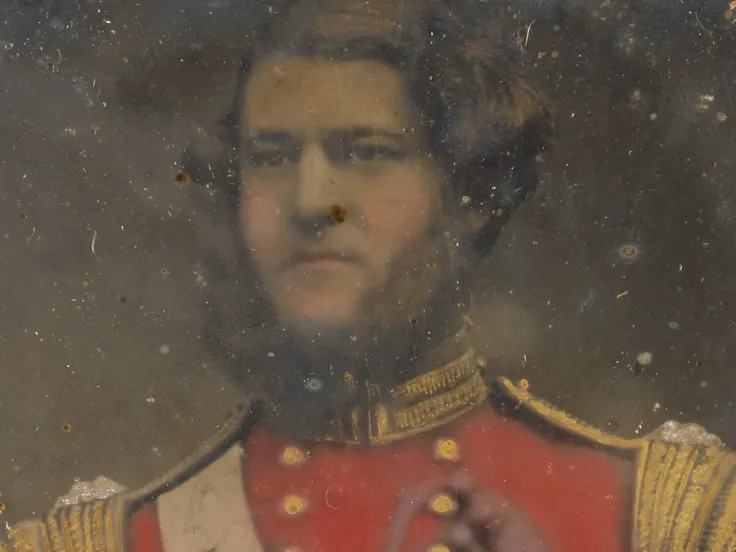
Queen Victoria’s reign coincided with the rapid development of photography. This new medium helped shape attitudes towards military heroism, imperial power and the British soldier.
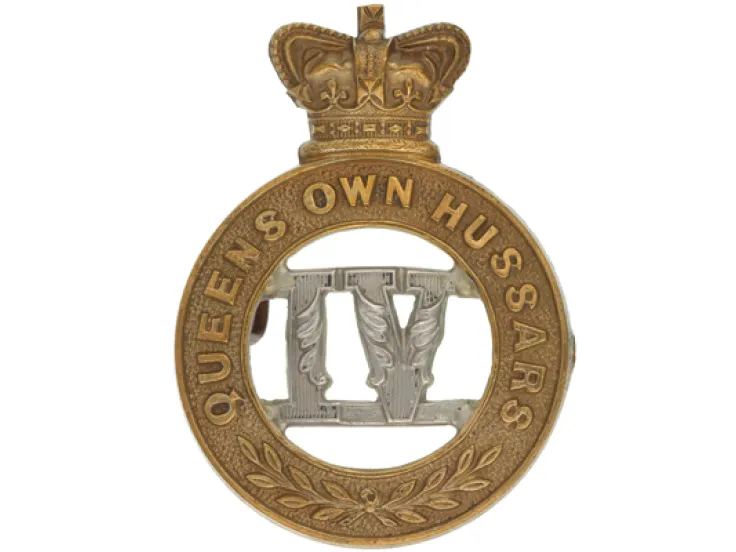
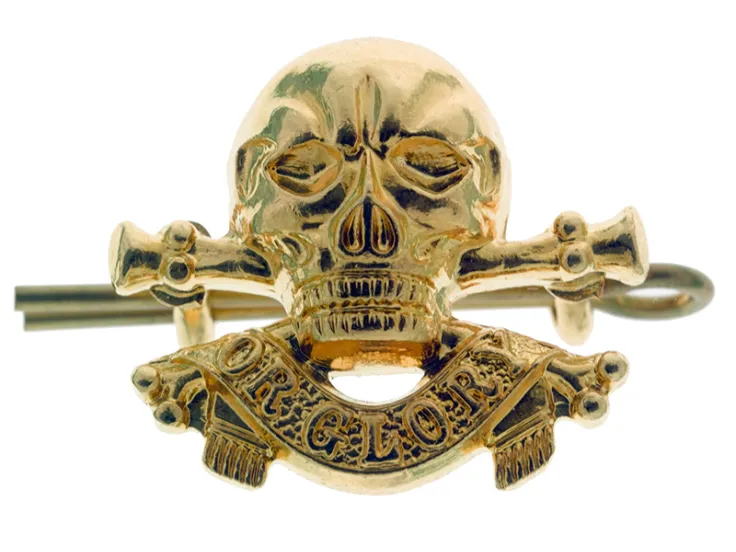
This British Army cavalry regiment was formed in 1685. It served in many campaigns until 1958, when it was merged into The Queen’s Royal Irish Hussars.
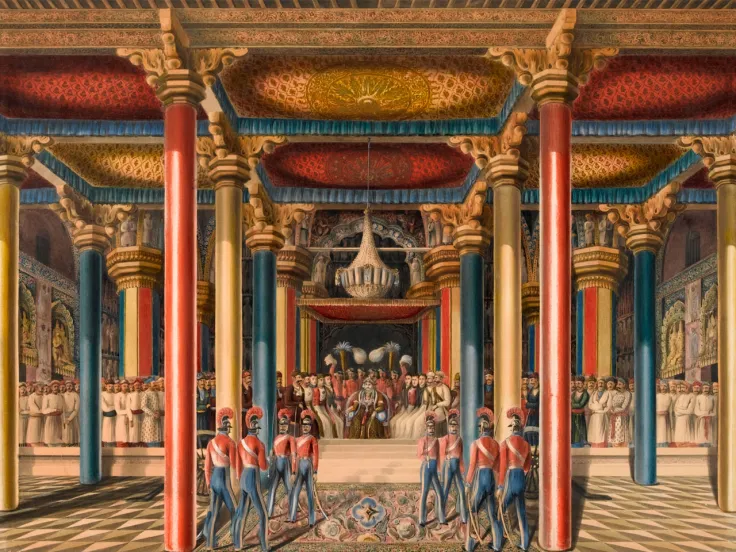
Artworks created by Indian artists for the British soldiers serving on the subcontinent provide a fascinating insight into early Anglo-Indian relations.
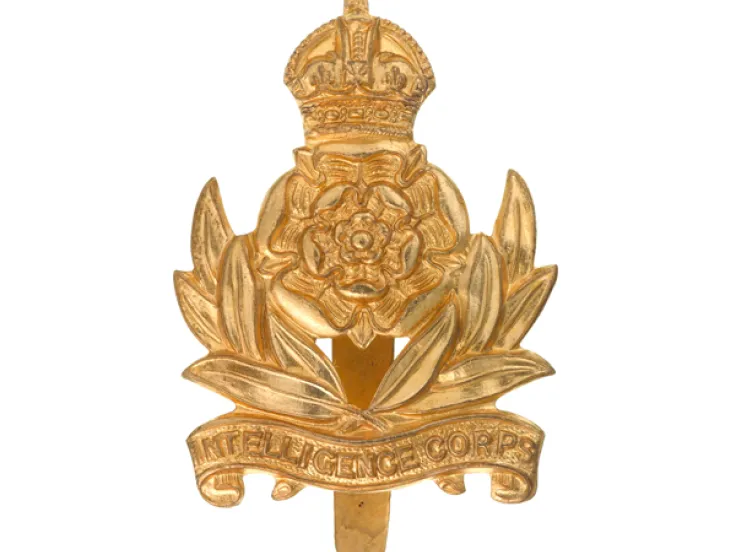
This British Army unit was originally formed in 1914. It is responsible for collecting, analysing and disseminating military intelligence and also for counter-intelligence and security.
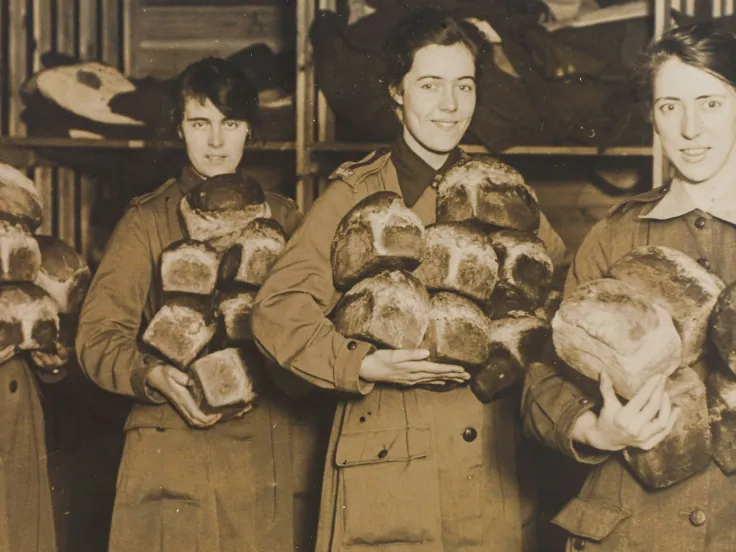
To be effective, an army relies on good and plentiful food, especially on campaign. British Army food has evolved through the ages, ranging from bully beef and biscuits to veggie curries.
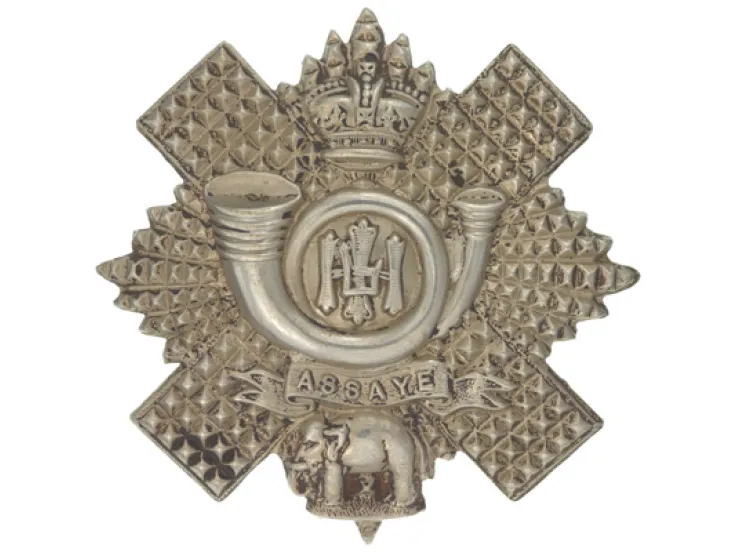
This infantry regiment was formed in 1881 and drew its recruits mainly from Glasgow and the Scottish Lowlands. It merged with The Royal Scots Fusiliers in 1959 to become The Royal Highland Fusiliers.