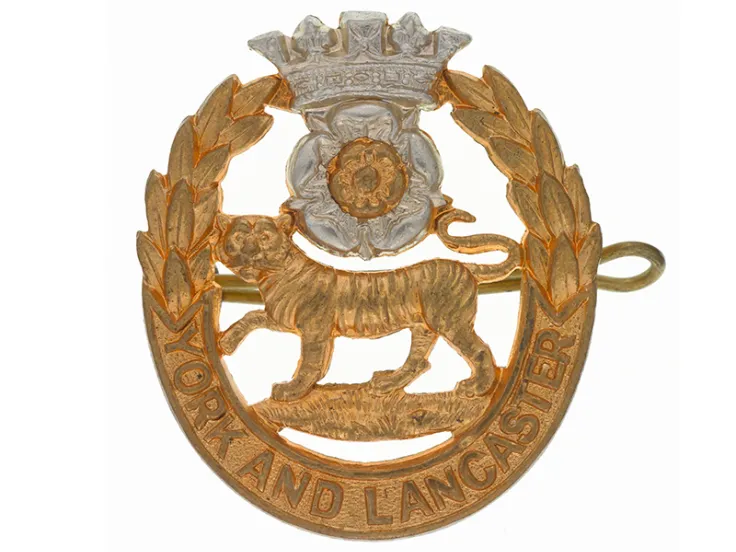
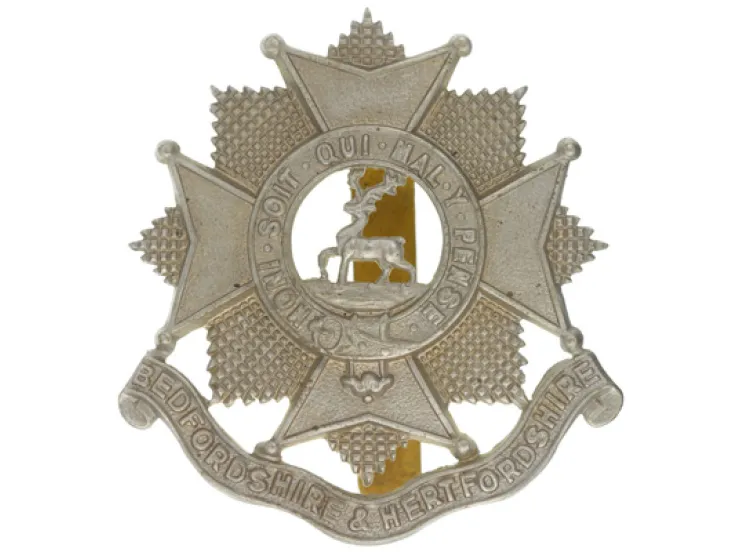
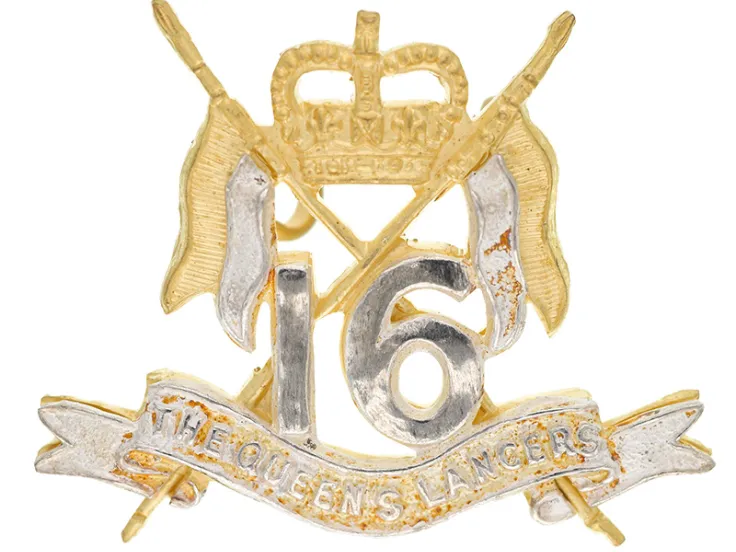
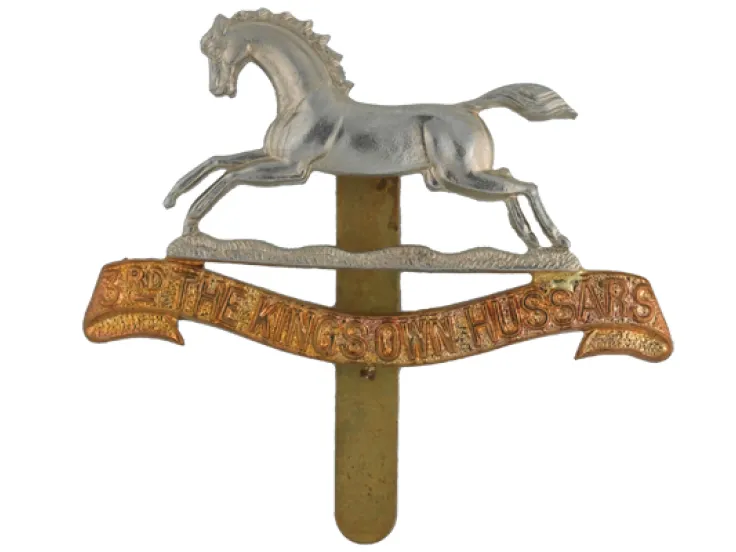
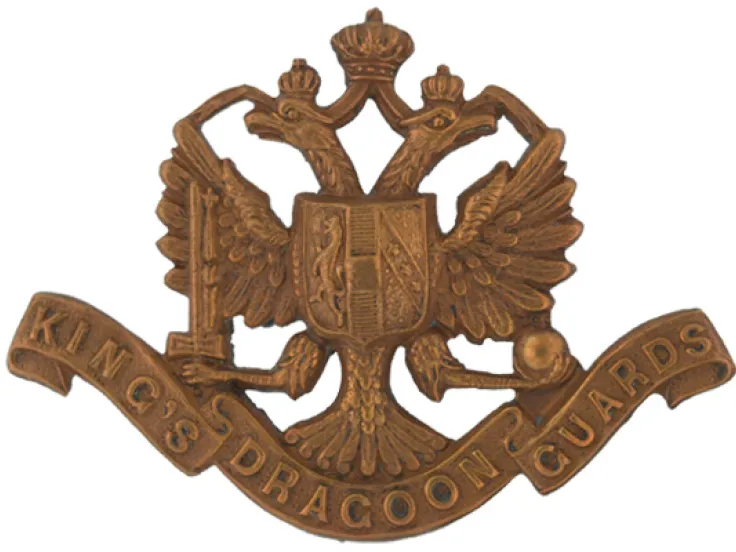
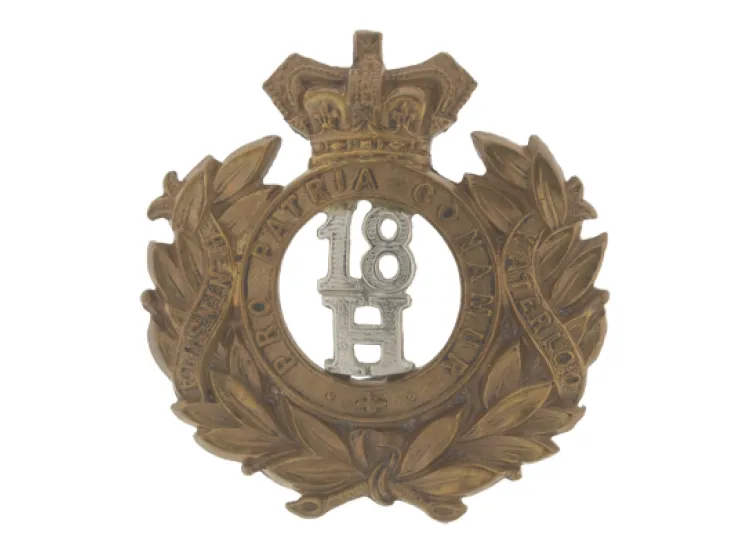
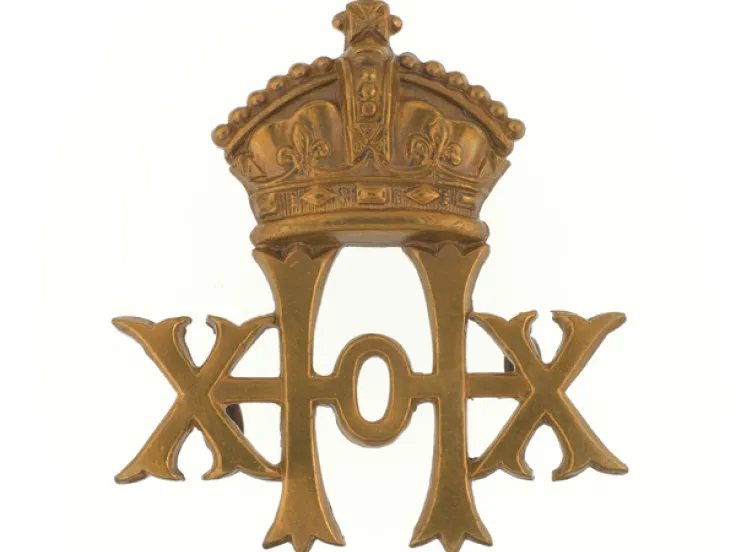
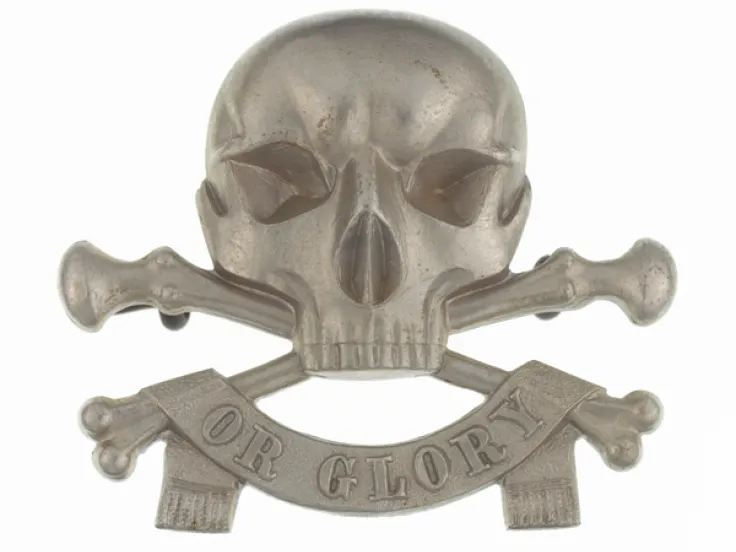
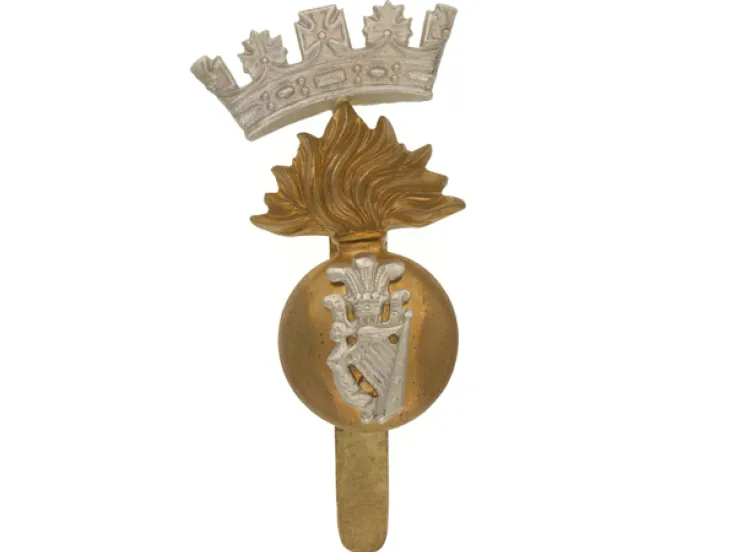
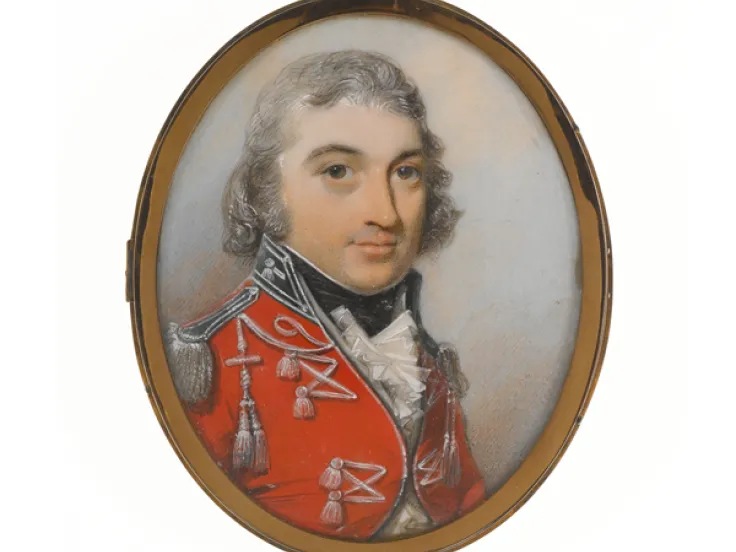
This infantry regiment was formed during the 1881 Army reforms. It continued in service until 1968, when it chose to disband rather than be amalgamated.
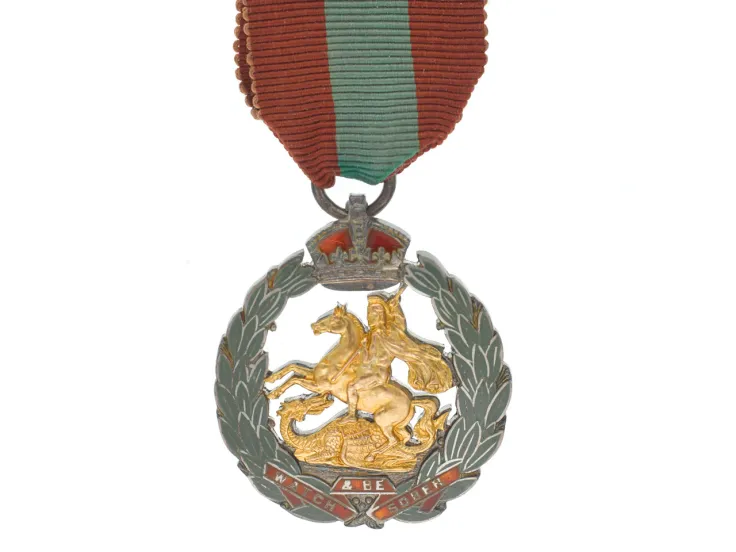
This collection of Army temperance medals demonstrates the efforts made by officers and soldiers in the 19th and early 20th centuries to resist the temptation, and avoid the perils, of the demon drink.
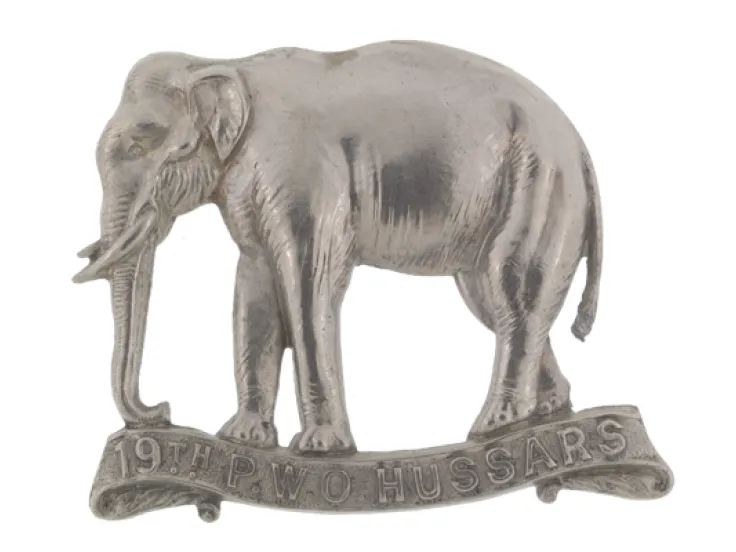
This cavalry regiment was raised as an East India Company unit in 1858. It soon transferred to British Army service and existed until 1922, when it was merged into the 15th/19th The King's Royal Hussars.
This armoured regiment was formed in 1922 by merging two cavalry units. It fought in several campaigns until 1993, when it became part of The Queen’s Royal Lancers.
This cavalry regiment was formed in 1685. It went on to serve in many British Army campaigns until 1958, when it became part of The Queen’s Own Hussars.
This unit was the senior line cavalry regiment of the British Army. Formed in 1685, it had a long and distinguished history until 1959, when it was merged into the 1st The Queen's Dragoon Guards.
This cavalry unit was raised in 1858, but inherited the traditions of an earlier regiment. It served until 1922, when it merged with the 13th Hussars to form the 13th/18th Royal Hussars (Queen Mary's Own).
This cavalry regiment was raised as an East India Company unit in 1858. It soon transferred to British Army service and existed until 1922, when it was merged into the 14th/20th Hussars.
This infantry unit was formed in 1881 and recruited in the Irish province of Ulster. It continued in British Army service until 1968, when it was merged into The Royal Irish Rangers.
Recent research on the Museum's collection of portrait miniatures has revealed new information about artists and untold stories about some of the subjects they portrayed.