Global Role

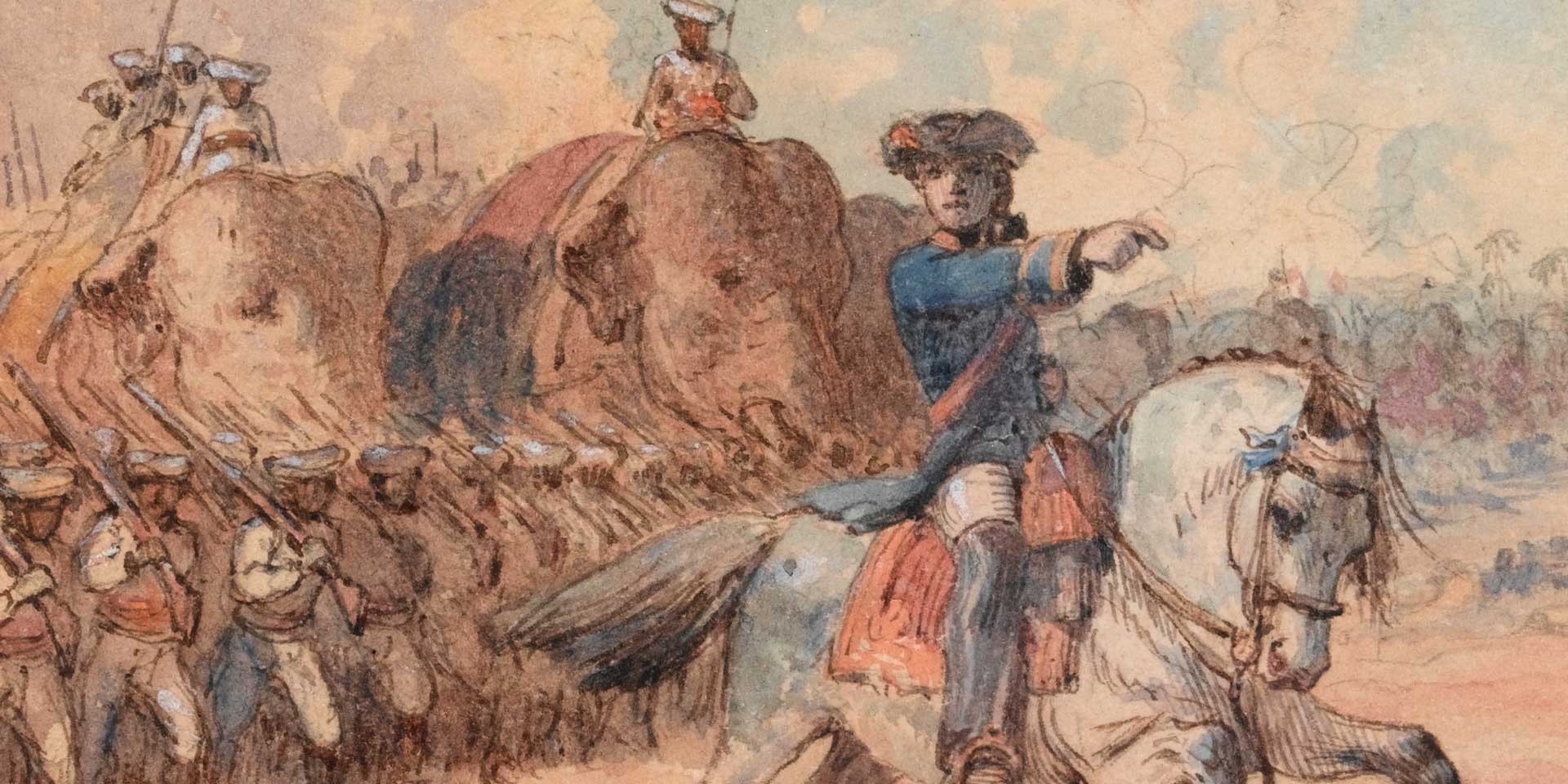
Lieutenant Colonel Robert Clive at Plassey, 1757

Battle of Plassey

Robert Clive's victory at Plassey on 23 June 1757 led to the British becoming the greatest economic and military power in India.

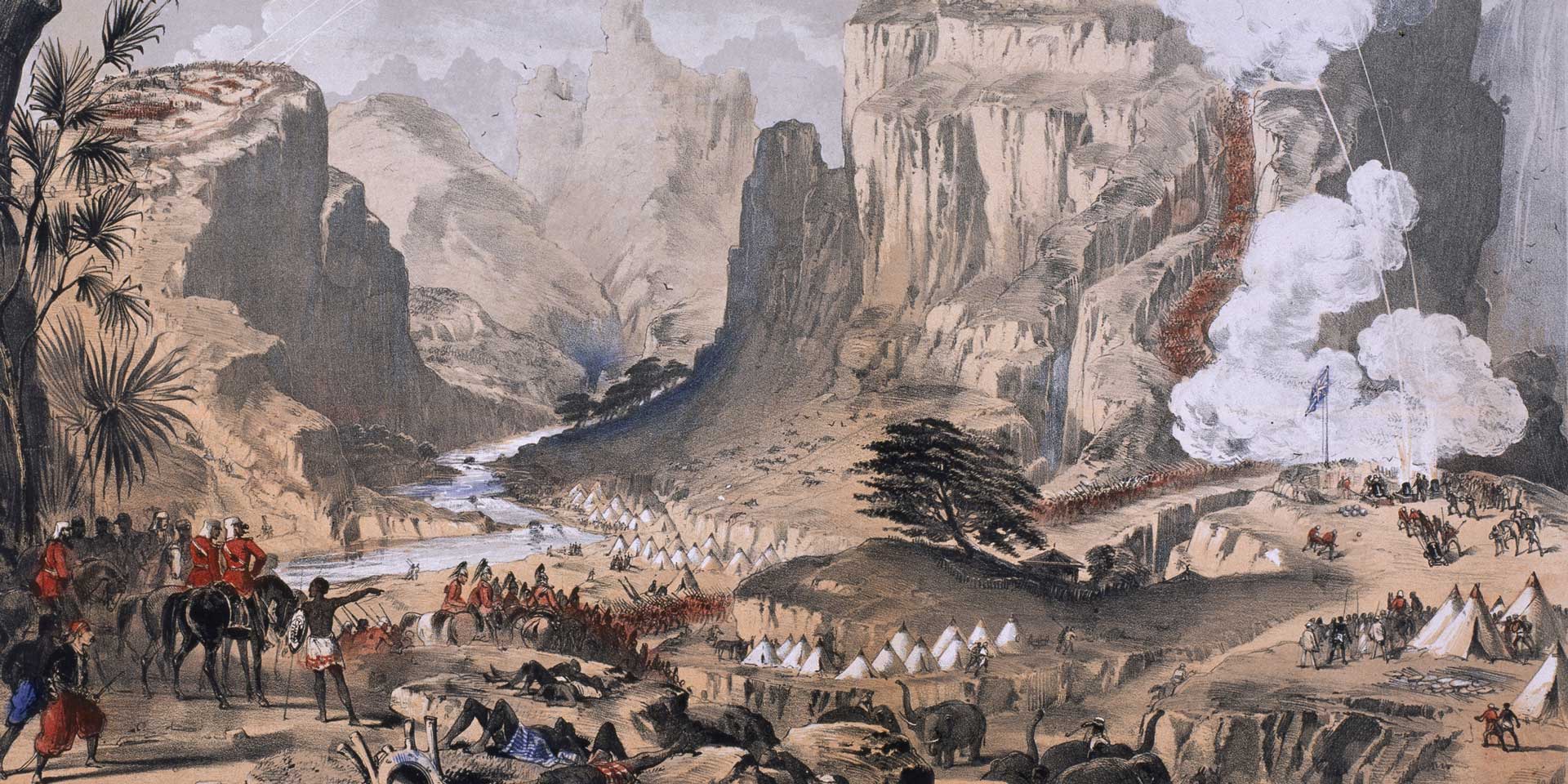
The storming of Magdala, 1868

Abyssinia Expedition

The 1868 expedition to Abyssinia (now Ethiopia) was one of the most ambitious and expensive military campaigns ever undertaken by the British Army.

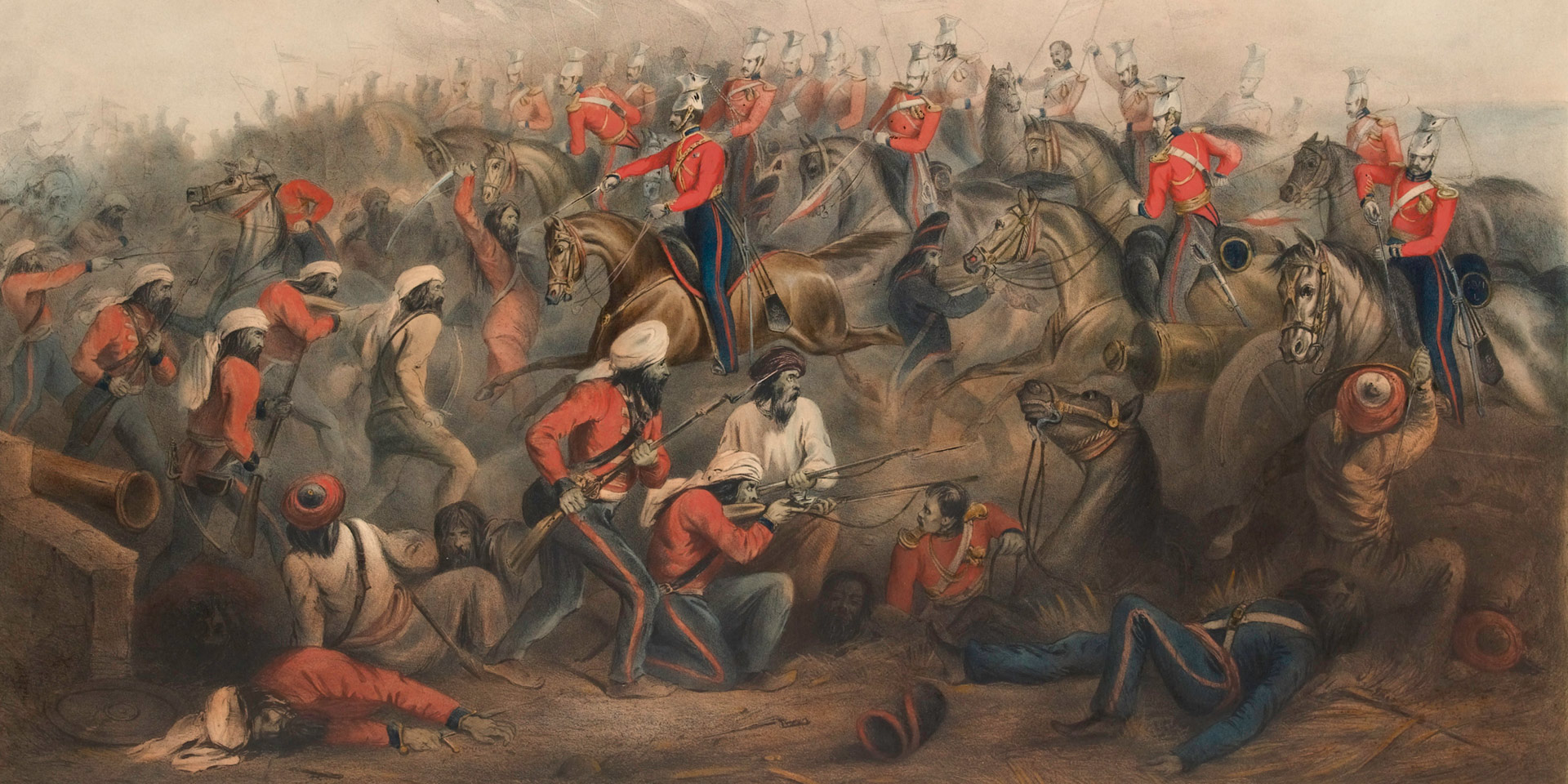
Battle of Aliwal, 1846

Battle of Aliwal

This battle was fought on 28 January 1846 during the First Sikh War. A British-Indian force took on the Sikh army of the Punjab. It ended in a decisive British victory and is seen by some as a ‘near perfect battle’.

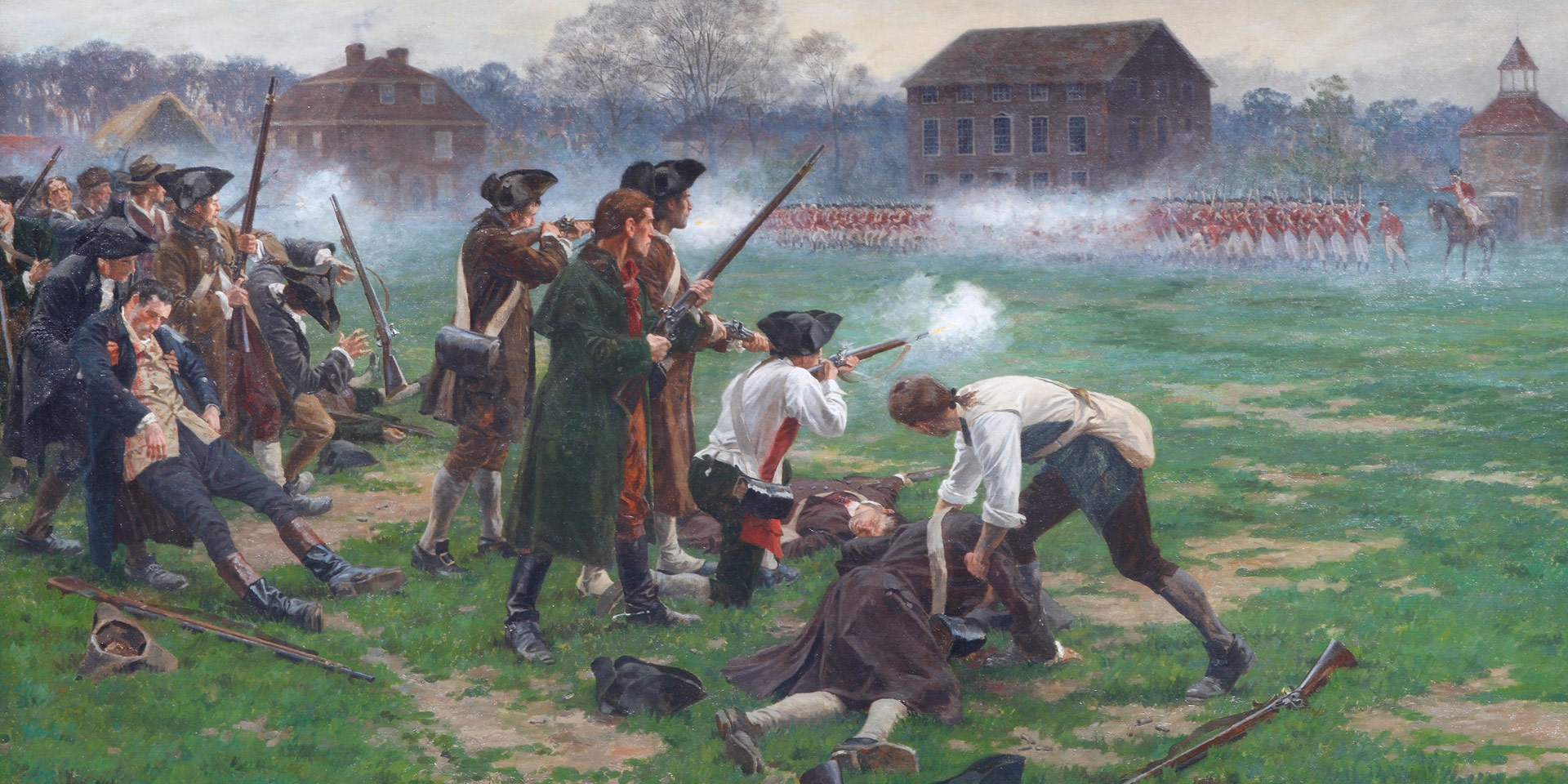
Battle of Lexington, 1775

Battles of Lexington and Concord

The Battles of Lexington and Concord on 19 April 1775, the famous ‘shot heard ‘round the world’, marked the start of the American War of Independence.

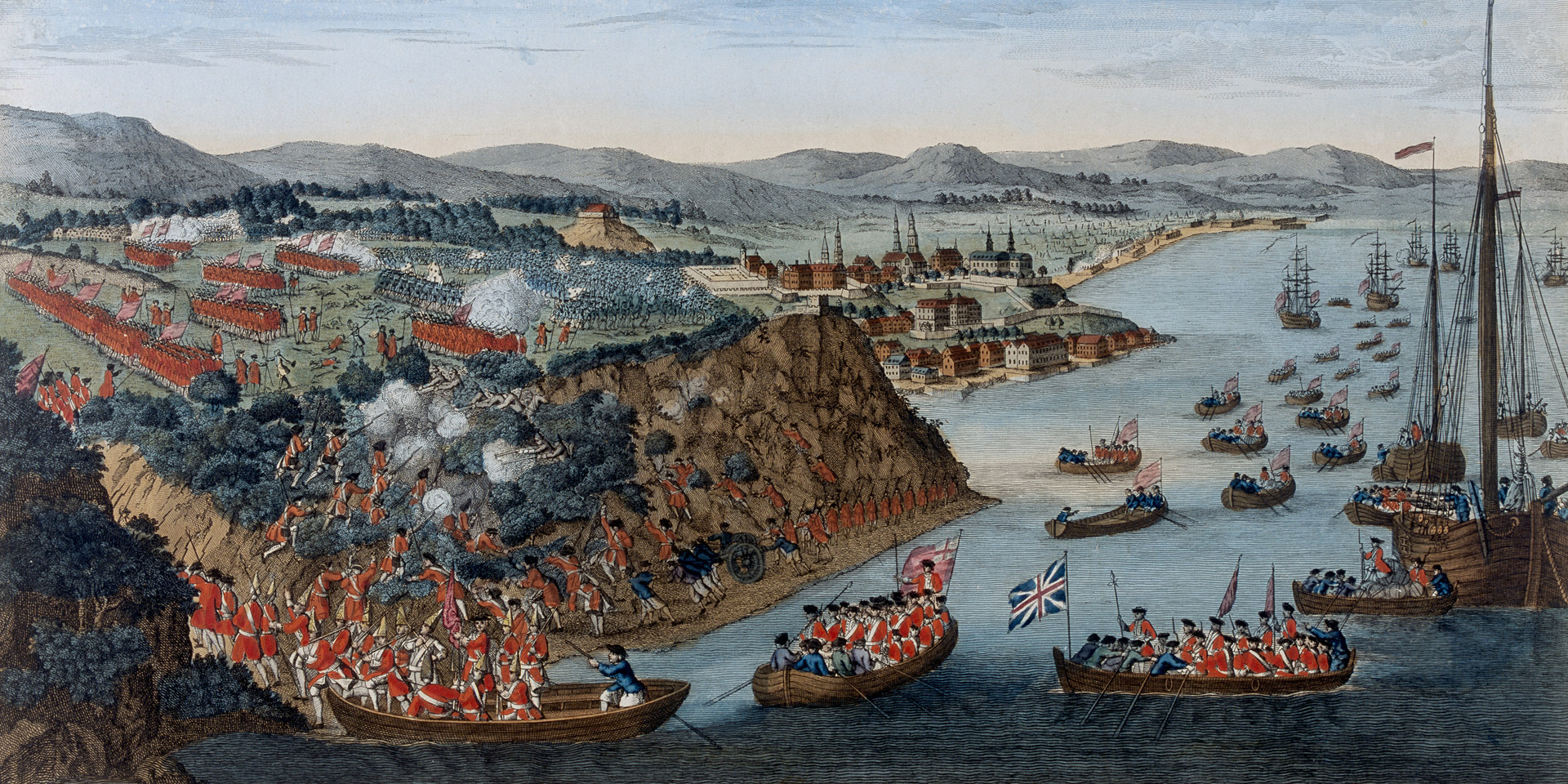
The landing at Quebec, 1759

Battle of Quebec

The Battle of Quebec in 1759 was one of Britain's greatest victories of the Seven Years War (1756-63). Major-General James Wolfe’s triumph ultimately led to the British conquest of Canada.

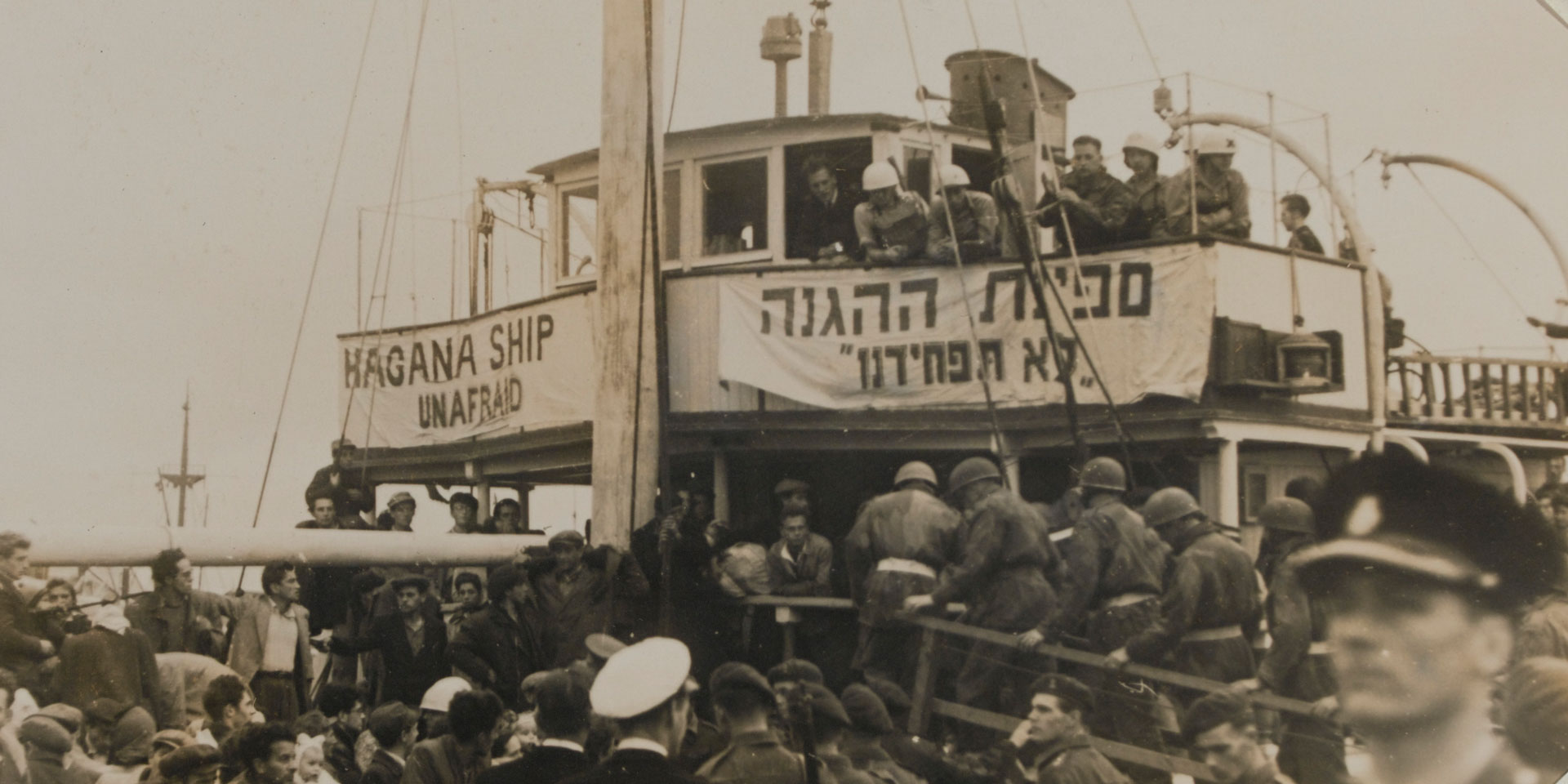
A Jewish refugee ship in Palestine, 1947

The British Army in Palestine

In the aftermath of the Second World War (1939-45), the British Army in Palestine confronted an escalating conflict between two rival nationalist movements – Jewish and Arab.

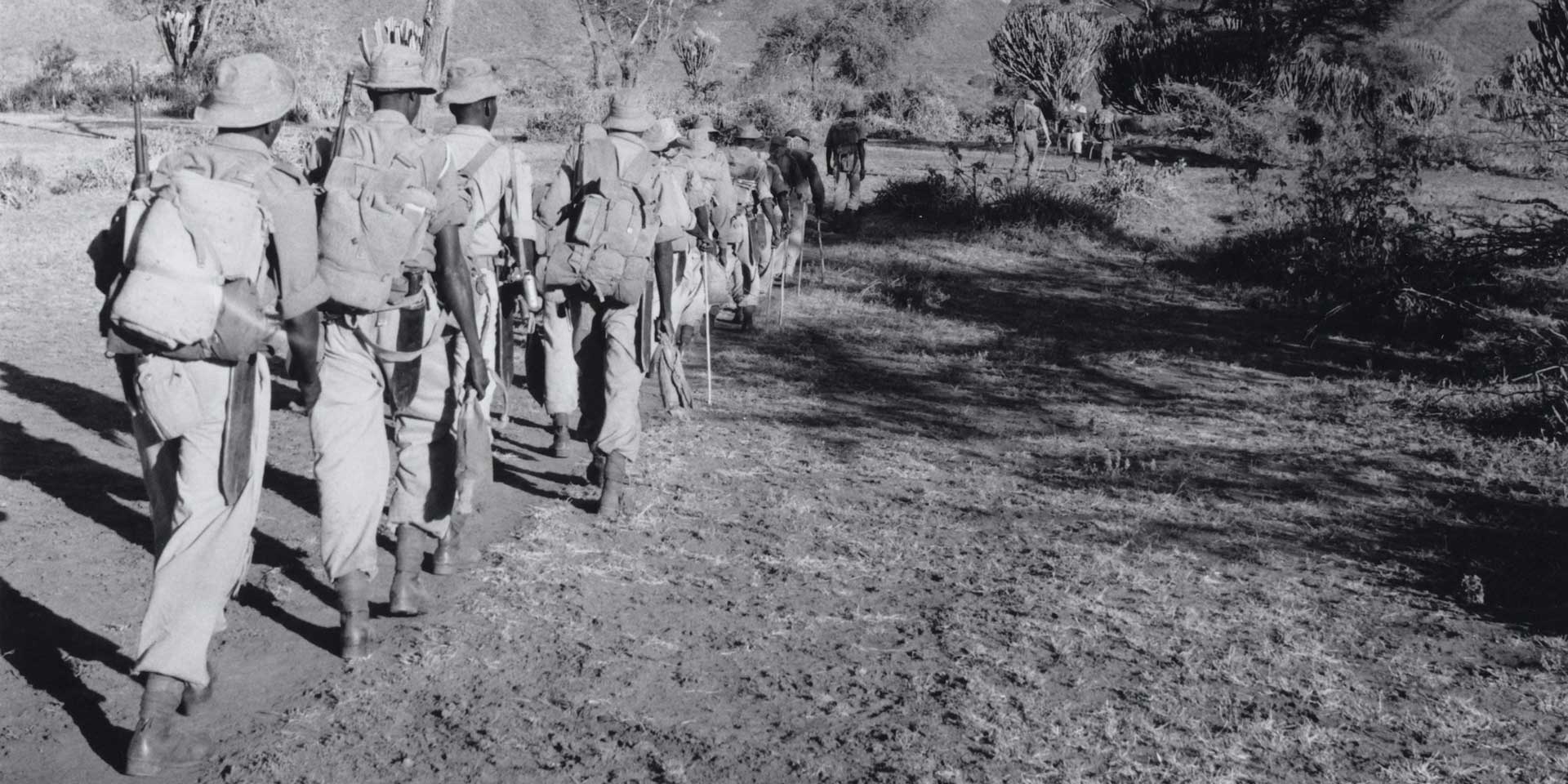
On patrol during the Kenya Emergency, c1955

Kenya Emergency

The Kenya Emergency, or Mau Mau Revolt, was one of the British Army's bloodiest and most controversial post-war conflicts.

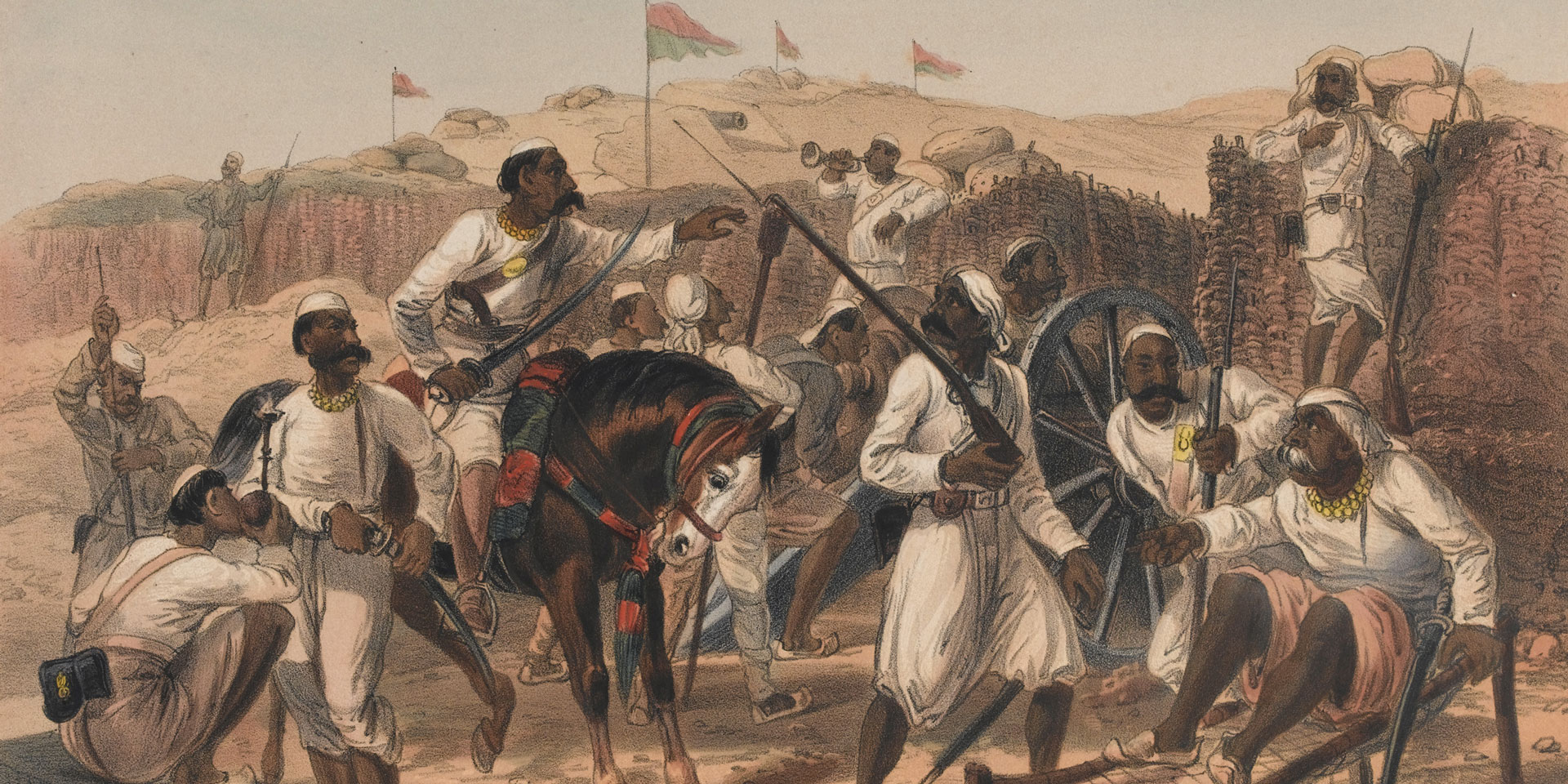
Rebel sepoys, 1857

Why did the Indian Rebellion happen?

In 1857, Indian soldiers rose up against their British commanders. The reasons behind the rebellion stretch back to the very origins of British involvement in Indian affairs.

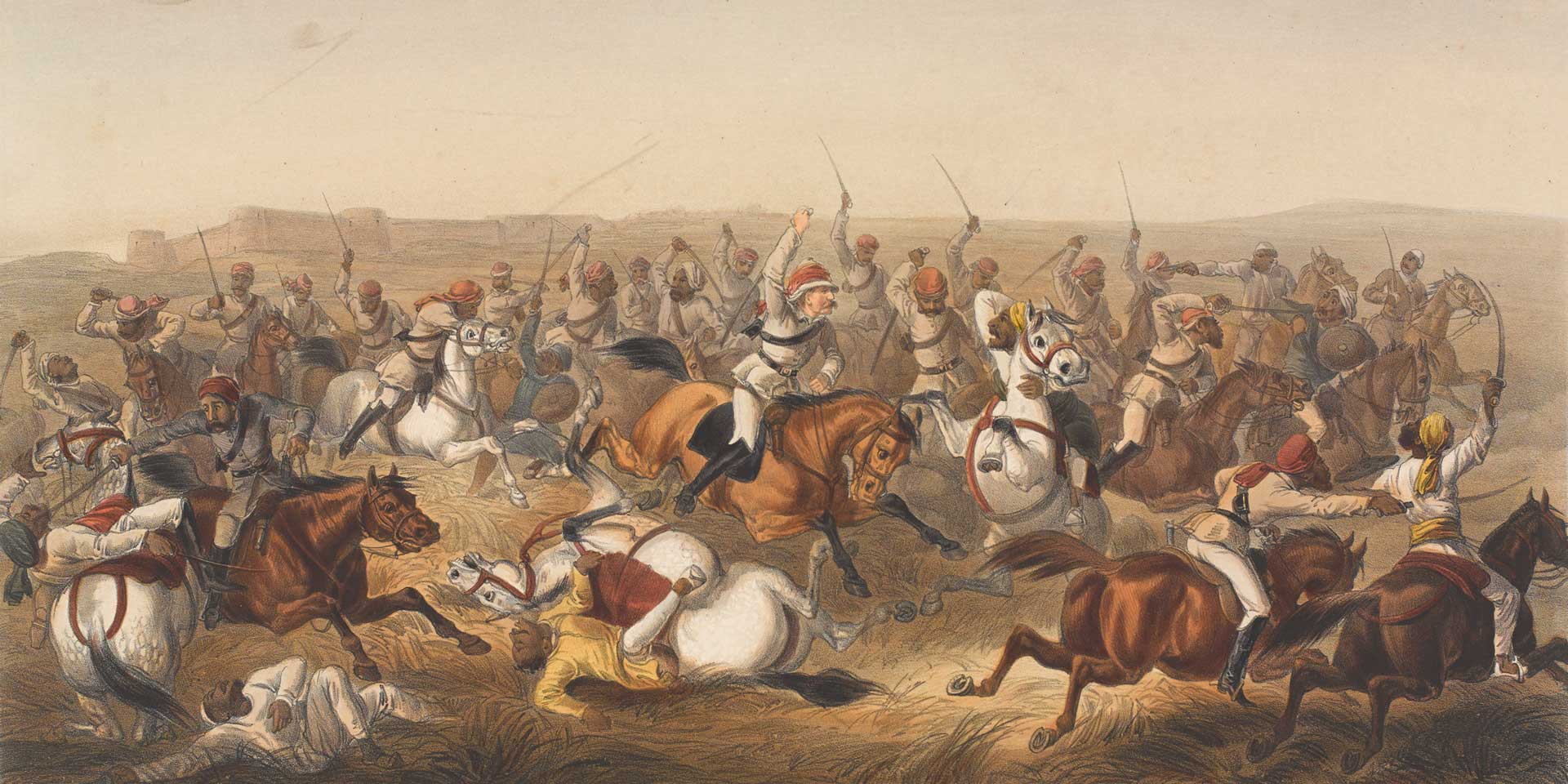
Hudson's Horse at Rhotuck, 1857

Decisive events of the Indian Rebellion

The rebellion that broke out in 1857 was the biggest threat to Britain's colonial power during its rule of the Indian subcontinent.

Storming of Amoy, 1841

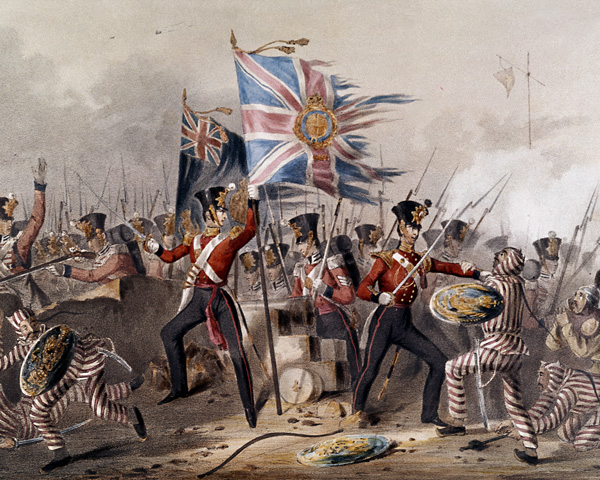
First China War

Between 1839 and 1842, British-Indian forces fought a war with Imperial China that served the interests of opium smugglers. Their resulting victory opened up the lucrative Chinese trade to British merchants.

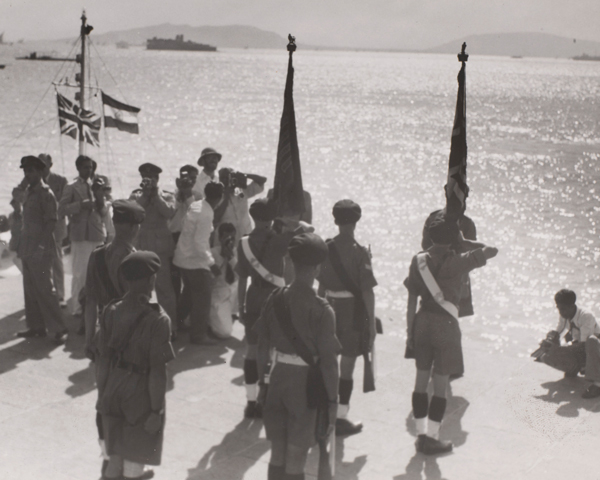
The last British troops to leave India, 1948

Independence and Partition, 1947

The birth of India and Pakistan as independent states in 1947 was a key moment in the history of Britain’s empire and its army. But the process of partition was attended by mass migration and ethnic violence that has left a bitter legacy to this day.

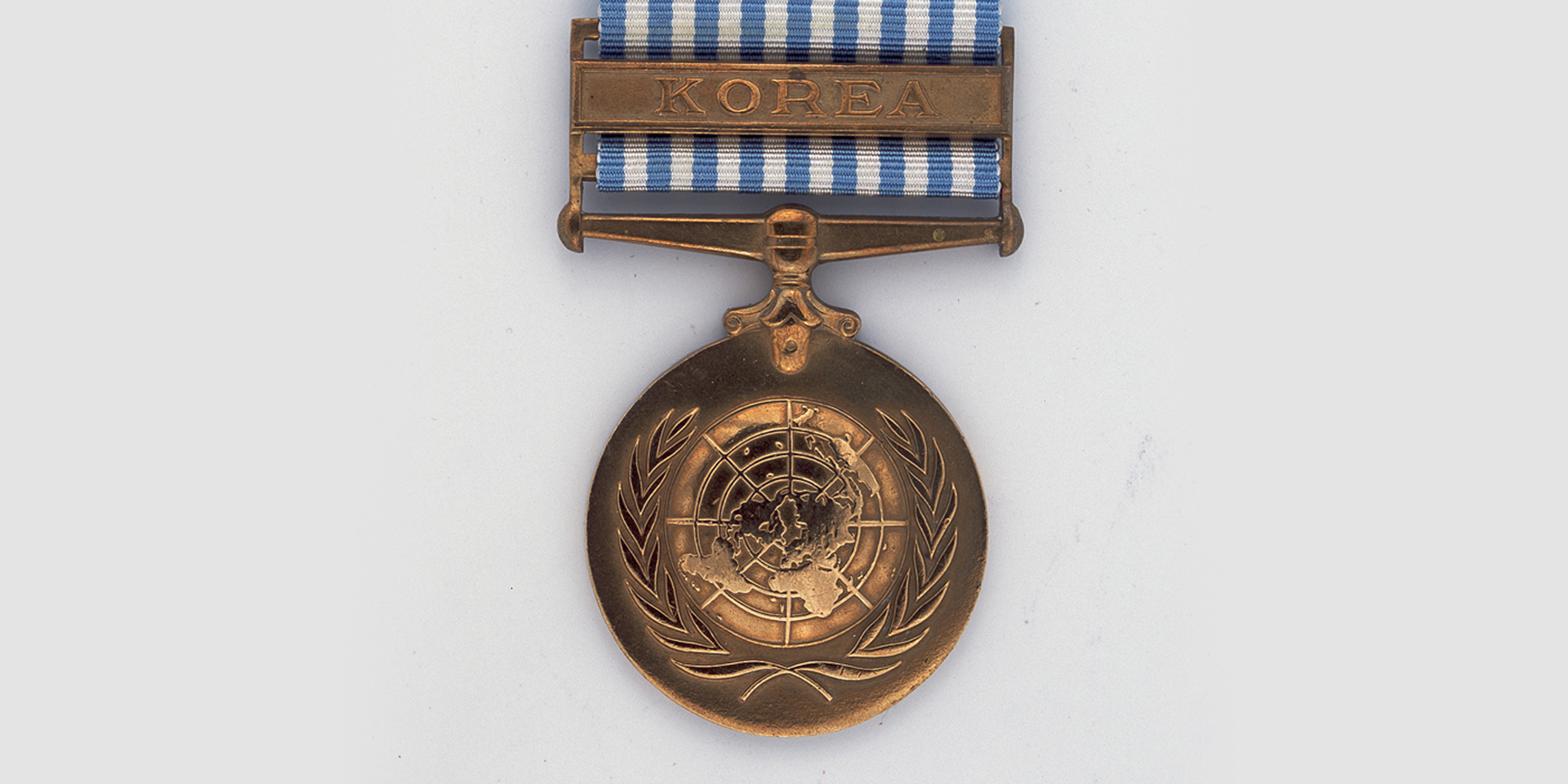
United Nations Korean War Medal

Korean War

In 1950, the Cold War heated up significantly with the outbreak of conflict in Korea. This three-year struggle left millions dead, and its legacy remains of huge global consequence today.

Explore Global Role events

A private of the 8th West India Regiment, c1803
Talk
29 May 2026 FREE

Mutiny, Desertion and Negotiation in the West India Regiments

Isaac Crichlow analyses court martial records from the French Revolutionary and Napoleonic Wars to reveal the experiences of soldiers in the West India Regiments.

Explore Global Role learning resources

Army and Empire: Gallery Trail
Trail

Army and Empire: Gallery Trail

Follow this gallery trail to find out more about the Army’s role in the British Empire.