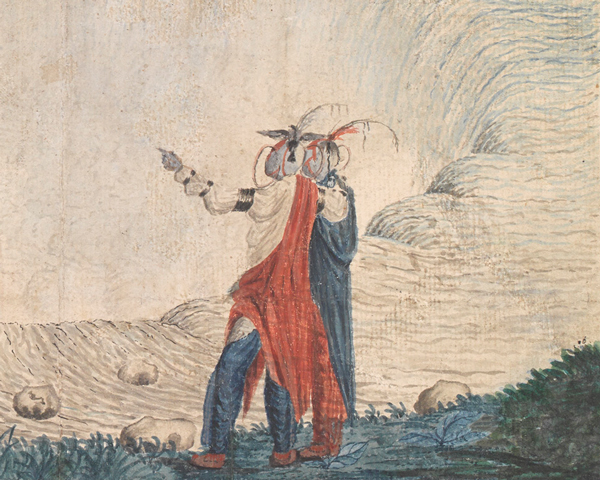
Thomas Davies' watercolour, ‘An East View of the Great Cataract of Niagara’ (1762), documents the struggle for control of North America and illuminates the history of British exploration and science.
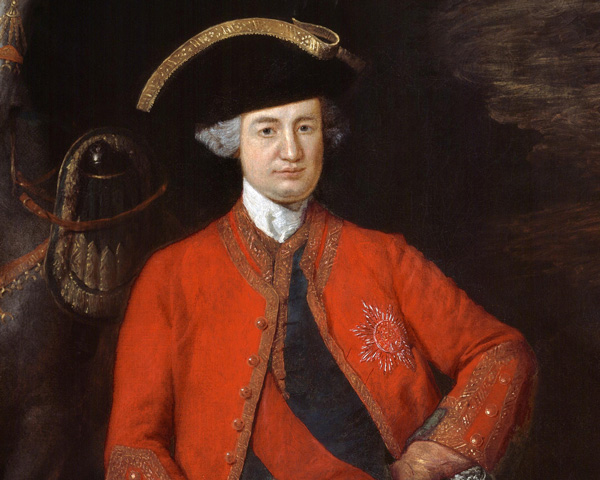
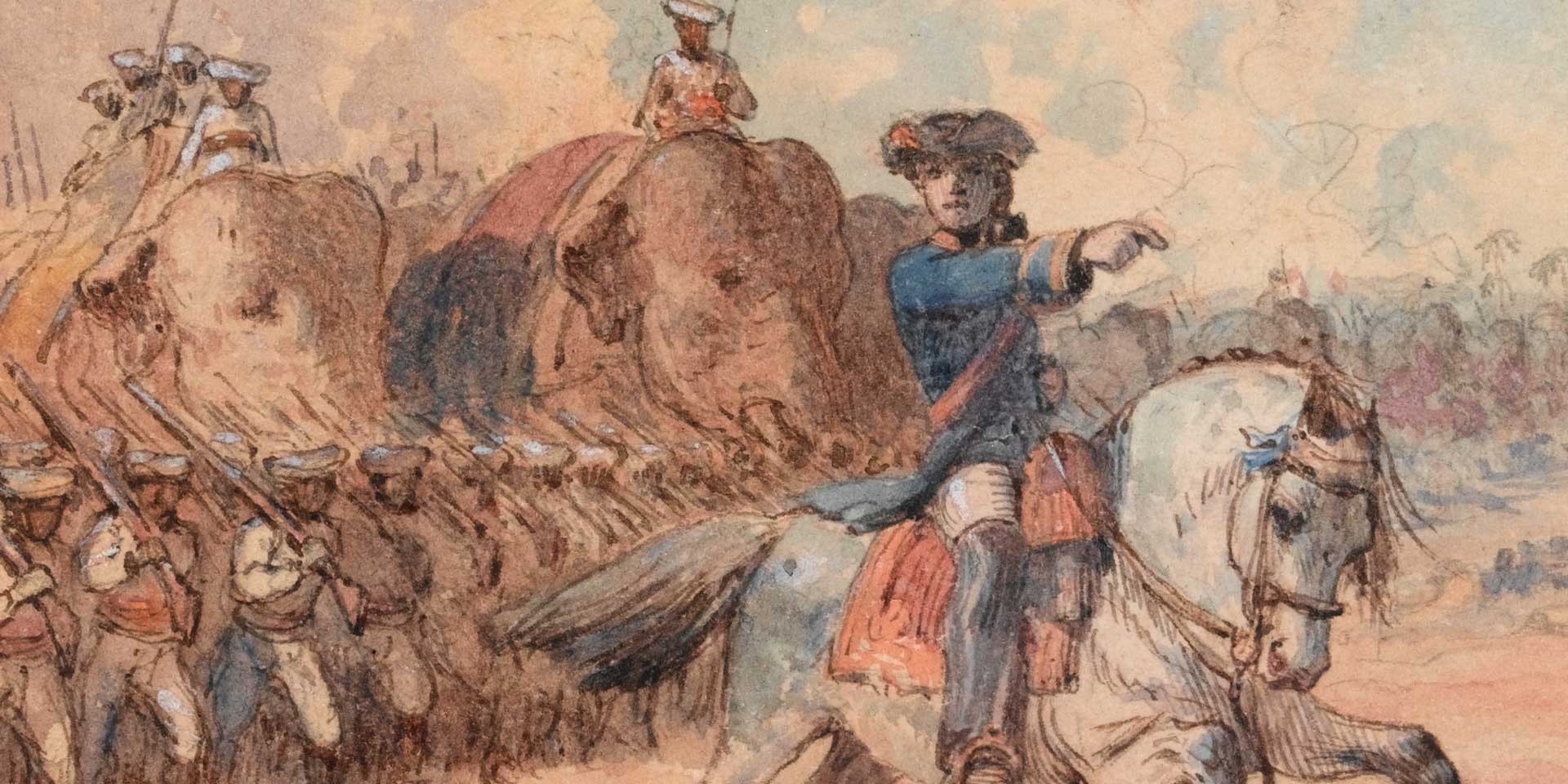
A courageous, resourceful and ruthless military commander, Major-General Robert Clive helped secure India for Britain. But he was also seen as a greedy speculator who used his political and military influence to amass a fortune.
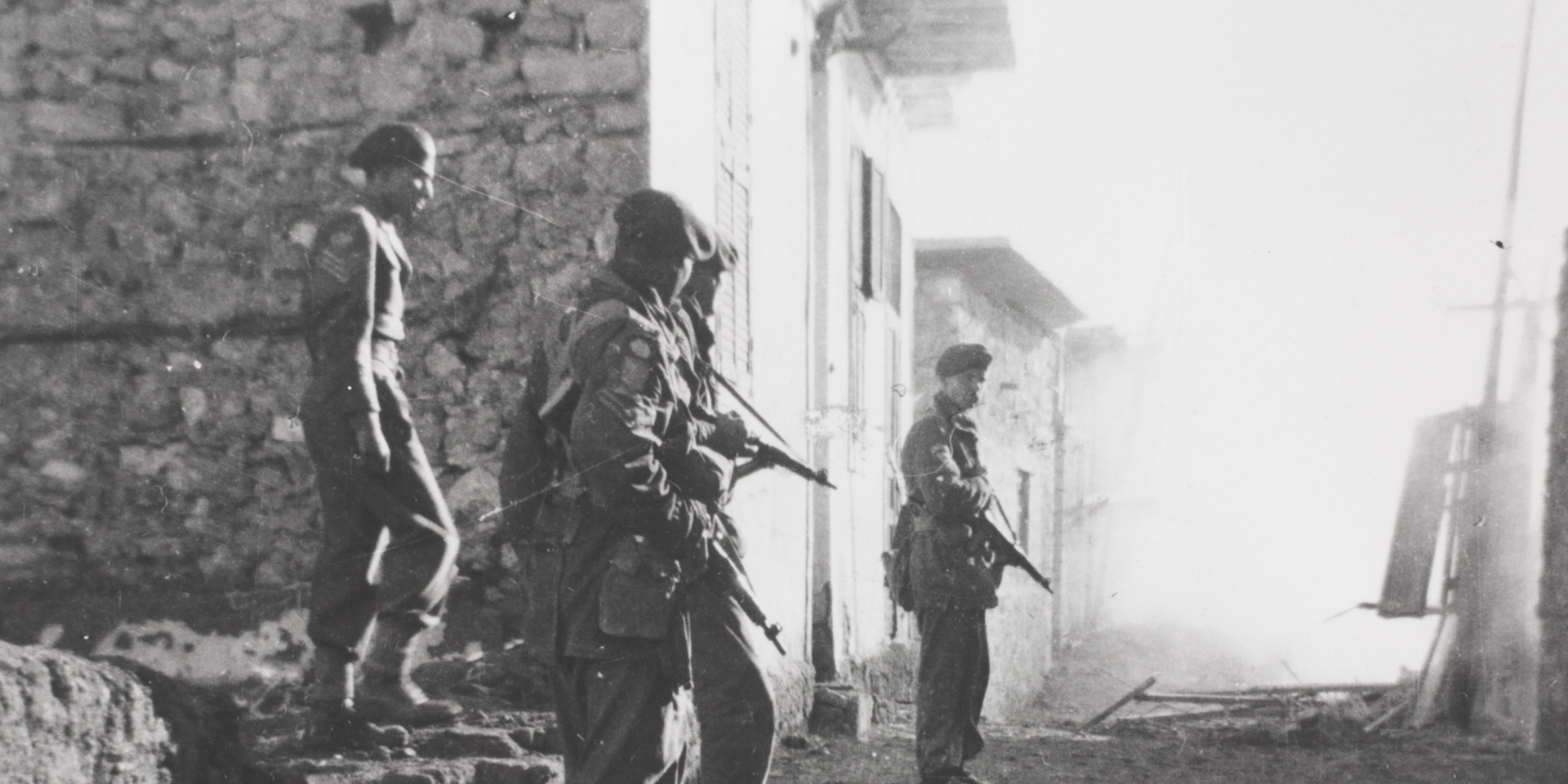
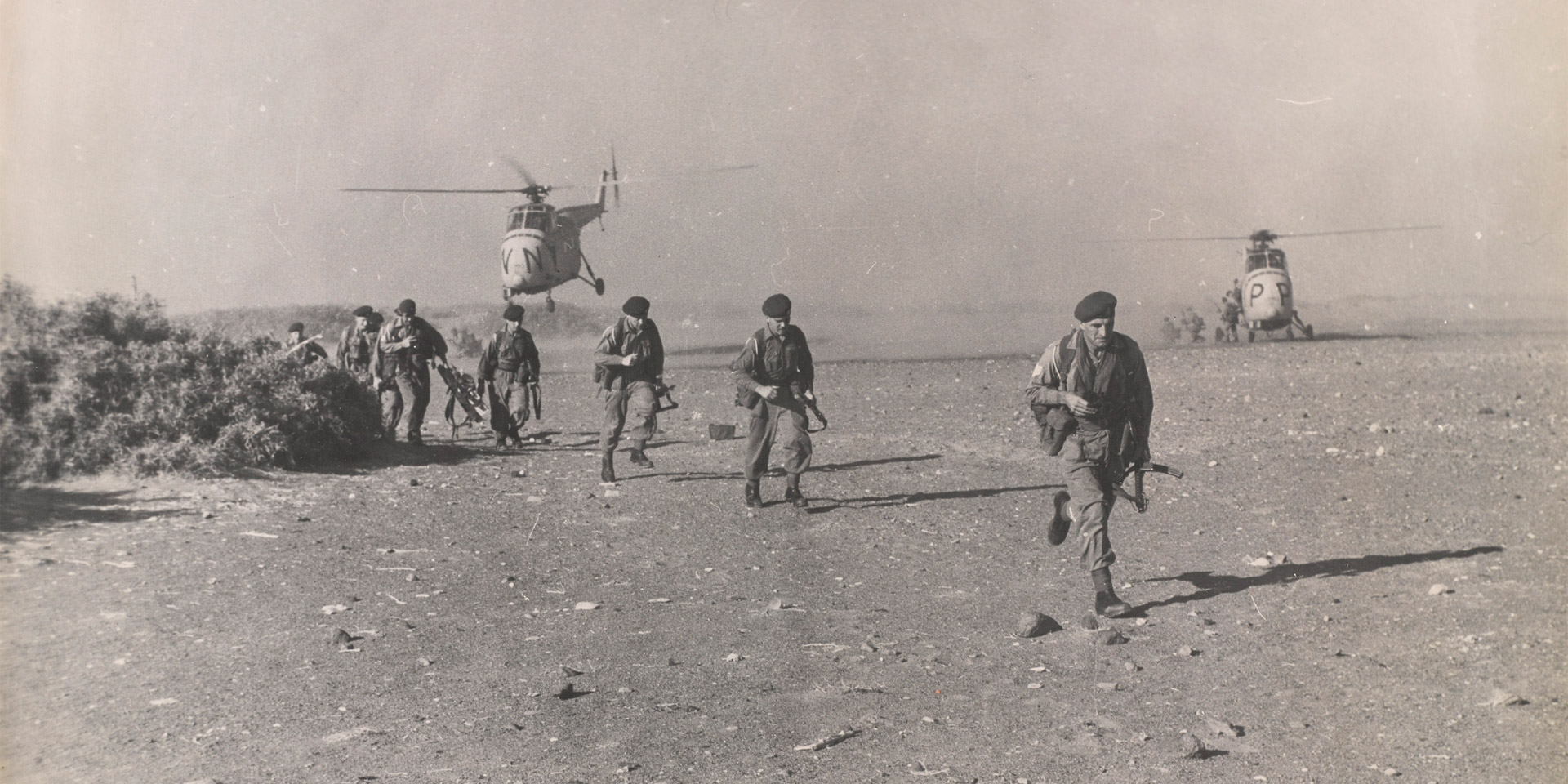
Between 1945 and 1956, British soldiers garrisoned bases on the Suez Canal in Egypt. A harsh climate, disease and attacks by local nationalists made Suez one of the most unpopular Army postings.
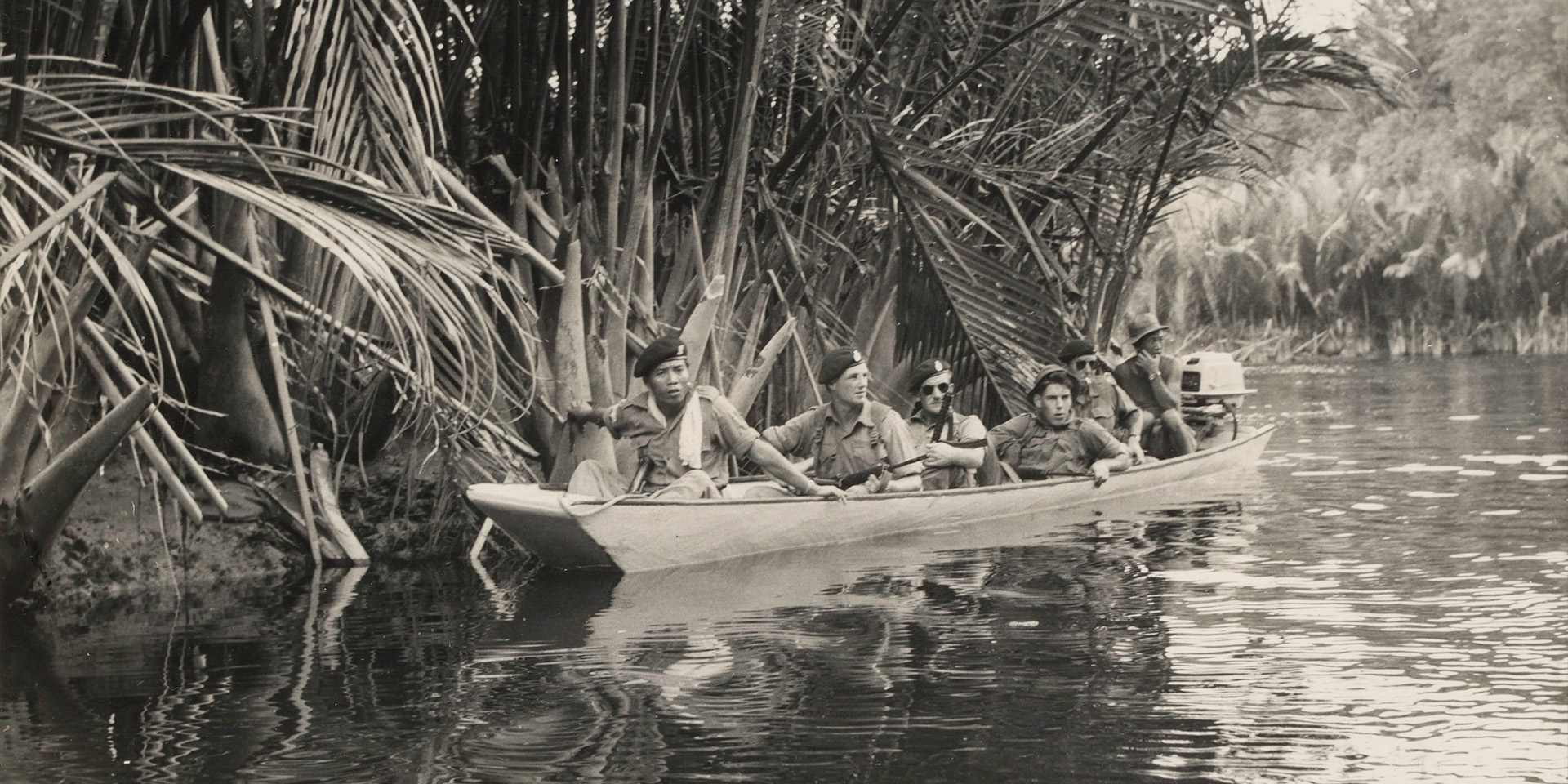
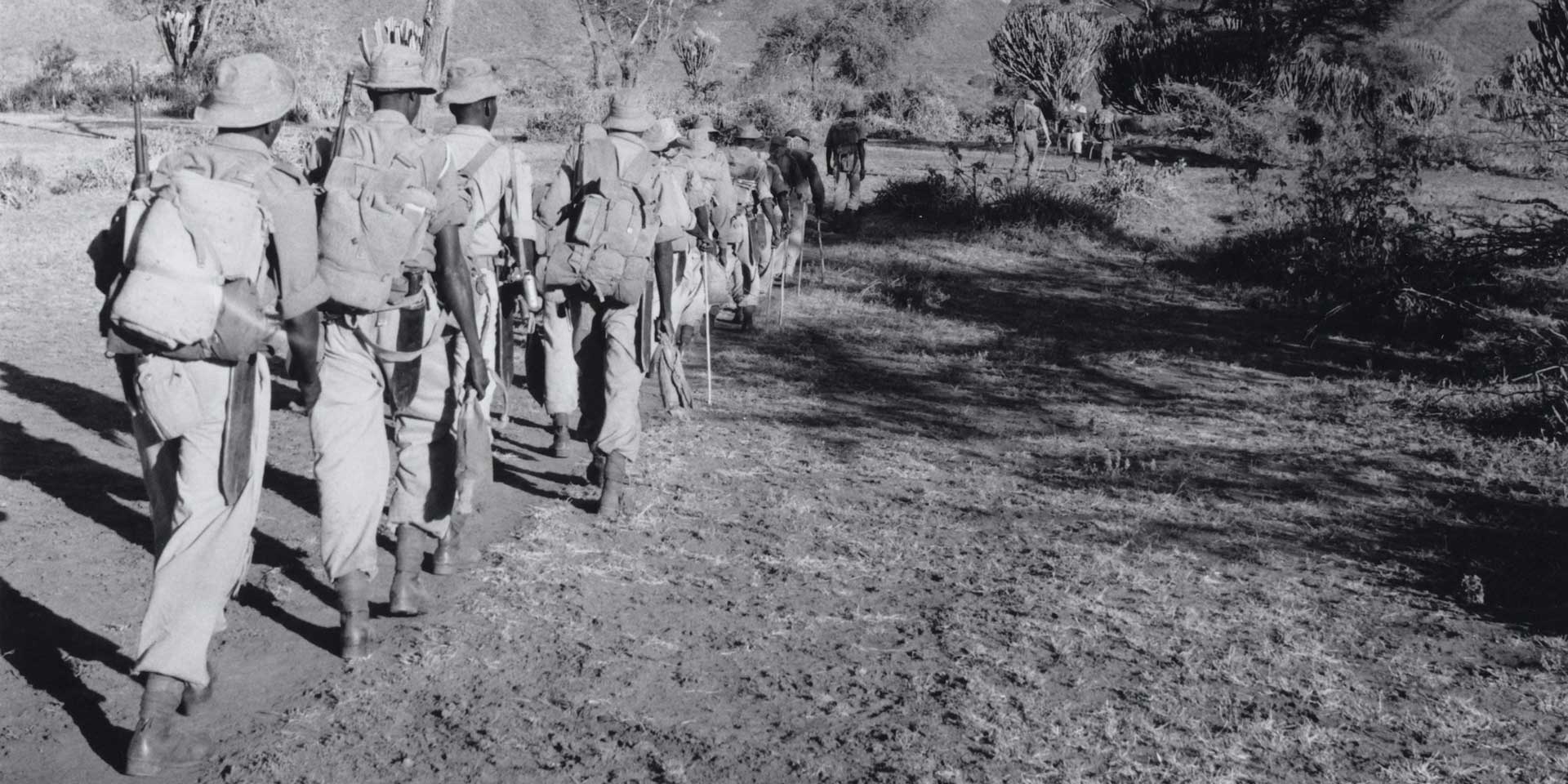
The Aden Emergency (1963-67) was an insurgency against British rule in the south of the Arabian Peninsula. The unrest hastened British plans for withdrawal and marked the end of 20 years of decolonisation.
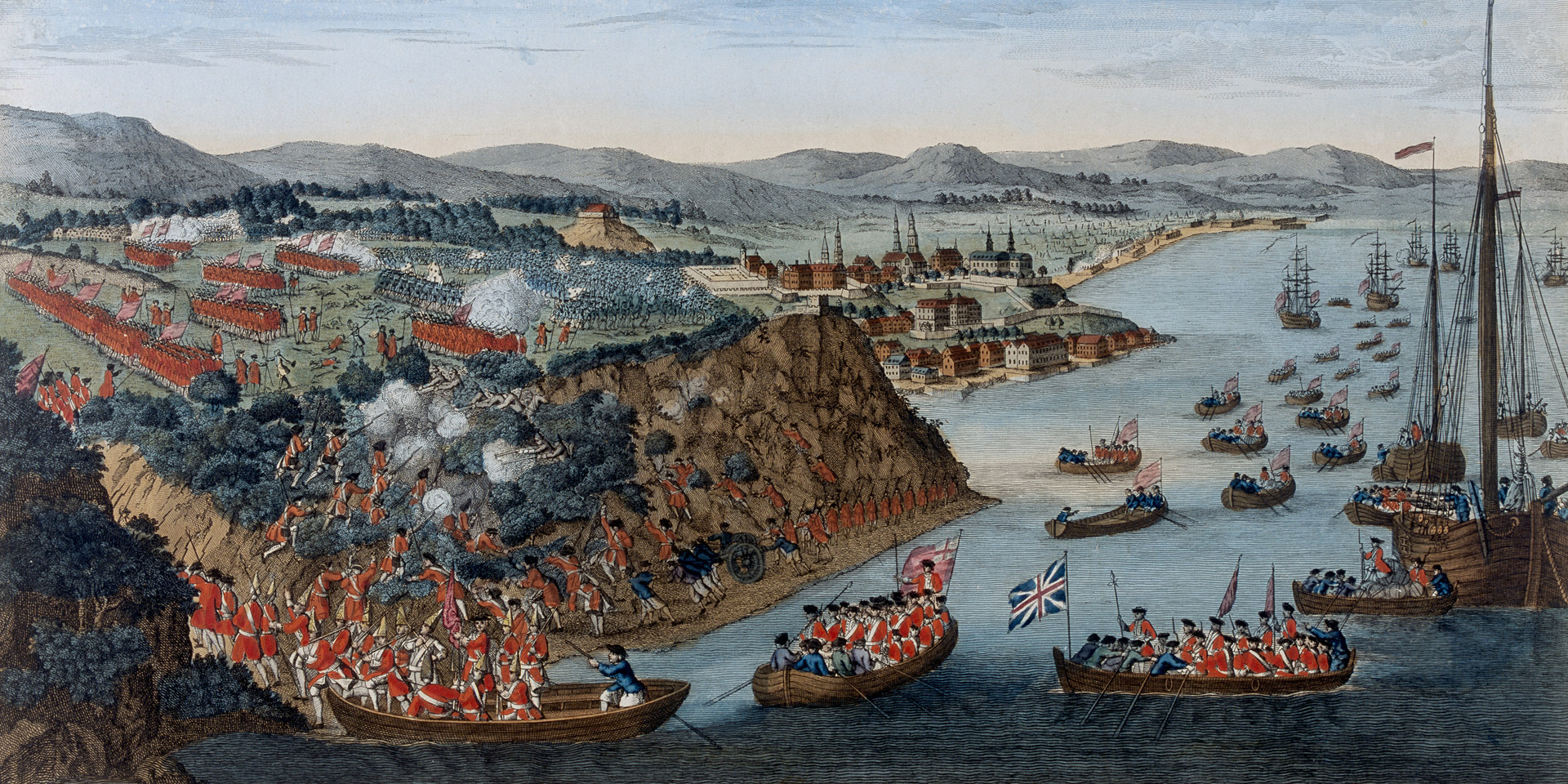
The Battle of Quebec in 1759 was one of Britain's greatest victories of the Seven Years War (1756-63). Major-General James Wolfe’s triumph ultimately led to the British conquest of Canada.
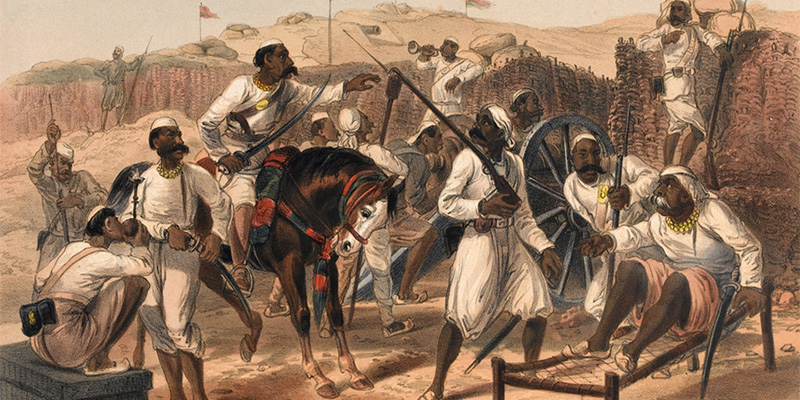
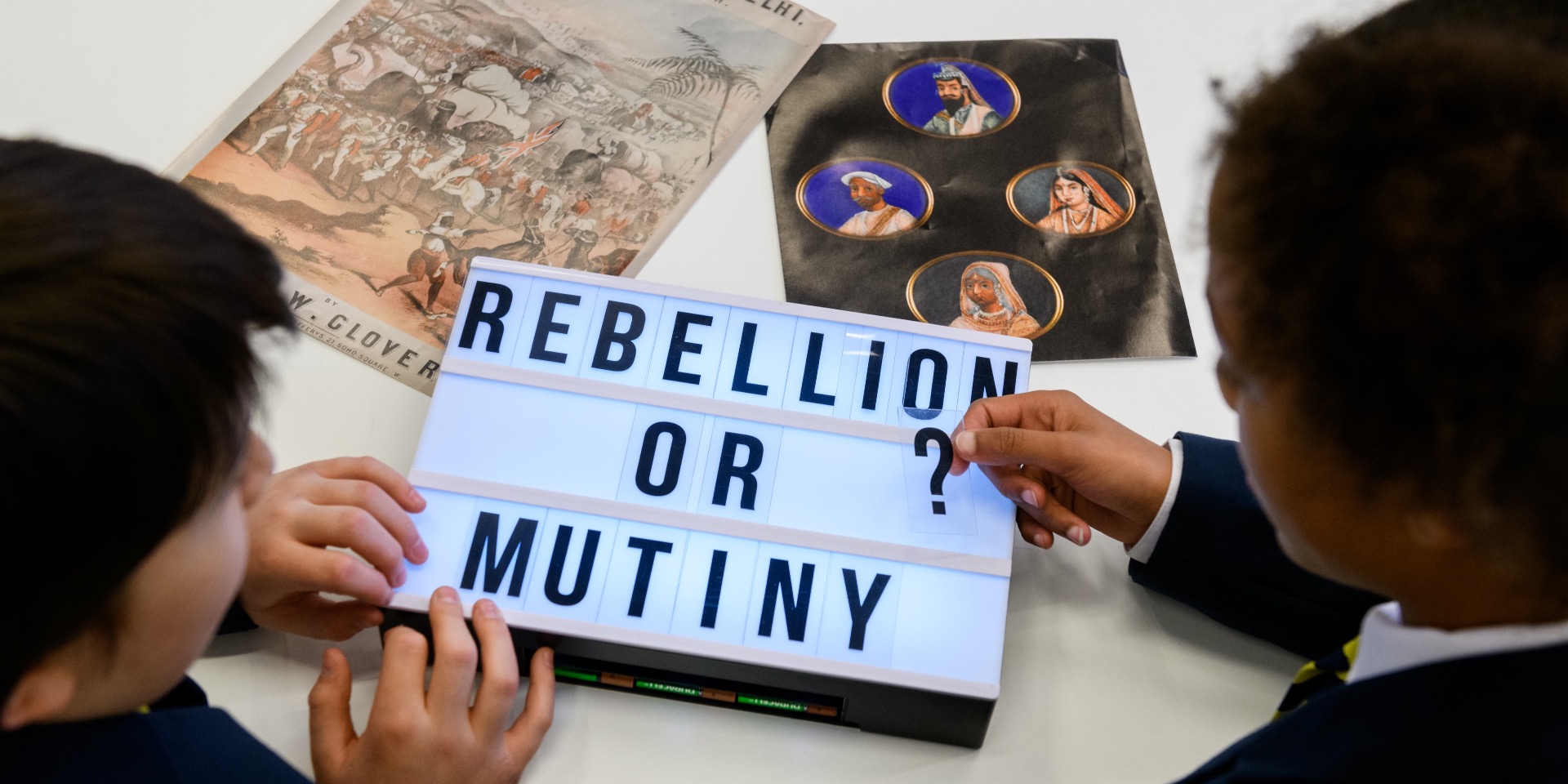
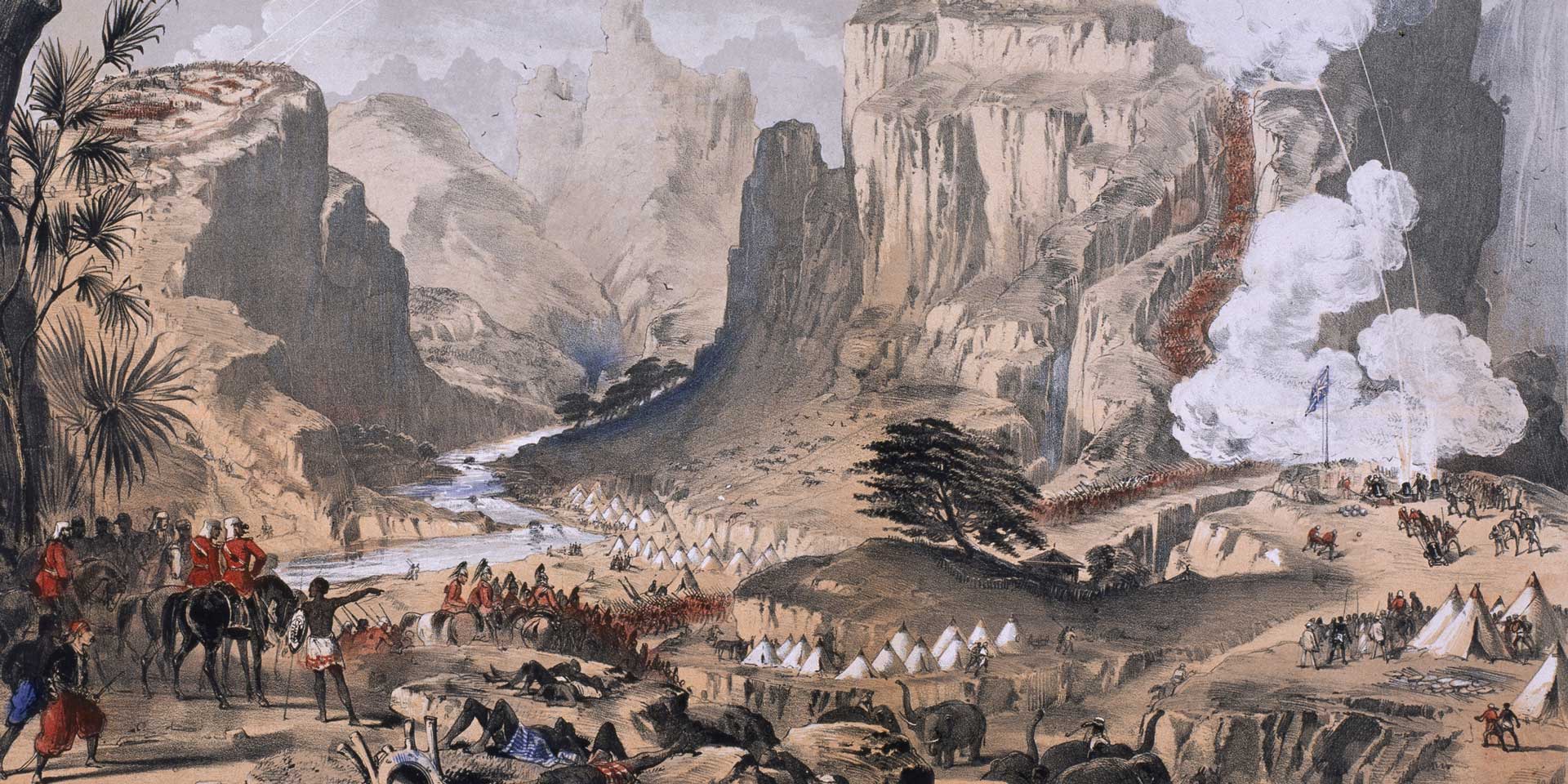
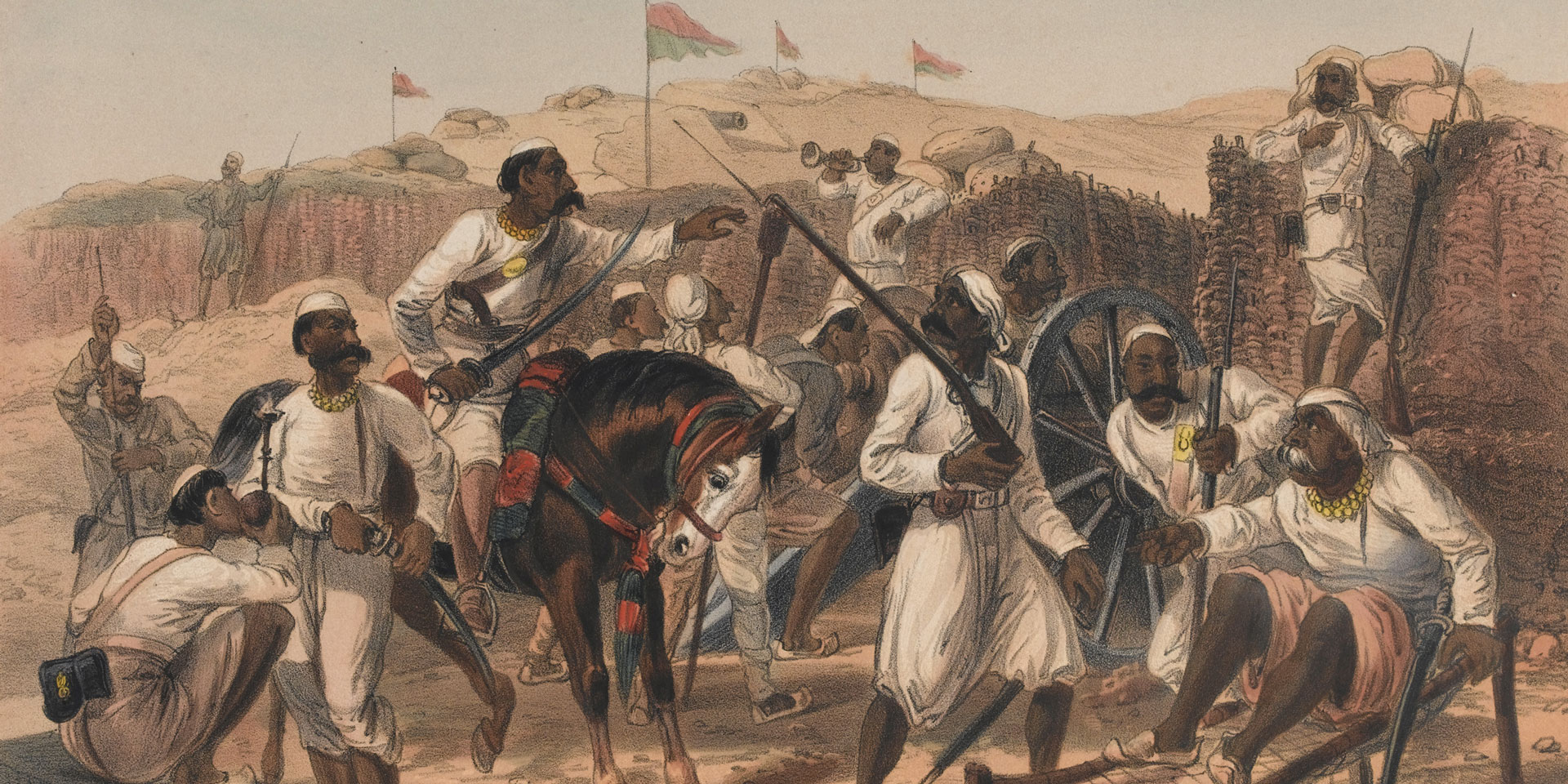
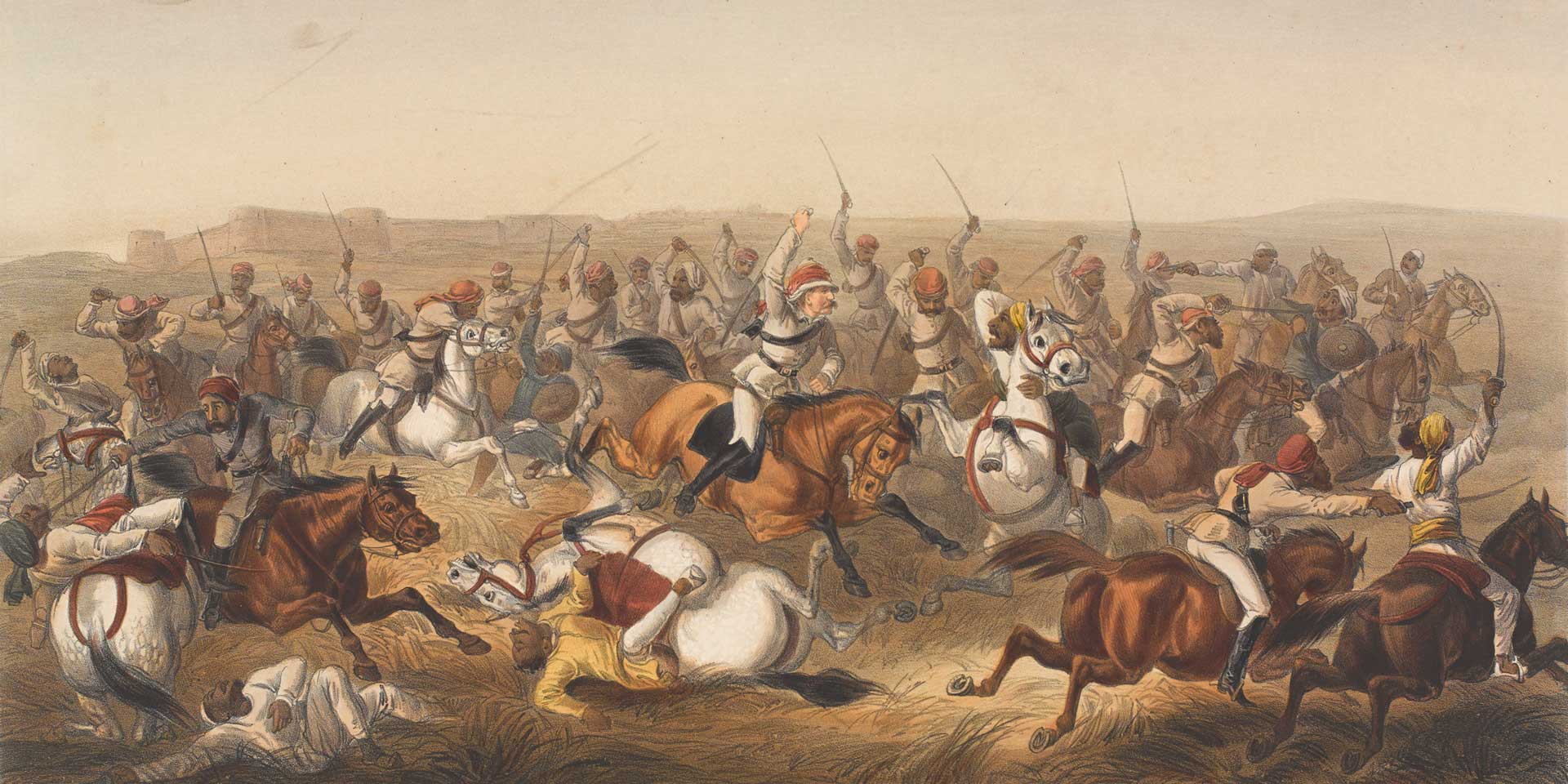
In 1857, Indian soldiers rose up against their British commanders. The reasons behind the rebellion stretch back to the very origins of British involvement in Indian affairs.
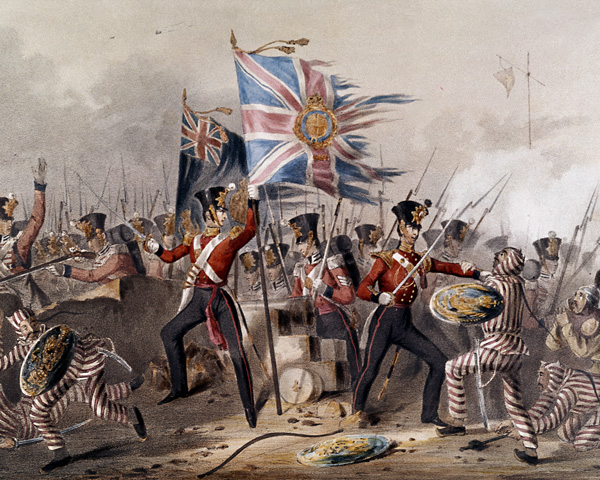
Between 1839 and 1842, British-Indian forces fought a war with Imperial China that served the interests of opium smugglers. Their resulting victory opened up the lucrative Chinese trade to British merchants.
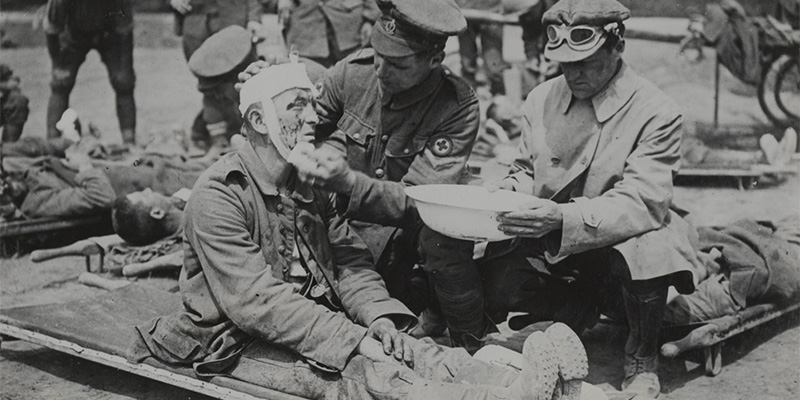
Explore artefacts and sources on the causes and treatment of injuries and illnesses on the Western Front during the First World War, and assess the impact of these innovations.
Marking the 80th anniversary of VJ (Victory over Japan) Day, this exhibition shines a light on the remarkable multinational army that fought in some of the toughest conditions of the Second World War.