Explore

Delve deeper into stories of the Army and its soldiers, exploring events across the globe and down the centuries.

Explore by theme
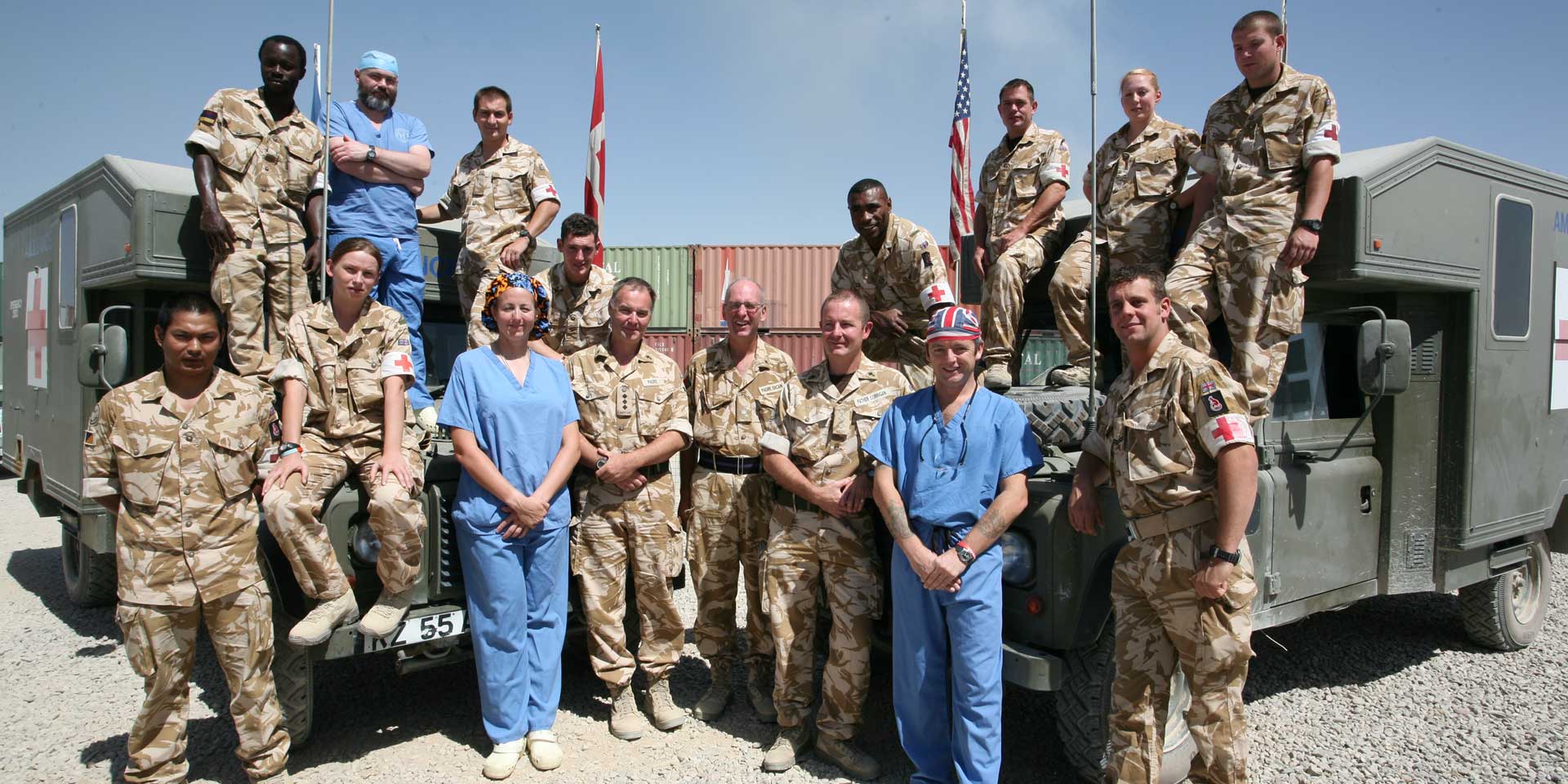
Medical staff at Camp Bastion in Helmand, c2008

Army medics in Afghanistan

During the war in Afghanistan, Army medics at Camp Bastion Hospital treated thousands of wounded soldiers and civilians. Medical staff also provided vital support during patrols and combat operations.

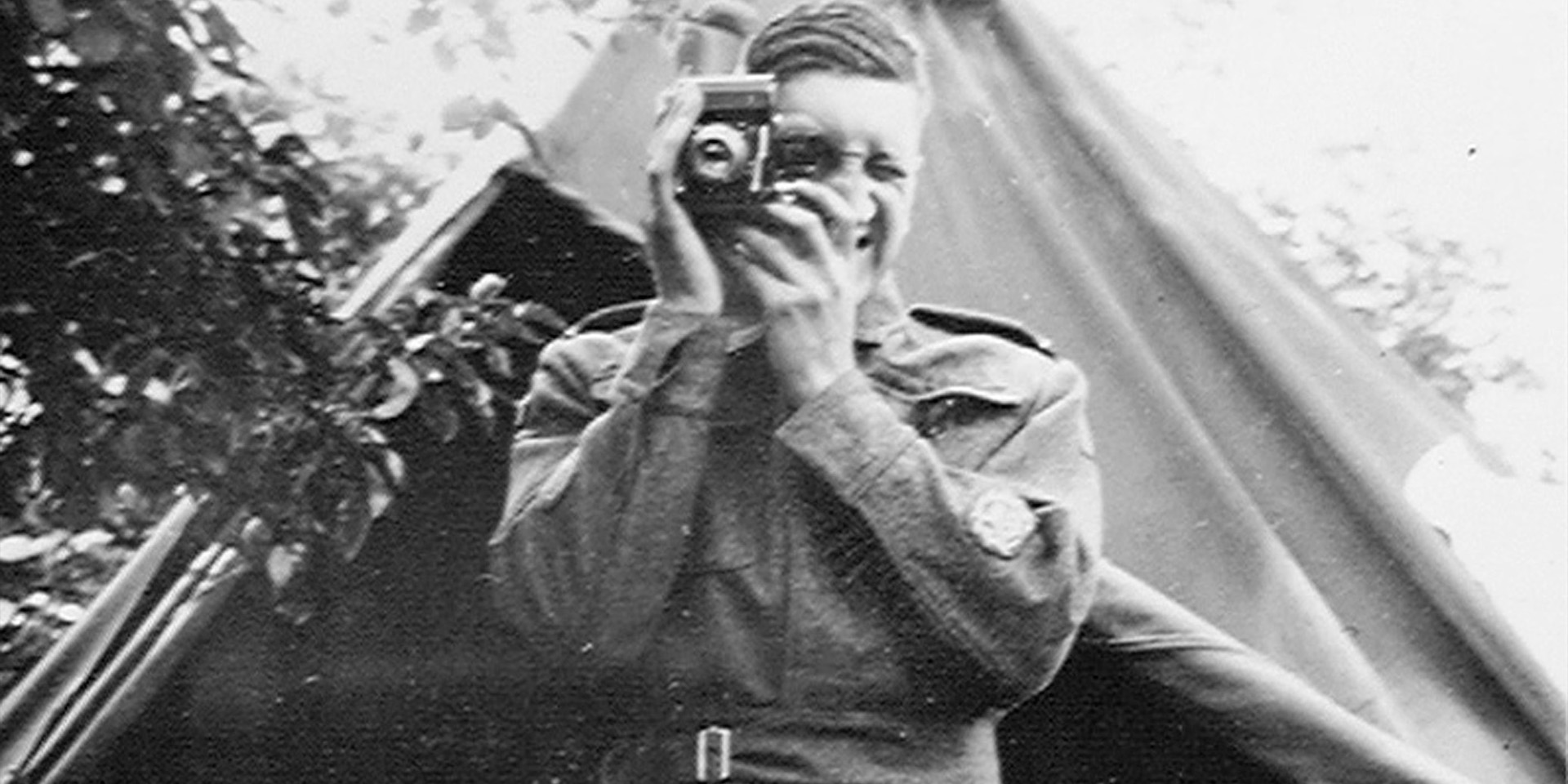
Warrant Officer Jimmy Sale, 3rd County of London Yeomanry (Sharpshooters), Westbury, Wiltshire, 1941

The Sale Collection: Origins and early years

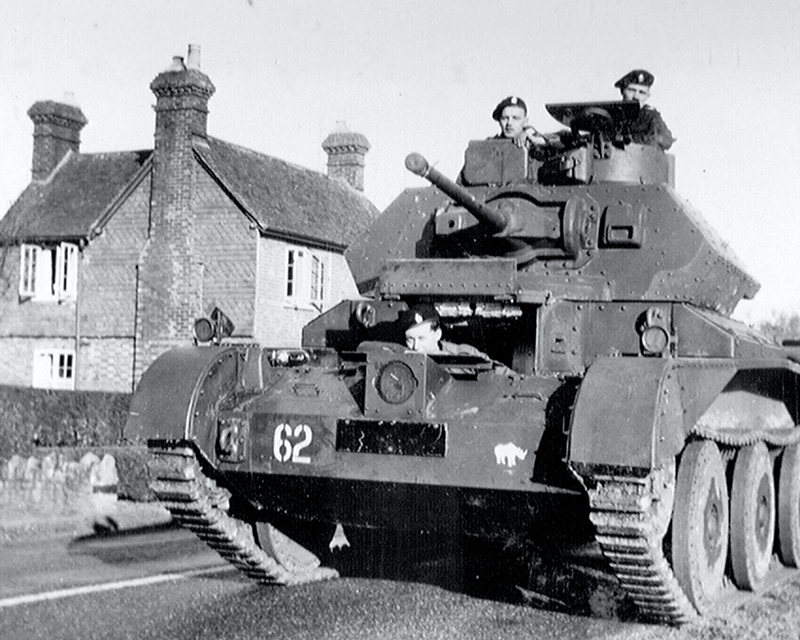
In the first instalment of this series, we learn about the origins of the 3rd County of London Yeomanry (Sharpshooters), its pre-war service and the outbreak of fighting in 1939.

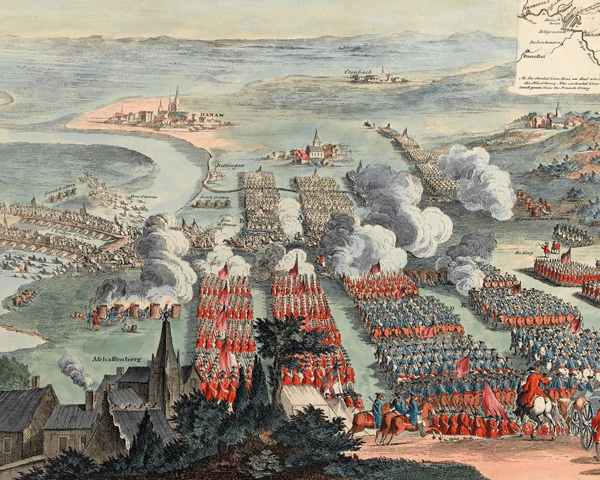
The Battle of Dettingen, 1743

Battle of Dettingen

Fought in southern Germany on 27 June 1743, Dettingen saw British forces stand in alliance with those of Hanover and Austria against the French. It was the last time a reigning British monarch personally led his troops in battle.

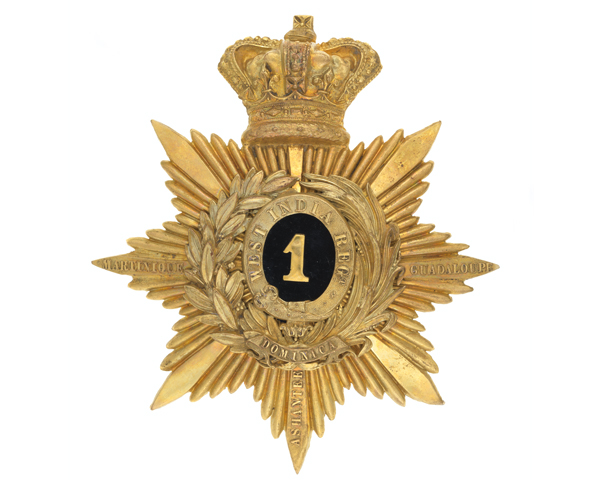
Helmet plate, officer, 1st West India Regiment, c1880

The West India Regiments

Raised in the 1790s to defend Britain's Caribbean colonies, the West India Regiments fought as infantry in several campaigns. They remained a part of the British Army until disbandment in 1927.

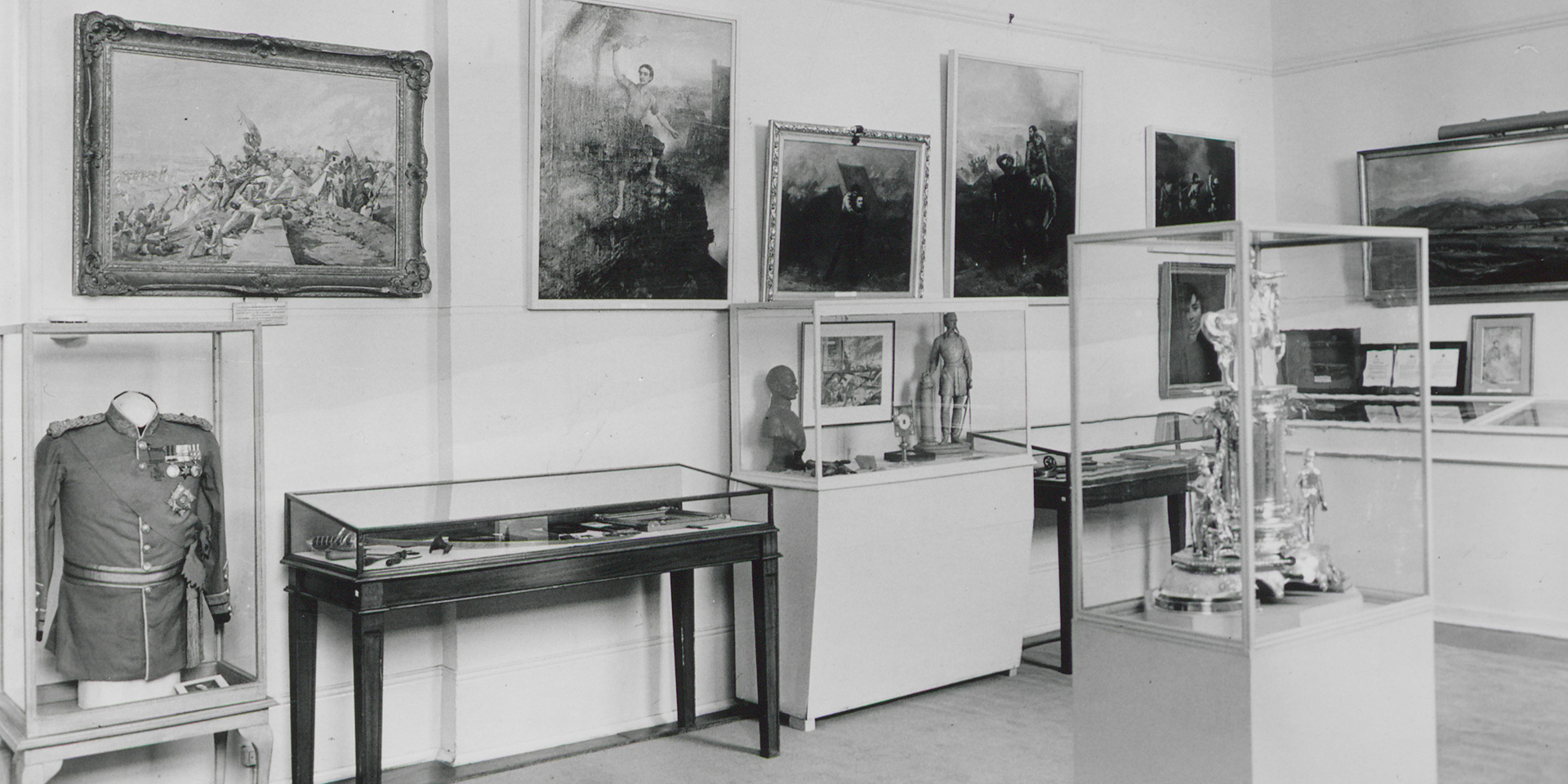
Hastings Room, Victoria Cross and George Cross exhibition, 1962

A history of the National Army Museum in 10 exhibitions

Since 1960, the National Army Museum has been exhibiting items that reveal the achievements, history and traditions of the Army. Here, we take a look at some stand-out displays from the past six decades.

Members of 3 Para celebrate victory, 1982

The British Army and the Falklands War

In April 1982, British soldiers joined a naval task force sent to re-take the Falkland Islands after their surprise capture by the Argentine military. They went on to play a key part in the land campaign that helped secure victory in the war.

Bronze saker gun, 1530s

A history of the National Army Museum in a dozen donations

Most of the objects held by the National Army Museum are in public ownership because of the generosity of individuals or organisations who have donated them.

Queen Mary's Army Auxiliary Corps personnel with bread for the troops, 1918

An army marches on its stomach

To be effective, an army relies on good and plentiful food, especially on campaign. British Army food has evolved through the ages, ranging from bully beef and biscuits to veggie curries.

Beret badge, The South Lancashire Regiment, c1950

The South Lancashire Regiment (The Prince of Wales’s Volunteers)

This infantry regiment was formed in 1881. It continued in British Army service until 1958, when it was merged into The Lancashire Regiment (Prince of Wales's Volunteers).

Disinfecting plague houses with a flushing engine, 1897

The Bombay plague

In 1896, bubonic plague broke out in Bombay. The fightback against this deadly epidemic was fully documented by a British military officer in a remarkable series of photographs.

Shako plate, 40th (2nd Somersetshire) Regiment, c1855

40th (2nd Somersetshire) Regiment of Foot

This infantry unit was formed in 1717. It continued in service until the 1881 British Army reforms, when it became part of The Prince of Wales’s Volunteers (South Lancashire Regiment).

Glengarry badge, 82nd Regiment of Foot (Prince of Wales's Volunteers), c1874

82nd Regiment of Foot (Prince of Wales’s Volunteers)

This infantry unit was raised in 1793. It continued in British Army service until the 1881 reforms, when it became part of The Prince of Wales’s Volunteers (South Lancashire Regiment).

Stories of remembrance

story

Peace and commemoration

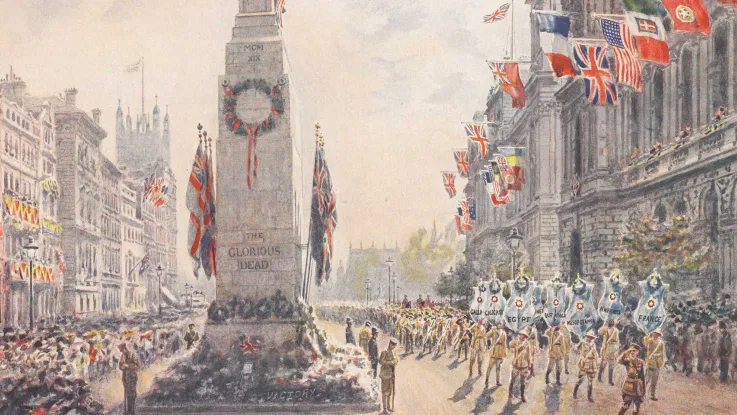
After the Armistice in November 1918, millions of soldiers hoped they would soon go home. But demobilising so many troops was a huge task. How best to mark the Allied victory also became a subject for debate.

Story

Honouring the fallen

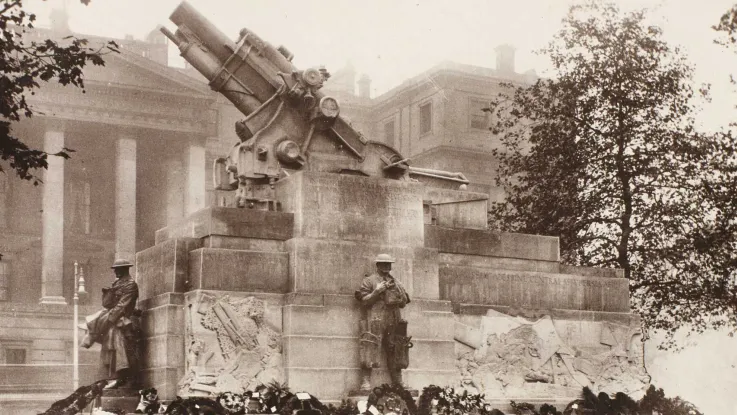
After the First World War, British society had to come to terms with the loss of huge numbers of its service personnel. Across the country, people found ways to commemorate the fallen at a local and national level.

Story

The Unknown Warrior

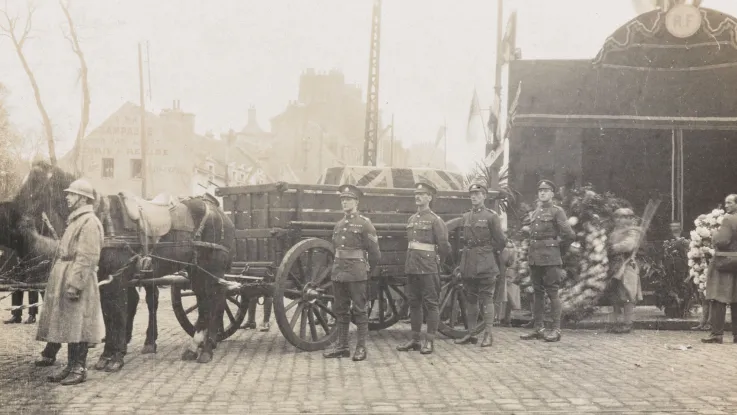
The grave of the Unknown Warrior contains the remains of an unidentified British serviceman, interred in 1920 to honour the fallen of the First World War. The secretive selection process remains shrouded in mystery.