Explore

Delve deeper into stories of the Army and its soldiers, exploring events across the globe and down the centuries.

Explore by theme
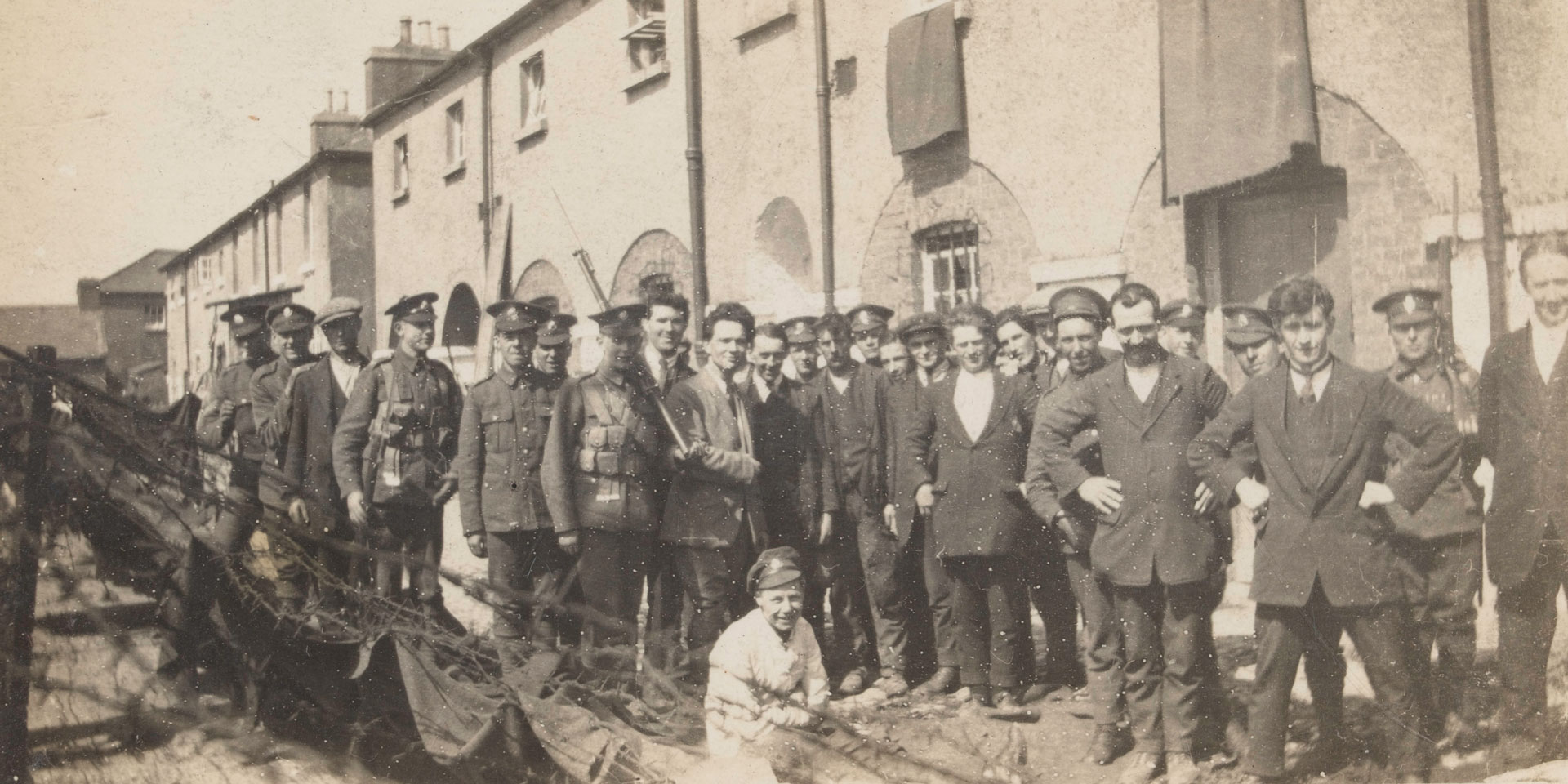
Soldiers of the East Yorkshire Regiment at Longford, Ireland, May 1921

Irish War of Independence

Fought between 1919 and 1921, this was a guerrilla and sectarian conflict involving Irish republicans, Ulster loyalists and British government forces. It brought about the creation of Northern Ireland and the Irish Free State.

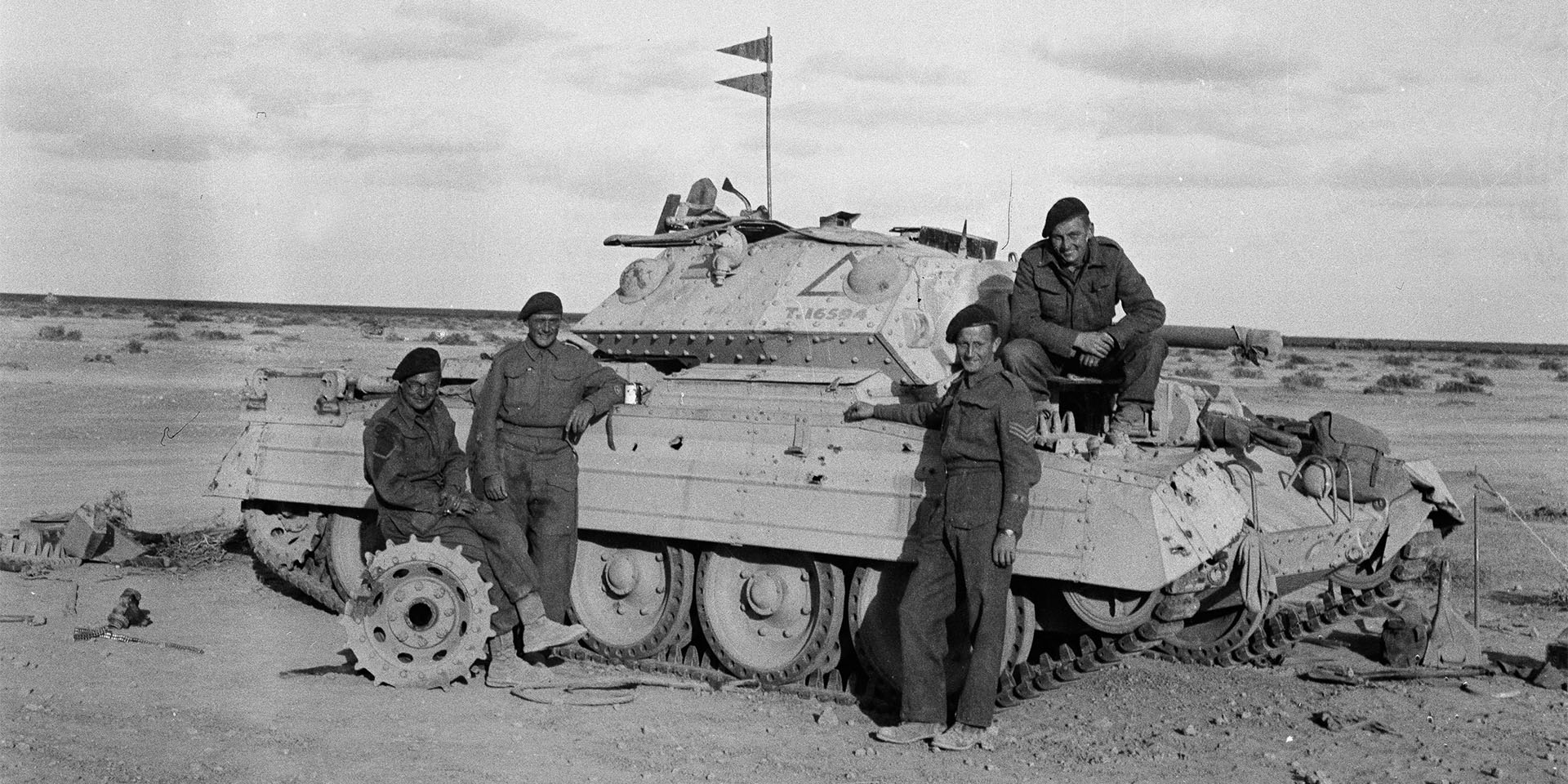
3rd County of London Crusader tank and crew, Libya, 1941

The Sale Collection: Operation Crusader

In the fourth instalment, we explore the wartime exploits of the 3rd County of London Yeomanry in 1941. During this time, the men of the unit underwent a baptism of fire in the Libyan desert.

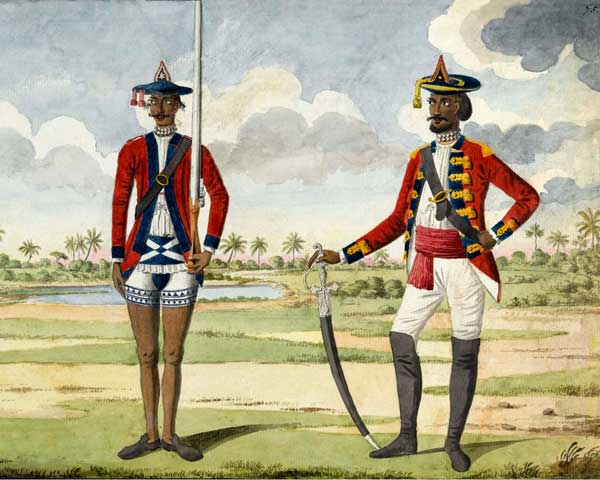
Bengal Army Troops, 1785

Armies of the East India Company

Originally formed to trade in Asia, the East India Company came to rule large areas of the Indian subcontinent, exercising military power through its formidable armed forces.

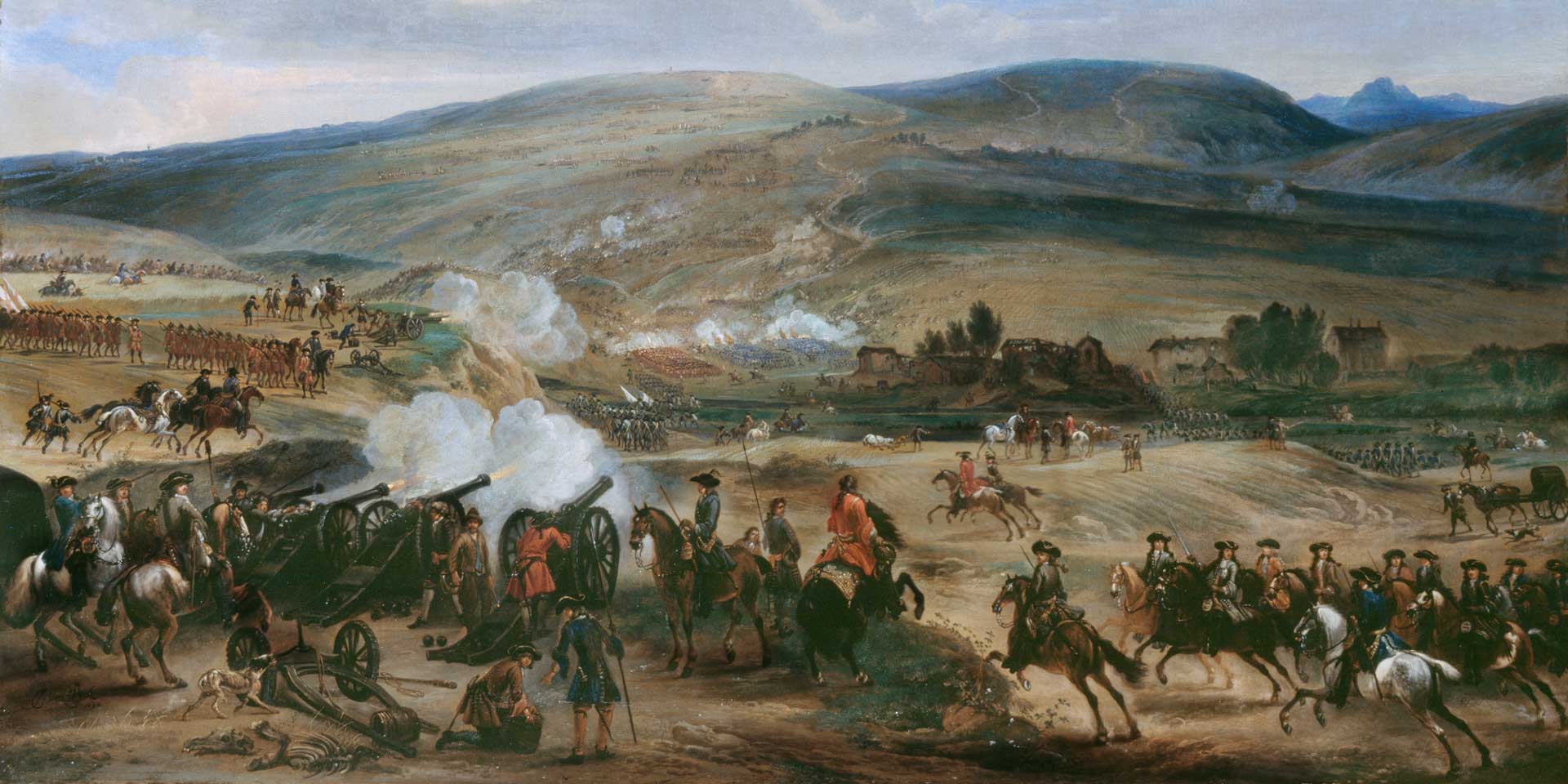
The Battle of the Boyne, 1690

Battle of the Boyne

Fought on 1 July 1690 between the forces of the deposed King James II and his successor, King William III, the Battle of the Boyne was the largest military engagement ever to take place on Irish soil.

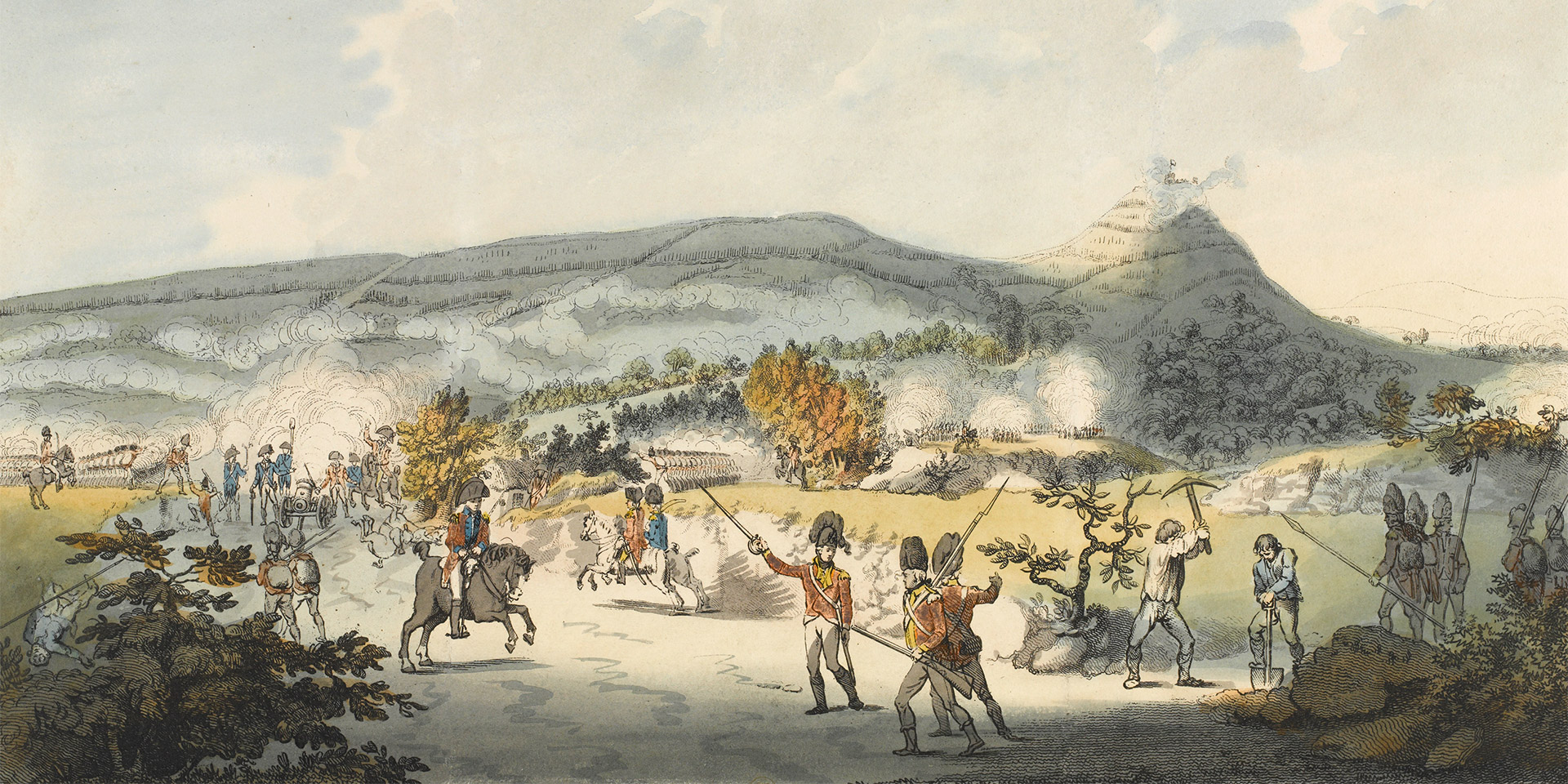
The Battle of Vinegar Hill, 21 June 1798

Irish Rebellion of 1798

In 1798, an underground republican group known as the Society of United Irishmen instigated a major uprising against British rule in Ireland. Although the revolt ended in total defeat for the rebels, it marked a significant watershed in Irish history.

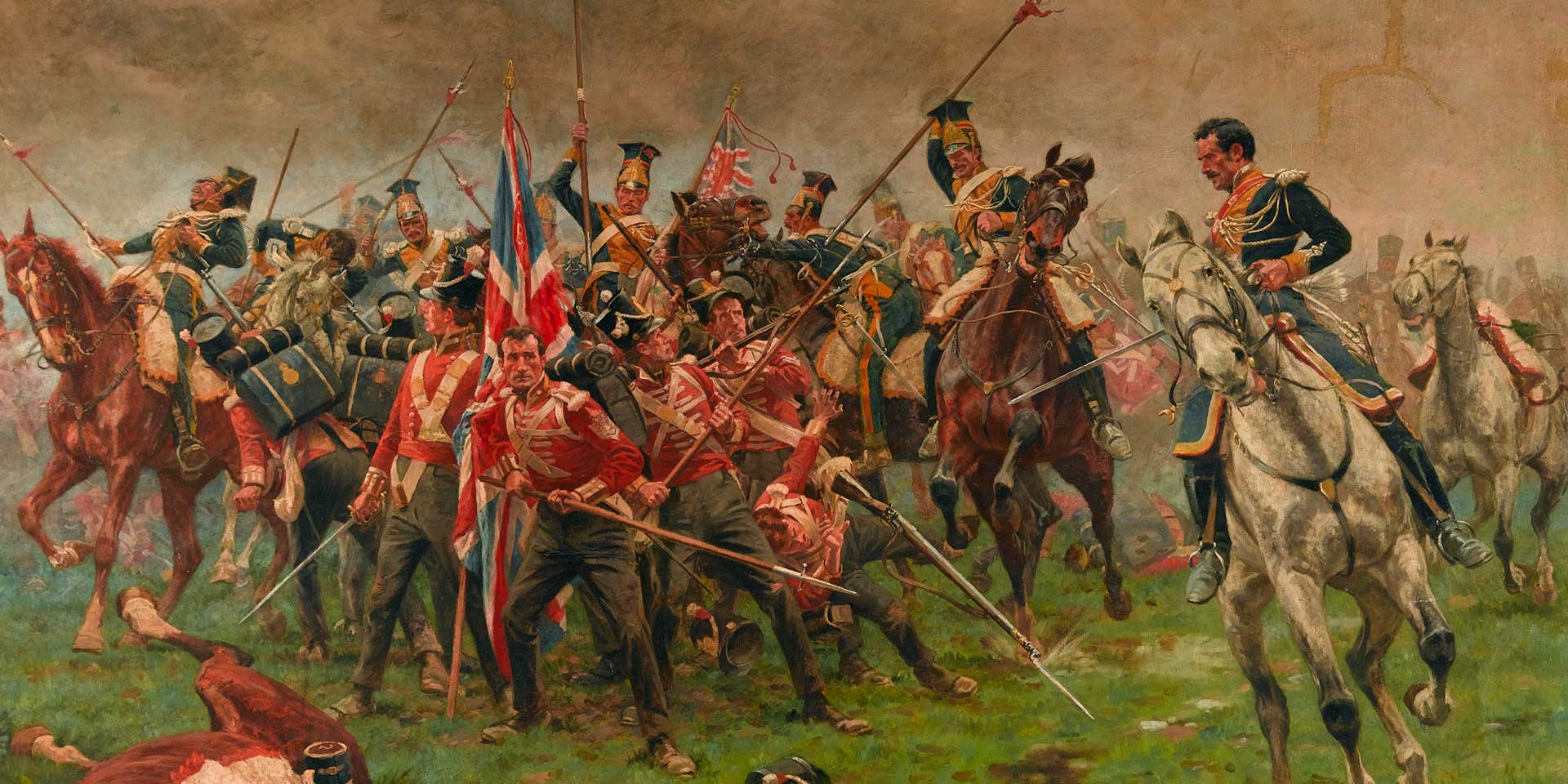
Soldiers of The 3rd (East Kent) Regiment of Foot (The Buffs) defending the Colours at Albuera, 1811

Save the Colours!

Colours have been the focus of some of the most bitter fighting and magnificent acts of heroism in British Army history. Soldiers often fought to the last to preserve them in battle, and they continue to hold totemic significance for regiments today.

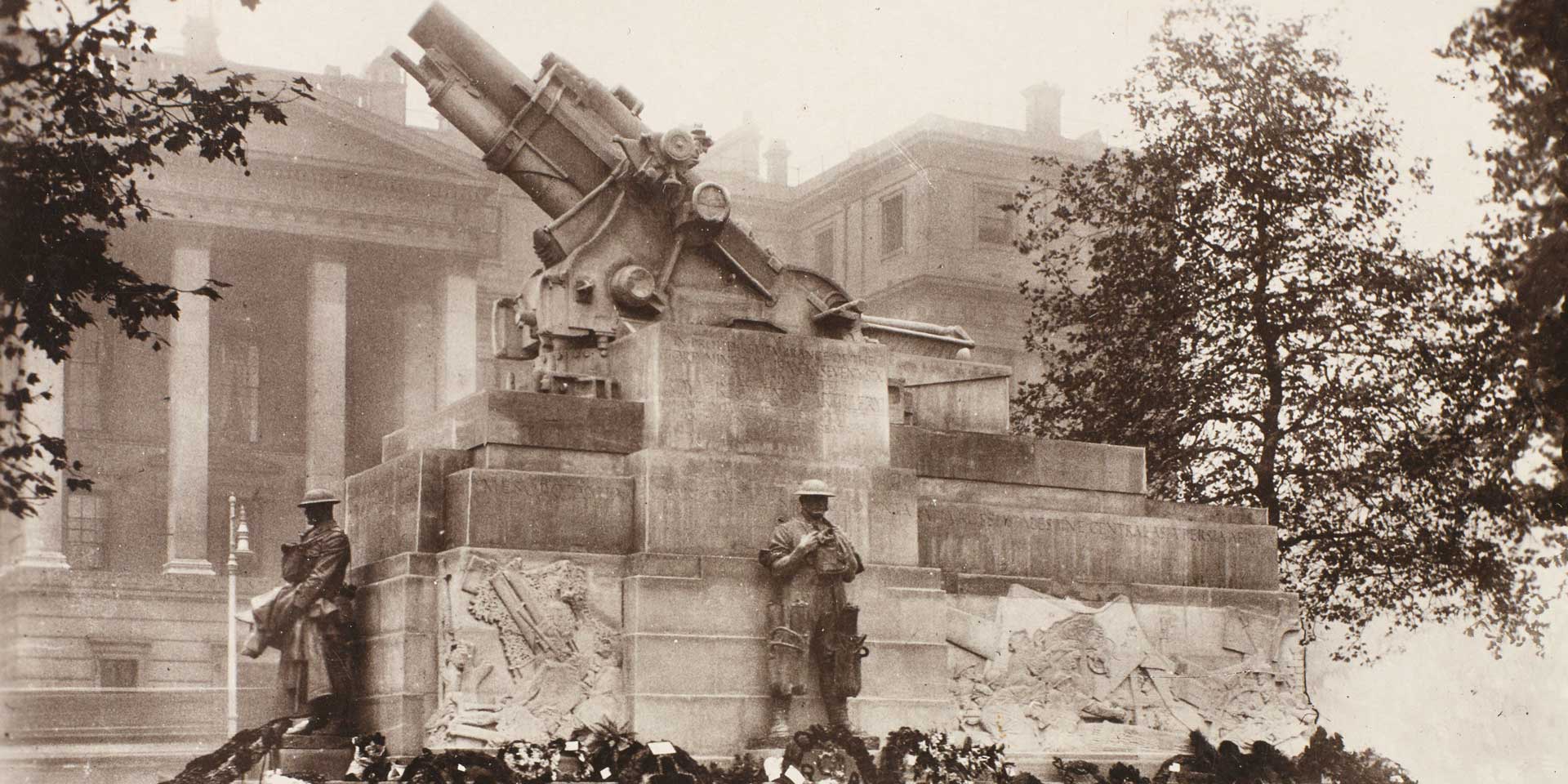
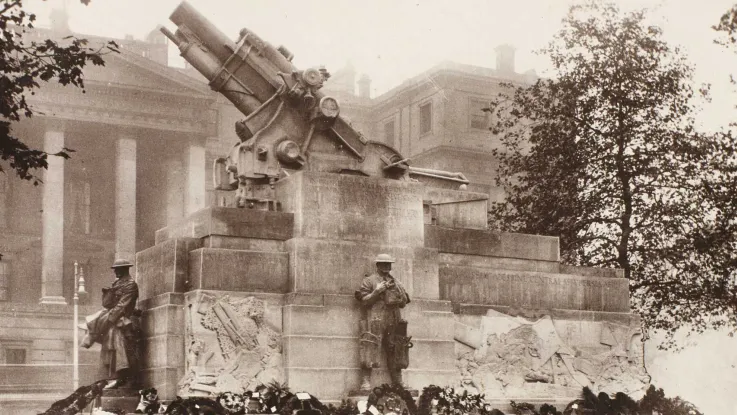
The Royal Artillery Memorial, Hyde Park Corner, London, 1925

Honouring the fallen

After the First World War, British society had to come to terms with the loss of huge numbers of its service personnel. Across the country, people found ways to commemorate the fallen at a local and national level.

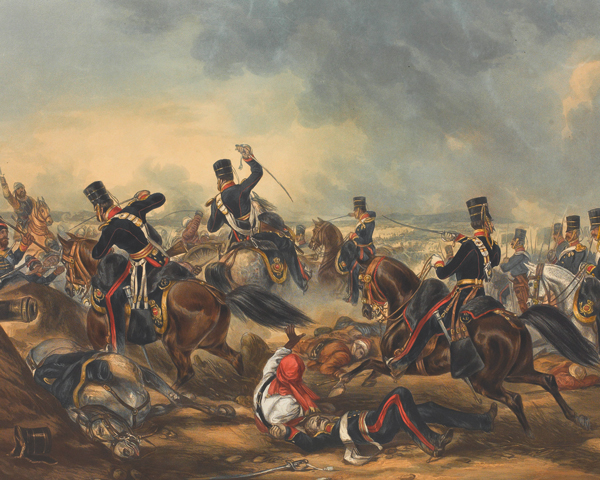
The 3rd Light Dragoons at Ferozeshah, 21 December 1845

First Sikh War

In 1845-46, the British fought a war against the Sikh Empire in the Punjab. After several bitterly fought battles, the conflict ended with the British taking partial control of the Sikh territories.

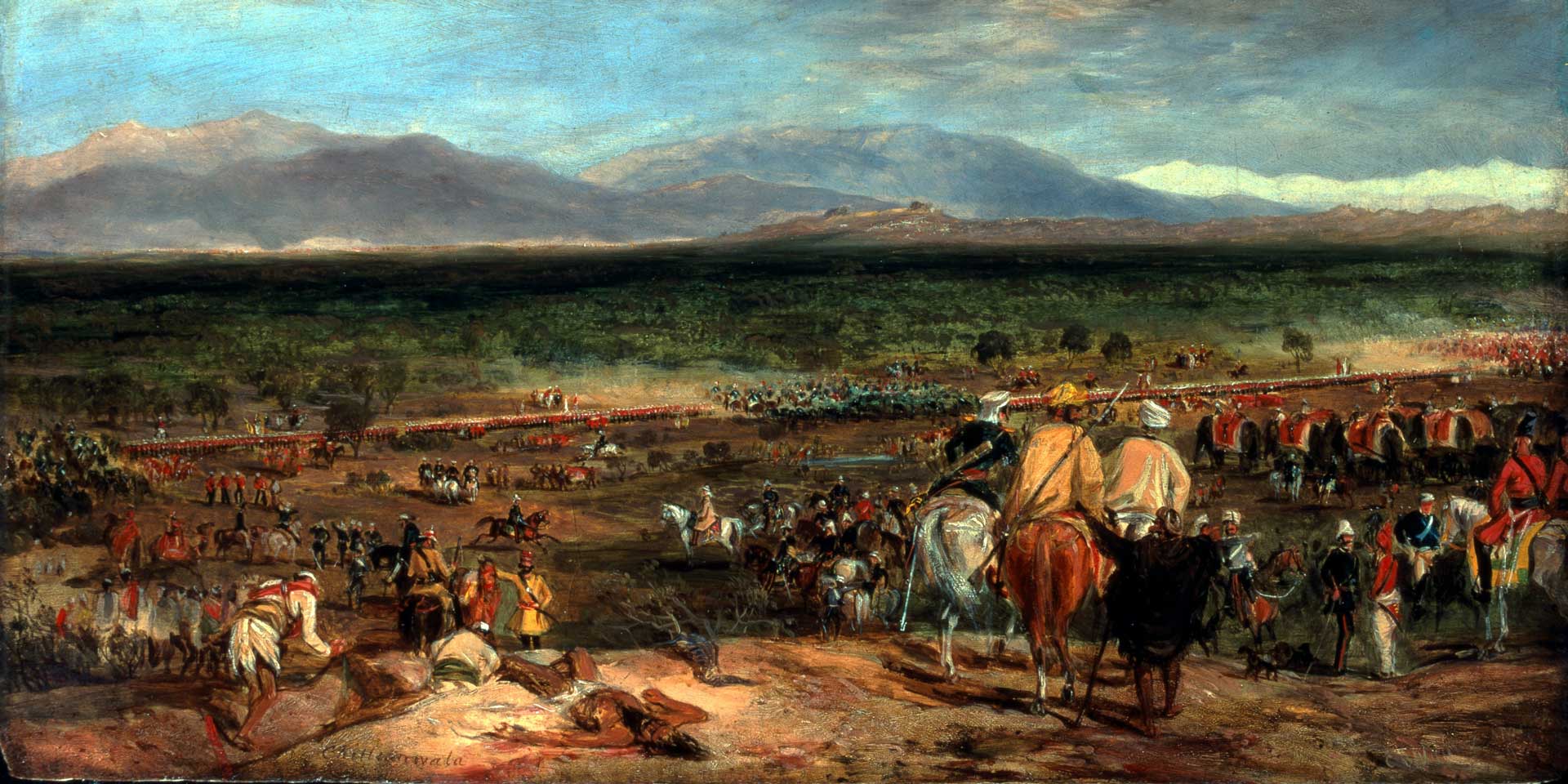
The Battle of Chillianwala, 13 January 1849

Second Sikh War

In 1848-49, British-Indian forces were once again at war with the Sikh Empire. The campaign that raged across the Punjab eventually led to the region's full annexation by the British and the removal of one of the last Indian powers able to challenge British control of the subcontinent.

3rd County of London Yeomanry (Sharpshooters) keeping fit on board HMT 'Orion' en route to Egypt, 1941

The Sale Collection: Voyaging to war

In the third instalment, we explore the exploits of the 3rd County of London Yeomanry in 1941 as they travel around Africa en route to the desert war in Egypt and Libya.

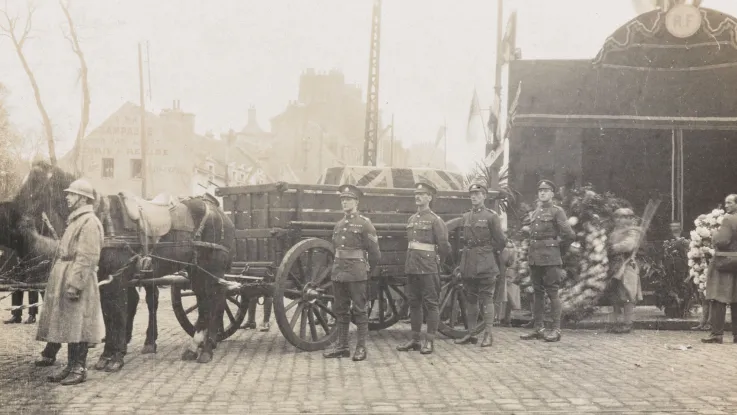
The coffin of the Unknown Warrior borne in a wagon with a guard of Allied soldiers, 10 November 1920

The Unknown Warrior

The grave of the Unknown Warrior contains the remains of an unidentified British serviceman, interred in 1920 to honour the fallen of the First World War. The secretive selection process remains shrouded in mystery.

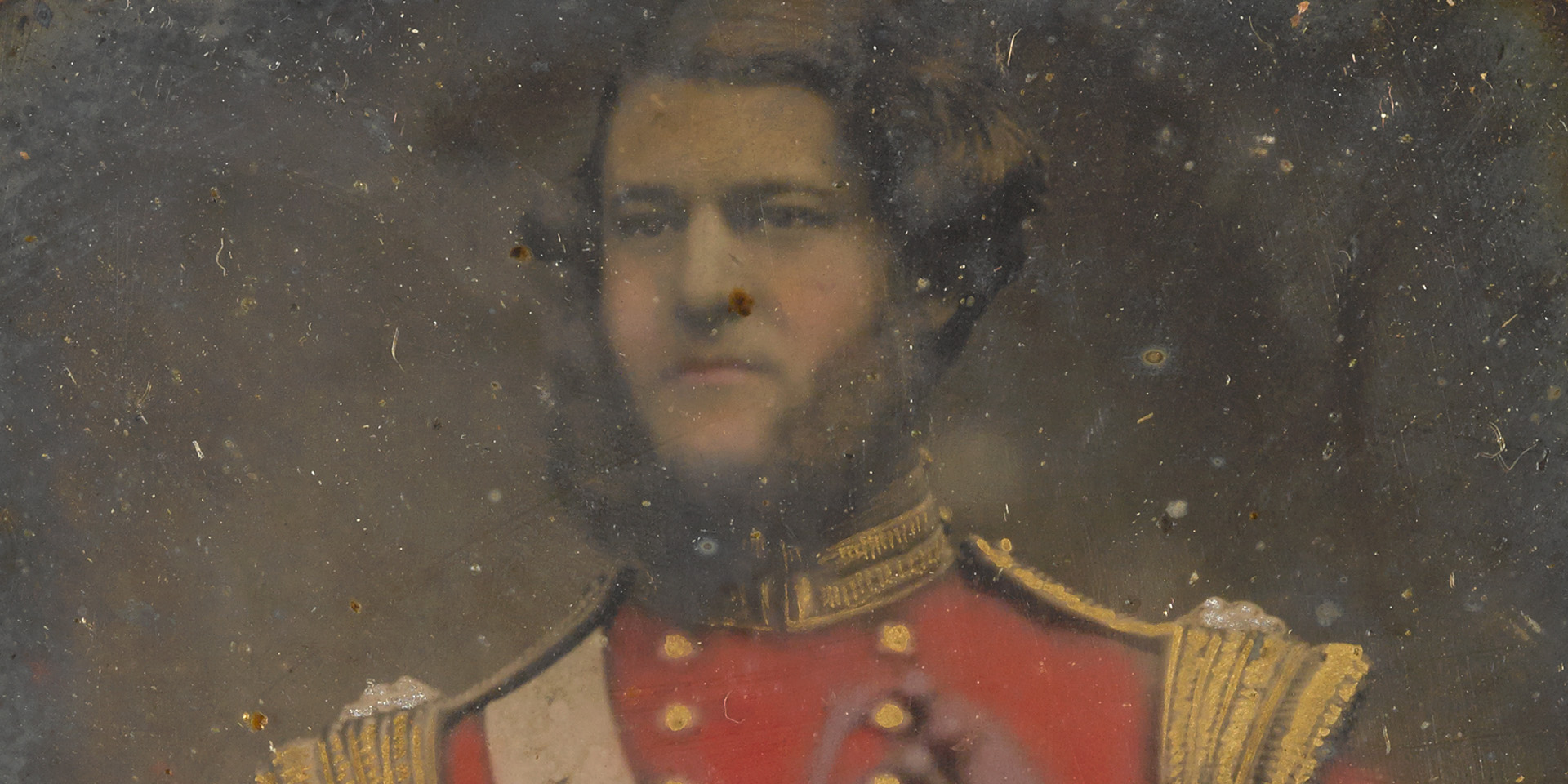
Lieutenant-General John Manners, Marquess of Granby, c1763

Marquess of Granby: The benevolent soldier

Lieutenant-General John Manners, Marquess of Granby, acquired his reputation for courage and leadership during the Seven Years War. His popularity was also founded upon his well-known generosity and concern for the welfare of his men.

Stories of remembrance

story

Peace and commemoration

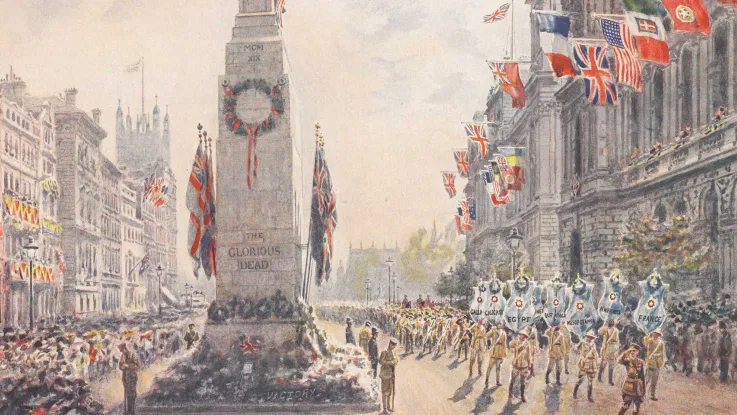
After the Armistice in November 1918, millions of soldiers hoped they would soon go home. But demobilising so many troops was a huge task. How best to mark the Allied victory also became a subject for debate.

Story

Honouring the fallen

After the First World War, British society had to come to terms with the loss of huge numbers of its service personnel. Across the country, people found ways to commemorate the fallen at a local and national level.

Story

The Unknown Warrior

The grave of the Unknown Warrior contains the remains of an unidentified British serviceman, interred in 1920 to honour the fallen of the First World War. The secretive selection process remains shrouded in mystery.