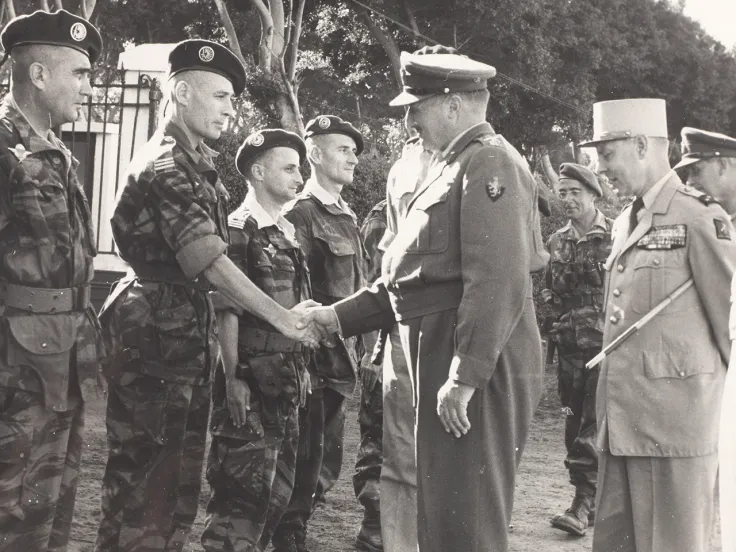
In 1956, British and French forces invaded Egypt in collaboration with Israel. Although the operation was initially a success, the resulting political storm led to a humiliating withdrawal.
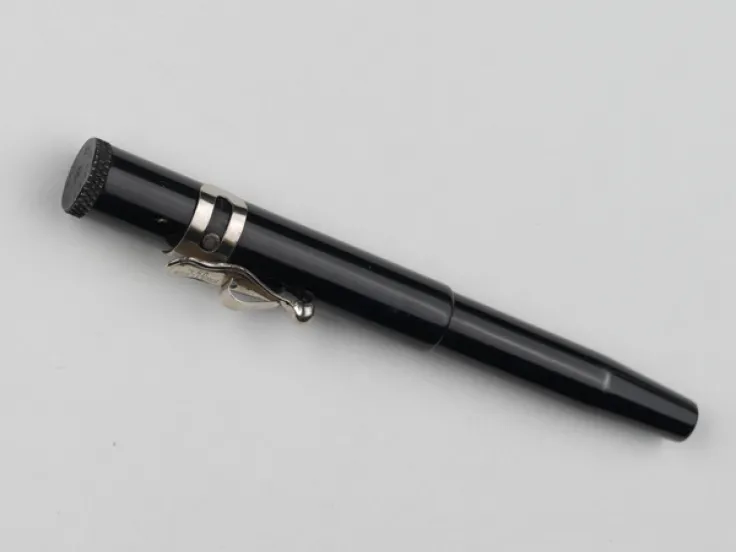
Formed in 1940, the SOE was an underground army that waged a secret war in enemy-occupied Europe and Asia. Its agents demonstrated incredible courage and resourcefulness.
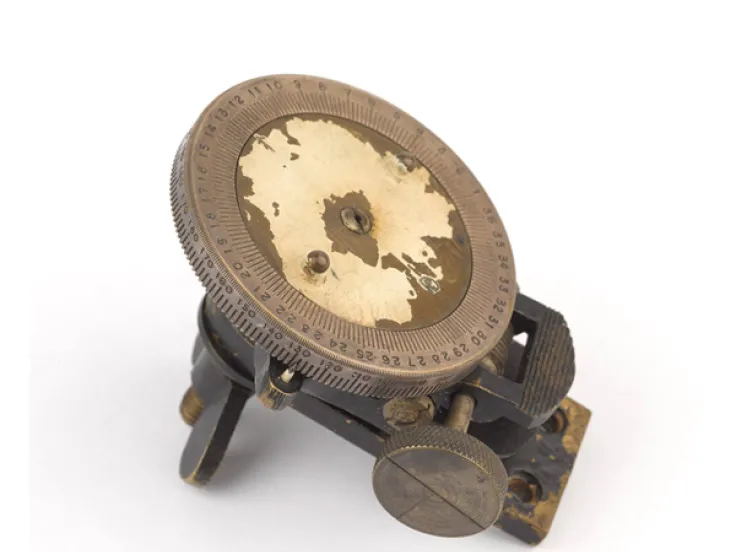
The Long Range Desert Group were masters of navigation. They owed much of their success to the scientific talents of Major Ralph Bagnold, whose sun-compass invention revolutionised desert travel.
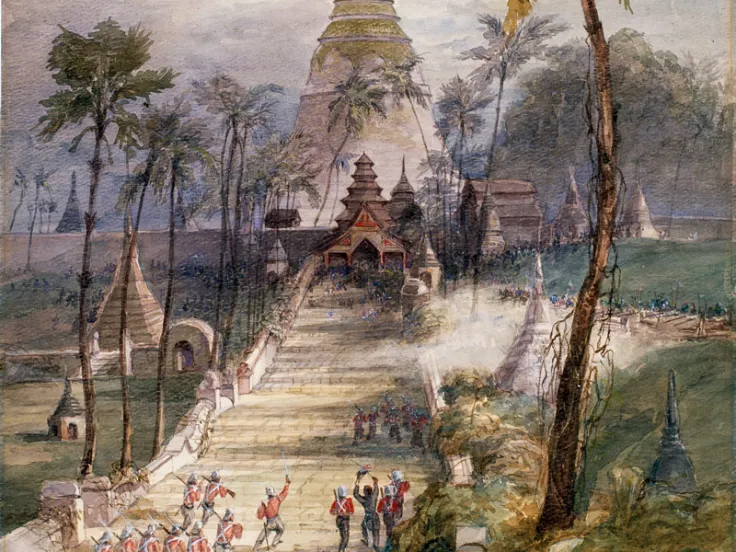
This brief conflict in 1852-53 was largely provoked by the East India Company, which was hungry for new territory and resources like teak and rubber. It ended in a British victory and saw Lower Burma become a province of British India.
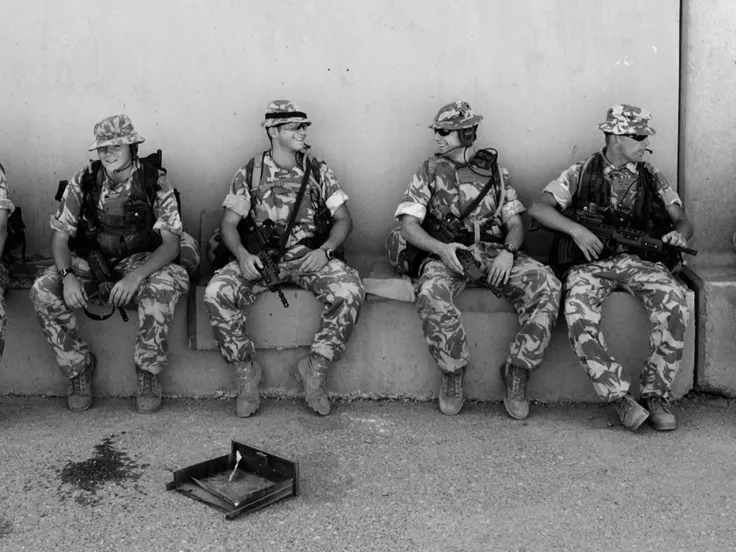
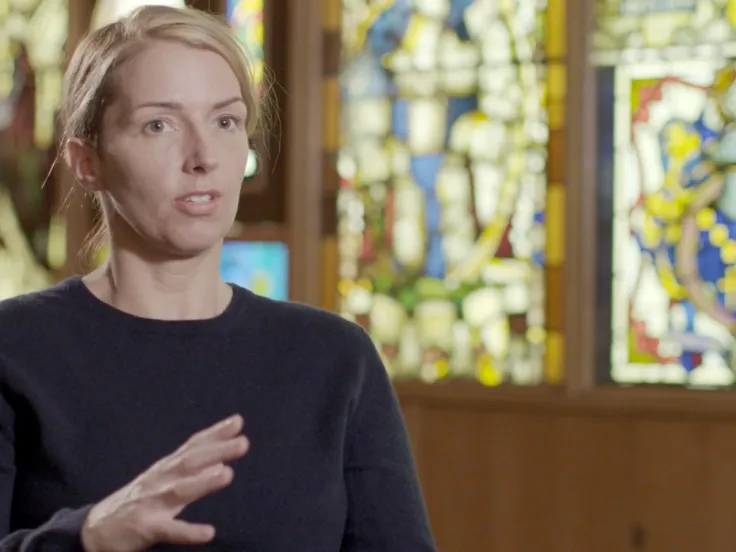
The modern British Army declares itself an equal opportunities employer. But becoming so has presented challenges for an institution deeply rooted in hierarchy, routine, regiment and tradition.
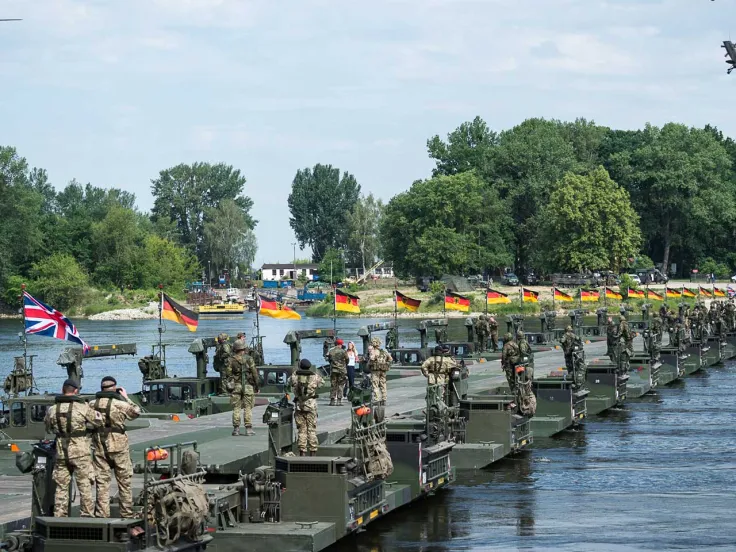
Nato has been the cornerstone of British defence planning for over 70 years. Originally formed as a bulwark against communism, more recently it has been involved in peacekeeping roles and the ‘war on terror’.
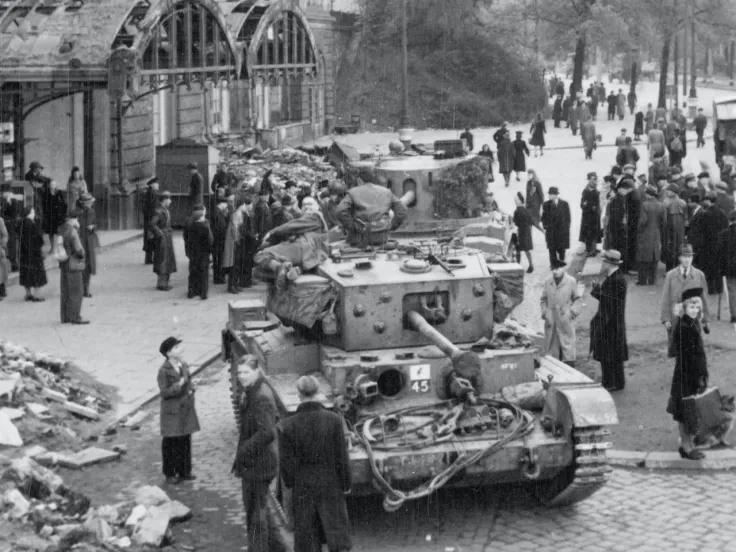
Following their victory over Nazi Germany in 1945, the Allies were faced with administering a country in ruins. British soldiers had a leading role in this, helping to hunt war criminals, rebuild industry and help displaced persons.
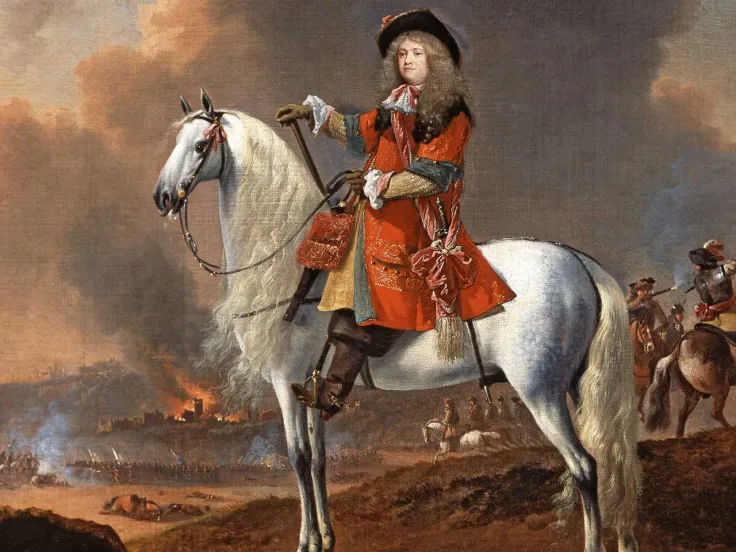
In 1660, the monarchy was restored when Parliament invited King Charles II to take the throne. Although the military played a crucial role in his return, the King soon established a new force - the British Army.
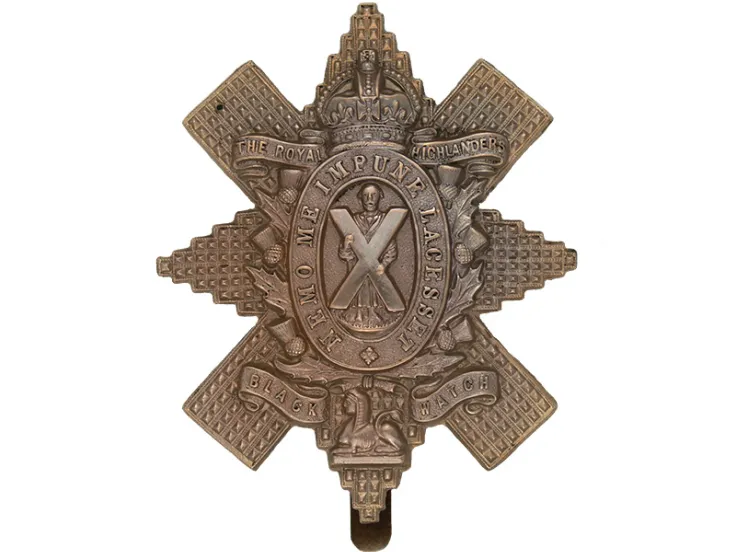
The Black Watch can trace its origins back to the early 18th century. It went on to fight in nearly all the British Army's campaigns and is now part of The Royal Regiment of Scotland.
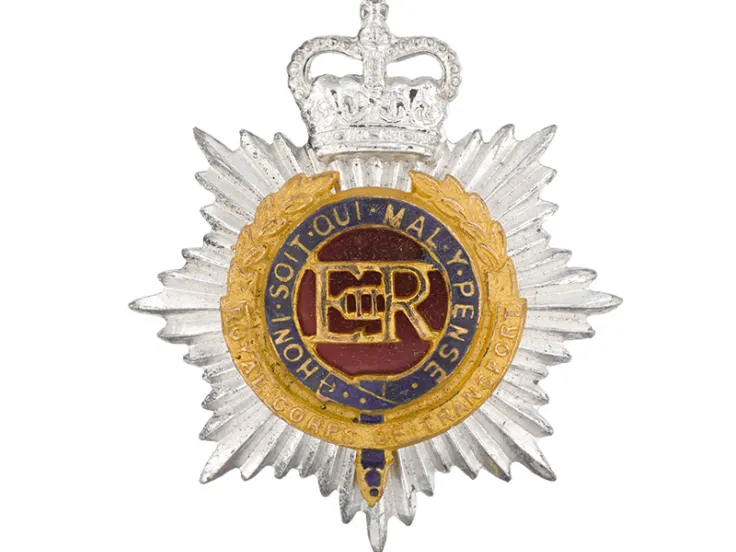
Established in 1965, this unit was responsible for moving soldiers and materiel across the world. It continued in British Army service until 1993, when it became part of the Royal Logistic Corps.
Chantelle Taylor served as a combat medic during the war in Afghanistan. In 2008, while on patrol in Helmand Province, she became the first female British soldier to kill an enemy combatant at close quarters.