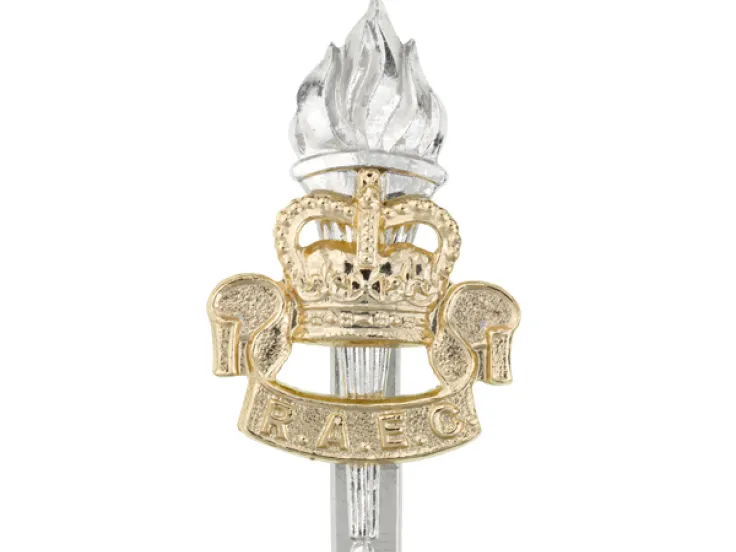
This British Army unit was responsible for educating and instructing soldiers in a range of subjects and skills. In 1992, it became a branch of the newly formed Adjutant General’s Corps.
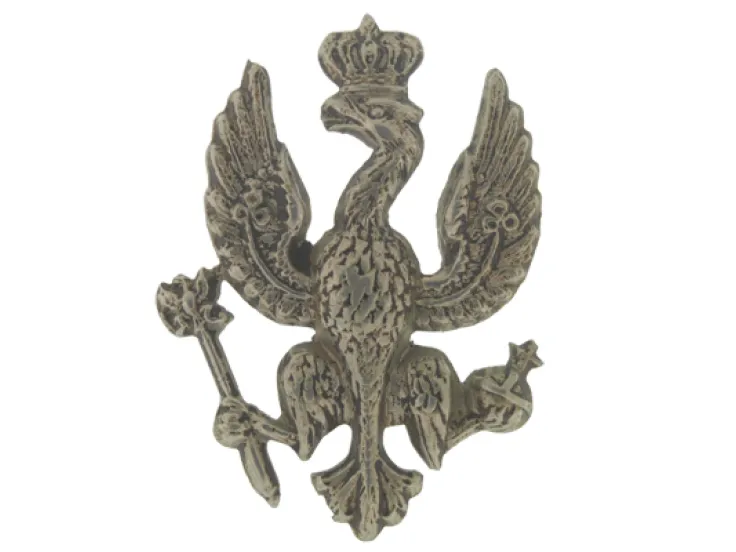
This British Army cavalry regiment was raised in 1715. It continued in service until 1922, when it amalgamated with the 20th Hussars to form the 14th/20th Hussars.
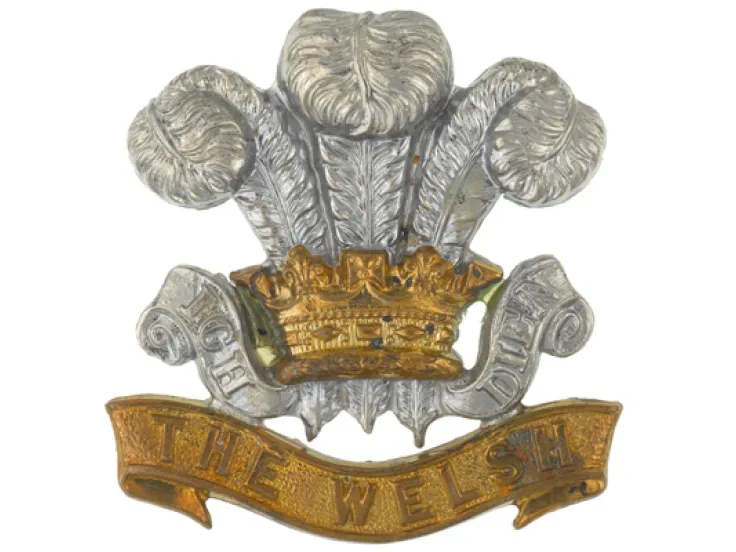
This infantry unit was created in 1881 and recruited in Camarthenshire, Glamorganshire and Pembrokeshire. It served with the British Army until 1969, when it became part of The Royal Regiment of Wales.
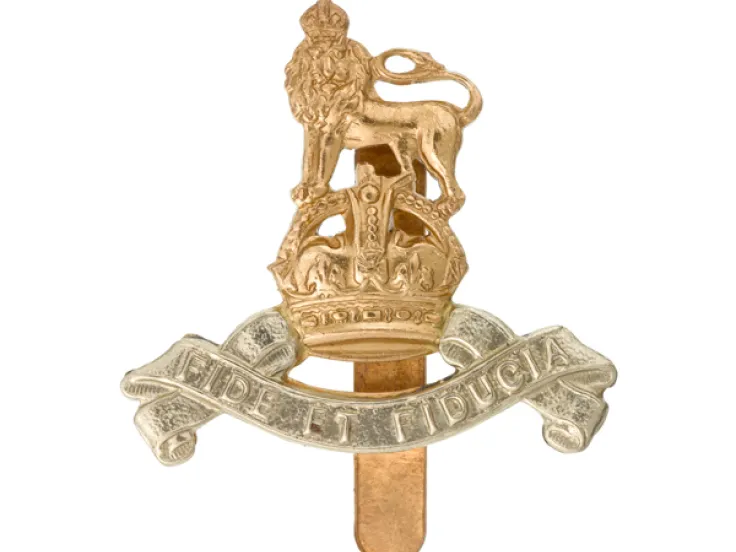
This British Army unit was responsible for administering financial matters, such as pay and accounts. It was amalgamated into the Adjutant General's Corps in 1992.
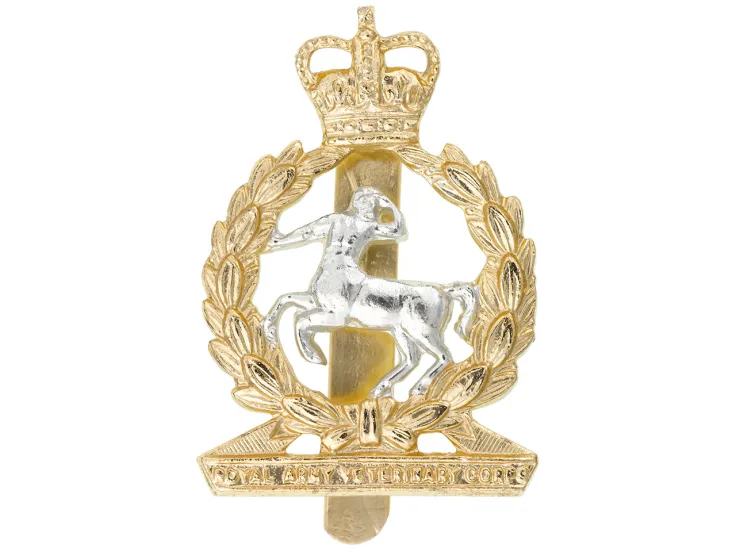
This corps is responsible for the provision, training and care of animals in the British Army. With origins dating back to the 1790s, it has served in many campaigns, including the recent conflicts in Iraq and Afghanistan.
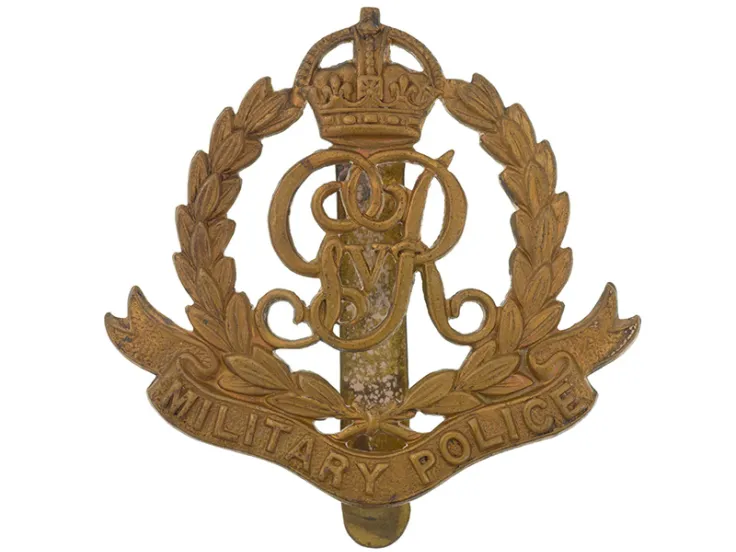
This unit was responsible for enforcing the law and maintaining discipline within the British Army. In 1992, it became part of the Provost Branch in the newly formed Adjutant General’s Corps.
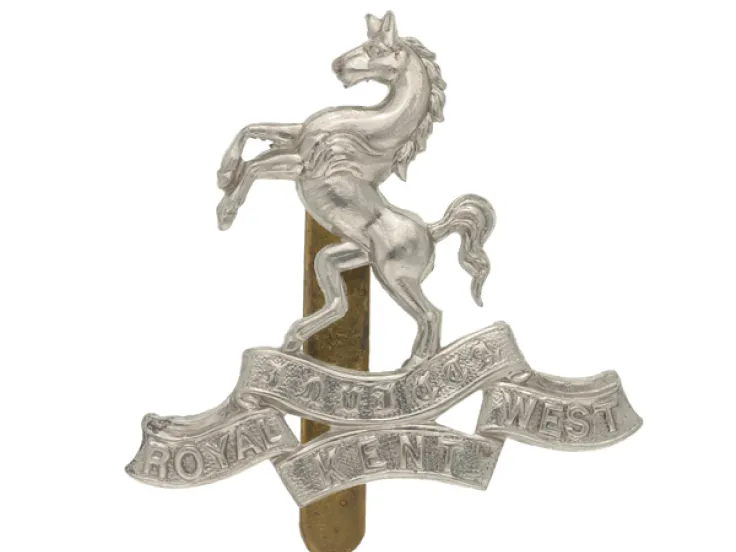
This infantry unit was formed in 1881. It continued in British Army service until 1961, when it was amalgamated into The Queen’s Own Buffs, Royal Kent Regiment.
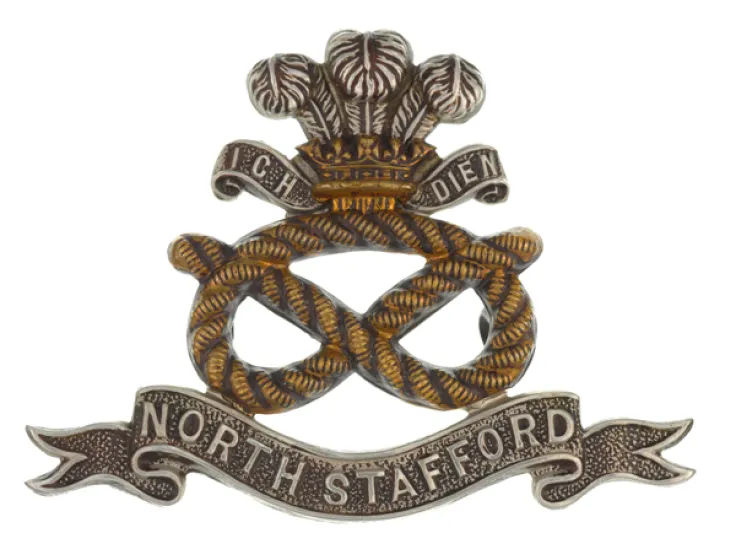
This infantry unit was raised in 1881 and continued in British Army service until 1959, when it was merged into The Staffordshire Regiment (The Prince of Wales’s).
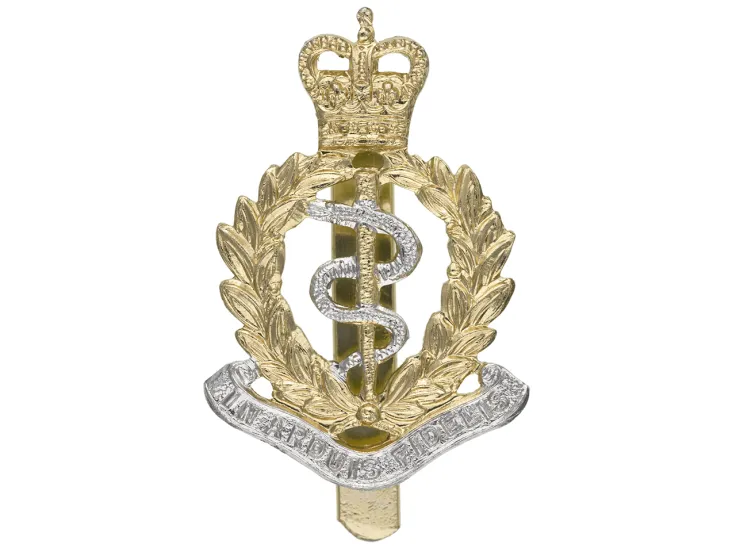
Formed in 1898, but within origins dating back to the 1660s, this specialist corps was responsible for maintaining the health of British Army service personnel. In 2024, it merged with two other corps to form the Royal Army Medical Service.
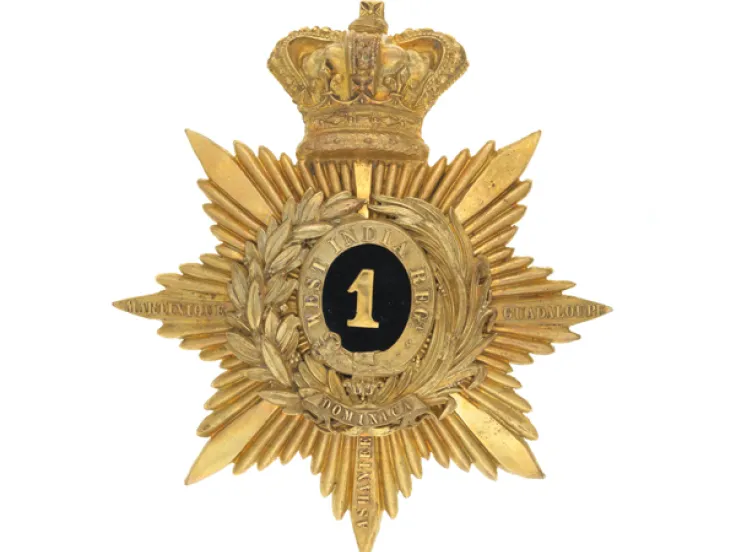
Raised in the 1790s to defend Britain's Caribbean colonies, the West India Regiments fought as infantry in several campaigns. They remained a part of the British Army until disbandment in 1927.
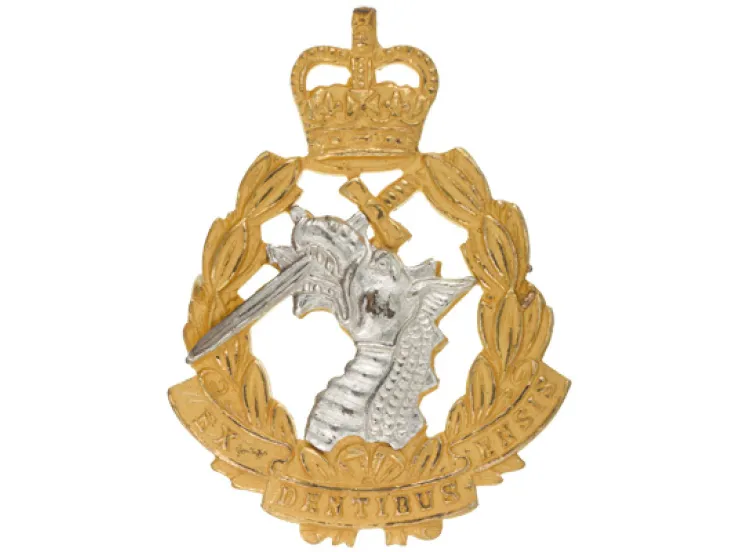
Formed in 1921, the Royal Army Dental Corps took care of the British Army’s oral hygiene for over a century, both in barracks and on active operations. In 2024, it merged with two other corps to form the Royal Army Medical Service.