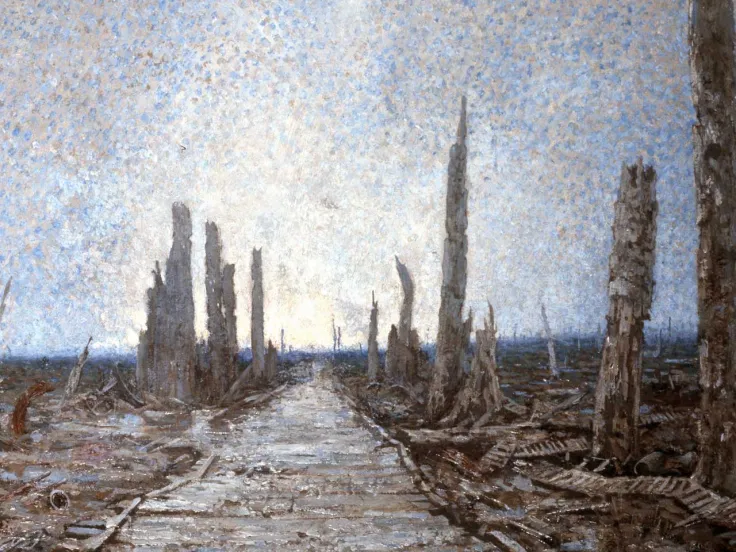
In 1917, Germany adopted a defensive strategy on the Western Front to counter the growing strength of the Allies. Despite launching several offensives, and suffering heavy casualties, the Allies achieved mixed results.
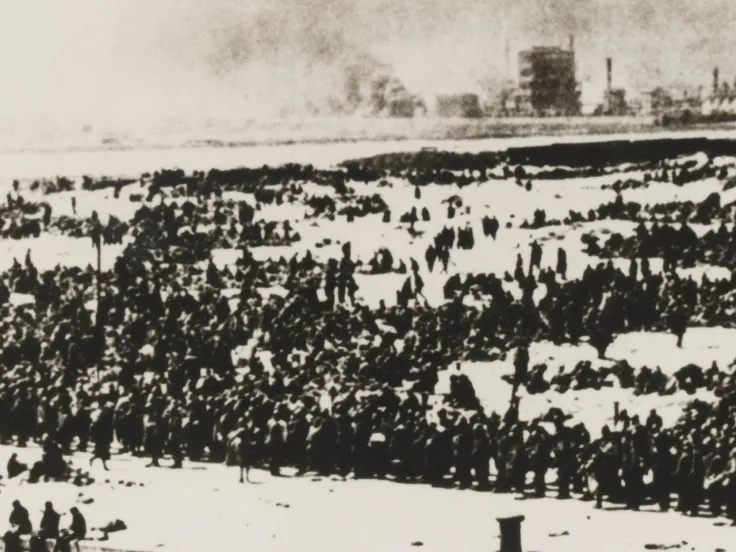
In the summer of 1940, the Germans defeated France and drove the British out of Western Europe. Following their evacuation from Dunkirk, the British found themselves facing the threat of invasion.
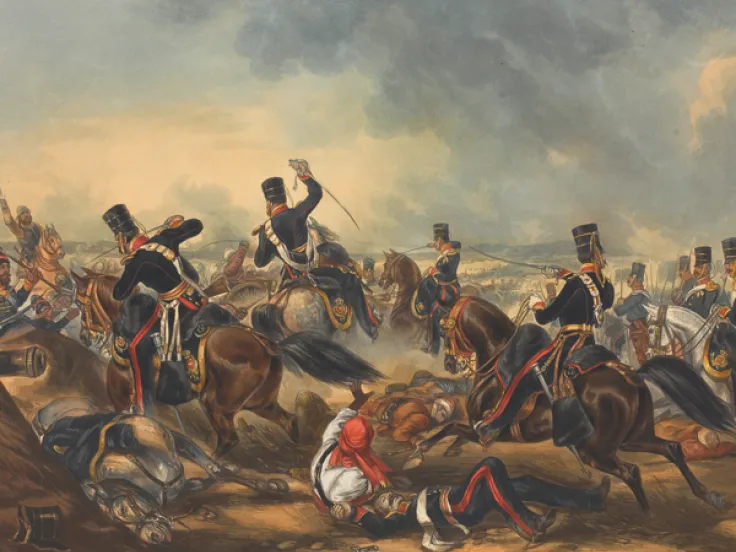
In 1845-46, the British fought a war against the Sikh Empire in the Punjab. After several bitterly fought battles, the conflict ended with the British taking partial control of the Sikh territories.
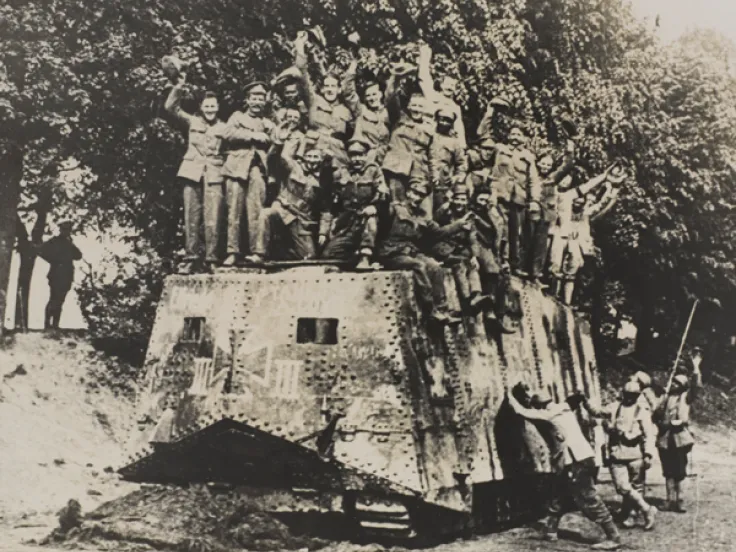
The German Spring Offensive saw mobile warfare return to the Western Front. Despite early gains, the Germans exhausted themselves, setting the stage for a successful Allied counter-offensive.
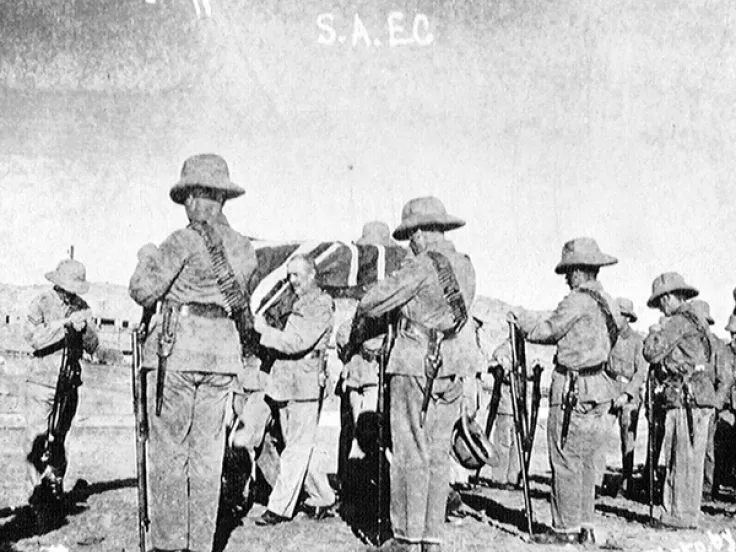
On 9 July 1915, enemy forces in German South-West Africa (now Namibia) surrendered to the Allies. This marked the final stage of a short but successful campaign of manoeuvre fought in extremely harsh conditions.
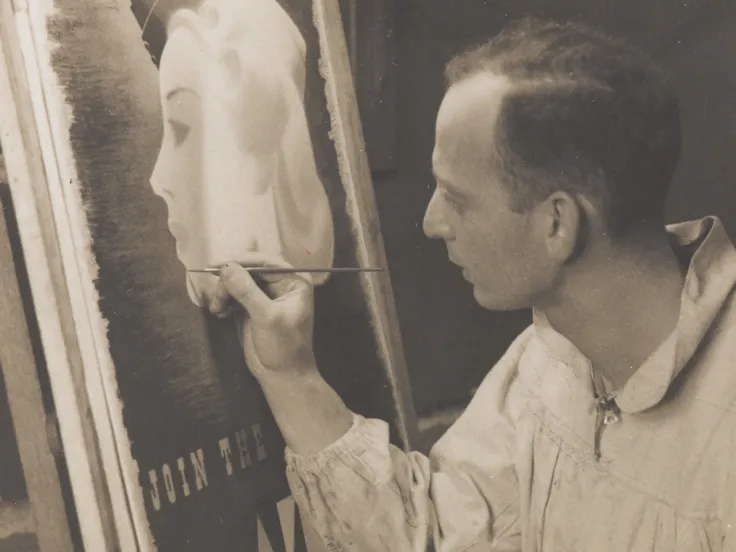
Abram Games was 'Official War Poster Artist' during the Second World War. Always direct, and occasionally controversial, his posters have left a legacy that continues to influence the art of persuasion used by visual designers today.
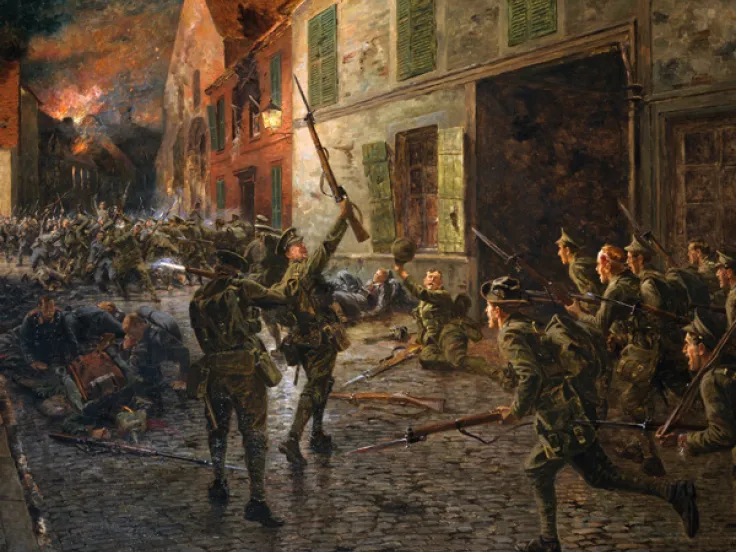
In August 1914, the British Expeditionary Force was sent to France. While relatively small, it would play a role out of all proportion to its size. But the cost was huge, and by December 1914 it had almost been wiped out.
In 1918, the British assembled a handpicked unit to carry out a daring mission to the Caucasus. Their aim was to unify into an effective force the various anti-Bolshevik and anti-Turkish groups fighting there.
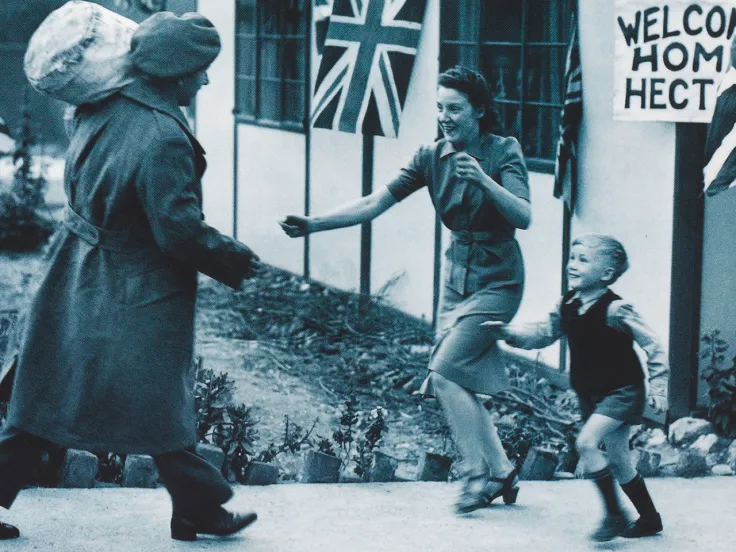
On 15 August 1945, the British government broadcast news of Japan’s unconditional surrender. This date was declared Victory over Japan Day (VJ Day) and people from all walks of life celebrated the official end of the Second World War.
During the Second World War, Abram Games produced a series of posters for the Army Bureau of Current Affairs. These aimed to remind soldiers what they were fighting for, while also offering a glimpse of the post-war society to which they could aspire.