Explore

Delve deeper into stories of the Army and its soldiers, exploring events across the globe and down the centuries.

Explore by theme
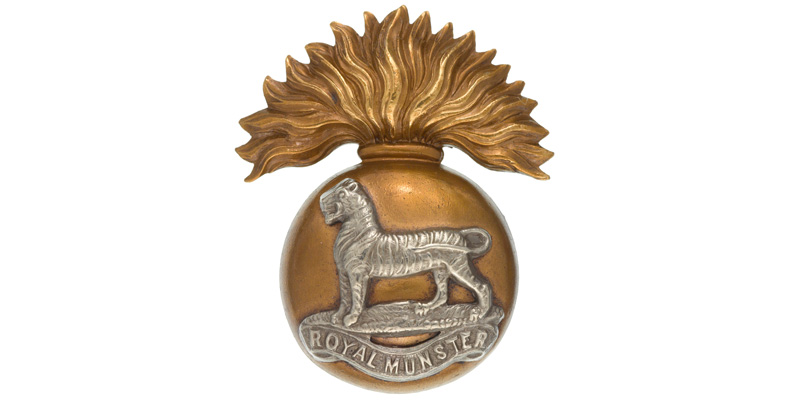
The Royal Munster Fusiliers

The Royal Munster Fusiliers

This British Army infantry unit existed between 1881 and 1922. It recruited in Munster, a province in the south-west of Ireland.

Sir William Inglis, 1820

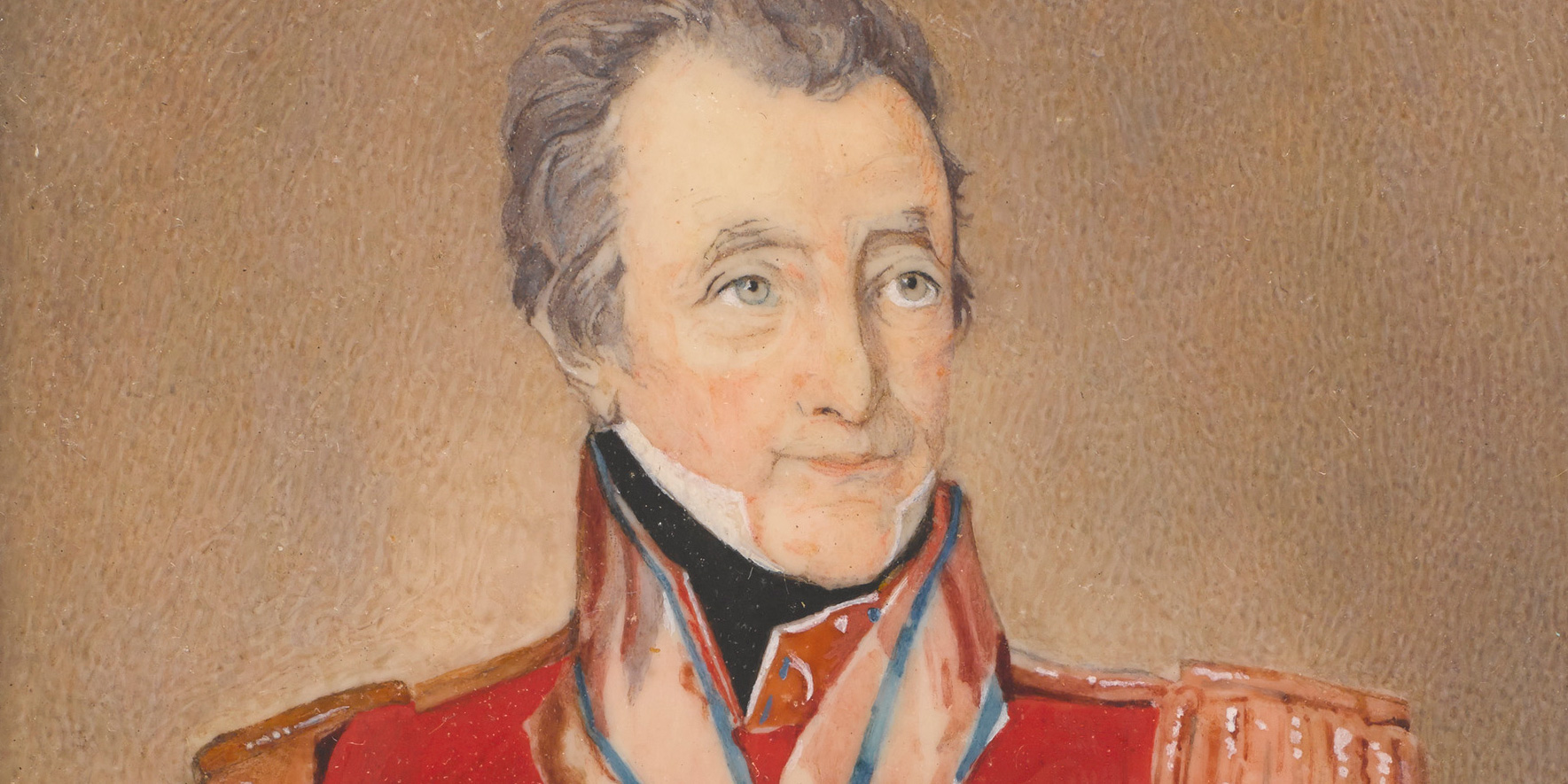
William Inglis: The original die-hard

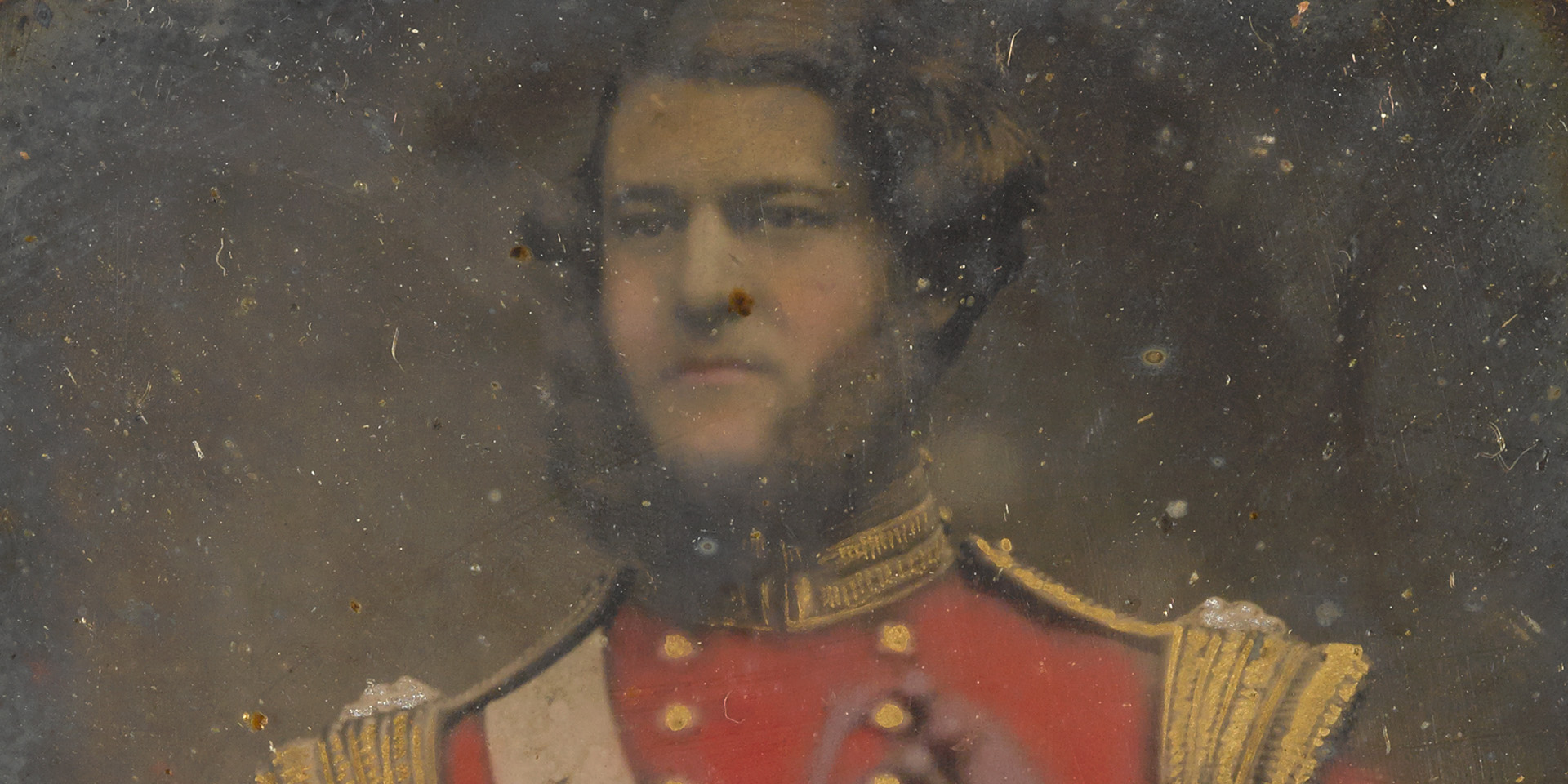
Major-General Sir William Inglis had a long and successful career. But it was his actions in the Peninsular War, when he showed enormous personal courage and leadership under fire, that earned him national fame.

The Royal Irish Regiment

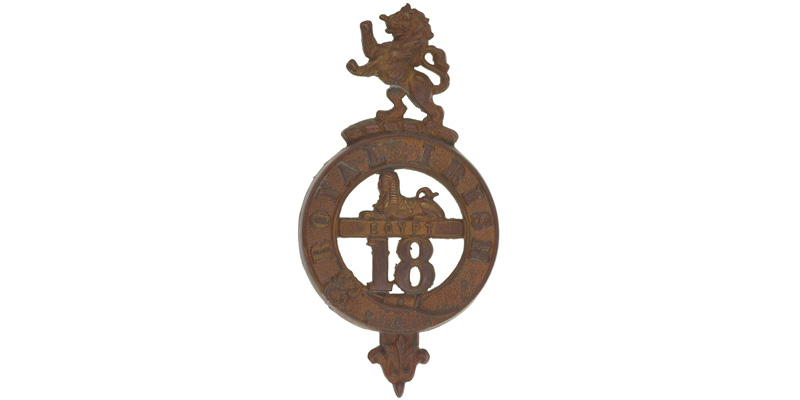
The Royal Irish Regiment

This infantry regiment was formed in 1684. After almost 250 years of service with the British Army, it was disbanded in 1922 on the establishment of the Irish Free State.

The Royal Dublin Fusiliers

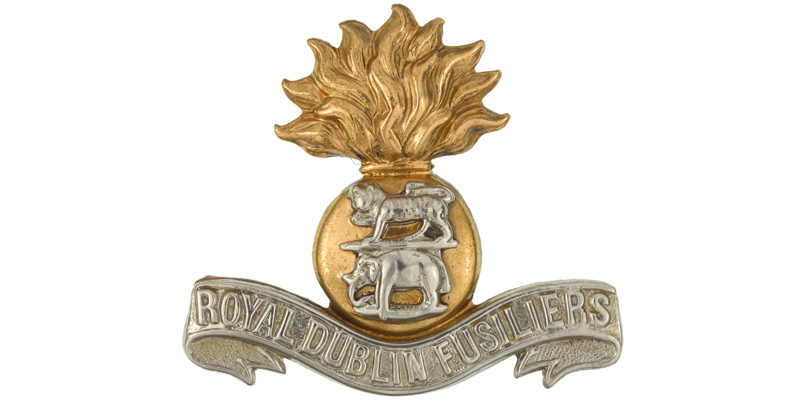
The Royal Dublin Fusiliers

The Royal Dublin Fusiliers was an infantry regiment of the British Army, which recruited in the east of Ireland.

The Prince of Wales's Leinster Regiment (Royal Canadians)

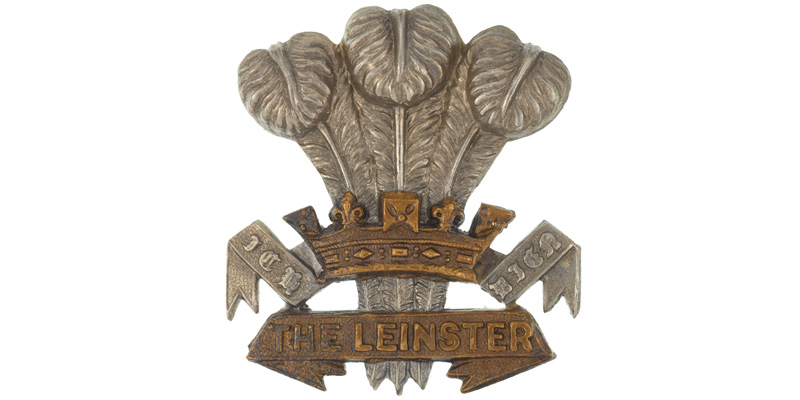
The Prince of Wales’s Leinster Regiment (Royal Canadians)

The Leinster Regiment was an infantry regiment of the British Army, which recruited predominantly in central and eastern Ireland.

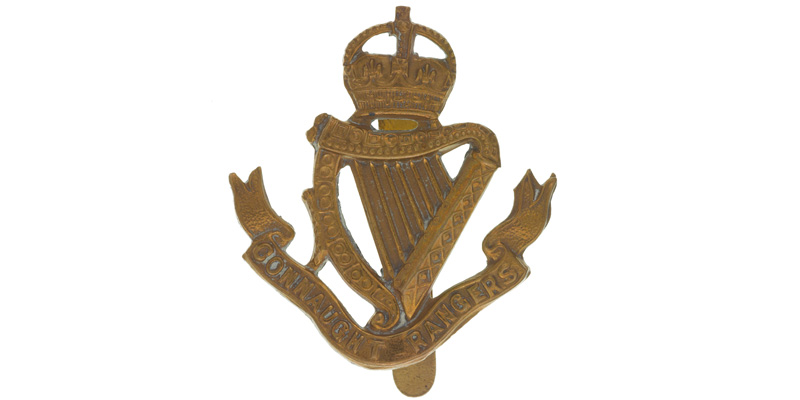
The Connaught Rangers

The Connaught Rangers

The Connaught Rangers was an Irish infantry regiment of the British Army, which mainly recruited in the west of Ireland.

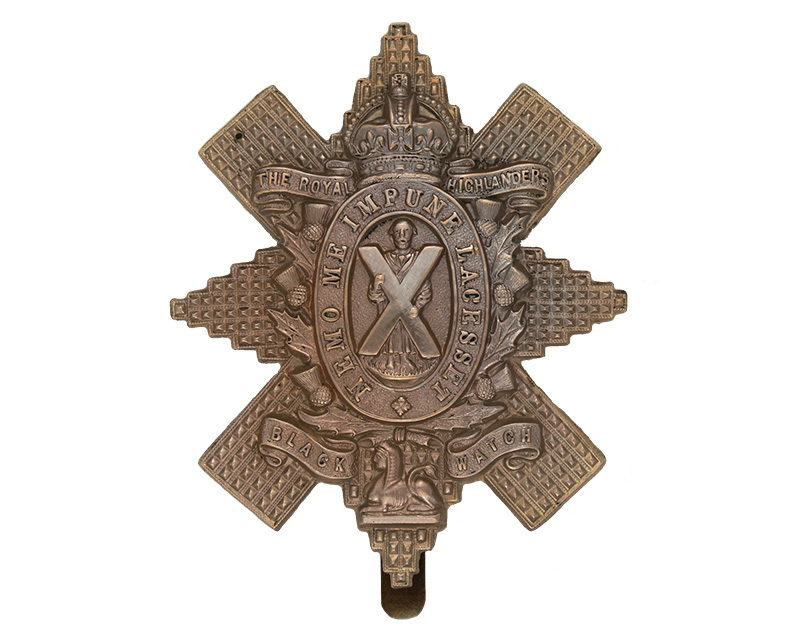
Other ranks’ cap badge of The Black Watch (Royal Highlanders), c1902

The Black Watch (Royal Highlanders)

The Black Watch can trace its origins back to the early 18th century. It went on to fight in nearly all the British Army's campaigns and is now part of The Royal Regiment of Scotland.

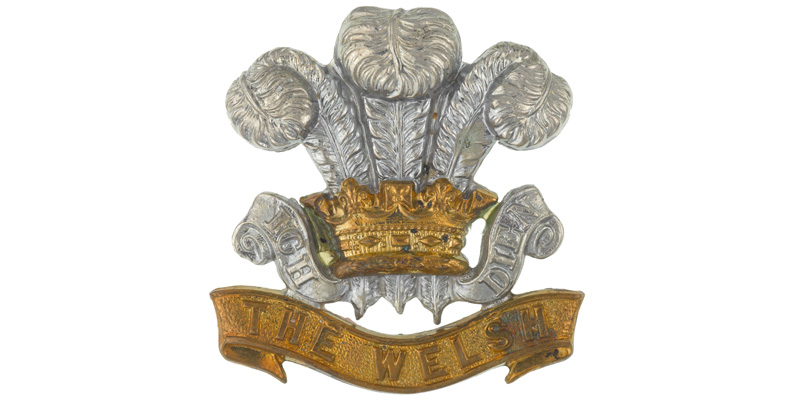
Other ranks’ cap badge, worn by Sergeant R Williams, The Welsh Regiment, c1900

The Welch Regiment

This infantry unit was created in 1881 and recruited in Camarthenshire, Glamorganshire and Pembrokeshire. It served with the British Army until 1969, when it became part of The Royal Regiment of Wales.

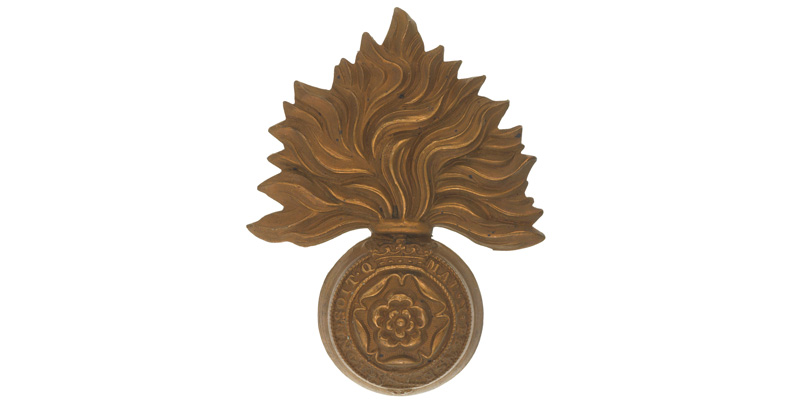
The Royal Fusiliers (City of London Regiment)

The Royal Fusiliers (City of London Regiment)

The Royal Fusiliers was an infantry regiment dating back to 1685. It was the first British Army regiment to be designated as fusiliers and later became the city regiment for London.

Cap badge of the Royal Artillery, c1903

Royal Artillery

The Royal Regiment of Artillery is the artillery arm of the British Army and has been in official service since 1716. It has participated in every campaign in which the Army has been involved.

Other ranks’ glengarry badge, The Highland Light Infantry, c1900

The Highland Light Infantry (City of Glasgow Regiment)

This infantry regiment was formed in 1881 and drew its recruits mainly from Glasgow and the Scottish Lowlands. It merged with The Royal Scots Fusiliers in 1959 to become The Royal Highland Fusiliers.

Other ranks’ cap badge, The Middlesex Regiment (Duke of Cambridge’s Own)

The Middlesex Regiment (Duke of Cambridge’s Own)

The Middlesex Regiment was an infantry regiment of the British Army, created in 1881 and amalgamated in 1966 into The Queen’s Regiment.

Stories of remembrance

story

Peace and commemoration

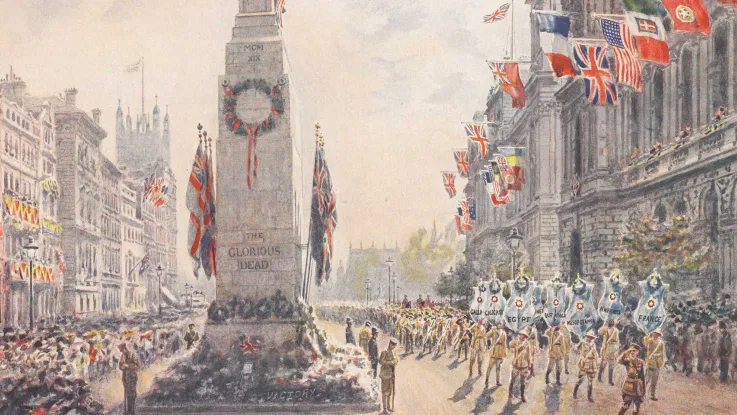
After the Armistice in November 1918, millions of soldiers hoped they would soon go home. But demobilising so many troops was a huge task. How best to mark the Allied victory also became a subject for debate.

Story

Honouring the fallen

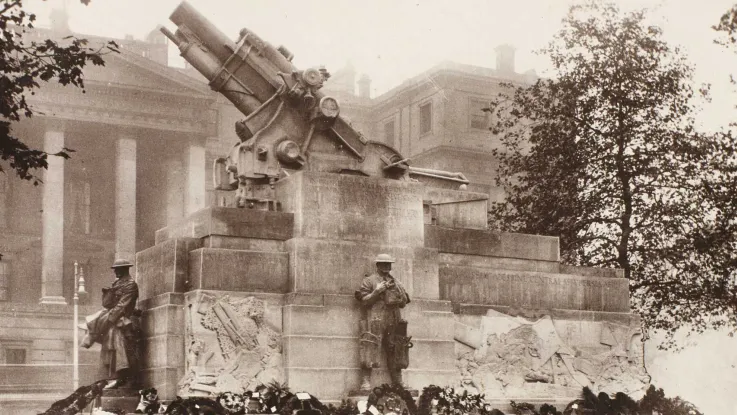
After the First World War, British society had to come to terms with the loss of huge numbers of its service personnel. Across the country, people found ways to commemorate the fallen at a local and national level.

Story

The Unknown Warrior

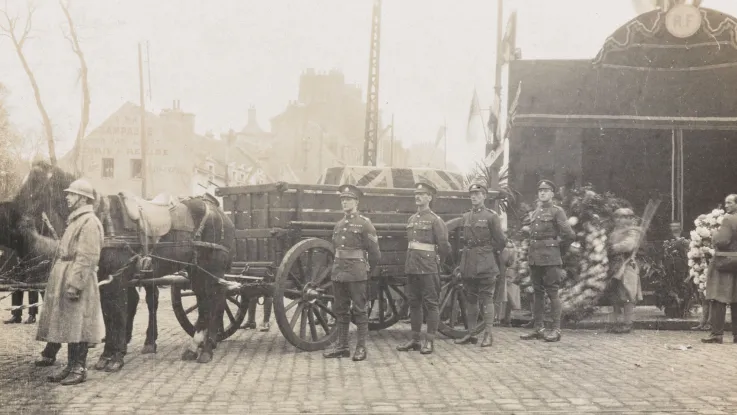
The grave of the Unknown Warrior contains the remains of an unidentified British serviceman, interred in 1920 to honour the fallen of the First World War. The secretive selection process remains shrouded in mystery.