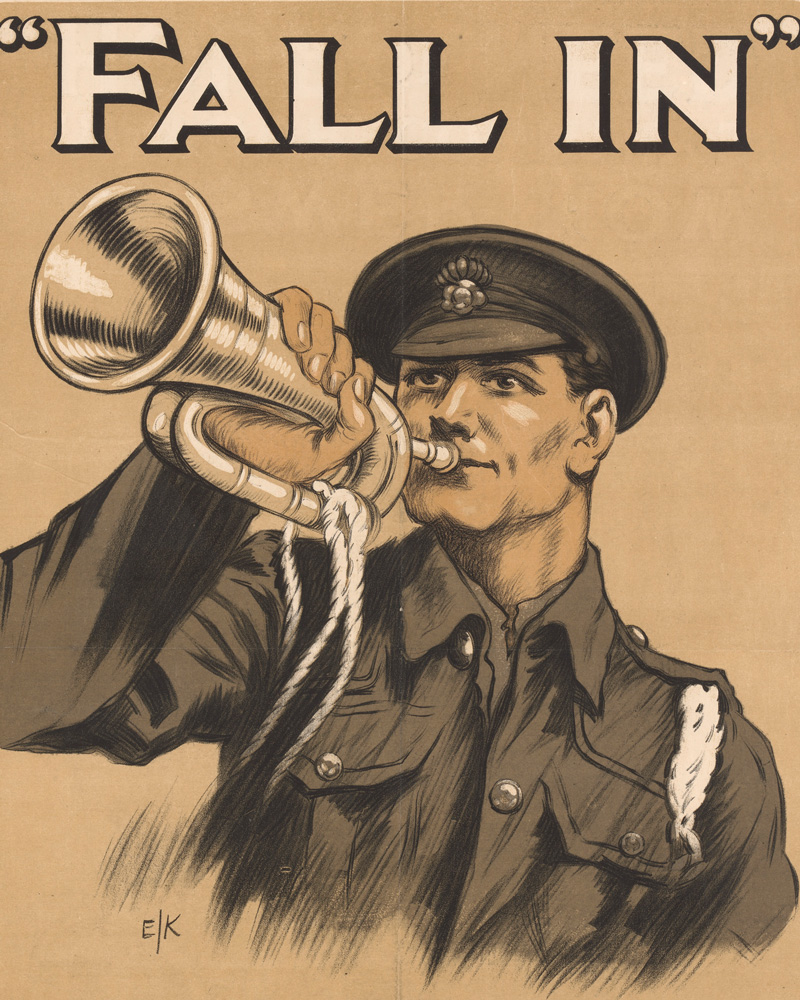
The outbreak of war in August 1914 was greeted with enthusiasm in Britain. But to meet its commitment to its allies, the nation would have to expand its small professional army and make it ready for war as quickly as possible.
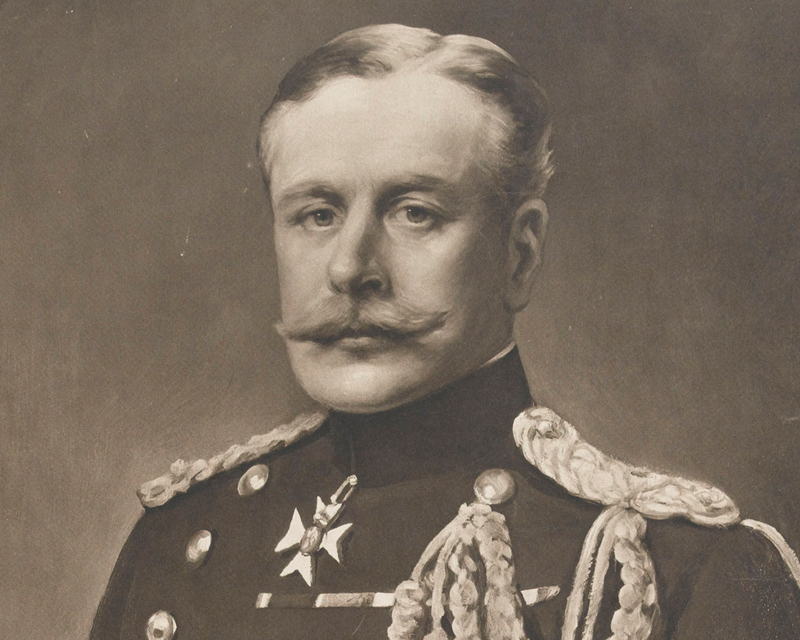
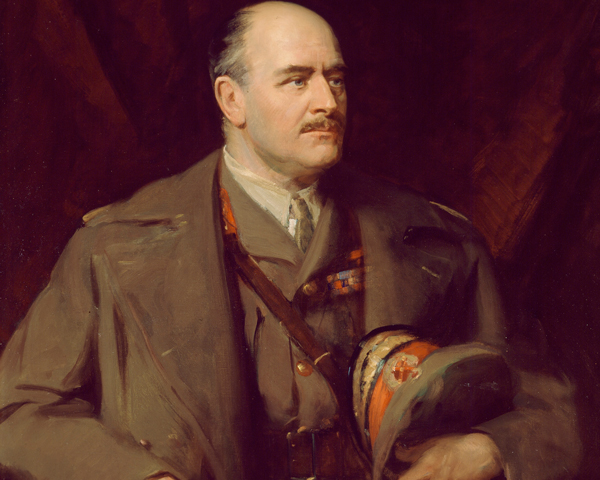
Field Marshal Sir Douglas Haig commanded the British Army when it achieved arguably its greatest victories, those over the Germans on the Western Front. But for many his leadership was marked by unacceptable losses.
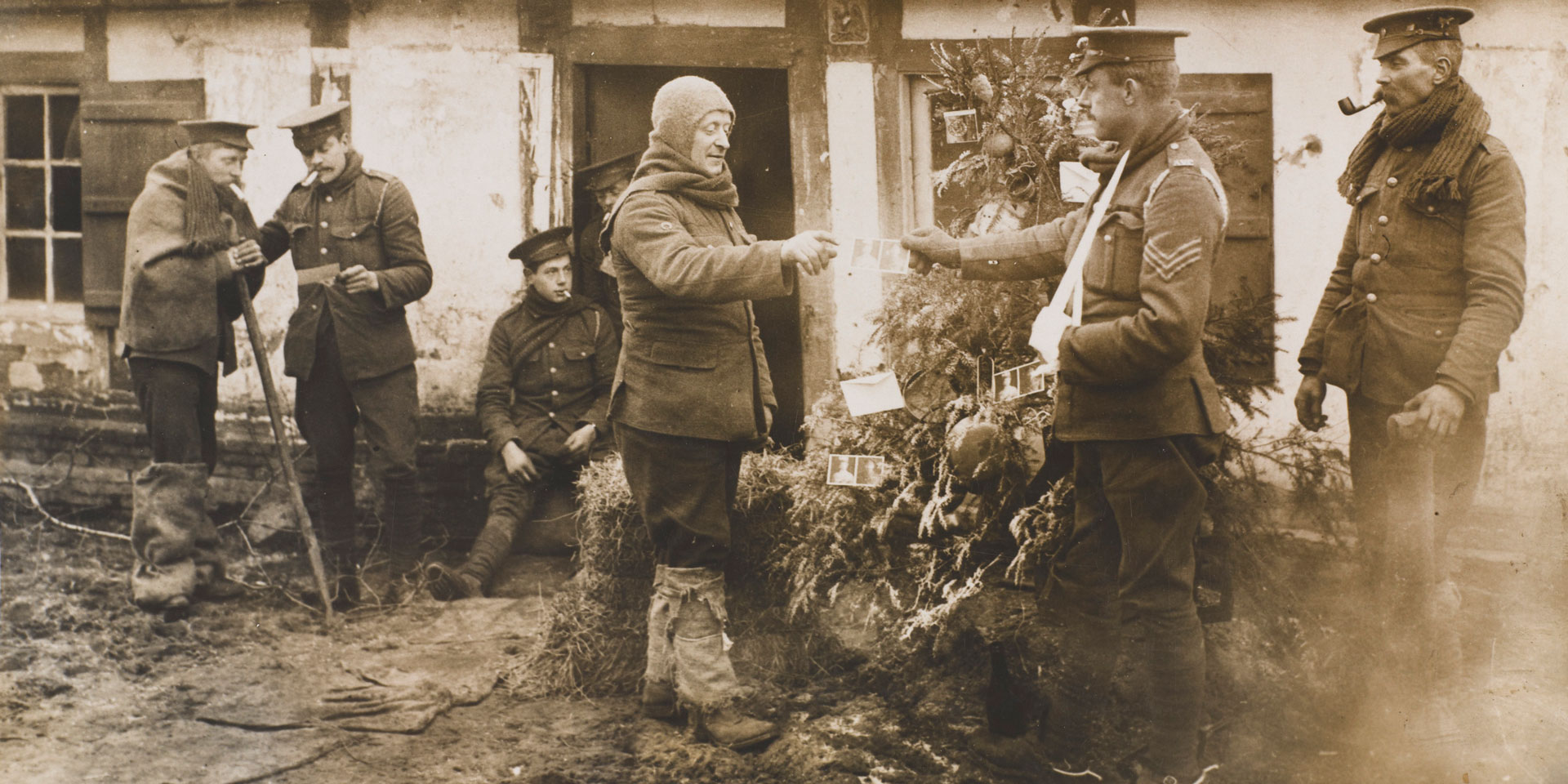
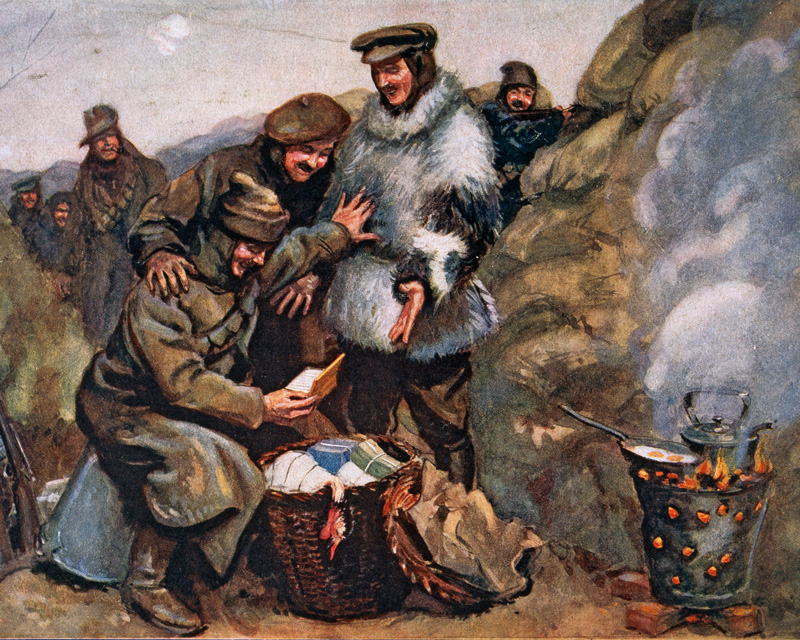
Here we look at some of the Christmas cards sent by soldiers during the First World War, and how they helped ease the pressures of life on the front line.
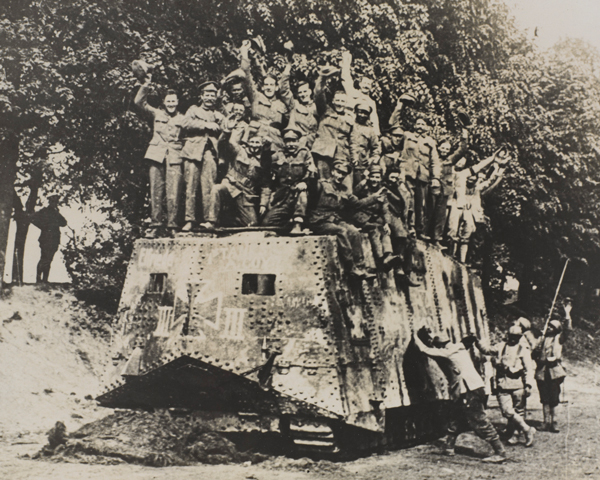
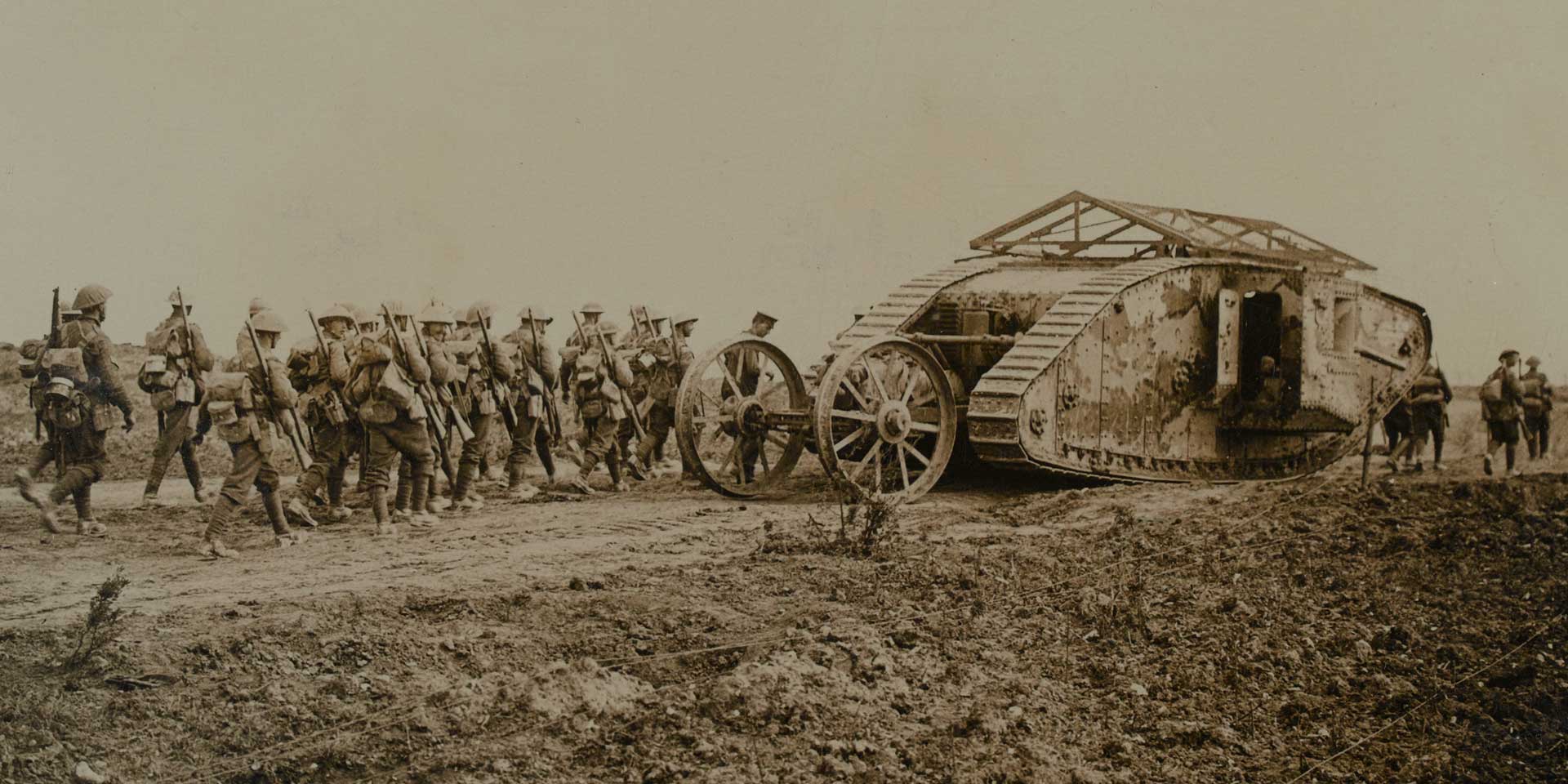
The German Spring Offensive saw mobile warfare return to the Western Front. Despite early gains, the Germans exhausted themselves, setting the stage for a successful Allied counter-offensive.
General Sir Edmund Allenby led the British Empire to victory in the Middle East in 1918. He successfully pioneered the combined use of infantry, cavalry and aeroplanes at the Battle of Megiddo.
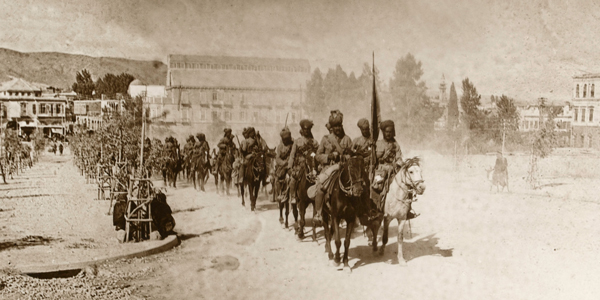
Fought in September 1918, this was the climactic battle of the Sinai and Palestine campaign of the First World War. Ottoman forces found themselves encircled by British Empire forces under General Edmund Allenby.
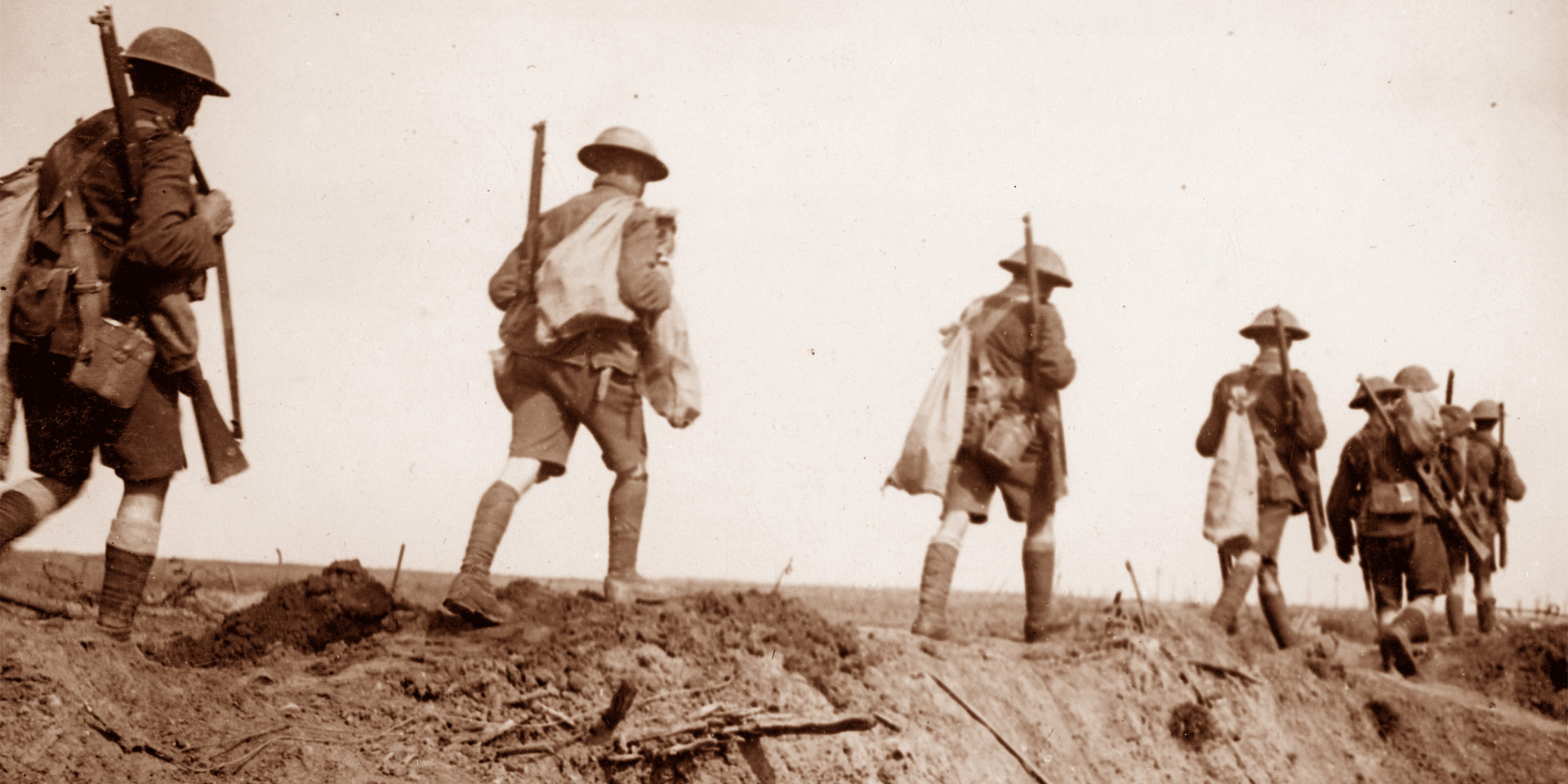
The Battle of Loos took place on the Western Front in September-October 1915. At the time, it was the largest British offensive of the First World War.
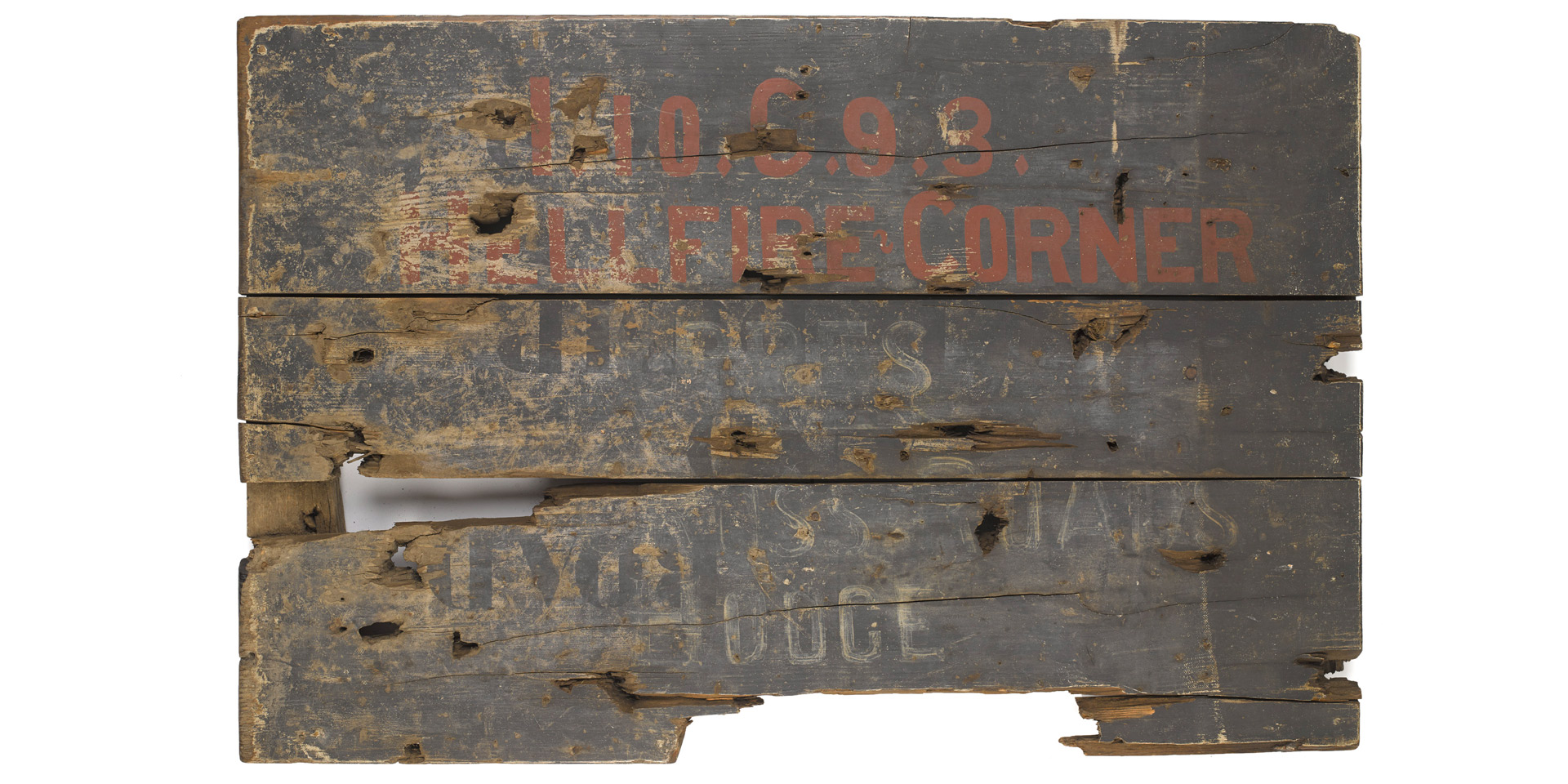
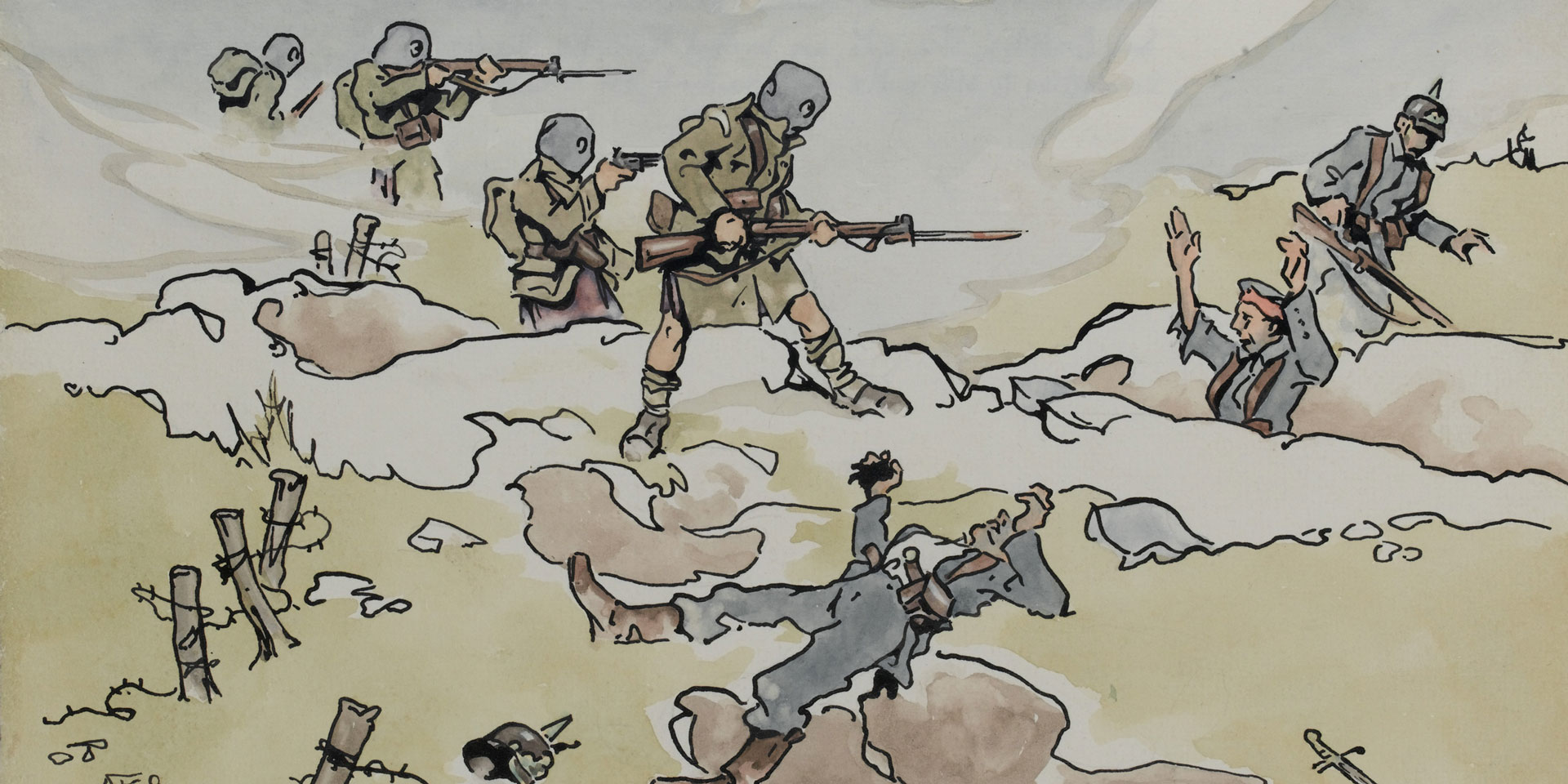
In July 1917, the British and French launched a massive offensive near the Belgian city of Ypres. The bitter struggle that followed came to symbolize the horrors of trench warfare.
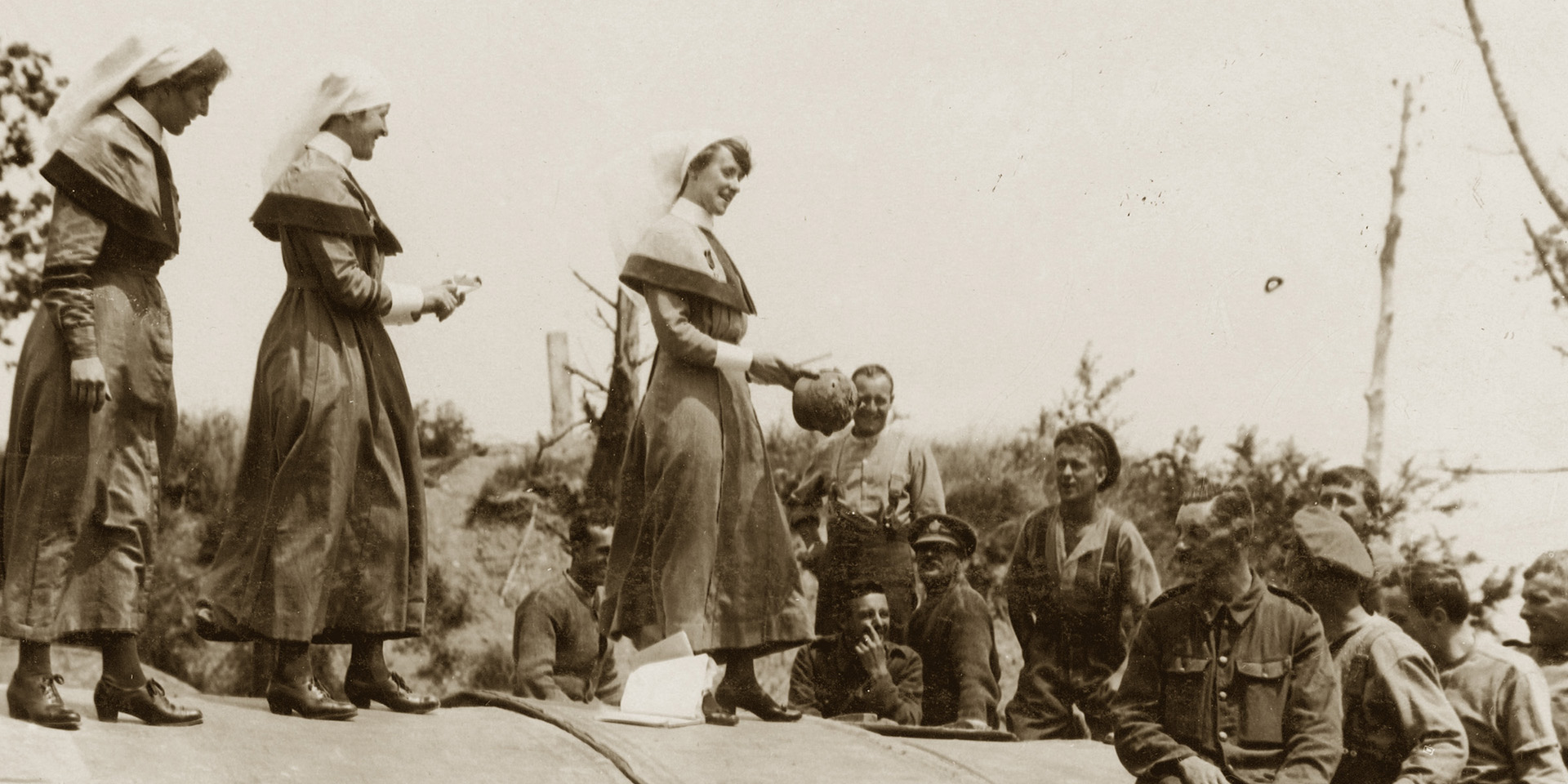
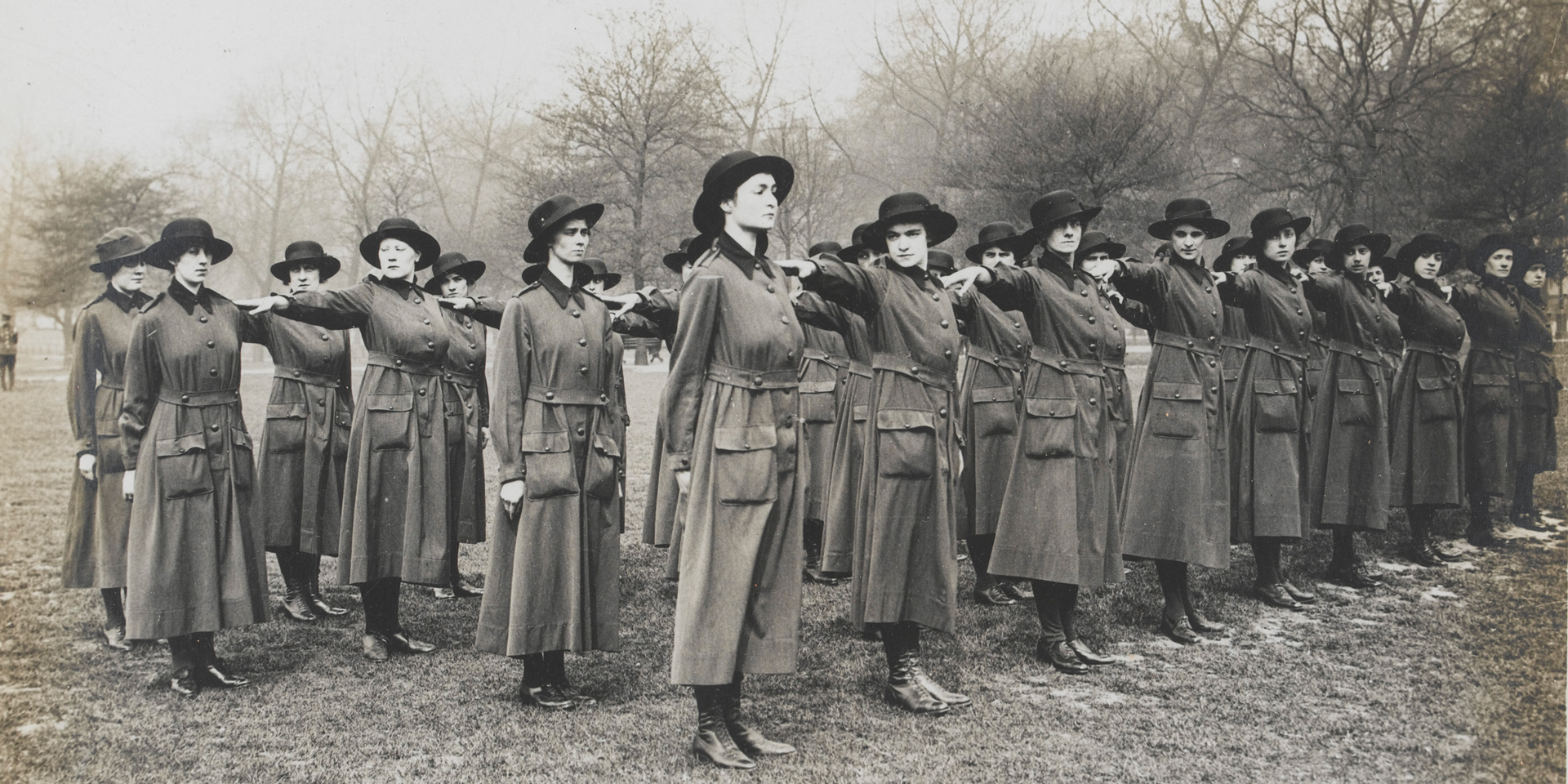
As the entire nation mobilised for the First World War, women took up new challenges. Many of these opportunities had previously been off limits, including military service.
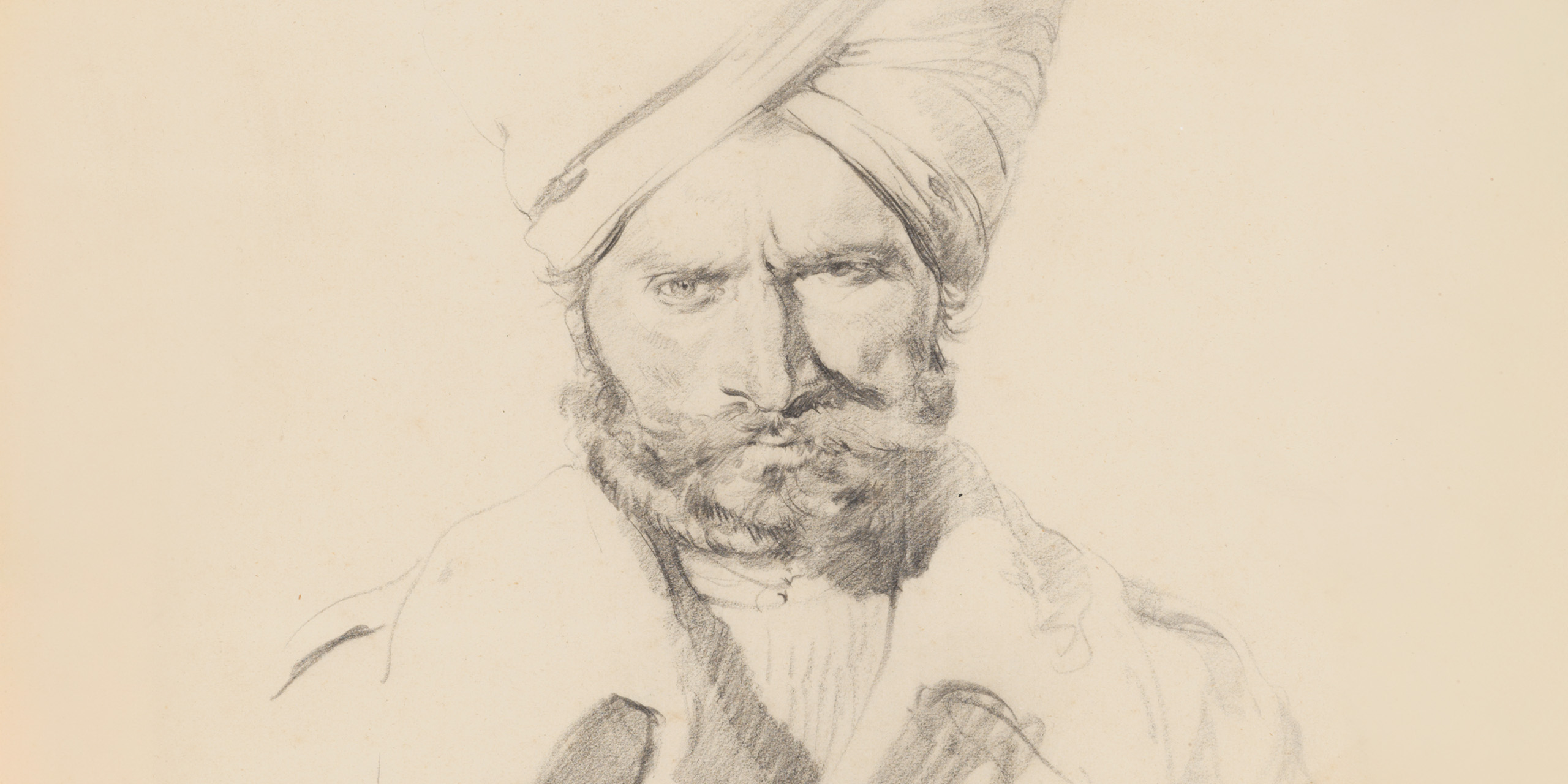
Through a unique selection of intimate sketches, this exhibition offers a rare glimpse of everyday life for soldiers serving far from home during the First World War.
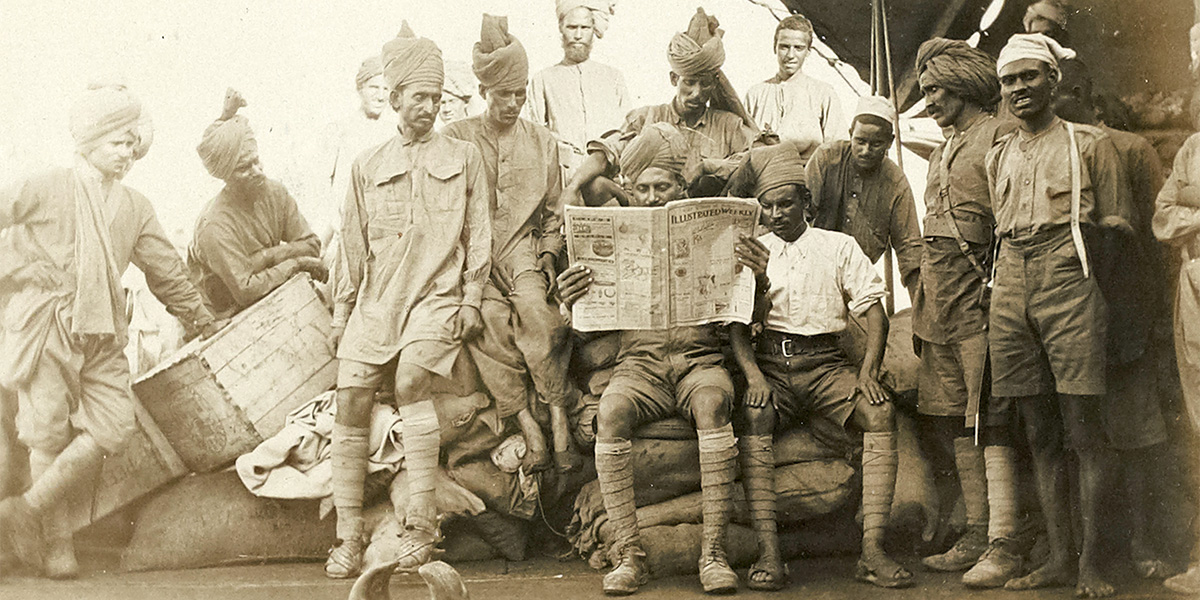
To mark the opening of our new exhibition, ‘Drawn on the Western Front: Paul Sarrut and the Indian Army’, join us for a day of talks, tours and activities.
Delve into the fascinating history of the First World War with our giant, interactive board game. Take on our challenge to make it to the end and beat the game.
Follow expert guide Edward Richards on a British Sign Language (BSL) tour of our exhibition ‘Drawn on the Western Front: Paul Sarrut and the Indian Army’.
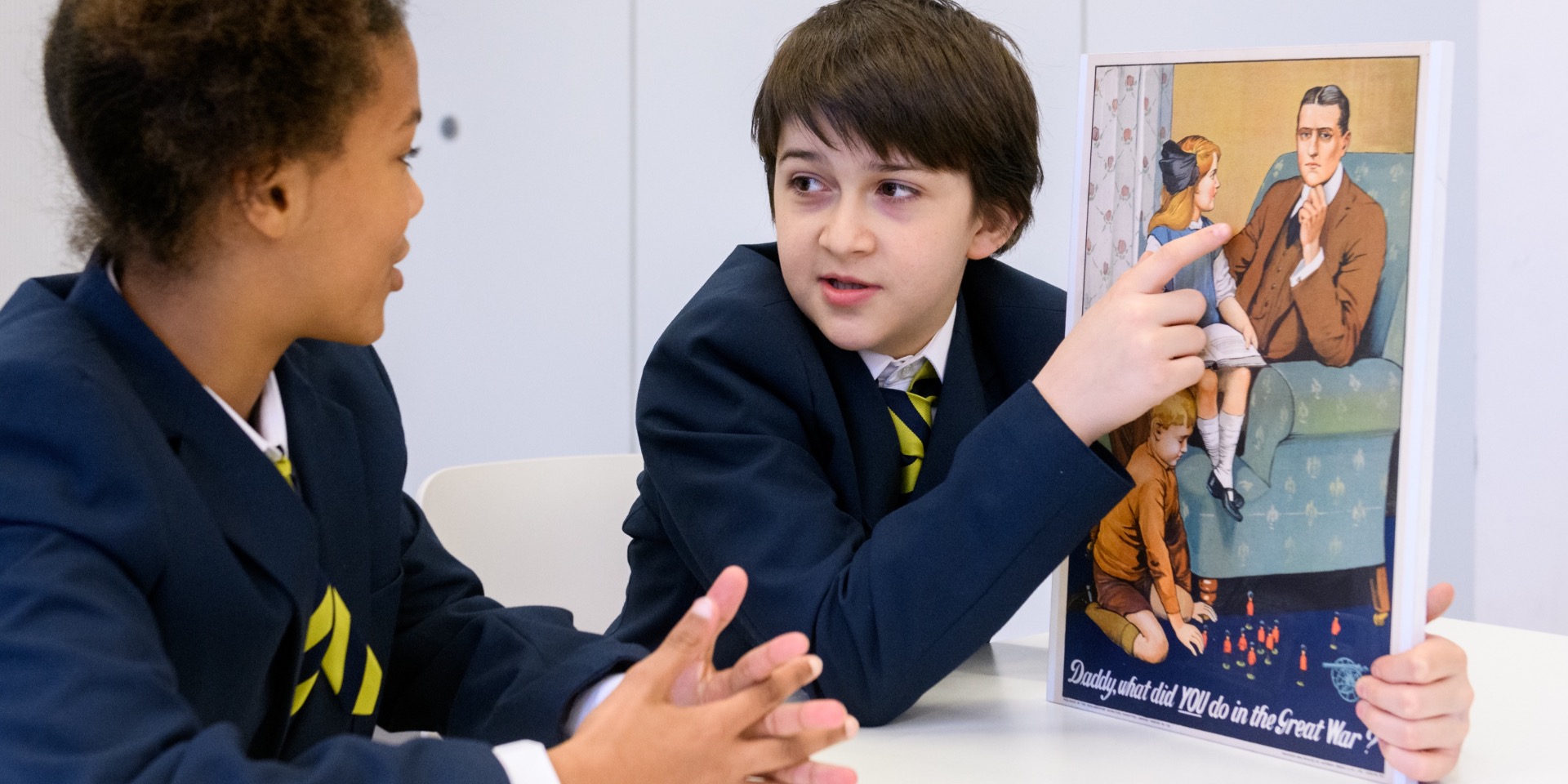
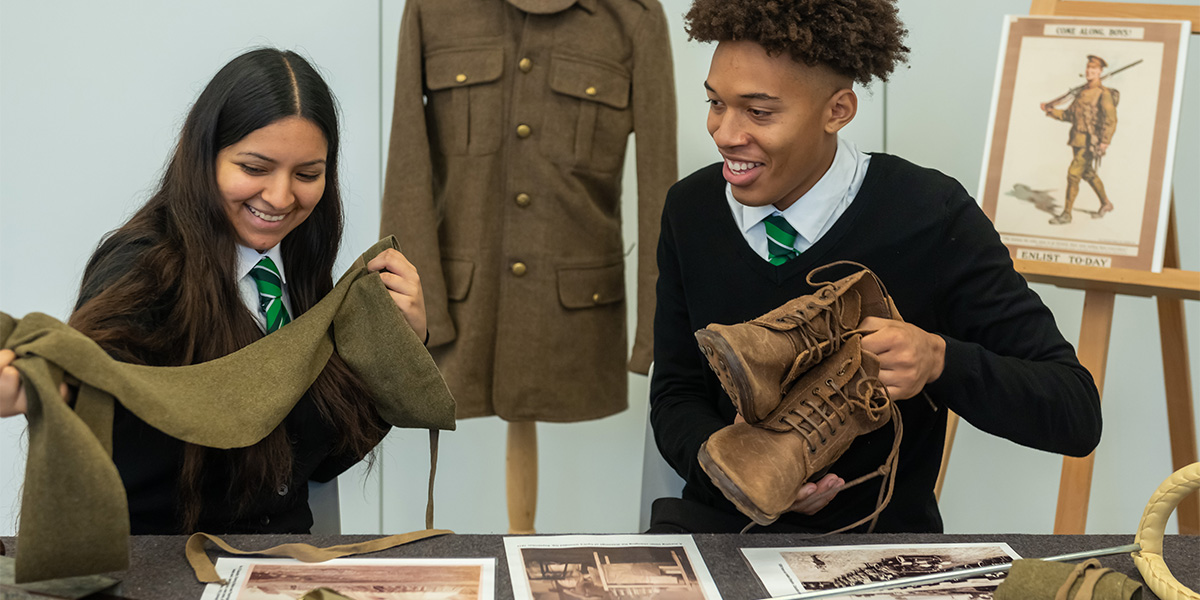
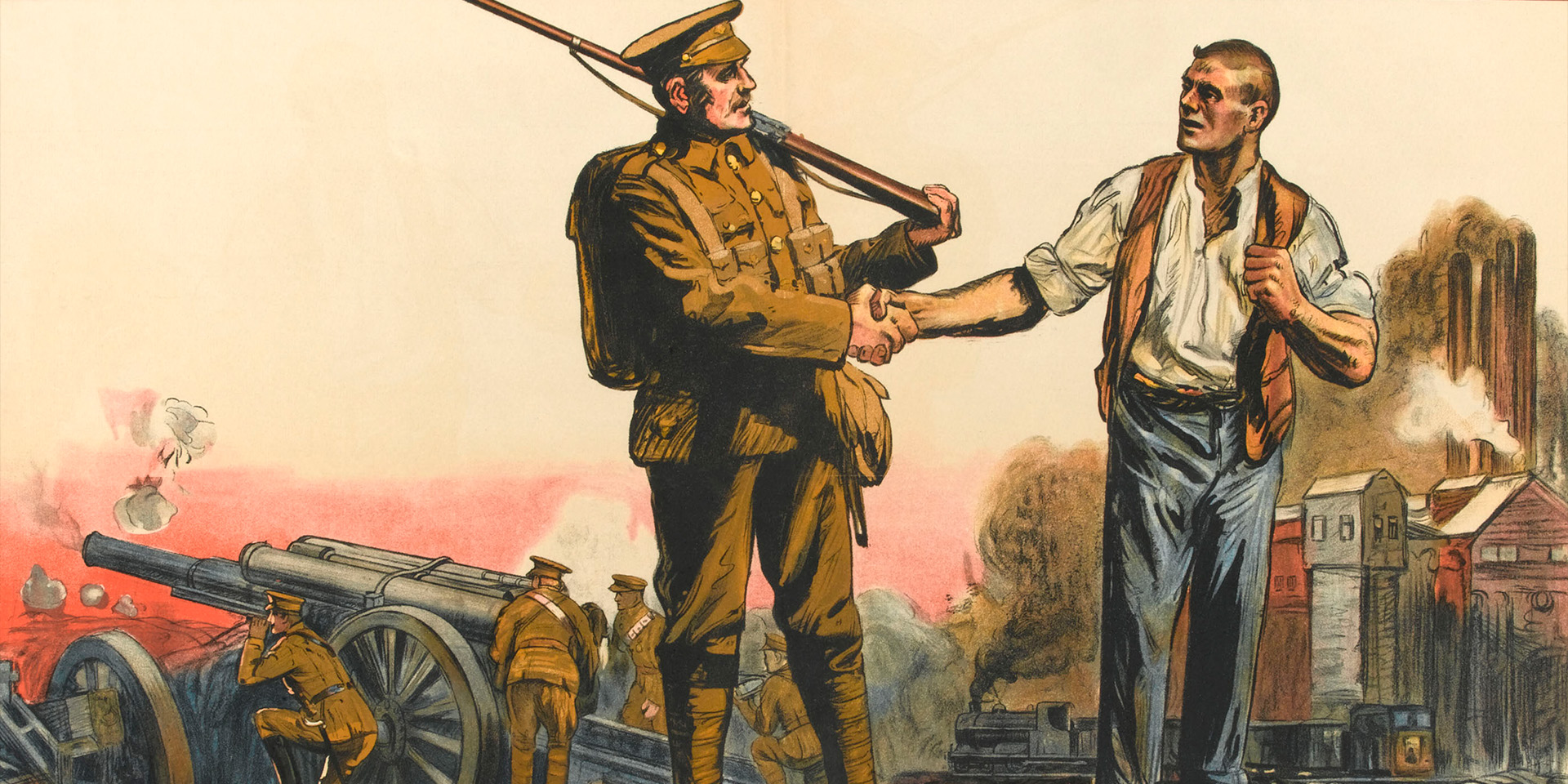
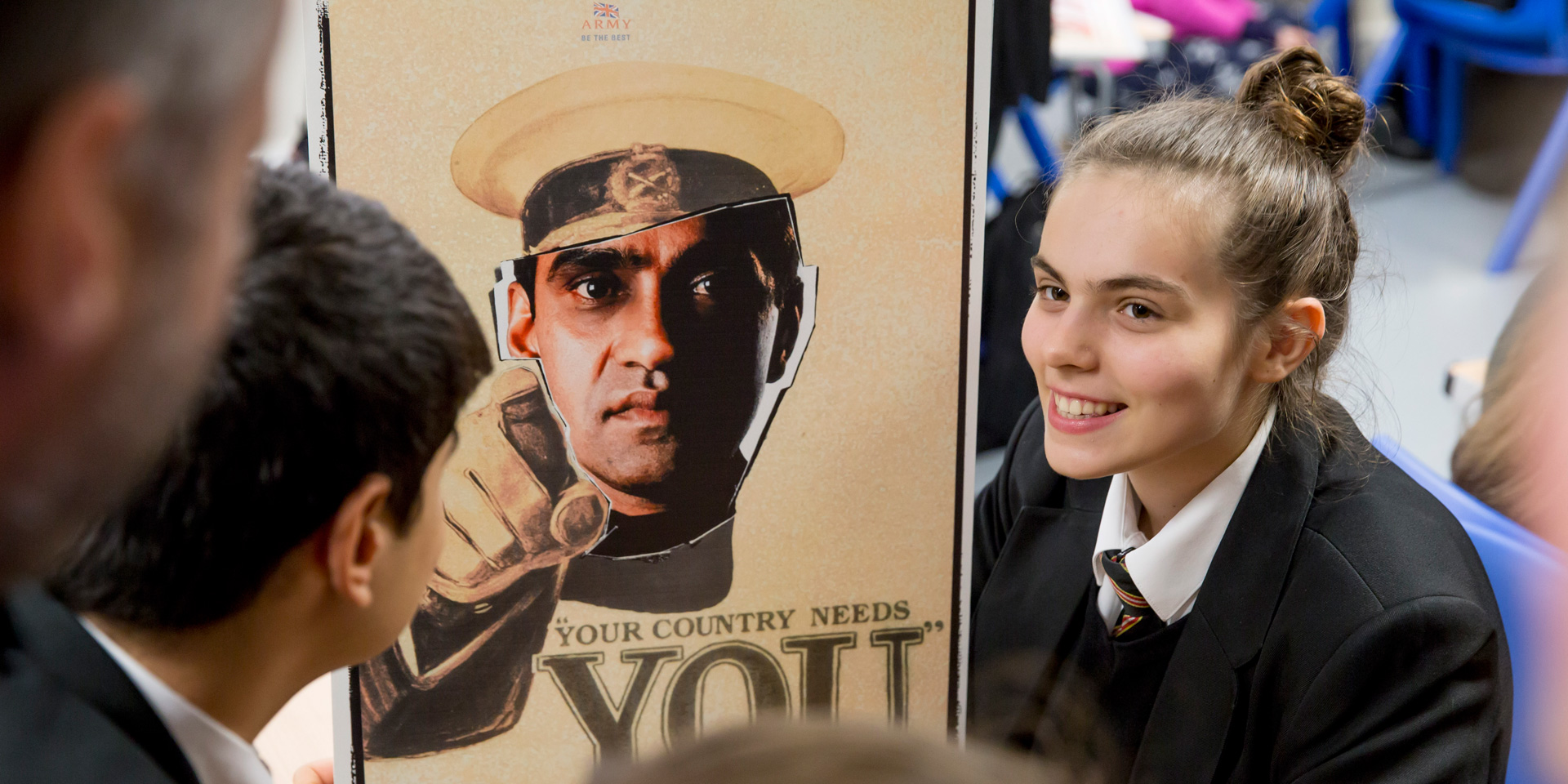
Analyse recruitment posters from the Museum's collection and multimedia recreations of First World War parliamentary debates to explore the history of Army recruitment and conscription.
Explore artefacts and sources on the causes and treatment of injuries and illnesses on the Western Front during the First World War, and assess the impact of these innovations.
Explore the history of the British Army in India and the British Empire's Indian armies through this interactive timeline packed with over 200 sources.