Explore

Delve deeper into stories of the Army and its soldiers, exploring events across the globe and down the centuries.

Explore by theme
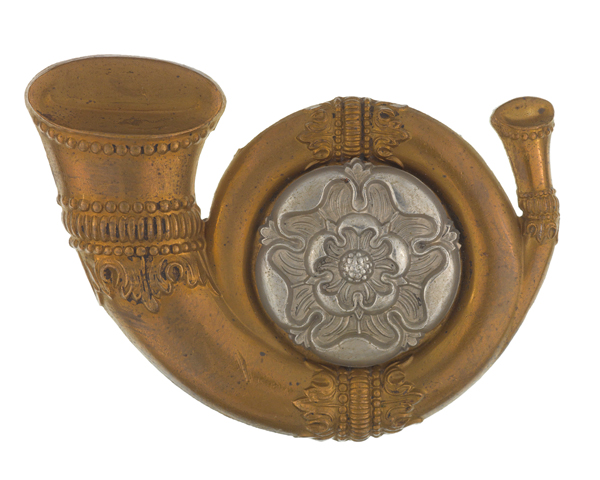
Other ranks' cap badge, The King's Own Yorkshire Light Infantry, c1910

The King’s Own Yorkshire Light Infantry

This infantry unit was formed in 1881. It served in many British Army campaigns until 1968, when it became part of The Light Infantry.

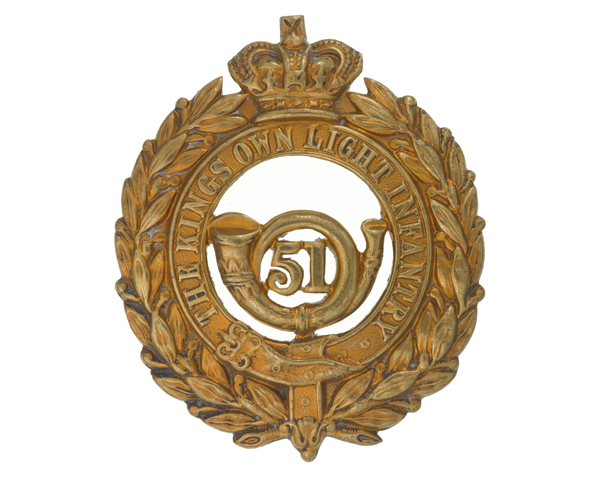
Glengarry badge, 51st (2nd Yorkshire West Riding) or The King's Own Light Infantry, c1874

51st (2nd Yorkshire West Riding), or The King’s Own Light Infantry Regiment

This infantry unit was raised in 1755. It served until the 1881 Army reforms, when it became part of The King’s Own Light Infantry (South Yorkshire Regiment).

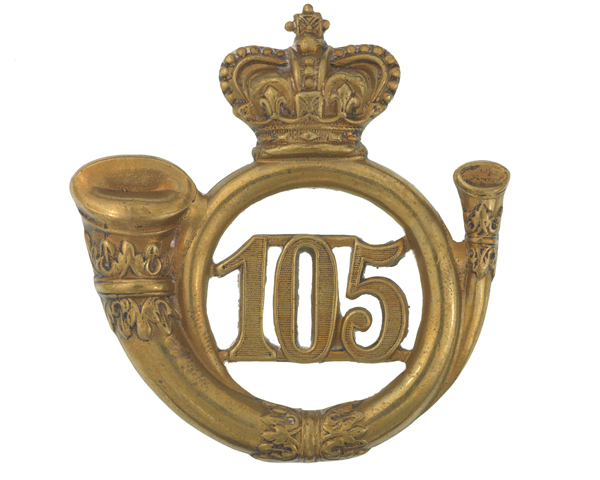
Glengarry badge, other ranks, 105th Regiment of Foot (Madras Light Infantry), c1874

105th Regiment of Foot (Madras Light Infantry)

This infantry unit was originally part of the army of the East India Company, but transferred to the British Army in 1862. It became part of The King’s Own Light Infantry during the 1881 reforms.

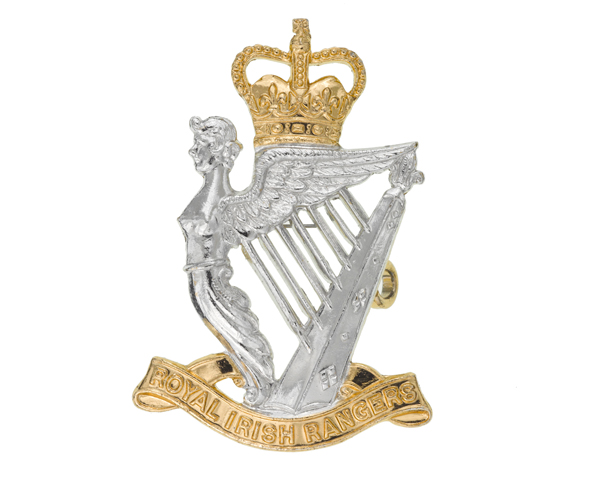
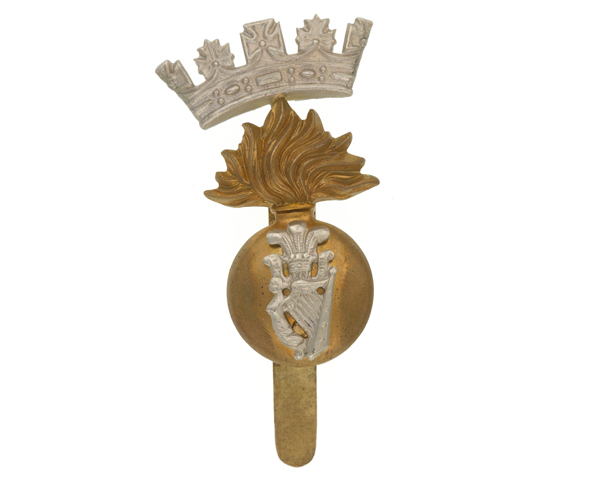
Cap badge, other ranks, The Royal Irish Rangers, c1970

The Royal Irish Rangers (27th (Inniskilling), 83rd and 87th)

This infantry unit was established in 1968 and recruited in Northern Ireland. It served with the British Army until 1992, when it was merged into The Royal Irish Regiment.

Cap badge, Princess Victoria’s (Royal Irish Fusiliers), c1914

The Royal Irish Fusiliers (Princess Victoria’s)

This infantry unit was formed in 1881 and recruited in the Irish province of Ulster. It continued in British Army service until 1968, when it was merged into The Royal Irish Rangers.

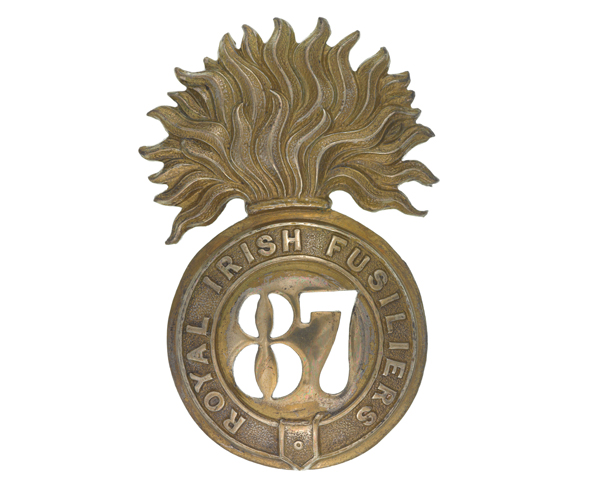
Glengarry badge, other ranks, 87th (Royal Irish Fusiliers) Regiment, c1874

87th (Royal Irish Fusiliers) Regiment of Foot

This Irish infantry unit was raised in 1793. It served with the British Army until the 1881 reforms, when it was merged into The Royal Irish Fusiliers.

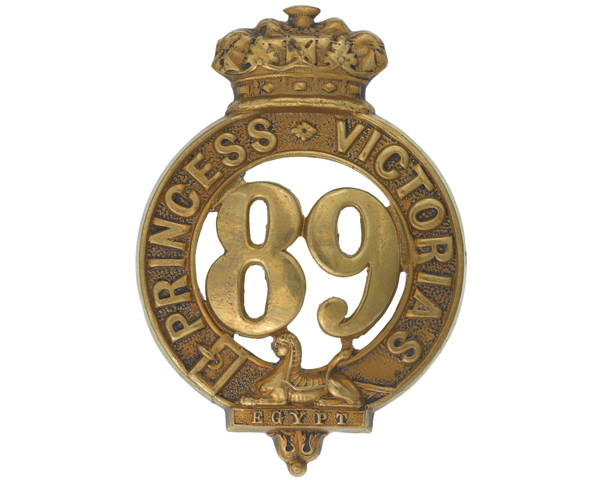
Glengarry badge, 89th (Princess Victoria’s) Regiment of Foot, c1874

89th (The Princess Victoria’s) Regiment of Foot

This Irish infantry unit was raised in 1793. It served with the British Army until the 1881 reforms, when it was merged into The Royal Irish Fusiliers.

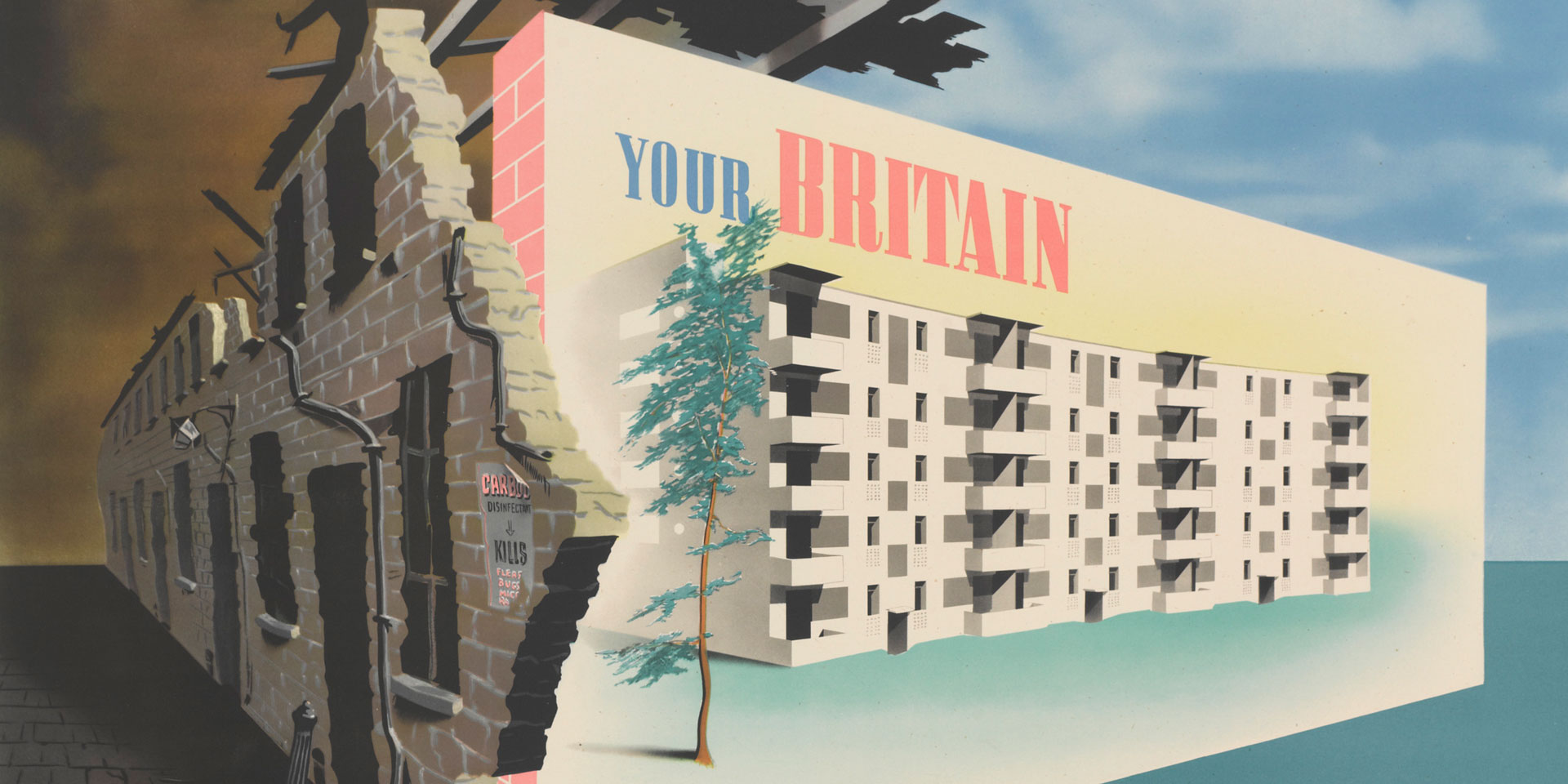
Abram Games poster, 'Your Britain. Fight for It Now', 1942

Abram Games, ABCA and the fight for post-war change

During the Second World War, Abram Games produced a series of posters for the Army Bureau of Current Affairs. These aimed to remind soldiers what they were fighting for, while also offering a glimpse of the post-war society to which they could aspire.

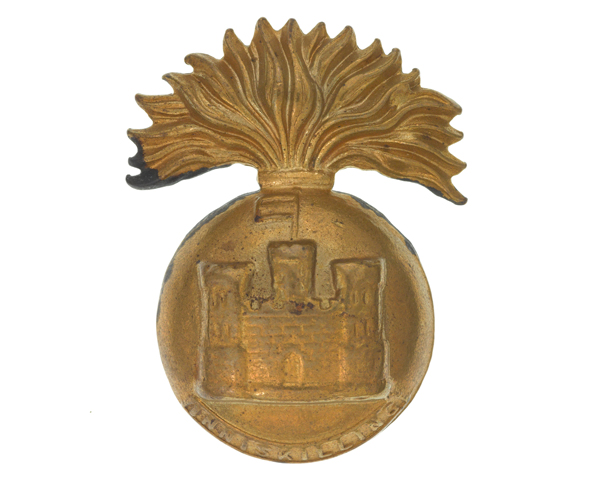
Other ranks' cap badge, The Royal Inniskilling Fusiliers, c1930

The Royal Inniskilling Fusiliers

This Irish infantry unit was established in 1881. Recruiting in Ulster, it existed until 1968, when it was merged into The Royal Irish Rangers.

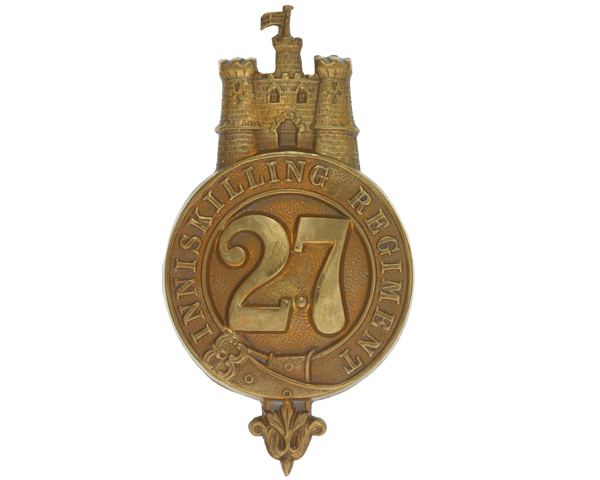
Other ranks' glengarry badge, 27th (Inniskilling) Regiment of Foot, c1874

27th (Inniskilling) Regiment of Foot

This Irish infantry unit was raised in 1689. It continued in British Army service until the 1881 reforms, when it was merged into The Royal Inniskilling Fusiliers.

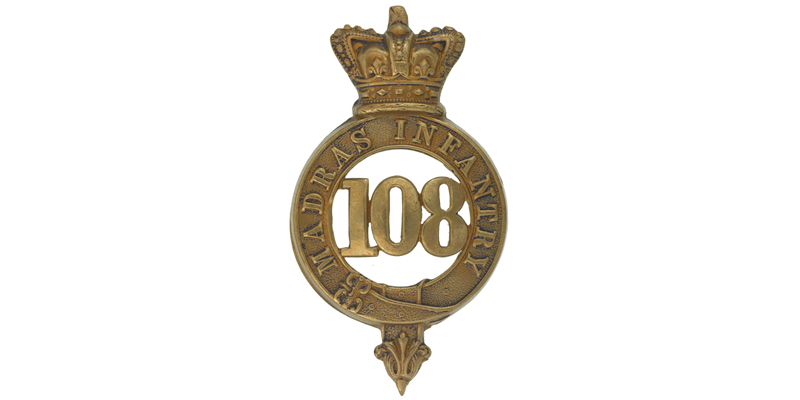
Glengarry badge, 108th Regiment of Foot (Madras Infantry), c1874

108th Regiment of Foot (Madras Infantry)

This unit was originally raised by the East India Company in 1854, but soon transferred to British Army service. In 1881, it was merged into The Royal Inniskilling Fusiliers.

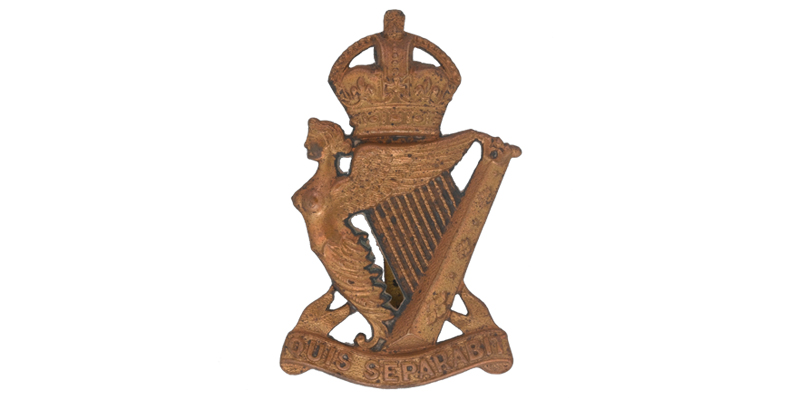
Officers' busby badge, The Royal Irish Rifles, c1902

The Royal Ulster Rifles

This infantry unit was formed in 1881. It continued in British Army service until 1968, when it became part of The Royal Irish Rangers.

Stories of remembrance

story

Peace and commemoration

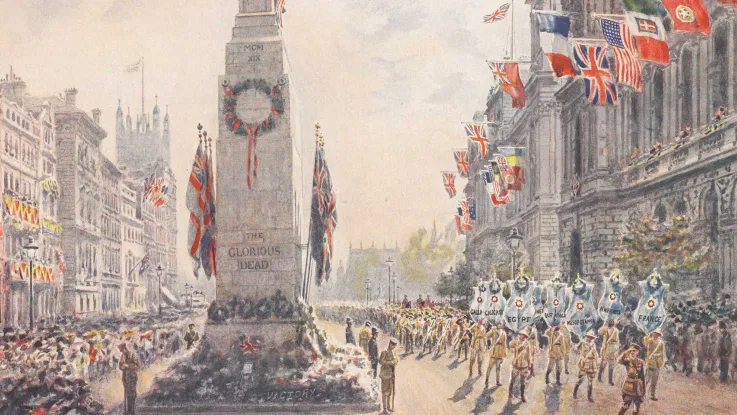
After the Armistice in November 1918, millions of soldiers hoped they would soon go home. But demobilising so many troops was a huge task. How best to mark the Allied victory also became a subject for debate.

Story

Honouring the fallen

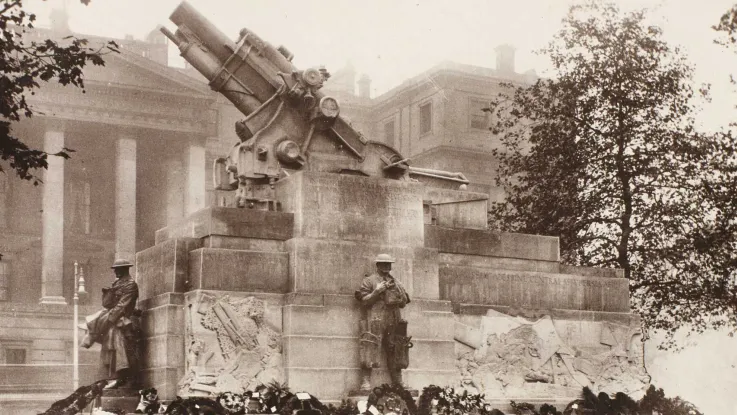
After the First World War, British society had to come to terms with the loss of huge numbers of its service personnel. Across the country, people found ways to commemorate the fallen at a local and national level.

Story

The Unknown Warrior

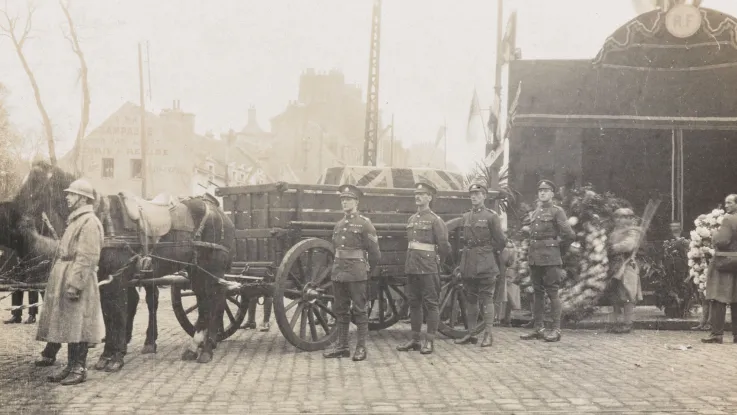
The grave of the Unknown Warrior contains the remains of an unidentified British serviceman, interred in 1920 to honour the fallen of the First World War. The secretive selection process remains shrouded in mystery.