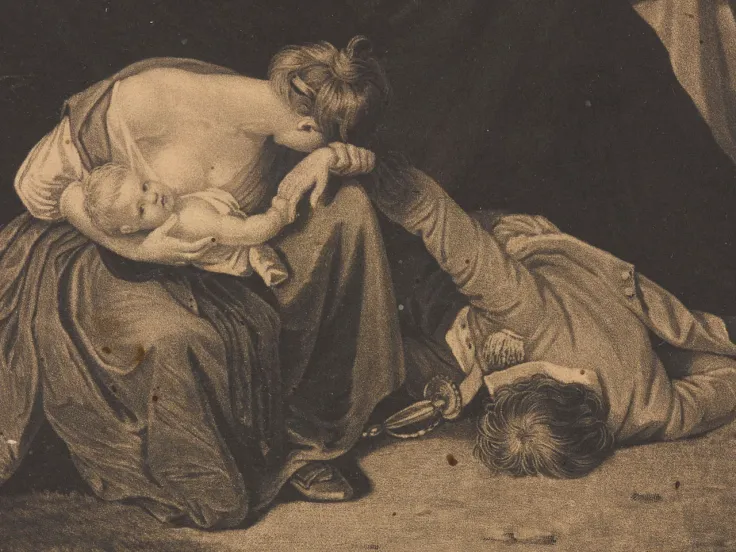
Among the most poignant items in the Museum’s archive are letters relating to soldiers’ deaths. Here, we showcase some particularly moving examples, revealing the insights behind the powerful stories they tell.
In 1922, the creation of the Irish Free State (now the Republic of Ireland) led to the disbandment of six regiments of the British Army which had traditionally recruited there. This video provides a brief overview of their story.
5 April 2023: This April, the National Army Museum opens a new gallery, Conflict in Europe. Through extraordinary objects and engaging interactives, visitors will explore the role of the British Army in Europe, a story as relevant today as it was 350 years ago.
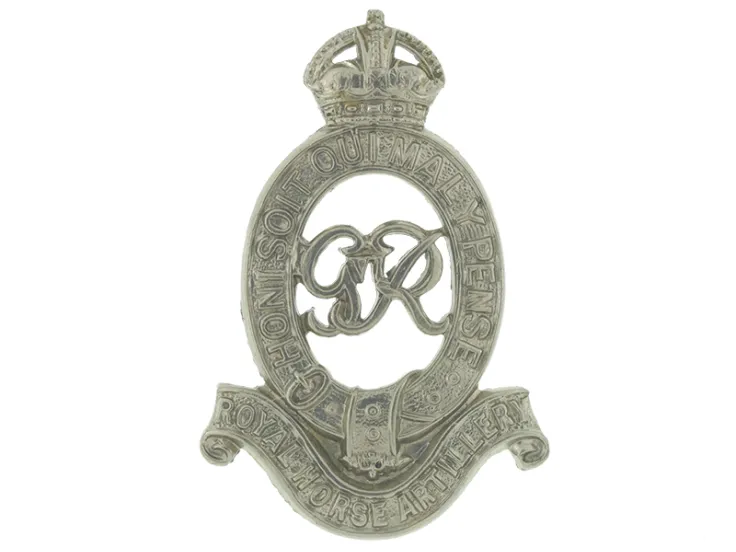
Formed in 1793, the Royal Horse Artillery initially provided fire support to the cavalry. Today, its regiments carry out a variety of artillery combat roles and ceremonial duties.
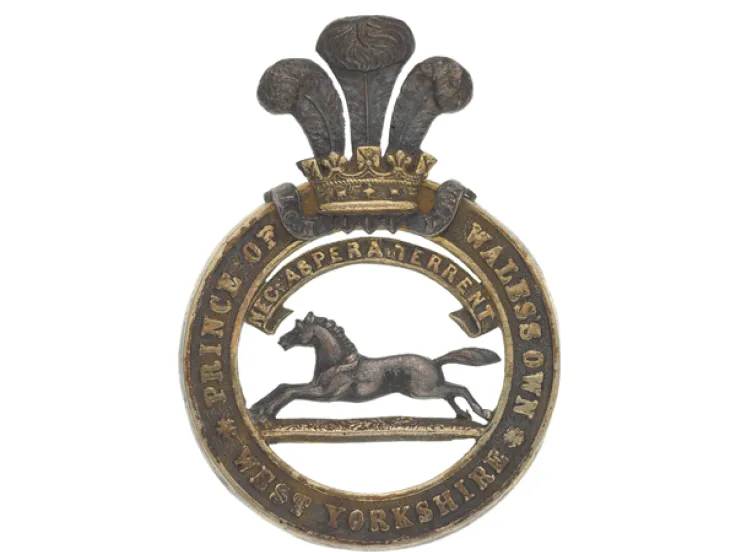
This infantry unit was raised in 1685 and served in many British Army campaigns during its long history. In 1958, it merged with The East Yorkshire Regiment to form The Prince of Wales’s Own Regiment of Yorkshire.
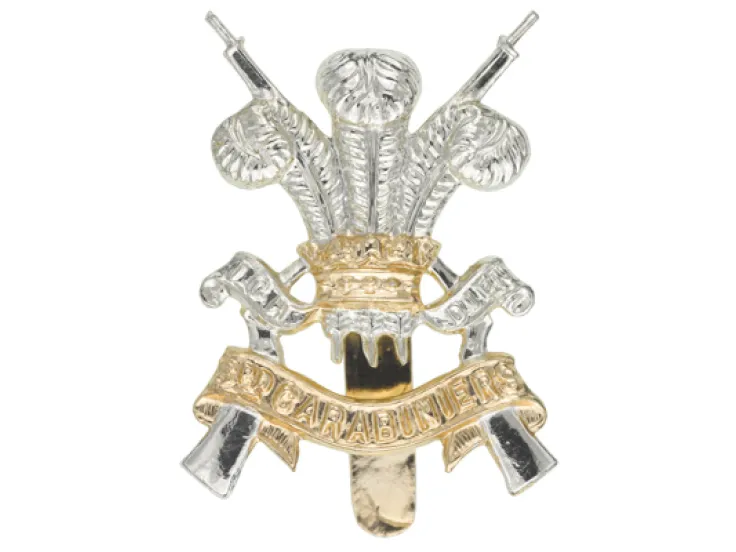
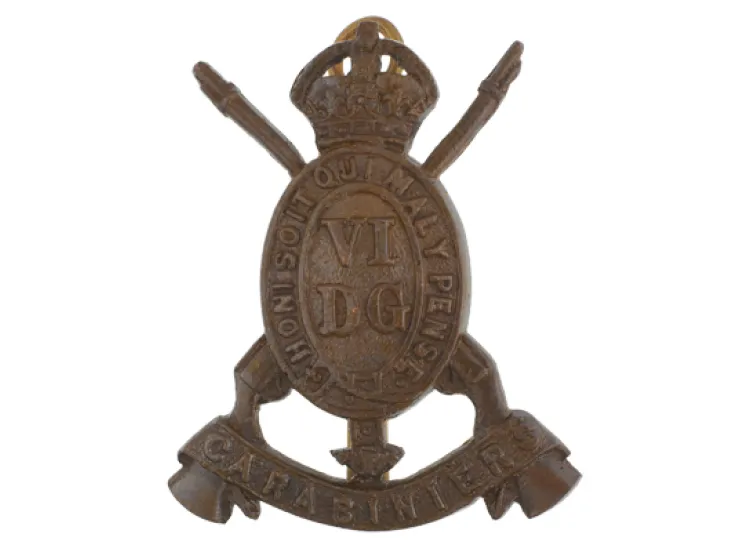
This cavalry unit was raised in 1685. It had a long and distinguished service with the British Army until 1922, when it was merged into the 3rd Carabiniers (Prince of Wales's Dragoon Guards).
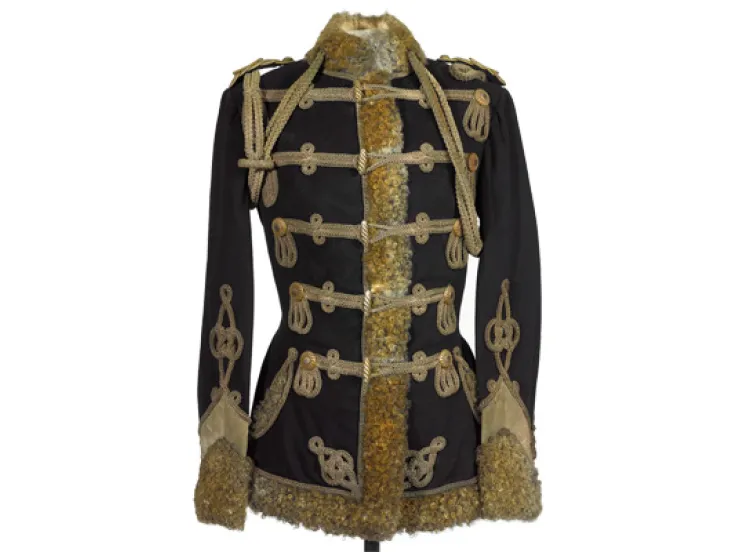
These splendid items of uniform belonging to Prince Arthur, Duke of Connaught and Strathearn, showcase the flamboyant fashion adopted by hussar units across Europe.
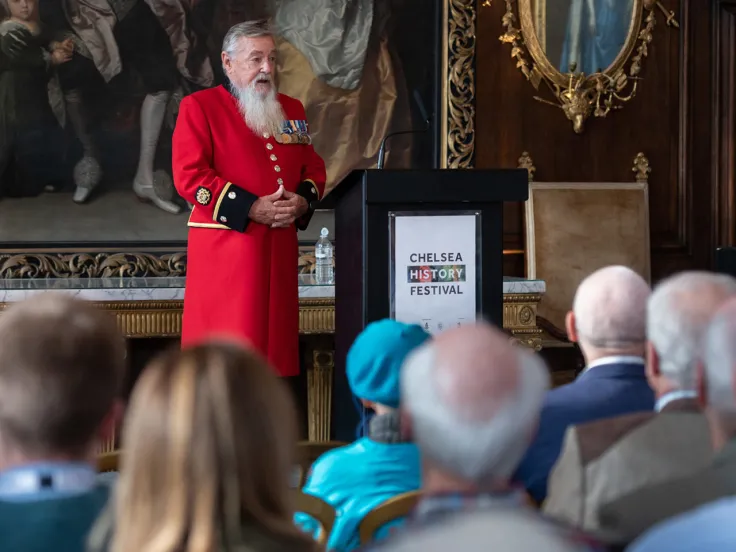
19 June 2025: Chelsea Heritage Quarter is pleased to announce the seventh edition of the Chelsea History Festival, taking place from Wednesday 24 to Sunday 28 September 2025.
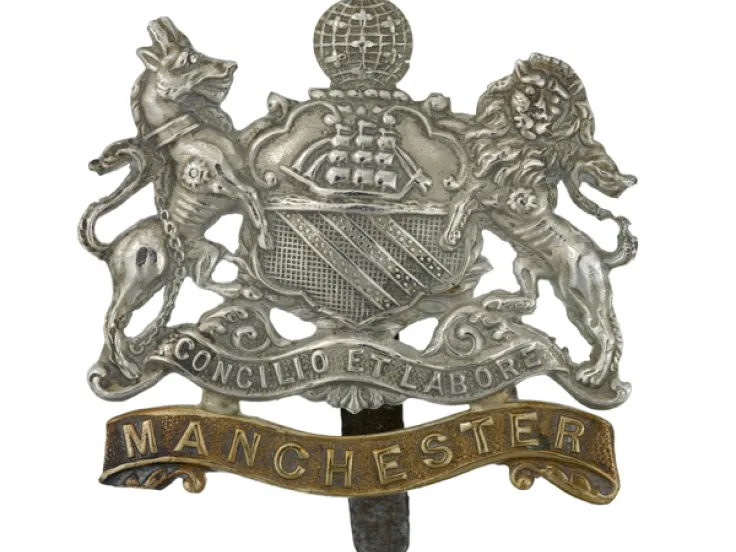
This infantry regiment was formed in 1881. It went on to serve in many British Army campaigns until 1958, when it was merged into The King’s Regiment (Manchester and Liverpool).
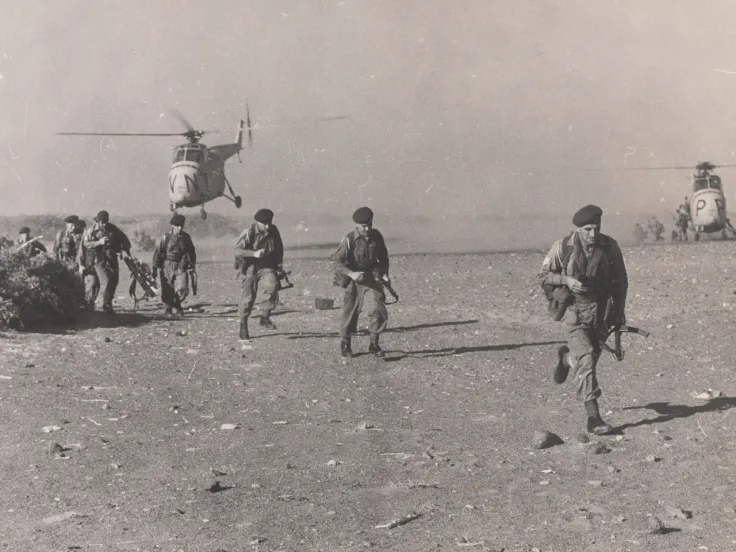
The Aden Emergency (1963-67) was an insurgency against British rule in the south of the Arabian Peninsula. The unrest hastened British plans for withdrawal and marked the end of 20 years of decolonisation.